Beyond the Bookshelf: Curate a Cozy Home Library that Seamlessly Includes Audiobooks
There is a singular joy in the weight of a hardcover, the texture of a well-thumbed paperback, and the quiet rustle of turning pages. There is also an entirely different kind of joy in pressing play, settling into a chair or slipping on headphones, and letting a narrator transport you as your hands stay free. A modern home library can and should hold space for both. This in-depth guide explores how to plan, style, catalog, and maintain a hybrid reading sanctuary that integrates physical volumes and digital listening with ease, so your space supports the way you actually read today.
Why a Hybrid Home Library Matters
Reading is not one activity anymore; it is many. You might listen while preparing dinner, browse an author backlist on a rainy afternoon, skim a chapter on your tablet in bed, or slow-read poetry by lamplight. Bringing audiobooks into your library gives you flexibility without sacrificing the slower rituals that print invites. It can also make the joy of stories more inclusive for busy caregivers, commuters, people with visual impairments, and anyone who loves to learn while moving through life.
When you design for both formats, you design for real life. The right shelves keep beloved titles visible. A listening station makes audio playback simple and intuitive. Smart cataloging links formats and narrators to themes, length, and mood. The result is a space that feels collected, not cluttered; cozy, not cramped; tech-forward while still warmly human.
Start With Vision: Purpose, People, and Place
Before buying furniture or installing apps, get clear on why your library exists and who it will serve. A clear vision prevents scattershot purchases and helps every choice support your reading habits.
- Purpose: Is the space for deep study, nightly unwinding, family story time, or a bit of everything
- People: Who reads and listens here Adults, kids, guests, a partner with different tastes Consider profiles and access needs.
- Place: Measure the room, the available wall lengths, ceiling height, and natural light. Note outlets, network ports, and noise sources like a nearby kitchen or street-facing windows.
Create a short mood sentence to anchor your design choices. For example: A warm, book-first room with soft lighting, open shelves, a tucked-away audio hub, and two listening seats. Use this north star to choose finishes, seating, and tech that serve the vision rather than distract from it.
Audit Your Collection and Reading Habits
A smart inventory helps you plan shelving, storage, and digital workflows. Pull your books and devices into a simple audit.
- Physical books: Count hardcovers, paperbacks, art books, and reference works. Note oversize volumes that need deeper shelves.
- Digital audio: List where your audiobooks live now. Audible, Libro.fm, Apple Books, Google Play Books, Kobo, Chirp, Scribd, or library apps like Libby or Hoopla. Include any DRM-free files.
- Devices: Phones, tablets, e-readers, smart speakers, Bluetooth headphones, DACs, and amps. Note charging needs and where you prefer to listen.
- Habits: When do you listen most Morning routines, chores, workouts, commutes, wind-down time Match your layout and automations to those windows.
This audit becomes a practical design brief. If most of your audiobooks are streaming, you may prioritize stable Wi-Fi and a clean charging console over large media drawers. If you have a robust DRM-free collection, plan for a network drive and a media server. If print towers over everything else, feature those shelves front and center and tuck the tech in a dedicated nook.
Zoning the Room: Shelves, Screens, and Sound
Great libraries guide attention. Use zones to give every format a clear home and to keep pathways open.
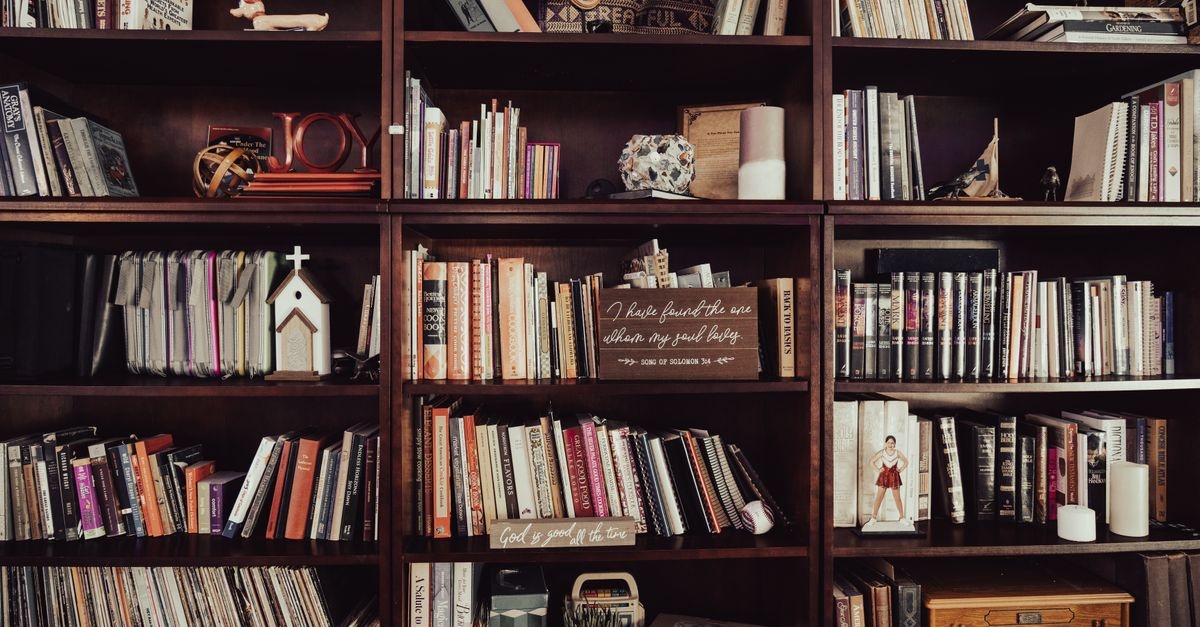
- Print zone: Wall-to-wall shelving or a modular system with adjustable shelves. Keep most-used titles between knee and eye level. Reserve the highest shelves for display or lighter items.
- Listening station: A small credenza, sideboard, or media cart holding a smart speaker, headphone stand, charger, and tablet. Conceal cables with clips or a cable raceway.
- Reading and listening seating: One upright chair with good lumbar support for print; one plush chair or chaise with a nearby outlet for audio. If space is tight, one versatile chair with a swing-arm lamp and a footrest works beautifully.
- Charging and sync console: A shallow drawer with a power strip, multi-USB charger, and labeled cables. Add a small bowl or tray for earbuds and a microfiber cloth for screens.
Designing the Listening Station
Your listening hub should be as inviting as a well-lit page. Keep it simple and tactile so pressing play feels delightful.
- Core components: A smart speaker or compact amp with bookshelf speakers, Bluetooth headphones on a stand, and a tablet or phone dock.
- Comfort: A side table for a mug, a soft throw, and a lamp with a warm color temperature. Use a coaster to protect finishes.
- Control: Preconfigure voice commands and physical buttons. If you share the space, set up multiple user profiles on the main audio app.
Shelving That Supports Both Formats
Even though audiobooks are intangible, your shelves can still signal what you are listening to and invite discovery.
- Adjustable shelves handle tall art books and keep general fiction at comfortable heights.
- Media drawers hide accessories like headphones, spare cables, and a compact DAC or portable player.
- Now playing stand displays the print edition of your current audiobook or a frame with the cover art printed on card stock.
- Label rails or simple dividers mark themes or series without overwhelming the eye.
Cataloging That Bridges Print and Digital
Organization is the secret glue of a hybrid library. A unified catalog lets you find a title in seconds, match editions, and track what you have in print, audio, or both. Choose a tool that suits your comfort level.
- Simple apps: Libib, BookBuddy, Readerware, or CLZ Books for scanning barcodes and tagging formats.
- Flexible databases: Notion or Airtable for custom fields like narrator, mood, and listening time.
- Metadata-focused: Zotero or Calibre for detailed records, especially useful if you manage ebooks and DRM-free audio files alongside print.
Whichever tool you pick, create a record per work and link all formats. If you borrow audiobooks from your library app, include a field for source and expiry, plus a waitlist tracker.
A Step-by-Step Catalog Workflow
- Scan or add: Use your phone to scan barcodes for print; paste store links or ISBN/ASIN for audio editions.
- Normalize titles: Ensure consistent naming across formats. Use one canonical title field, and note subtitles in a secondary field.
- Add narrators and length: Narrator and runtime strongly influence listening choices; make them searchable.
- Tag themes and moods: Cozy mystery, immersive worldbuilding, quiet essays, hopeful, high-energy.
- Mark ownership and location: Owned print, owned DRM-free audio, subscription, library loan. Add a shelf code like A3-2 for print and a library name for digital.
- Link formats: Cross-reference the print edition with its audiobook record so a search reveals both.
Tagging Taxonomy That Works in Daily Life
Tags should speed decisions, not slow you down. Keep the set compact and meaningful.
- Format: Print, audiobook, ebook, audio plus print bundle.
- Genre: Fantasy, literary fiction, history, business, science, memoir, poetry.
- Length: Short under 6 hours, medium 6 to 12 hours, long 12 to 20, epic 20 plus.
- Mood: Light, cozy, intense, cerebral, uplifting, atmospheric.
- Occasion: Commute, housework, bedtime, travel, weekend binge.
- Audience: Adult, YA, middle grade, kids, family-safe.
- Status: To try, in progress, paused, finished, to donate.
Storage and Backup for Audiobooks
Where your audio lives determines how smooth your listening will be. Streaming is easy; local files offer control.
- Streaming services: Audible, Libro.fm, Kobo, Apple Books, Google Play Books, Scribd, and library apps like Libby and Hoopla. Great for discovery and sync across devices.
- DRM-free libraries: Chirp deals, publisher stores, or ripped CDs. Store these on a network-attached storage NAS or a dedicated external SSD. Consider a Synology or QNAP box with redundant drives and regular cloud backup.
- File formats: MP3 is universal; M4B supports bookmarks and chapters; FLAC trades storage for fidelity. Keep chaptered formats if possible.
- Media servers: Audiobookshelf, Plex, or Jellyfin can serve your files to phones and tablets with bookmarking and elegant cover art.
Adopt a naming convention: Author Last, First - Title - Narrator - Year. Within a series, prepend a number like 01, 02 for clean sorting. Use folders by author or series. Back up with a 3-2-1 rule: three copies, two different media, one offsite cloud. Set quarterly reminders to verify backups and spot-check restores.
Smart Playlists and Shelving Cues
Translating digital order into physical cues makes the room feel coherent.
- Dynamic playlists: Create lists for 30-minute listens, weekend epics, cozy vibes, or a single narrator marathon. Use tags and runtime filters.
- Physical prompts: A small card holder on your shelf labeled Now Playing with a print of the audiobook cover. Or tuck a neutral bookend with a QR code that opens your current audio queue.
- Rotation tray: A shallow tray by the listening chair to hold the print companions of audiobooks you plan to hear this week.
Comfort Design: Light, Sound, and Texture
Comfort is the core of a cozy library. Layered lighting and sound control keep the space gentle on eyes and ears, whether you read or listen.
- Lighting: Combine ambient ceiling or floor lamps with task lights at chairs and accent lighting behind shelves. Aim for warm 2700–3000K bulbs. Put lights on dimmers or smart switches for scene control.
- Acoustics: Books naturally absorb sound, but add a rug, curtains, and a few acoustic panels if the room is lively. Keep hard surfaces in check to prevent echo when listening through speakers.
- Textures: A mix of wood grain, linen, wool throws, and soft leather makes the room welcoming. Avoid too many reflective surfaces that glare or amplify sound.
Ergonomics and Accessibility
Small design choices make long sessions more enjoyable and inclusive.
- Seating: Choose a chair with 90-degree knee and hip angles, a supportive back, and a headrest for listening. Add a footrest if your feet dangle.
- Shelf reach: Keep most-used books between 24 and 60 inches high. Store heavy art books at knee level.
- Labels and controls: Use clear, high-contrast labels on shelf dividers. Configure large, simple playback buttons on a tablet home screen. Enable voice control and captions in apps where available.
- Hearing comfort: Choose headphones with plush pads and active noise cancellation if you share the room. Limit volume and use a volume-limiting setting for kids.
Family and Shared Library Strategies
Shared libraries thrive with clear rules and gentle boundaries. Make it easy to choose something age-appropriate and to put items back.
- User profiles: Create separate app profiles for adults and kids. Use content filters and PINs as needed.
- Kid-height shelves: Place children’s books and a family-safe smart speaker at their level. Include headphones sized for small heads.
- Charging etiquette: A shared charging drawer with labeled cables prevents cable chaos. Post a simple charging routine: plug in devices overnight on Sundays and Wednesdays.
- Borrowing rules: A small whiteboard tracks what is out. For digital loans through Libby, note due dates and holds so everyone gets a turn.
Budgeting and Sourcing Without Sacrificing Style
You can assemble a beautiful hybrid library at nearly any budget. Allocate funds to the pieces that elevate daily use.
- Save: Buy shelves secondhand, use flat-pack units with wall anchors, and source reading chairs from thrift or outlet stores. Opt for refurbished tablets and certified pre-owned headphones.
- Spend where it matters: A comfortable chair, reliable headphones, and a stable NAS or external SSD. High-quality dimmable bulbs transform the room far more than an expensive lamp base.
- Services: Consider a mix of subscription and DRM-free purchases. A library card plus a small monthly audiobook subscription covers most listening.
Build in a contingency line for cable management, small trays, and organizers. These quiet heroes prevent clutter and keep the hybrid system functioning smoothly.
Maintenance Rituals and Seasonal Refresh
A library is a living system. Light, regular care keeps it enjoyable.
- Weekly reset: Reshelve returns, tidy the listening station, top up tissues and lens wipes, and charge devices.
- Monthly audit: Update the catalog with new arrivals, clear abandoned downloads, and archive finished titles. Wipe shelves and vacuum under chairs.
- Quarterly refresh: Rotate front-facing displays by theme or season. Review subscriptions and cull duplicates or stale holds.
- Annual prune: Donate print books you will not revisit and release audiobooks from services where possible. Make a wishlist for next year’s big reads and a budget plan to match.
Aesthetic Styling Without Clutter
Styling should support browsing and calm. Resist the urge to overdecorate every shelf.
- Organization by intent: Sort by author for research or by theme and mood for discovery. A hybrid approach works well: fiction by author, nonfiction by topic, display ledges for seasonal picks.
- Color as accent: A small rainbow section can look delightful, but prioritize discoverability over strict color coding unless you have a strong visual memory.
- Breathing room: Leave 10–20 percent of shelf space open for growth. Add a plant or a sculptural bookend only where it does not block titles.
- Scent and sound: A subtle candle or diffuser and a quiet playlist at low volume can set the tone without competing with narration.
Tech Integration and Tiny Automations
Small automations make hybrid reading nearly frictionless.
- NFC tags: Stick a tag under the arm of your chair that launches your current audiobook in the app of choice. Another tag on the shelf can open your catalog view of a series.
- Smart routines: A voice command like Story time can dim lamps, start a rain sound at 10 percent, and cue the next chapter.
- Sleep timers: Default timers prevent overlistening at bedtime. Some apps offer fade-outs, which are gentler.
- Multiroom audio: Group speakers for household chores, then ungroup to keep the library a quiet zone.
Troubleshooting Common Pain Points
Even the best systems get snagged. Anticipate and prevent common issues.
- DRM lock-in: Keep a simple spreadsheet of which platforms hold which titles, and prefer DRM-free when practical. If you switch services, your catalog notes preserve continuity.
- Metadata mess: Standardize title and author formats, and use batch editing tools in your catalog or media server to clean tags.
- Device conflicts: Dedicate one device as the library remote tablet to avoid sign-out chaos. Enable family library sharing features responsibly.
- Noise bleed: Add a door sweep and heavier curtains. For apartments, set speaker stands on isolation pads and default to headphones after 9 p.m.
- Overload: Too many choices stall reading. Limit active playlists to three and display only five to seven front-facing books at a time.
Sample Layouts and Floor Plans
Small Studio Corner
For modest spaces, think vertical and mobile.
- One 30 to 36 inch wide bookshelf with adjustable shelves and a closed base drawer.
- A compact reading chair with a swing-arm lamp.
- A narrow charging console with cable clips mounted behind.
- A single smart speaker or a tablet with quality headphones.
- Wall hooks for headphones and a slim picture ledge to display Now Playing covers.
Dedicated Spare Room
When you have four walls, create a true sanctuary.
- Two full-height wall units, 10 to 12 inch shelf depth, with adjustable shelves and a ladder rail if ceilings are high.
- A chaise lounge for listening and a firm armchair for print, each with its own lamp.
- A low credenza for the listening station with drawers for accessories.
- A NAS tucked in a ventilated cabinet, connected via Ethernet to your router.
- Rug, curtains, and two acoustic panels placed at first reflection points.
Family Living Room Hybrid
Blend function with family flow.
- Built-ins flanking a window or TV, with kid-height cubbies and adult-height shelves.
- A concealed charging drawer in a sideboard, labeled by device type.
- A family-safe smart speaker with a kid profile, plus two sets of volume-limited headphones.
- A rolling cart that becomes a pop-up listening station for story time.
- Tray for rotating seasonal displays and a closed bin for toy-book overflow.
Mindful Acquisition: What Belongs In Your Hybrid Library
Curating is more than collecting. Be intentional with every addition.
- Format pairing: For dense nonfiction, consider owning both print and audio. Listen once, then annotate the print edition.
- Narrator-first picks: Some narrators elevate a text. Tag favorites and sample before you commit.
- Series strategy: Keep the same format for most of a series unless life demands a switch. Consistency maintains momentum.
- Library leverage: Use holds for exploratory listening; buy keepers you will revisit.
Etiquette for Shared Listening
Good manners sustain a peaceful library culture.
- Use headphones if others are reading nearby.
- Announce when you start a speaker session and for how long.
- Return devices to the charger after use.
- Keep volume consistent; use app-based loudness normalization if available.
Environmental Considerations and Sustainability
A thoughtful library nurtures the planet too.
- Energy: Use smart plugs to cut phantom draw from chargers overnight.
- Materials: Favor solid wood or metal shelves that last decades. Choose durable upholstery with replaceable cushions.
- Lifecycle: Rehome finished books through neighborhood swaps, Little Free Libraries, or charity shops. Clear storage responsibly and avoid e-waste by refurbishing devices.
Checklist: From Empty Wall to Hybrid Haven
- Define your vision, people, and place.
- Audit print, audio, devices, and habits.
- Sketch zones for shelves, seating, and the listening station.
- Choose a catalog tool and set a simple tagging system.
- Decide on streaming only, local files, or a mix; plan storage and backup.
- Pick one chair, one lamp, one smart speaker or headphone set to start.
- Install cable management and a charging drawer.
- Create two dynamic playlists and print a Now Playing cover card.
- Style with restraint; leave breathing room on shelves.
- Set weekly, monthly, and quarterly maintenance rituals.
- Document household etiquette for shared listening.
- Revisit the system after 30 days; adjust tags, zones, and habits.
If you are ever unsure how to proceed, revisit your vision and ask the guiding question: How to organize a home library with audiobooks so that it reflects the way we actually live and listen
Case Study: A One-Weekend Makeover
Friday night, a couple with a toddler decides to turn their cluttered den into a hybrid reading room. They inventory 400 print books, most of them fiction and cookbooks, plus an Audible library and a handful of DRM-free titles. By Saturday afternoon they have moved a bookcase to a quieter wall, anchored it, and added a dimmable floor lamp and a comfortable chair. They convert a side table into a listening station with a smart speaker, a tablet, and a headphone stand. A drawer becomes the charging console. They scan their print books into Libib, tag a dozen mood-based lists, and create two dynamic audio playlists: Morning Prep and Wind-Down. Sunday they frame a Now Playing card, hang a small acoustic panel disguised as art, and write a three-sentence family etiquette note. On Monday the den no longer feels like a catch-all; it reads as a sanctuary.
Advanced Touches for Enthusiasts
- Dedicated media server: Run Audiobookshelf on a low-power mini PC for buttery-smooth streaming of your DRM-free collection with chapter support.
- Boundaries for deep work: A scene called Focus dims lights, closes smart blinds, and switches audio output to headphones automatically.
- Series synopses binder: Print or clip concise recaps for long fantasy series and keep them in a slim binder next to the listening chair.
- Annotation bridge: Jot highlights in an app while listening, then transfer key notes into the print book margins during a weekend sit-down.
Common Organizing Styles and How Audio Fits
Author-First Organization
Great for collectors and researchers. Keep audiobooks linked in your catalog and place a small divider card at the author section that lists audio editions and narrators you own.
Theme and Mood Organization
Perfect for browsers. Create physical dividers labeled Cozy Evenings, Big Adventures, Quiet Mornings. Match playlists to these dividers so grabbing a shelf section cues a matching audio list.
Chronological or Project-Based
For students or lifelong learners. Group by course, era, or research thread. Use a project tag and a dedicated playlist per topic so lectures and related audiobooks assemble instantly.
Onboarding New Titles Smoothly
Make arrival rituals that prevent backlog and maintain momentum.
- Quarantine new arrivals on a single shelf. Catalog and tag them before integrating.
- Sample 10 minutes of each new audiobook to set mood tags and confirm narrator fit.
- Add one new title to a short playlist and one to a longer list so both daily and weekend slots get fresh options.
How to Keep the Space Feeling Cozy
Cozy is not an accident; it is an accumulation of small, supportive decisions.
- Sightlines: As you enter, let your gaze land on calm displays, not cables or clutter.
- Temperature: A small, quiet fan or space heater can extend comfort into shoulder seasons.
- Personal artifacts: Limit to a few meaningful items, like a postcard from a literary city or a framed library card from childhood.
Bringing Guests Into the Experience
Offer a visitor-friendly way to browse and listen.
- Keep a guest playlist ready with broadly appealing titles.
- Provide a spare set of on-ear headphones with replaceable pads.
- Display a mini guide card with three voice commands: Play the guest list, Pause, Volume down.
Measuring Success
Great organization is not about perfect symmetry; it is about sustained use. After a month, check three indicators:
- Are you reading and listening more, with less friction
- Can you find any title within 30 seconds
- Does the room invite you in at odd moments
If the answer is yes to two of these, the system is working. Tweak the third with small nudges: a brighter task light, simpler playlists, or a deeper chair cushion.
Bringing It All Together
There is no single blueprint for how to organize a home library with audiobooks, but there are principles that work across homes and habits. Define a clear purpose. Map zones for print, listening, and charging. Use a unified catalog with simple tags. Balance streaming convenience with local backups. Create a listening station that is as inviting as a beloved armchair. Add small automations that remove friction. Keep styling calm and clutter-free. Then maintain with light, regular rituals so the space remains alive to your changing seasons of reading.
When you do, your library becomes a gentle companion. It greets you with familiar spines, offers a narrator’s voice when hands are busy, and holds open a quiet doorway to wonder at any hour. Beyond the bookshelf lies a fuller practice of reading and listening, in a room that feels unmistakably like home.
Conclusion: Beyond the Bookshelf
Your hybrid sanctuary is less a tech project than a hospitality practice for your future self. By curating shelves that welcome the eye and a listening nook that answers with a single tap, you build a space where time stretches and attention returns. You have learned how to organize a home library with audiobooks in a way that respects the classics on your shelf and the modern flows of your day. Keep the system light, kind, and flexible, and it will keep returning the favor with another chapter, another page, another reason to stay awhile.