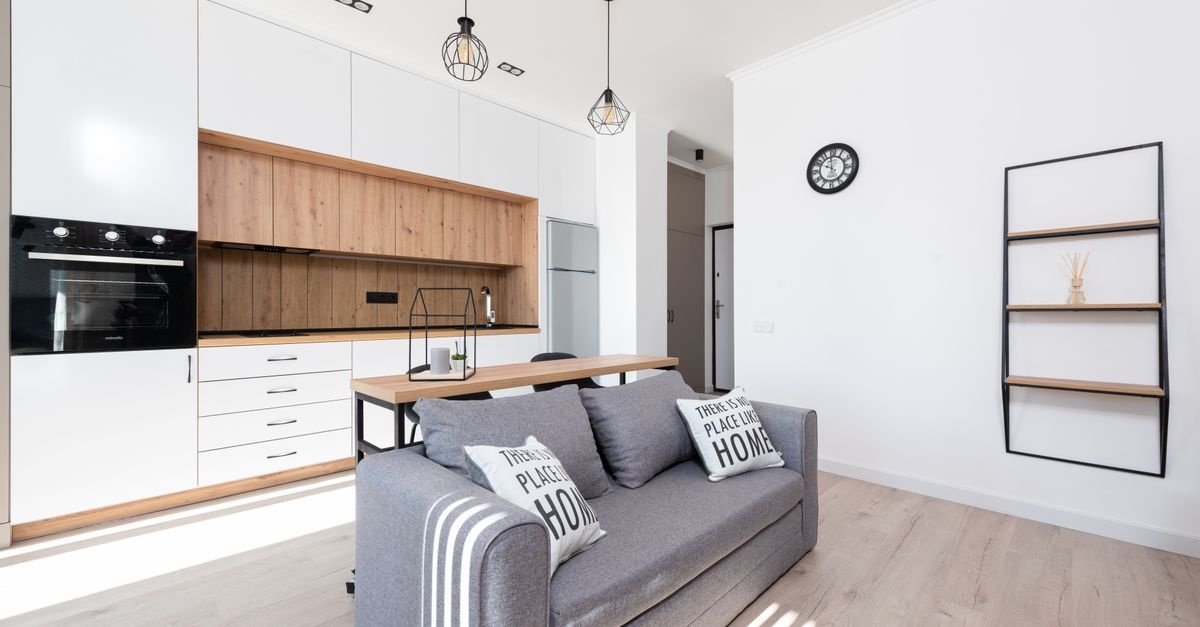
Living in a studio doesn’t mean living with less comfort or style. With thoughtful planning, smart furniture, and a few strategic habits, you can transform even the tiniest footprint into a calm, clutter-free oasis that works hard for everyday life. Here you’ll find Creative storage ideas for studio apartments that feel effortless, look elevated, and stretch every inch—from the toe kicks to the ceiling line. Whether you rent or own, prefer minimalism or maximal personality, this guide delivers actionable, renter‑friendly moves you can implement this weekend.
Start With a Smart Space Plan
Before buying bins or building shelves, step back and design the flow of your micro-home. Planning ensures that every storage choice supports how you actually live, not just how you hope to live.
Map Functional Zones
In an open-plan studio, zones keep visual order and reduce clutter creep. Identify the essential functions you need—sleeping, lounging, working, dining, cooking, and dressing—then assign each a compact footprint.
- Anchor with rugs: A small rug under the bed and a larger one for the living zone provide instant boundaries.
- Back-to-back elements: Float a sofa with a low bookcase behind it to separate lounge and sleep without blocking light.
- Portable partitions: Use open shelving, screens, or curtains to divide space while keeping it airy.
Audit What You Own
Storage starts with right-sizing. Conduct a quick inventory by category and measure what’s left after a realistic edit.
- Keep the champions: Items used weekly deserve prime, easy-reach locations.
- Rotate seasonally: Off-season gear can live high, low, or under furniture.
- Measure for containers: Note widths, depths, and heights for bins, drawers, and shelves so every piece fits with zero wasted gaps.
Design for Renter Reality
Even without major alterations, you can install robust systems that remove cleanly when you move.
- Tension rods and rails: Build instant hanging storage without drilling.
- Removable adhesives: Modern hooks and strips now hold surprising weight.
- Modular units: Freestanding shelves, cube systems, and clothing racks adapt to your next apartment.
Go Vertical: Use the Full Height
When the footprint is fixed, think elevation. Vertical strategies multiply square footage in the air, not on the floor. These tactics embody some of the most effective Creative storage ideas for studio apartments because they free pathways and keep surfaces clear.
Floor-to-Ceiling Shelving
Tall shelving walls create the capacity of a closet without doors. For a gallery-like look, mix closed boxes with open cubbies.
- Staggered heights: Leave a few taller cubbies for plants, lamps, or art to avoid a boxy feel.
- Closed at the bottom: Hide visual noise in lower cabinets; keep airy objects up high.
- Anchor safely: If drilling is off-limits, use wide bases and anti-tip straps that grip without wall holes.
Over-Door and High-Mounted Storage
The dead zone above door frames is prime real estate.
- Over-door shelves: Store spare linens, paper goods, or travel bags just above reach.
- Floating ledges: A slim ledge near the ceiling provides a continuous perch for books or baskets.
- Picture rail system: Hang art and accessories from a rail to avoid multiple wall holes and enable easy refreshes.
Hanging Storage and Rails
Think of the wall as a hardworking tool board.
- Kitchen rails: Suspend utensils, mugs, and pans to open up drawers.
- Entry rails: Hooks for coats, hats, and bags keep the floor clear and morning routines smooth.
- Bedroom rails: Add a valet hook to stage tomorrow’s outfit and reduce closet rummaging.
Under, Over, and In-Between: Hidden Storage Zones
Studios hide storage in plain sight. Target the voids under, over, and between major pieces to capture cubic inches that most people ignore.
Under-Bed Systems
The space beneath your mattress is a storage goldmine. Turn it into a well-ordered drawer bank instead of a dust cave.
- Platform beds with drawers: Built-ins glide smoothly and keep clothing, bedding, or bulky sweaters pristine.
- Risers with rolling bins: Lift the bed a few inches and add labeled, low-profile totes on casters.
- Vacuum-seal bags: Compress out-of-season duvets and jackets to a fraction of their size.
Overhead Soffits, Lofts, and Mezzanines
If ceiling height allows, create an overhead shelf or mini-loft. Even a modest ledge above closets or along hallways swallows seldom-used items.
- Lightweight bins: Use matching lidded boxes and clear labels; consistency keeps it calm to the eye.
- Ladder strategy: A slim, decorative ladder doubles as display and gives safe access to high storage.
- Loft bed: Elevate the bed to carve out a desk, lounge, or wardrobe zone underneath.
Toe-Kick and Furniture Plinth Drawers
That shallow strip beneath cabinets and credenzas is valuable. Toe-kick drawers store flat items like trays, placemats, or cutting boards without stealing floor area.
- Retrofit kits: Add drawers beneath existing cabinets using simple kits or have a handyman customize a solution.
- Media cabinet plinths: Hide spare cables, remotes, and manuals down low so surfaces stay minimal.
Multi-Functional and Transforming Furniture
Choose pieces that do more than one job. Transforming furniture provides storage, flexibility, and comfort in tight spaces. Among the most Creative storage ideas for studio apartments is selecting designs that expand, fold, nest, or conceal compartments.
Murphy Beds, Sofa Beds, and Daybeds
Sleeping arrangements set the tone for the entire studio.
- Murphy bed with shelving: A wall bed flanked by cabinets turns the sleep zone into a sleek media wall by day.
- Daybed with drawers: Provides both guest sleeping and generous bedding storage underneath.
- Sofa bed with chaise storage: The chaise lifts to reveal a cavern for pillows, throws, and games.
Lift-Top Coffee Tables and Nesting Tables
A lift-top turns a lounge into a workstation and reveals a secret compartment for remotes, chargers, and stationery.
- Nesting sets: Pull out when hosting, tuck in for everyday living.
- Tray-top ottomans: Flip to form a stable surface for snacks while concealing board games inside.
Storage Ottomans and Benches
Ottomans offer quick seating, a footrest, a coffee table substitute, and a bin in one.
- At the bed foot: Stash out-of-season clothes or extra linens.
- Entry bench: Hide scarves, umbrellas, and shoe care while providing a place to sit and lace up.
Folding, Wall-Mounted Desks
Work-from-home doesn’t require a bulky desk. A wall-mounted fold-down workstation or drop-leaf table saves room and keeps your zone tidy when closed.
- Integrated cubbies: Choose designs with interior nooks for notebooks and tech.
- Cable pass-throughs: Prevent cable spaghetti and keep things plug-and-play.
Expandable Dining Solutions
Host dinner without a permanent dining footprint.
- Gateleg tables: Live slim daily; unfold for guests.
- Stackable stools: Tuck stacks under a console or in a closet; pull out as needed.
- Wall-mounted leaves: A hinged panel doubles as art when closed.
Micro-Organizing Every Zone
Once the big moves are in place, dial in the details to make everyday routines frictionless. Thoughtful micro-organization is where small spaces truly shine.
Entryway: The Drop Zone That Actually Works
Corral the daily dump to avoid a clutter avalanche.
- Wall hooks at two heights: Top for coats, lower for bags and dog leashes.
- Shallow console with drawers: Keys, masks, and sunglasses get a dedicated home.
- Slim shoe cabinet: Flip-down compartments keep pairs neat without gobbling depth.
Living Area: Media, Books, and Cozy Extras
Style and storage can coexist beautifully.
- Media console with doors: Hide routers and gaming gear; add ventilation holes out back to prevent overheating.
- Spine or ladder shelves: Vertical book towers maximize height without heaviness.
- Blanket ladder or basket: Keep throws tidy yet within arm’s reach.
Kitchen: Squeeze a Pantry from Thin Air
Meals are easier when ingredients and tools are visible and reachable. Creative storage ideas for studio apartments often start in the kitchen, where a few inexpensive additions unlock real capacity.
- Over-cabinet baskets: Perch wire baskets above cabinets for seldom-used appliances.
- Magnetic spice and knife strips: Free counter space and eliminate rummaging.
- Adjustable shelf risers: Turn tall cabinet voids into double-decker storage.
- Pull-out organizers: Add slide-out trays for pots, lids, and cleaning supplies.
- Pegboard wall: Arrange pans, strainers, and tools in a customizable grid.
- Over-sink cutting board: Extends your prep surface without a remodel.
Bathroom: Vertical Calm
Small bathrooms benefit from low-depth storage that hovers above the floor.
- Over-toilet shelving: Ladder or cabinet styles hold towels and toiletries.
- Shallow mirrored cabinet: Doubles as storage and light booster.
- Tiered caddies: Put daily essentials at eye level; stash extras higher.
- Rolling cart: Park beside the vanity; roll into a closet for guest-ready minimalism.
Closet: A System, Not a Pile
A tiny wardrobe works when every hanger and shelf is intentional.
- Slim velvet hangers: Uniformity saves inches and stops shoulder bumps.
- Double hang: Add a second rod for shirts under jackets; reserve long-hang for dresses and coats.
- Vertical shelf dividers: Prevent leaning towers of sweaters.
- Shoe cubbies or clear boxes: Protect and display without hunting.
- Seasonal rotation bins: Label by season and store up high.
Workspace: Focus Without Bulk
Even if your office is a twelve-inch sliver, it can feel serene and productive.
- Wall-mounted file pockets: Keep paperwork vertical and visible.
- Cable management: Adhesive clips and a cable box tame visual noise.
- Task lighting with clamp: Secure to a shelf to avoid using desk surface.
Light, Color, and Materials That Make Space Feel Bigger
Perception is storage’s secret partner. The right finishes make rooms read larger and more orderly, even when capacity is the same.
- Light walls, tonal layers: Pale, warm neutrals bounce light and hide micro-variations in shade across different storage units.
- Reflective surfaces: Glass, mirrors, and satin metals multiply daylight.
- Closed storage in key sightlines: Doors where the eye first lands; open shelves for corners or high areas.
- Consistent containers: Matching baskets and bins reduce visual static and feel designed, not improvised.
Habits and Systems That Keep Clutter at Bay
Great storage fails without great habits. Make order automatic through simple, repeatable routines.
The One-In, One-Out Rule
For every new item you bring home, one similar item leaves. This keeps capacity constant so storage never bursts at the seams.
Seasonal Reset and Rotation
Schedule quarterly reviews. Move off-season wardrobe pieces to high shelves or under-bed bins and refresh labels so you can find things in seconds.
Label Everything
Labels prevent decision fatigue. When bins tell you where things live, you avoid the dreaded miscellaneous drawer.
Daily Ten-Minute Tidy
Set a timer each evening. Return stray items to labeled homes. Micro-maintenance beats weekend marathons every time.
Budget-Friendly and Rental-Friendly Fixes
Impact doesn’t require a renovation budget. Many of the best Creative storage ideas for studio apartments cost less than a takeout week and leave walls intact.
- Tension shelves and rods: Add closet capacity or a makeshift pantry between two walls without screws.
- Adhesive hooks and caddies: Perfect for bathrooms, backs of doors, and inside cabinets.
- Modular cubes: Build custom shapes; rearrange in your next home.
- IKEA hacks: Add casters to a bookcase, swap doors for fabric panels, or combine kitchen rails with S-hooks to store almost anything.
- Upcycled crates and trunks: Sand and seal for charming, stackable storage that doubles as side tables.
Case Studies and Layout Recipes
See how these strategies come together in real footprints. Use these recipes as templates and tailor measurements to your home.
The L-Shaped 300-Square-Foot Studio
Goal: Separate sleep and lounge, add a work nook, hide visual clutter.
- Zone with a back-to-back setup: Sofa floats with a low bookcase behind it, facing the bed side to serve as a nightstand.
- Wall bed with side closets: Murphy bed flanked by wardrobes; when closed, it’s a media wall.
- Rail-mounted desk: A fold-down desk along the short leg of the L keeps the path clear.
- Under-bed drawers: Out-of-season clothes and guest bedding disappear from sight.
Result: Airy lines of sight, dedicated zones, and zero cord clutter.
The 450-Square-Foot Alcove Studio
Goal: Maximize a sleeping alcove without shrinking the open living area.
- Lofted platform: A low loft in the alcove creates deep drawers and a step that doubles as a bench.
- Ceiling ledge: A continuous shelf above the alcove perimeter holds storage boxes and reading lamps.
- Gateleg dining table: Lives behind the sofa; expands on hosting nights.
- Kitchen pegboard: Frees drawers for pantry goods and small appliances.
Result: The alcove becomes a serene, storage-rich nest; living room remains spacious for entertaining.
The 220-Square-Foot Micro with Loft
Goal: Create a true living area beneath a lofted bed and integrate a mini office.
- Loft bed with guardrails: Clears headroom below for a loveseat and nesting tables.
- Stair drawers: Each step hides shoes, gym gear, and tech accessories.
- Wall-mounted drop-leaf desk: Folds over the loveseat arm; cable box mounts under the shelf.
- Over-door shelves: Luggage and holiday decor store high, labeled, and dust-protected.
Result: A micro-home that accommodates work, rest, and guests without crowding.
Shopping Checklist and Dimensions That Matter
Proportions can make or break small-space storage. Keep this cheat sheet handy when measuring and buying.
Storage Dimensions Cheat Sheet
- Under-bed clearance: Aim for at least seven inches for rolling bins; nine to twelve inches is ideal for deep drawers.
- Shallow shelves: Eight to ten inches deep prevent overloading and keep pathways wide.
- Entry console depth: Ten to twelve inches to avoid crowding the door swing.
- Over-door shelf height: Typically twelve to sixteen inches from the top of the frame; ensure safe reach with a step stool.
- Kitchen rails: Mount eight to twelve inches above the counter; keep at least two inches from backsplash outlets.
What to Measure Before You Buy
- Door and elevator clearances: Ensure your furniture can actually enter the apartment.
- Baseboard and radiator projections: They steal depth; note them for snug fits.
- Outlet locations: Plan where powered storage (lighting, routers) will live.
- Sightlines from entry: Put your neatest, closed storage where the eye lands first.
Common Mistakes to Avoid
- Buying big bins first: Start with editing and measuring; then select right-sized containers.
- Too many open shelves: Visual noise builds fast; balance with closed doors or baskets.
- Ignoring height: Wasted wall space equals crowded floors.
- Skimping on labels: Unlabeled bins become black holes.
- Over-furnishing: A few multi-functional pieces beat many single-purpose items.
Frequently Asked Questions
How can I add storage without making my studio feel smaller?
Prioritize closed storage in primary sightlines, use light colors, choose legs and wall mounts to show more floor, and concentrate display to one feature wall. Vertical solutions and mirrored fronts expand the sense of space.
What are the quickest wins this weekend?
Install kitchen rails, add over-door shelves, swap thick hangers for slim ones, and introduce a lift-top coffee table. These moves deliver immediate capacity and daily convenience.
Are there renter-friendly ways to add serious storage?
Yes: tension rods, modular cubes, adhesive hooks, freestanding wardrobes, and rolling carts. Many systems are designed to disassemble and move with you.
How do I keep everything organized month after month?
Adopt a one-in, one-out rule, label every container, schedule quarterly resets, and do a nightly ten-minute tidy. Small, consistent habits keep systems humming.
Pulling It All Together
Maximizing a studio is a design puzzle with satisfying, real-life rewards. By mapping zones, building upward, capturing hidden voids, choosing transforming furniture, and layering steady habits, you create a home that breathes. The strategies above are more than quick fixes; they’re a playbook to reclaim square inches and peace of mind. Return to these Creative storage ideas for studio apartments whenever your needs evolve, and let your micro-home grow smarter with you.
Next step: Pick three tactics you can install this week—perhaps a kitchen rail, under-bed bins, and a labeled entry drawer—and enjoy how a few targeted changes unlock space you didn’t know you had.
Bonus: Quick Reference List of High-Impact Moves
- Swap a standard bed for a drawer platform or a loft.
- Install ceiling-high shelving with closed lower cabinets.
- Add over-door shelves and magnetic kitchen organizers.
- Choose a lift-top coffee table and storage ottoman.
- Use slim hangers, double closet rods, and labeled bins.
- Adopt one-in, one-out and a ten-minute nightly reset.
With intention and a few transformative pieces, your small space can feel expansive, serene, and perfectly tailored to your life. That is the promise—and the payoff—of truly creative storage in studio living.