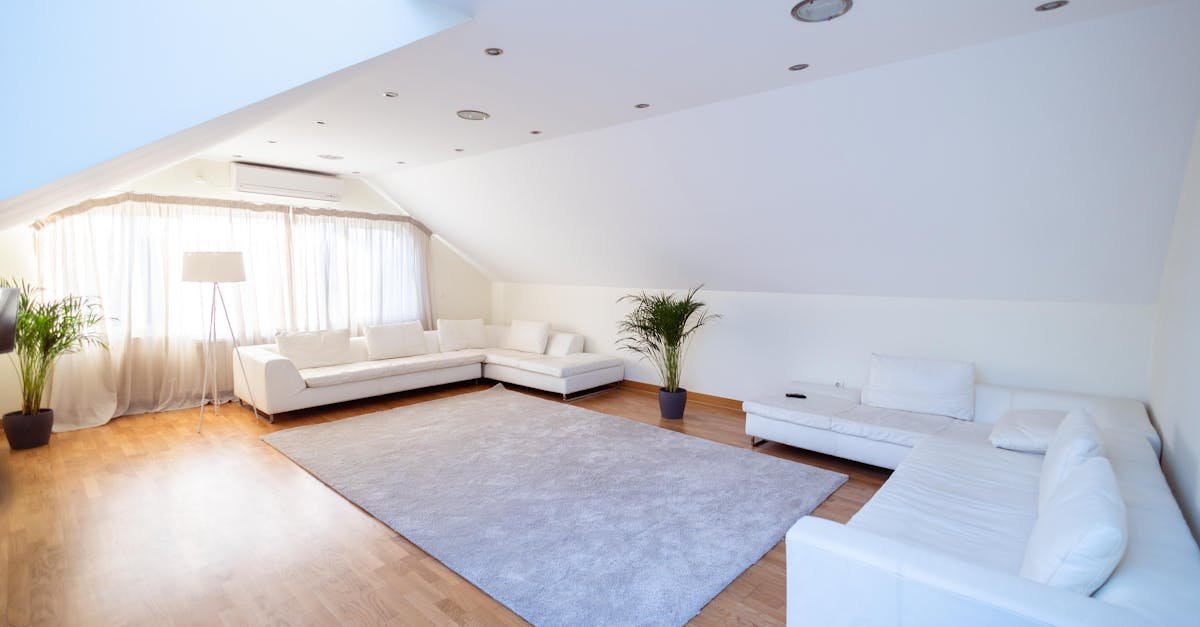
A luminous living room can lift your mood, showcase your style, and make a home feel open and fresh. But abundant sunshine also challenges textiles. Wool rugs face UV light, shifting temperatures, and heavy everyday use. The right choice will soften acoustics, balance brightness, and look beautiful longer. This complete guide shows you how to choose a wool rug for a bright living room with confidence—covering color, construction, size, comfort, maintenance, sustainability, and budget so your sun-drenched space stays inviting for years.
Why Wool Wins in Sunlit Spaces
Wool is nature’s performance fiber. It delivers an ideal blend of comfort, resilience, and beauty—especially in rooms that bathe in daylight.
- Colorfastness: Compared with many plant or semi-synthetic fibers, quality wool holds dye better and resists fading when properly treated and shielded from harsh UV.
- Resilience: Wool’s natural crimp springs back underfoot, resisting matting and crushing—key in living rooms with traffic and bright areas that show marks.
- Stain and soil resistance: Lanolin and fiber structure help repel spills and limit soiling. With the right routine, a wool rug can stay bright without harsh chemicals.
- Thermal and acoustic comfort: Wool insulates, absorbs sound, and makes sunlit rooms feel calm, grounded, and cozy.
- Longevity: A well-made wool rug can last decades, developing a graceful patina rather than obvious wear.
Understand Your Light: The Foundation of a Good Choice
Before exploring styles, know your light. The intensity, direction, and duration of sunlight change how colors read and how fibers age.
Map the Light
- South-facing rooms: Intense midday sun. Colors may shift warmer; UV exposure is higher.
- East-facing rooms: Bright, cool morning light that softens by noon.
- West-facing rooms: Golden, late-day light; can feel hot and glary in the afternoon.
- North-facing rooms: Even, cooler light; less direct UV but can make colors appear more muted.
Note seasonal changes. Winter light can be lower, cooler, and more direct through bare branches; summer light may be filtered by leaves but lasts longer each day.
Glare, UV, and Fading
- Glare: High-reflectance rug colors can bounce light, making the room feel stark. Texture and slightly lower LRV (light reflectance value) can break up glare.
- UV exposure: Prolonged direct sun fades dyes. Look for wording like fade-resistant dyes, lightfastness ratings, or solution-dyed wool blends.
- Heat: Radiant sun can dry fibers. A pad and periodic rotation mitigate uneven wear and dehydration.
Color Strategy: Keep It Light Without Losing Warmth
Color is your most powerful lever in a sunny room. To balance brightness with livability, think beyond just white rugs.
Undertones Matter
In strong daylight, undertones become obvious. Test samples at different times of day to see how they shift.
- Warm off-whites and creams: Almond, oat, and ivory keep spaces light but avoid the clinical look of stark white.
- Greige and beige: Versatile, soft, and forgiving; they visually cool in afternoon sun and warm in evening light.
- Cool neutrals: Pale gray or silver reads crisp in sunlit rooms; balance with warm woods or brass to avoid chill.
- Pastels and mineral tones: Powder blue, sea salt green, or soft clay add personality without heavy visual weight.
Patterns and Melange for Practicality
Sunlit rooms show everything, including crumbs and pet hair. A subtle pattern or heathered yarn blends shades to hide minor mess between cleanings.
- Heathered blends: Two- or three-tone yarns create depth and camouflage daily dust.
- Small-scale patterns: Herringbone, diamond, or broken stripe patterns soften glare and disguise wear paths.
- Tone-on-tone motifs: Keep your light aesthetic while adding movement to prevent flatness in high light.
Fade-Savvy Palette Choices
- Mid-light values: Super-light rugs can look blown out in noon sun; choose slightly deeper neutrals for a calmer, balanced glow.
- Earth and mineral dyes: Muted rust, olive, and slate often fade more gracefully than ultra-saturated brights.
- Contrast smartly: Pair a pale rug with mid-tone sofas or wood to anchor the room and reduce glare.
Pile, Construction, and Texture: How It Feels and Performs
Construction determines comfort, durability, and maintenance. Your sunny living room will benefit from weaves that resist crushing and hide traffic.
Flatweave
- Look and feel: Thin, crisp, and modern with a tailored profile.
- Pros: Low maintenance, easy to vacuum, great under doors and for layering.
- Cons: Less plush; consider a felt-rubber pad for comfort and grip.
- Best for: Minimalists, coastal or Scandinavian looks, high-glare windows where less pile reduces shine.
Loop Pile (Berber, bouclé)
- Look and feel: Textural, resilient loops with natural shadowing.
- Pros: Excellent at hiding footprints and vacuum marks; wears well.
- Cons: Can snag with pets that have sharp claws; choose tighter, smaller loops for durability.
- Best for: Busy households needing texture and resilience.
Cut Pile (plush, velour)
- Look and feel: Soft, luxurious underfoot with a refined sheen.
- Pros: Cozy comfort and elegant drape in bright rooms.
- Cons: Shows footprints and shading more; choose denser, lower piles to minimize tracking.
- Best for: Formal spaces or when you want a soft, quieting layer.
Hand-Knotted
- Look and feel: Artisanal, dense, with unique character.
- Pros: Exceptional durability and long-term value; ages beautifully.
- Cons: Higher cost; longer lead times for custom pieces.
- Best for: Investment pieces; spaces where longevity matters.
Hand-Tufted
- Look and feel: Broad style range from modern to traditional.
- Pros: More affordable than knotted; thick, cushy options.
- Cons: Shedding initially; latex backings can break down with heat over many years.
- Best for: Style-forward updates on a moderate budget.
Weave Density, Twist, and Pile Height
- Density: More knots or tufts per square inch equals better resilience and sharper patterns; in bright rooms, density helps resist visible crushing.
- Twist: Higher twist yarns bounce back better and show fewer footprints.
- Pile height: Aim for low to medium (0.25 to 0.5 inches) for bright rooms to reduce glare and tracking while keeping comfort.
Material Nuances: Wool Types and Blends
Not all wool is the same. Fiber length, origin, and processing affect how a rug looks and lasts.
- New Zealand wool: Often whiter base fiber, takes dye evenly, soft with good resilience.
- Highland or Tibetan wool: Typically stronger fiber with rich texture and excellent durability.
- Blends: Small percentages of nylon or polyester can enhance fade resistance or strength; keep synthetics low to preserve the hand and breathability of wool.
- Undyed wool: Natural shades (ivory, fawn, charcoal) minimize fading risk because no dyes are used; beautiful in sunlit neutrals.
Managing Sun Fade Like a Pro
Daylight is a design asset—don’t fear it. With planning, you can keep color vibrant over time.
Ask for Lightfastness Details
- Blue Wool Scale: Look for dyes tested to a rating of 5 or higher for better fade resistance.
- Dye method: Solution-dyed wool or high-quality acid dyes generally outperform plant-based dyes in direct sun.
Layer UV Protection
- Window films: Clear UV-blocking films cut up to 99% of UV without changing views.
- Sheer drapes or solar shades: Soften glare and diffuse light; choose a color that complements your rug.
- Periodic rotation: Rotate the rug 180 degrees every 3 to 6 months to even out exposure.
- Area zoning: Place the most saturated colors or delicate sections away from the sunniest patches.
Size and Placement: Anchor the Light, Shape the Room
Scale defines comfort and flow. In bright rooms, a correctly sized rug also reduces the look of harsh reflections on floors.
Common Layouts
- All-legs-on: The most cohesive look; furniture fully on the rug (great for large, open-plan spaces).
- Front-legs-on: Sofas and chairs with front legs on the rug unify seating areas without needing an oversized rug.
- Floating island: Works with a centered coffee table, but in very bright rooms can appear small; balance with a larger pad or layer over a flatweave.
Measurements That Work
- Standard sizes: 8x10 suits many living rooms; 9x12 for larger spaces; always confirm with a floor plan.
- Clearances: Leave 8 to 18 inches from walls for a framing effect; maintain 30 to 36 inches for walkways.
- Pro tip: Use painter’s tape to outline potential sizes and observe in daylight across a full day.
Comfort, Acoustics, and Pads
Sunlit rooms with hard floors can echo. A well-chosen pad supports softness, safety, and looks.
- Felt-and-rubber pad: Top felt layer for cushioning and bottom natural rubber for grip—ideal for living rooms.
- Thickness: Around 1/4 inch offers comfort without raising the rug edge too high.
- Underfloor heating: Wool insulates gently; ensure the pad is heat-safe, and keep total R-value modest to allow heat transfer. Avoid PVC pads that can off-gas or discolor floors.
Maintenance in a Sunny Living Room
Light shows everything—so a simple, steady care plan keeps your rug crisp without stress.
Routine Care
- Vacuum weekly: Use a suction-only setting for woven and loop piles; a gentle beater bar is fine for dense cut piles.
- Rotate seasonally: Every 3 to 6 months to even out sun and traffic.
- Spot clean fast: Blot, don’t rub. Use cool water and a wool-safe detergent; test first.
Dealing With Shedding and Pilling
- Normal shedding: New wool rugs shed lightly at first; consistent vacuuming reduces this within weeks.
- Quality cue: Excess fluff after months may indicate loosely spun yarn or over-shearing—choose denser, tighter yarns to start.
Professional Cleaning
- Every 12 to 24 months: Depending on use, a professional wash refreshes wool’s hand and brightness.
- Protectants: Discuss wool-safe stain treatments; some add protection without altering the feel.
Style Pairings: Make the Sun Your Design Ally
Use your rug to harmonize with architecture and light.
- Coastal: Cream flatweave with blue-gray heather; breezy linens and rattan accents.
- Scandinavian: Pale greige loop pile; light oak, matte black accents, layered sheers.
- Contemporary: Low, dense cut pile in warm ivory; sculptural furniture and metal details.
- Bohemian: Faded kilim or hand-knotted with sun-softened earth tones; plants and layered textiles.
- Traditional: Hand-knotted with subtle, timeworn florals in soft neutrals to keep the look airy.
Sustainability and Certifications
Bright living rooms often spotlight textures and values. Choose responsibly made wool.
- GoodWeave: Verifies no child or forced labor in handmade rugs.
- Woolmark: Indicates fiber quality and testing standards.
- OEKO-TEX or similar: Tests for harmful substances; lowers VOC concerns in sunny, warm rooms.
- Animal welfare: Look for mulesing-free or farm-assured sources, particularly with New Zealand or European wools.
Budget and Value: What to Expect
Spending aligns with construction complexity and longevity.
- Machine-woven wool: Value-driven, consistent quality; good for first-time buyers in bright rooms.
- Hand-tufted: Mid-range pricing and plush feel; watch for responsibly made latex backings.
- Hand-loomed: Textural variety; can be excellent in soft neutrals that play well with sun.
- Hand-knotted: Highest upfront cost, best resale and longevity; ideal if you want a long-lived, heirloom piece.
Common Mistakes in Sun-Drenched Rooms
- Going pure white: Looks sharp at first but shows every speck; select warm off-whites or textured neutrals instead.
- Too plush and tall: High piles show tracking and reflect light; choose dense, lower piles.
- No UV mitigation: Even the best dyes benefit from sheer panels or films.
- Skipping a pad: Impacts comfort, safety, and the rug’s lifespan.
- Ignoring rotation: Creates uneven fading and wear marks near windows.
A Step-by-Step Plan: How to Choose a Wool Rug for a Bright Living Room
- Study the daylight: Track sun paths for a week. Note glare hours and UV-intense zones.
- Define function: Kids, pets, entertaining? Choose texture and pattern accordingly.
- Pick a palette: Select two neutrals and one accent. Favor mid-light tones and melanges.
- Choose construction: Flatweave or loop for high-traffic glare zones; low, dense cut pile for cozy sophistication.
- Confirm size: Tape layouts; aim for front-legs-on or all-legs-on to ground the room.
- Ask about lightfastness: Inquire on dye type and Blue Wool Scale; seek 5 or higher when possible.
- Test samples: View in your space morning, noon, and afternoon for a full day.
- Select a pad: Felt-rubber combo, 1/4 inch, heat-safe if you have radiant floors.
- Plan maintenance: Vacuum weekly; rotate seasonally; schedule pro cleaning every 1 to 2 years.
- Add UV layers: Sheers, films, or solar shades to protect your investment.
Real-World Scenarios
Sunny Apartment With West-Facing Windows
Challenge: Afternoon glare and heat. Solution: A heathered greige flatweave or tight loop with a felt-rubber pad reduces shimmer and tracks. Add solar shades to cut late-day intensity. Rotate every quarter. Accent with warm wood and linen to avoid a cold feel.
Open-Plan Living Room, South Exposure
Challenge: Strong midday sun and echo. Solution: A dense, low cut pile in warm ivory adds softness and sound absorption. Use a large 9x12 size for all-legs-on layout to reduce glare on surrounding hardwood. UV film plus sheer curtains for layered protection.
Family Home, East-Facing Bay Windows
Challenge: Morning brightness and kids’ crumbs. Solution: A mid-tone, tone-on-tone patterned wool with short loops hides debris and resists footprints. Easy weekly vacuuming keeps it crisp. Choose GoodWeave-certified hand-loomed construction for durability and ethics.
Allergies, Air Quality, and Safety
- Air quality: Wool traps dust and allergens until you vacuum, improving indoor air clarity.
- Low VOC: Choose OEKO-TEX or verified low-emission backings, especially in sunny rooms that can warm materials.
- Slip safety: Always pair with a non-slip pad; sunlight can dry floors and reduce friction.
Glossary: Terms You’ll See While Shopping
- LRV (Light Reflectance Value): Percentage of light a surface reflects; mid-range LRV reduces glare.
- Blue Wool Scale: Lightfastness rating from 1 to 8; higher is better for fade resistance.
- Hand-knot density: Knots per square inch; more knots mean finer detail and durability.
- Twist: How tightly yarn is spun; higher twist resists matting.
Quick Checklist You Can Screenshot
- Light map: Direction, hot spots, glare hours
- Palette: Warm off-white, greige, or soft mineral plus pattern/heather
- Weave: Flatweave or loop for resilience; low, dense cut pile for plush
- Size: Front-legs-on or all-legs-on; confirm with tape
- Pad: Felt-rubber, 1/4 inch, heat-safe
- Fade plan: Blue Wool 5+, sheers/film, rotate quarterly
- Care: Weekly vacuum, blot spills, pro clean 12–24 months
- Ethics: GoodWeave, Woolmark, OEKO-TEX
Frequently Asked Questions
Is a light-colored wool rug impractical in a sunny living room?
Not if you plan smartly. Choose a heathered or subtly patterned rug, use a UV layer on windows, and build a simple care routine. Mid-light tones often look better longer than stark white.
How do I prevent footprints and vacuum marks?
Pick loop pile or a dense, low cut pile with higher twist. Avoid ultra-plush shags in bright, high-traffic zones.
Do all wool rugs fade?
All textiles change with sun, but quality wool with lightfast dyes, backed by UV mitigation and rotation, keeps color and character for years.
What pad should I use?
A felt-and-natural-rubber pad balances cushioning, grip, and breathability. Verify compatibility with heated floors if you have them.
Bringing It All Together
If you are asking yourself how to choose a wool rug for a bright living room, start with the light. Let daylight inform your palette, then select a construction that resists tracking and fading. Anchor the room with a right-sized layout and a quality pad. Finish with UV layers and a tidy maintenance plan. Your reward is the best of both worlds: a living room that feels light, bright, and soft underfoot every day.
Final Buying Notes
- Request swatches: Nothing beats seeing fibers in your own sunlight.
- Ask specific questions: Dye method, lightfastness rating, and fiber origin.
- Plan delivery and layout: Open the rug in daylight, let it relax, then position with your pad and rotate seasonally from day one.
With these steps, you now know how to choose a wool rug for a bright living room that looks refined, wears well, and makes your sunlit space feel effortlessly welcoming. Enjoy the glow.