When the temperatures climb, so do electricity bills. The good news: you can stay comfortable without overpaying. This in-depth guide walks you through practical, evidence-based tactics that work in real homes. You will learn how to reduce summer energy consumption smartly by combining fast wins, low-cost upgrades, and strategic habits that deliver durable savings with no sacrifice in comfort.
Why Summer Bills Spike: The Forces Driving Cooling Costs
Before we zero in on solutions, it helps to understand the culprits. Cooling costs rise because your home gains heat from outside and inside. Your AC then works hard to reject that heat, often during the hottest hours when utility rates and grid demand peak.
- Solar heat gain: Sunlight through windows and heat absorbed by roofs and walls raise indoor temperature.
- Air leaks: Gaps around doors, windows, and penetrations let hot, humid air infiltrate your home.
- Internal loads: Ovens, dryers, computers, and even lighting release heat indoors.
- Humidity: Moist air feels warmer and makes AC work harder to remove latent heat.
- Poor distribution: Leaky ducts or unbalanced airflow force the system to run longer for the same comfort.
Effective cooling is a two-step game: block and minimize heat, then cool efficiently. Each tactic below supports one or both steps, helping you stay cool for less.
Quick Wins You Can Do in a Day
Kick off with low or no-cost actions that pay back immediately. These tactics show you how to reduce summer energy consumption without major changes.
- Dial in your thermostat: Set to 25–26 °C (77–79 °F) for occupied hours; raise 2–3 °C when away or sleeping if you can use fans. Each 1 °C (≈2 °F) higher can save about 3–5% on cooling.
- Use ceiling fans: Fans do not lower air temperature but increase evaporative cooling on skin. They allow a setpoint 2–3 °C higher with the same comfort. Turn them off when leaving a room.
- Close blinds and shades: Especially on east and west windows during morning and late afternoon. Light-colored or reflective backs slash solar gain.
- Seal obvious leaks: Add weatherstripping to drafty doors, caulk window gaps, and close fireplace dampers when not in use.
- Shift heat-making chores: Run dryers and dishwashers at night, use cold water for laundry, and avoid oven baking during peak heat.
- Replace or clean AC filters: A clogged filter can raise energy use by 5–15% and strain your system.
Thermostat Tactics: Smarter Setpoints for Comfort and Savings
Thermostat strategy is one of the clearest answers to how to reduce summer energy consumption. Done right, it cuts runtime without sacrificing comfort.
Optimize setpoints
- Occupied hours: Start at 25–26 °C and pair with fans. Adjust in small steps to find your comfort floor.
- Sleep: Many sleep well at 25–27 °C with a fan on low. Light bedding helps.
- Unoccupied: Raise to 28–30 °C when away for more than two hours; pre-cool before you return if needed.
Use scheduling and learning features
- Programmable schedules automatically raise temperatures during work hours and lower before you get home.
- Smart thermostats add occupancy sensing, geofencing, and adaptive recovery to pre-cool efficiently.
- Pre-cool off-peak on time-of-use plans to shift load away from expensive peak hours; let temperatures drift up slightly later.
Remember humidity: if your climate is humid, a smaller setpoint change may be needed for comfort. Consider enhanced dehumidification modes if your system offers them.
Fans and Ventilation: Move Air, Feel Cooler
Fans are a low-energy way to improve comfort. They make 26 °C feel like 23–24 °C thanks to increased air movement.
- Ceiling fans: Run counterclockwise in summer to push air downward. Size and blade pitch matter; larger rooms need larger fans.
- Portable fans: Place to create cross-breezes toward occupied zones. Combine with open windows only when outdoor air is cooler and drier.
- Whole-house fans: In dry, cool evenings, exhaust hot air from the attic and pull in outdoor air. Close and insulate covers during the day.
- Bathroom and kitchen exhaust: Vent showers and cooking heat outdoors; avoid recirculation-only hoods if possible.
Use with intention: turn off fans in empty rooms. Air movement cools people, not the room itself.
Keep Heat Out: Windows, Insulation, and Air Sealing
Blocking heat at the source is the most durable answer to how to reduce summer energy consumption. Start with the envelope: windows, doors, roof, and walls.
Windows and glass doors
- Exterior shading: Awnings, shade sails, pergolas, and exterior blinds can cut solar gain by 50–80% before it reaches glass.
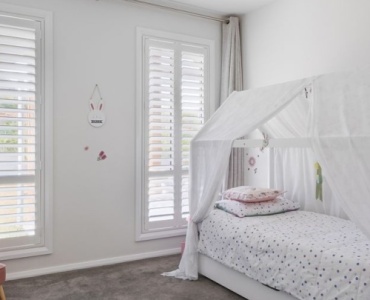
- Interior shading: Cellular shades, reflective back shades, and lined curtains reduce gain; close during sunny hours.
- Low-E films and solar screens: Retrofit films and mesh screens lower SHGC (solar heat gain coefficient) on existing windows.
- Upgrade strategically: If replacing windows, choose low-SHGC, double or triple glazing appropriate for your climate; look for ENERGY STAR or regional equivalents.
Insulation and attic strategies
- Attic insulation: Top up to recommended R-values for your region. This reduces conductive heat into living spaces.
- Radiant barriers: In hot climates, radiant barriers on rafters can lower attic temperatures significantly.
- Attic ventilation: Ensure soffit and ridge vents are clear to exhaust superheated air; consider solar or thermostatic attic fans if passive flow is inadequate.
Air sealing
- Weatherstripping doors and windows stops hot drafts.
- Seal penetrations around plumbing, wiring, and recessed lights with caulk or foam.
- Duct sealing: Leaky ducts can waste 20–30% of cooling. Seal with mastic and insulate ducts in attics, garages, or crawlspaces.
When you block heat and leaks, your AC runs less, cycles more gently, and lasts longer.
Reduce Internal Heat Gains
Every watt that becomes heat indoors is another watt your AC must remove. Tackle household sources proactively to advance your goal of how to reduce summer energy consumption.
- Cook cool: Favor microwaves, pressure cookers, air fryers, or outdoor grills. If using the oven, batch cook at night.
- Laundry and drying: Wash in cold, use high spin, and line-dry when possible. Run dryers during cooler times and vent them outdoors.
- Dishwashers: Use eco cycles and air-dry options; run after sunset.
- Lighting: Replace incandescents and halogens with LEDs that emit far less heat and use up to 80–90% less power.
- Electronics: Consolidate and power down idle devices; use smart strips to eliminate standby power.
- Water heating: Lower setpoint to 49–52 °C where safe; insulate hot water pipes; fix dripping hot taps.
Get More From Your AC: Maintenance, Settings, and Upgrades
A tuned system uses less energy, cools better, and lasts longer. A few targeted steps can significantly improve efficiency and help with how to reduce summer energy consumption.
Essential maintenance
- Filters: Check monthly, replace as needed. Choose MERV 8–11 for a balance of airflow and filtration unless the manufacturer specifies otherwise.
- Coils and fins: Clean evaporator and condenser coils annually; straighten bent fins to restore airflow.
- Condensate drains: Clear clogs to prevent moisture issues and maintain dehumidification performance.
- Refrigerant charge: Have a pro verify correct charge; under or overcharge hurts efficiency and capacity.
- Airflow and static pressure: Ensure return and supply vents are unblocked; technicians can measure and correct restrictions.
Ductwork and distribution
- Seal and insulate ducts, especially in unconditioned spaces. Use mastic, not duct tape, for lasting seals.
- Balance the system: Adjust dampers so rooms cool evenly, reducing thermostat overcompensation.
Right-size and upgrade when it is time
- Proper sizing: Oversized units short-cycle, reduce dehumidification, and waste energy. A Manual J or equivalent load calculation ensures the right capacity.
- Higher SEER and variable-speed: Modern heat pumps and ACs with high SEER2 ratings and variable-speed compressors modulate output for better comfort and efficiency.
- Zoned mini-splits: Excellent for additions, home offices, or rooms that are hard to cool; cool only the spaces you occupy.
If your system is more than 12–15 years old, an upgrade can cut cooling energy by 20–40% depending on the baseline and installation quality.
Dehumidification: Why Dry Air Feels Cooler
Humidity can make a 25 °C room feel muggy. Reducing moisture lets you raise the thermostat without losing comfort.
- Use a standalone dehumidifier in basements or humid spaces. Place the unit where airflow is unobstructed and drain continuously if possible.
- Ventilate moisture sources: Run bathroom and kitchen exhausts during and after use.
- Fix bulk moisture: Address leaks, foundation seepage, or poor grading that increases indoor humidity.
Some HVAC systems offer enhanced dehumidification modes or whole-home dehumidifiers that integrate with ducts, improving comfort with modest energy use.
Smart Home and Controls: Automate Your Savings
Automation helps optimize comfort and savings consistently, guiding you on how to reduce summer energy consumption even when life gets busy.
- Smart thermostats adjust for occupancy, weather, and tariffs; many support demand response incentives.
- Connected plugs and power strips kill standby loads and schedule heat-making devices to off-peak hours.
- Window and shade automation closes blinds during sunny periods and opens at night for safe night flushing when outdoor air permits.
- Sensors for temperature, humidity, and CO₂ help validate comfort and ventilation strategies.
Landscaping and Exterior Upgrades
The exterior of your home influences indoor heat gain. Strategic changes on the outside reinforce everything you do inside.
- Shade trees: Plant deciduous trees on west and southwest exposures to block summer sun and allow winter light.
- Reflective roofs: Cool roofing materials reflect more solar energy and lower attic temperatures.
- Light-colored exteriors: High-albedo paints reduce heat absorption on walls.
- Pergolas and trellises with vines provide seasonal shading.
- Exterior blinds and shutters: Stop heat before it hits the glass for maximum impact.
Time-of-Use, Pre-Cooling, and Peak-Shaving
If your utility has time-varying rates, how to reduce summer energy consumption is also about when you use energy.
- Pre-cool the home in the morning when rates and outdoor temps are lower; let temps drift up slightly in the late afternoon.
- Shift loads: Laundry, dishwashing, EV charging, and water heating to off-peak windows.
- Demand response: Enroll in utility programs that briefly adjust your thermostat during grid peaks in exchange for bill credits.
Renters vs. Homeowners: Tailor Your Approach
Best bets for renters
- Plug-in solutions: fans, portable dehumidifiers, smart plugs, and efficient window or portable ACs sized correctly.
- Soft upgrades: blackout curtains, cellular shades, draft stoppers, and LED bulbs.
- Habits: thermostat discipline, night flushing where safe, and cooking outside when possible.
Best bets for homeowners
- Envelope upgrades: insulation, air sealing, window films, solar screens, and exterior shading.
- HVAC improvements: duct sealing, right-sizing, variable-speed equipment, and zoned mini-splits.
- Site changes: shade trees, cool roofs, and awnings.
Cost, Payback, and a Simple Savings Math
Not every tactic costs the same or saves the same. Prioritize measures with strong returns and bundle actions for compounding results.
- No-cost and low-cost (filters, shading, setpoints, fans): often 10–25% cooling savings within days.
- Moderate cost (window films, duct sealing, attic insulation top-ups): payback commonly in 2–5 summers.
- Higher cost (HVAC upgrades, new windows, cool roofs): larger savings and comfort gains; best timed with end-of-life replacements.
Example rough math: If your summer electricity use is 1,200 kWh per month for three peak months and your blended rate is 0.20 per kWh, a 20% reduction saves about 72 dollars per month, or 216 dollars across the season. Stack envelope improvements with smart scheduling and fan use, and 25–35% savings is within reach for many homes.
Common Myths, Busted
- Myth: Closing vents in unused rooms saves energy. Reality: It often increases duct pressure and leakage, reducing efficiency and comfort. Better to use zoning or a mini-split.
- Myth: Cranking the thermostat to a very low setting cools faster. Reality: Cooling rate is limited by system capacity; you just overshoot and waste energy.
- Myth: Fans cool rooms. Reality: Fans cool people by moving air; turn them off when you leave.
- Myth: Bigger AC means better comfort. Reality: Oversized units short-cycle and dehumidify poorly.
Room-by-Room Checklist
Use this quick checklist to put how to reduce summer energy consumption into action throughout your home.
Living areas
- Set fans counterclockwise; use on low to medium with a 25–26 °C thermostat setting.
- Close shades on sun-exposed windows during the day; open at night for safe ventilation if outdoor conditions allow.
- Seal window and door drafts; keep supply and return vents unblocked.
Kitchen
- Cook with microwave, pressure cooker, or outdoor grill; run the hood vent when using the stove.
- Use dishwasher eco cycles after sunset; air-dry dishes.
- Unplug rarely used gadgets; use a smart strip for small appliances.
Bedrooms
- Use ceiling or pedestal fans for nighttime comfort; light bedding; breathable fabrics.
- Program slight setpoint increases and rely on fans to maintain comfort.
- Block early morning sun with blackout or cellular shades.
Bathroom and laundry
- Vent showers outdoors to control humidity; fix exhaust fans so they move adequate air.
- Wash in cold; run dryers off-peak; line-dry when possible.
Attic, basement, and mechanical areas
- Top up attic insulation; verify clear soffit and ridge vents; check for radiant barrier in hot climates.
- Seal and insulate ducts; replace filters; schedule coil cleaning.
- Seal rim joists and penetrations to cut infiltration.
Fine-Tuning for Different Climates
Hot-dry climates
- Evaporative coolers can be highly efficient; whole-house fans work well on cool nights.
- Focus on exterior shading, light-reflective roofs, and night flushing strategies.
Hot-humid climates
- Prioritize dehumidification, air sealing, and duct integrity to avoid drawing in moist air.
- Run kitchen and bath exhausts; consider variable-speed systems with enhanced moisture control.
Mild coastal climates
- Use natural ventilation and fans most days; AC only during heat waves.
- Smart shading and window films limit afternoon spikes.
Frequently Asked Questions
What is the single most effective step?
There is no single silver bullet, but combining tight envelope measures (shading, insulation, and air sealing) with smart thermostat control and fan use consistently delivers the best results.
How high can I set my thermostat and still feel comfortable?
Many households are comfortable at 25–26 °C with ceiling fans. Try nudging up the setpoint 1 °C at a time to find your balance.
Are smart thermostats really worth it?
In most homes, yes. Automation, occupancy detection, and time-of-use optimization together can cut cooling energy by 5–15% with little effort.
What about air purifiers and comfort?
HEPA purifiers help air quality but add a small heat load from the motor. Use efficient models and run them on lower speeds when possible.
Do window films damage windows?
Quality, manufacturer-approved films installed correctly are safe for most glass types and often carry warranties. Always match film to glass specifications.
Your 30-Day Plan to Cut Summer Cooling Costs
Put everything together with a focused month of action that makes a lasting dent in your bill and shows you how to reduce summer energy consumption methodically.
- Week 1: Replace filters, program thermostat, set ceiling fans, close daytime shades, and shift heat-making chores to off-peak hours.
- Week 2: Seal accessible leaks, weatherstrip doors, install window films or solar screens on the worst offenders, and calibrate your thermostat.
- Week 3: Clean coils, clear condensate drain, balance vents, and add or adjust attic ventilation as needed.
- Week 4: Plan medium-term upgrades: attic insulation top-up, duct sealing, exterior shading, or a variable-speed HVAC when replacement time arrives.
Bringing It All Home
The best approach to staying cool for less is layered: stop heat from entering, reduce internal heat, and make your cooling system work smarter, not harder. With the tactics above, you have a clear, practical roadmap for how to reduce summer energy consumption while keeping your home comfortable all season long. Start with quick wins today, line up the bigger upgrades over time, and enjoy lower bills and better comfort every summer from here on out.