If you have ever walked into a room and felt instantly at ease—surrounded by eclectic treasures, handwoven textiles, worn woods, lush plants, and a relaxed glow—there is a good chance you were experiencing the irresistible pull of bohemian decorating. This is design that celebrates the imperfect, the handmade, and the heartfelt. In the pages ahead, we will unravel the essence of a free-spirited interior, translating Boho style–key characteristics into a practical, modern roadmap for your home. Along the way, you will learn how to layer textures, curate color with confidence, and shape an ambiance that welcomes spontaneity while still feeling intentionally put together.
What Bohemian Style Means Today
Classic bohemian aesthetics sprang from creativity and counterculture movements—artists, writers, and global wanderers mixing souvenirs and secondhand finds in ways that prized individuality over rules. Today, the spirit is similar, but the approach is more edited. You can keep the soulful layering, handmade details, and global inspiration while embracing everyday livability. The result is a home that feels collected rather than cluttered, with comfort as the north star.
That refined spontaneity is where Boho style–key characteristics truly shine: a fearless mix of patterns, patina-rich finishes, relaxed silhouettes, botanical energy, and meaningful objects with stories attached. When done well, it looks effortless—even when every layer has been thoughtfully considered.
Boho Style–Key Characteristics at a Glance
Before we dive deep, here is a quick snapshot of Boho style–key characteristics that will guide your decisions:
- Layered textures: natural fibers, nubby weaves, fringe, tassels, and soft knits.
- Pattern play: global-inspired motifs, artisan prints, and artful scale mixing.
- Collected furnishings: vintage, handcrafted, and upcycled pieces with patina.
- Earthy-meets-vibrant palette: grounded neutrals lifted by jewel tones or sun-baked hues.
- Biophilic elements: abundant plants, natural light, and organic silhouettes.
- Personal storytelling: travel mementos, art, and craft-focused decor with heart.
Keep these markers top of mind as we map out each space. They are the compass points of a cohesive, free-spirited home.
Signature Elements That Define the Look
1) Harmonious Layering That Invites Touch
Layering is the heartbeat of bohemian interiors. Start with a calm foundation—substantial rugs, textured neutrals, and warm woods—then build comfort and character through throws, pillows, and textiles. Think of each layer as a verse in a song: individually beautiful, but transcendent together. Among Boho style–key characteristics, tactile richness might be the one you feel first underfoot and at your fingertips.
- Anchor with a rug: a hand-knotted, flat-woven kilim or a chunky jute adds grit and warmth.
- Add a plush landing: layer a small wool or shag over the anchor rug for softness and contrast.
- Pile on textiles: linen, cotton, mudcloth, kantha quilts, and embroidered cushions encourage lounging.
2) Global Patterns with a Modern Pause
Pattern is a storytelling tool—ikat from Southeast Asia, suzani from Central Asia, African mudcloth, Moroccan zellige inspiration, and Turkish kilims. The magic lies in how you combine them. Use scale and color to keep the mix musical, not noisy. Let one bold hero pattern lead, then support it with medium-scale and small-scale motifs. This calibrated mix captures Boho style–key characteristics without visual chaos.
3) Vintage, Upcycled, and Artisan-Made Pieces
Boho loves objects with past lives. A mid-century credenza with new cane fronts, a rustic bench with dings and dents, artisan ceramics with finger-pressed glazes—these pieces radiate soul. If you are buying new, prioritize handmade details, fair-trade sourcing, and natural materials. Sustainability is not just a trend here; it is a value embedded in the aesthetic.
4) Plants as Architecture
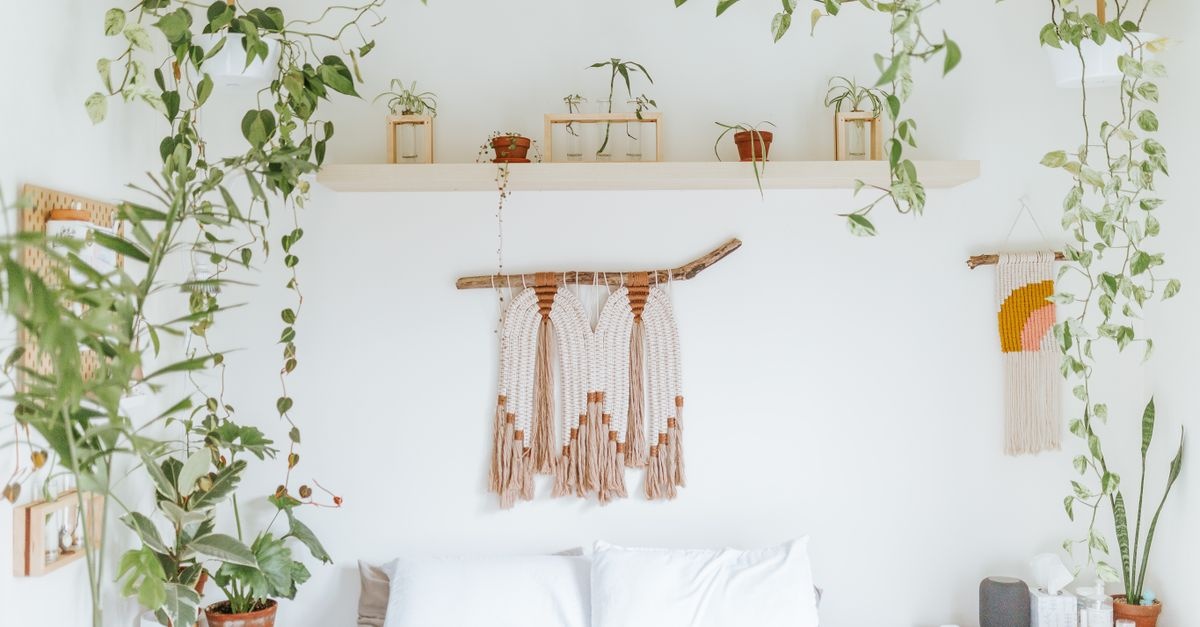
Greenery softens corners, cleans the air, and establishes the organic flow essential to the look. Use plants at multiple heights: trailing pothos on shelves, sculptural monstera by a sofa, string-of-pearls in a window, and a cluster of cacti by the entry. The living layer beautifully reinforces Boho style–key characteristics while calming busy prints with steady green.
Textures That Tell a Story
If color is the mood and pattern is the conversation, texture is the undertone that makes everything feel grounded. The tactile dimension is a defining part of Boho style–key characteristics, creating the sensory depth that makes a room feel relaxed and inviting.
Natural Fibers: Rattan, Cane, Jute, and Sisal
These materials deliver breathability and a dose of nature indoors. Rattan chairs and cane-front cabinets feel airy; jute and sisal rugs offer durable, organic texture underfoot. Mix in rough-hewn woods or reclaimed beams to introduce rugged counterpoints to the more refined weaves.
- Contrast matters: pair smooth leather with a nubby jute pouf; place a glossy ceramic on a raw wood stool.
- Vary the weave: tight-cane panels next to loose macramé, braided jute beside flat-weave cotton.
Textiles with a Hand
Prioritize fabrics that show the maker’s touch—block-printed linens, hand-embroidered pillows, batik, and quilts with visible stitching. The irregularities are not flaws; they are the lifeblood of the look. In the realm of Boho style–key characteristics, these variations distinguish soulful from generic.
Macramé, Fringe, and Tassels
A little goes a long way. A single macramé wall hanging, fringed throw, or tasseled pillow adds playful movement. Balance these with tailored elements (a crisp sofa slipcover, clean-lined lamp) to keep the aesthetic grounded rather than costume-like.
Handmade Ceramics and Wabi-Sabi Surfaces
Think matte glazes, visible throwing rings, and organic silhouettes. Pair them with plaster or limewash walls, where subtle variation and shadow add a soft, timeless patina.
The Art of Color Play
Color in bohemian spaces is generous but intentional. The trick is to anchor intensity with earthiness so the palette feels spirited, not chaotic. This is one of the most practical Boho style–key characteristics to master, because a cohesive palette steadies all the layering elsewhere.
Start with a Grounded Base
Begin with warm neutrals: oat, sand, mushroom, terracotta, camel, and creamy whites. These tones soothe the eye and give vibrant hues a canvas to pop against. Wood species like oak, teak, or walnut deepen the baseline.
Layer Jewel Tones and Sun-Baked Shades
Add emerald, indigo, garnet, and amethyst for drama; or reach for saffron, paprika, turmeric, and clay for a sun-washed Mediterranean mood. Use one family for consistency, then echo it in small doses across the room.
- One hero color: pick a dominant accent (say, indigo) and repeat it in 3–5 places.
- Bridge colors: introduce a multi-hued textile that includes your hero color and a few supporting tones.
- Metallics as seasoning: antique brass, aged gold, or warm bronze add glow without stealing the show.
Black, White, and Negative Space
Strategic black (thin lamp frames, picture rails, small tables) outlines the softness; white space offers breathing room between patterns. Both are essential to keep your palette lively yet composed.
Mixing Patterns with Confidence
Pattern mixing looks effortless when the underlying structure is clear. Among Boho style–key characteristics, pattern fluency separates busy from beautiful.
- Rule of scale: combine one large motif (e.g., a bold rug), one medium (pillows), and one small (throw or art) to avoid visual competition.
- Color connectors: repeat one unifying hue across patterns to knit them together.
- Texture as buffer: insert solid, textured pieces between busy prints to reset the eye.
- Motif variety: mix geometrics, botanicals, and tribal-inspired patterns so the room feels curated, not themed.
Furniture and Layout: Relaxed, Not Random
Furniture in bohemian spaces feels approachable, low-slung, and people-first. Here is how to lay it out so casual reads as intentional.
Low Seating and Lounge Zones
Floor cushions, poufs, daybeds, and deep sofas encourage sprawling. Layer a kilim underfoot with a plush accent rug to zone conversation areas. This welcoming flexibility is central to Boho style–key characteristics, signaling that the space is meant to be lived in, not merely looked at.
Mix-and-Match, But Edit
Yes, your coffee table can be vintage teak with a rattan chair and a modern linen sofa. To keep cohesion, repeat key materials or tones across the room. If your chair has cane, echo cane in a media cabinet door; if your coffee table is walnut, repeat walnut in a picture frame or lamp base.
Function with Soul
Choose pieces that do double duty: a carved chest as a coffee table (storage for throws), a bench that hosts baskets of toys, a bar cart that becomes a plant stand by day. Utility woven with artistry is a smart way to embody Boho style–key characteristics in small spaces.
Lighting and Atmosphere
Light is the invisible texture that makes bohemian rooms glow. Layer sources at different heights so the room feels dimensional and calm at night.
- Ambient: paper lanterns, woven pendants, or frosted globes for soft wash.
- Task: swing-arm sconces, articulated table lamps by reading chairs.
- Accent: string lights, candles in ceramic holders, and uplights behind plants for shadows and drama.
A warm temperature (2700–3000K) flatters skin and textiles. Combined with plants and textured finishes, this glow synthesizes Boho style–key characteristics into a soothing evening ritual.
Art, Artifacts, and Storytelling
What transforms layered materials into a living narrative is the personal layer—art you love, pieces from your travels, inherited items. Instead of a single gallery wall, consider vignettes: a vintage mirror over a console with a ceramic lamp and a small sculpture, or a shelf styled with books, a woven bowl, and framed textiles. These curated moments embed your values in the space.
Plants and Biophilic Anchors
Plants do more than decorate; they set the tempo. A cluster of varied species adds rhythm, and a single sculptural tree (fiddle-leaf fig, olive, or rubber plant) becomes a focal point. This living dimension is one of the unmistakable Boho style–key characteristics that balances handcrafted density with organic ease.
- Scale play: mix tabletop succulents, medium ferns on stools, and a large tree in a basket.
- Texture echo: choose woven planters, terra-cotta, or handmade ceramics to tie back to textiles and woods.
- Light choreography: place light-loving varieties near windows and shade-tolerant ones to fill darker corners.
Sustainable and Ethical Foundations
Boho’s love of artisan craft dovetails with slow, responsible design. Seek out fair-trade textiles, FSC-certified woods, recycled metals, and vintage or upcycled finds. These choices are not just trendy; they are timeless, reinforcing Boho style–key characteristics with integrity.
Room-by-Room Guide
Living Room
Start with a comfortable, neutral sofa as a base. Add a handwoven rug with a medium-to-large motif, then layer pillows in two supporting prints and one solid texture. Bring in a rattan accent chair for airiness and a carved wood coffee table for grounding. Finish with a floor plant, a woven pendant, and a low, artful arrangement on a tray.
- Pro move: repeat a single indigo or terracotta accent three times (throw, vase, book spine stack) for cohesion.
Bedroom
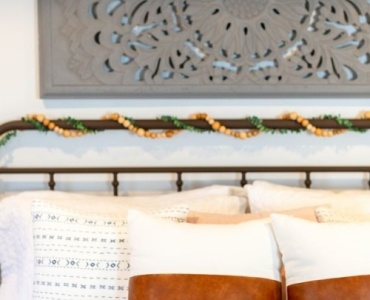
Think cocoon. A linen duvet in a warm neutral, quilted coverlet for pattern, and a kilim runner by the bed. Cane-front nightstands, a woven bench at the foot, and a sculptural table lamp create tactile calm. A macramé wall hanging or framed textile softens the headboard wall without overwhelming it.
Dining and Kitchen
In the dining area, pair a warm wood table with a collected mix of chairs—wishbone, vintage spindle, or upholstered seats in a simple textured fabric. Overhead, choose a woven or paper lantern pendant to lower the visual ceiling and add glow. In the kitchen, open shelving with handmade ceramics and a patterned runner inject character without renovation.
Bathroom
Layer soft towels in earthy hues, add a vintage rug for visual warmth, and style a tray with a small plant and artisan soap dish. Brass or bronze hardware adds instant patina; a rattan mirror bridges to other rooms.
Entryway
Welcome starts here: a slim console with a woven basket below, a narrow runner, a plant on a pedestal, and a sculptural hook rail for hats and bags. A small, layered vignette sets the tone for the rest of the home.
Outdoor Nooks
Translate the vibe outside with weather-safe textiles, lanterns, and low seating. A cluster of terracotta pots and a jute-look rug under a pergola blurs the line between interior and garden.
Seasonal Refresh Without Repainting
Boho’s layered foundation makes quick updates easy. Swap pillow covers for warmer or cooler palettes as seasons change, rotate throws from light linen to chunky knits, and trade a few ceramics for glass in summer. This nimble approach keeps the home feeling alive while honoring core Boho style–key characteristics year-round.
Common Pitfalls and How to Fix Them
- Clutter creep: when everything is special, nothing is. Group like items into vignettes and give them space to breathe.
- Color chaos: if the room feels loud, dial back to one hero hue and expand your neutral base.
- Pattern overload: edit to three scales (large, medium, small) and add solid textures between prints.
- Theme trap: avoid going all-in on a single motif; mix eras, geographies, and crafts for a collected, not costumed, feel.
- All-new everything: boho thrives on patina—fold in vintage or handmade pieces to avoid a catalog look.
Budget-Conscious, High-Impact Moves
- Textile swap: new pillow covers and a throw transform a sofa for far less than replacing furniture.
- Rug layering: place a smaller vintage rug over an affordable jute base for depth and savings.
- Thrift and refinish: sand and oil a secondhand wood table; add cane webbing to refresh a cabinet.
- DIY lighting: a paper lantern with a warm bulb delivers instant mood at minimal cost.
- Greenery: propagate cuttings, use terracotta, and cluster plants for visual impact.
A Practical Checklist to Get You Started
- Choose a grounded neutral base (walls, sofa, large rug).
- Pick a hero color and echo it 3–5 times.
- Layer three patterns in varied scales.
- Anchor with natural fibers (rattan, cane, jute).
- Add two to three handcrafted pieces (ceramics, textiles, art).
- Create one plant cluster and one sculptural plant.
- Install layered lighting: ambient, task, and accent.
- Edit into vignettes and leave white space between collections.
Pulling It All Together
When people talk about Boho style–key characteristics, they often start with pattern and color—and for good reason. Yet the real magic of a free-spirited home emerges from harmony: the way textiles talk to woods, how plants soften edges, how light grazes a hand-thrown vase, and how your personal artifacts anchor the whole story.
As you experiment, remember that restraint can be just as bohemian as abundance. A thoughtful edit lets individual pieces sing. Let one object with real soul lead a vignette; let a beloved textile set the palette. This is not about perfection; it is about presence. When the materials, colors, and textures you choose reflect your life, you will find you have captured the heart of Boho style–key characteristics without counting a single trend.
Frequently Asked Questions
How do I keep the look from feeling messy?
Limit the number of focal points in any view. Use neutral bases, repeat anchor colors, and separate busy patterns with solid textures. Curate collections into tight vignettes and give them room to breathe.
Can I blend bohemian with modern minimalism?
Absolutely. Pair a clean-lined sofa and white walls with a single patterned rug, a few artisan ceramics, and a restrained plant palette. Fewer, better pieces still honor core Boho style–key characteristics while staying minimalist.
What are the easiest updates if I rent?
Textiles, lighting, plants, and removable wallpaper or peel-and-stick tiles. Layer rugs, swap lamp shades, and hang art with damage-free hardware to build personality without permanent changes.
Which materials feel most authentic?
Natural fibers (linen, cotton, wool, jute), wood with visible grain, cane and rattan, handmade ceramics, and metals with warm patina. Prioritize artisan-made and fair-trade pieces when possible.
Final Word
Bohemian design is a feeling as much as a formula: a sense of welcome, curiosity, and calm. Focus on layered textures, a grounded palette, meaningful objects, and the glow of warm light. Let your space evolve as you do. In practicing these principles, you are not just decorating—you are composing a lived-in work of art where the Boho style–key characteristics become the background music to everyday life.