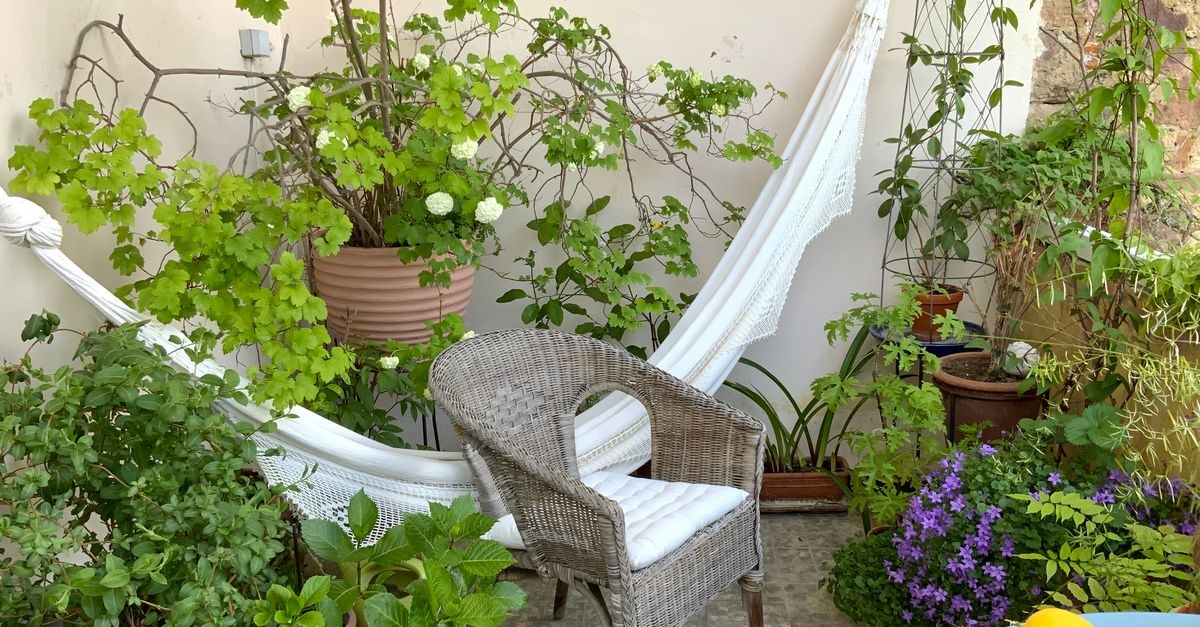
Think a dim, north-facing balcony is doomed to be dull? Think again. With the right palette of texture-rich foliage, luminous blooms, and a few design tricks, even a low-light perch can transform into an extraordinary urban oasis. This guide distills proven ideas, plant lists, and care routines for modern container gardeners seeking shade-loving plants for balcony pots that genuinely perform. From spillers that cascade like green waterfalls to compact shrubs that anchor a small space, you will learn how to fill planters with drama, longevity, and ease.
Why Shade Is Secretly Wonderful
Shade is not a limitation; it is a canvas that rewards subtlety and style. In lower light, foliage colors deepen, textures feel velvety, and flowers often last longer. Many balcony dwellers also discover practical benefits when they focus on shade tolerant container plants.
- Cooler roots and longer bloom windows: Containers in shade typically dry out more slowly, giving you more leeway with watering and less heat stress on roots.
- Elegant color palettes: In shade, silvers, chartreuse, lime, and white glow. Dark-leaved plants hold their pigment and contrast beautifully with brighter tones.
- Less scorching and fewer crisps: Leaves are less prone to sunscald, so textures and variegations stay sharp and showy.
- Wildlife-friendly: Many shade plants, such as fuchsias and hydrangeas, feed pollinators when sited out of harsh midday rays.
Know Your Shade: Light Levels And Microclimates
All shade is not the same. The more precisely you understand your light, the easier it is to match plants and get lush results. Use your phone to note sun exposure by hour for a week, then categorize your space.
Types of shade on balconies
- Deep shade: No direct sun; only ambient or reflected light. Ideal for ferns, hostas in cooler zones, and bold foliage stars like heuchera and rex begonias.
- Full shade: Less than 2 hours of direct sun. Great for impatiens, skimmia, and many woodland-esque perennials.
- Partial shade: 2–4 hours of gentle morning or late-afternoon sun. Perfect for fuchsias, New Guinea impatiens, coleus, and compact hydrangeas.
- Dappled shade: Light filtered through railings, trees, or architectural features. Works for a wide range of low-light plants for containers.
Microclimates that matter
- Orientation: North-facing balconies usually mean steady shade; east-facing gets gentle morning light; west-facing can be bright but late.
- Height and wind: Upper floors can be windier, which increases evaporation even in low light. Choose sturdier foliage or add windbreaks.
- Reflective surfaces: Pale walls, glass, and adjacent buildings bounce light back to plants; dark railings can absorb heat.
- Overhangs and screens: Roofs or pergolas change rainfall and light patterns, affecting watering and plant selection.
Containers And Potting Mix: The Foundation For Success
Successful balcony shade gardens start with containers and medium. Shade slows evaporation, so aim for balance: fast drainage with steady moisture retention.
- Use quality potting mix: Choose a peat-free or peat-reduced blend designed for containers, enriched with compost and perlite for airiness.
- Drainage is non-negotiable: Ensure pots have holes. Elevate containers on feet to prevent waterlogging and reduce pests.
- Moisture management: Mix in fine bark or coco coir to hold moisture evenly; add perlite or pumice to avoid sogginess.
- Right pot size: Bigger volume buffers moisture swings. Consider self-watering or reservoir planters for consistent hydration.
- Mulch the top: A 1–2 cm layer of decorative gravel, compost fines, or shredded bark reduces splash and fungus gnats.
Designing For Impact In The Shade
Low light calls for texture-forward designs and clever composition. Two principles keep pots striking from spring to frost: contrast and structure.
The thriller–filler–spiller formula, reimagined for shade
- Thriller: A vertical focal point such as dwarf hydrangea, cordyline for partial shade, or a tall fern.
- Filler: Medium-height plants with luxe foliage or steady blooms — coleus, heuchera, impatiens, rex begonias.
- Spiller: Cascading accents like ivy, creeping jenny, bacopa, or lamium to soften edges and create movement.
Color and texture strategies
- Light up the dark: White, blush, and pastel flowers glow in shade. Variegated leaves act like built-in lanterns.
- Go bold with foliage: Chartreuse coleus, silver brunnera, and purple heuchera deliver four-season drama in milder climates.
- Repeat colors: Echo one hue across pots — for example, lime foliage repeated in fillers and spillers — for cohesion.
- Texture layering: Pair coarse hosta leaves with feathery ferns and dainty lamium for tactile richness.
Best Shade-Tolerant Plants For Balcony Pots
Below is a curated, field-tested list of winners for dim balconies. These shade-loving container plants span foliage, flowers, shrubs, edibles, and vines so you can build a resilient, four-season composition. If you are searching specifically for shade-loving plants for balcony pots, start here and mix for texture, height, and continuity.
Foliage Superstars
Heuchera, also called Coral Bells
Ruffled leaves in maroon, caramel, lime, or near-black make heuchera a cornerstone for low-light containers. Many varieties tolerate partial to full shade and keep tidy mounded forms. Tiny wands of flowers appear in late spring or summer, but foliage is the headliner. Use them as fillers around a compact shrub thriller or mass them in window boxes for a luxe look.
- Light: Partial shade to full shade
- Water: Even moisture; avoid waterlogging
- Pro tip: Combine lime heuchera with purple coleus and silver brunnera for instant contrast
Coleus
Modern coleus cultivars produce vibrant patterned foliage that can handle partial shade beautifully. Choose compact selections for windy balconies, and pinch tips to keep them bushy. In cooler, bright shade, their colors are at their richest.
- Light: Partial shade; protect from harsh afternoon sun
- Water: Consistent moisture; do not let them wilt repeatedly
- Pro tip: Pair chartreuse coleus with wine-red heuchera for a jewel-box effect
Hosta in pots
Beloved for their lush, architectural leaves, hostas are more container-friendly than most gardeners realize, especially on shady balconies where slugs are fewer. Choose medium or small-leafed varieties for planters, and site them away from desiccating winds.
- Light: Full to partial shade
- Water: Even moisture; excellent drainage is crucial
- Pro tip: Mix hosta with ferns and lamium for a woodland-in-a-pot composition
Ferns
From the luminous Japanese painted fern to classic Boston and delicate maidenhair, ferns bring feathery elegance to low-light corners. They thrive in humid, sheltered balconies and adore consistently moist, well-aerated media.
- Light: Full shade to dappled light
- Water: Keep evenly moist; avoid letting them dry out fully
- Pro tip: Use as thrillers in hanging baskets of shade, underplant with ivy as a spiller
Caladium
When you want flamboyant foliage, caladium delivers heart-shaped leaves splashed with white, pink, and red that illuminate even dingy corners. Treat them as summer annuals in cool climates and bring bulbs indoors to overwinter if desired.
- Light: Bright shade to partial shade
- Water: Regular moisture, never soggy
- Pro tip: White-leaved caladiums are perfect for night-time balcony ambience
Oxalis, also called shamrock
Triangular leaves in purple or green and delicate blooms offer constant movement and charm. Compact, tidy, and well-suited for table planters or nestled at the feet of taller plants.
- Light: Bright shade to partial shade
- Water: Let the top inch of media dry between waterings
- Pro tip: Combine purple oxalis with silver dichondra for contemporary contrast
Sweet potato vine, Ipomoea batatas
Famed for fast, trailing growth and chartreuse or purple foliage, this spiller handles partial shade gracefully. Give it room to cascade for dramatic edges.
- Light: Partial shade to partial sun
- Water: Consistent moisture
- Pro tip: Use restrained, compact cultivars in tight spaces
Flower Power In The Shade
Begonias
From tuberous to waxing and rex types, begonias are MVPs for balcony shade gardens. Tuberous begonias bring glamorous, rose-like blooms; wax begonias offer nonstop color; rex begonias deliver knockout foliage. They tolerate bright shade and reward steady care with months of beauty.
- Light: Partial to full shade
- Water: Even moisture; allow the top layer to dry slightly
- Pro tip: Mix salmon tuberous begonias with lime coleus and white bacopa for glow
Impatiens
Classic impatiens shine in deep shade with vibrant blooms that carpet containers for months. New Guinea impatiens prefer a touch more light and deliver larger flowers with glossy foliage.
- Light: Full shade to partial shade
- Water: Regular moisture, protect from droughty winds
- Pro tip: Alternate pink impatiens with white for a brightening, checkerboard effect
Fuchsia
Elegant pendulous flowers in jewel tones are magnets for hummingbirds where present. Perfect for hanging baskets on shaded verandas or balconies, especially with light morning sun.
- Light: Partial shade; avoid hot afternoons
- Water: Moist yet free-draining media; avoid extreme dryness
- Pro tip: Deadhead spent blooms to extend flowering
Hydrangea, dwarf varieties
Compact hydrangeas anchor containers with woody structure and showy blooms. Choose smaller cultivars for pots, and pair with spillers that cool the soil surface.
- Light: Partial shade; morning sun is ideal
- Water: Deep, regular watering, especially in summer
- Pro tip: Use a 30–40 cm diameter pot minimum; mulch to maintain moisture
Astilbe
Feathery plumes and ferny foliage combine for airy romantic containers. Astilbe thrives in cool, moist shade and offers late-spring to early-summer drama.
- Light: Full to partial shade
- Water: Consistently moist; do not let dry out
- Pro tip: Plant near a water source or in self-watering planters
Hellebores
With leathery evergreen foliage and early blooms, hellebores provide winter to spring continuity in mild climates. In containers, they act as structural anchors around which seasonal color can rotate.
- Light: Partial to full shade
- Water: Moderate; excellent drainage needed
- Pro tip: Underplant with ivy for a year-round duo
Compact Shrubs And Evergreens
Boxwood
Classic structure and year-round greenery make boxwood a go-to thriller in shade tolerant container gardens. Choose dwarf forms for tight spaces and clip lightly for shape.
- Light: Partial shade to bright shade
- Water: Even moisture with excellent drainage
- Pro tip: Pair with cascading lamium and heuchera for formal contrast
Skimmia
Fragrant spring flowers, glossy leaves, and showy red berries on female plants make skimmia a superb balcony evergreen in cool climates. It thrives in shaded, sheltered spots.
- Light: Full to partial shade
- Water: Moist, humus-rich media
- Pro tip: Plant a male and female for berries, space permitting
Nandina domestica, Fire Power
Compact, colorful foliage that shifts with the seasons. This nandina cultivar stays small and tolerates partial shade, adding warm red-orange tones in cooler weather.
- Light: Partial shade
- Water: Moderate; well-drained mix
- Pro tip: Echo nandina reds with burgundy heuchera
Pieris and Sarcococca
Pieris adds showy spring bells and bold leaves; sarcococca, or sweet box, perfumes late winter air. Both prefer shade and bring multi-season interest to container clusters.
- Light: Partial to full shade
- Water: Consistent moisture; good drainage
- Pro tip: Combine with hellebores for a winter-to-spring handoff
Herbs And Edibles For Dim Balconies
Herbs that tolerate shade
While many culinary herbs love sun, several thrive in shade or bright indirect light, making them excellent for container gardening in the shade.
- Mint: Vigorous, aromatic, and shade-hardy; best in its own pot
- Parsley: Lush leaves in partial shade; steady harvests
- Chives: Tolerant of part shade; edible flowers add zest
- Cilantro: Prefers cool conditions; shade delays bolting
- Sorrel: Zesty leaves; colorful varieties like red-veined pop in dim light
Leafy greens in low light
Lettuces, spinach, arugula, and baby kale actually prefer cooler conditions and can yield beautifully in partial shade, especially through spring and fall. Use wide, shallow planters for cut-and-come-again harvests.
- Light: Partial shade; 2–4 hours of gentle sun is ideal
- Water: Even moisture and rich, fertile mix
- Pro tip: Succession-sow every 2–3 weeks for a continuous harvest
Alpine strawberries
Alpine types tolerate partial shade and reward patient growers with intensely flavored, petite berries. Their mounded habit is perfect for the front of planters and window boxes.
Vines And Spillers For Shade
- English ivy: Classic evergreen cascader; tolerates deep shade
- Creeping jenny, Lysimachia nummularia: Chartreuse spill that lights up containers
- Lamium: Variegated foliage and small blooms; shade-loving groundcover that spills elegantly
- Bacopa, Sutera cordata: Dainty white or blue flowers; prefers cool, bright shade
- Dichondra, Silver Falls: Silver threads that glow; best in bright shade
Planting Recipes: Turnkey Shade Containers
Use these plug-and-play mixes to jumpstart your balcony design. Each recipe balances height, texture, and all-season interest, perfect for shade-loving plants for balcony pots in compact spaces.
- Woodland glow: Thriller: Japanese painted fern; Fillers: heuchera 'Lime Rickey', brunnera; Spiller: lamium
- Berry and lime cascade: Thriller: dwarf hydrangea; Fillers: lime coleus, pink impatiens; Spiller: creeping jenny
- Monochrome silver: Thriller: hellebore with pewter leaves; Fillers: silver brunnera, dusty miller in bright shade; Spiller: dichondra silver falls
- Evening elegance: Thriller: fuchsia in a tall urn; Fillers: white tuberous begonias, rex begonia; Spiller: white bacopa
- Evergreen backbone: Thriller: boxwood ball; Fillers: heuchera in burgundy tones; Spiller: ivy
- Edible shade bowl: Thriller: parsley clump; Fillers: lettuce mix and sorrel; Spiller: alpine strawberry at the rim
- Autumn ember: Thriller: nandina 'Fire Power'; Fillers: orange-toned coleus; Spiller: dark sweet potato vine
- Minimalist modern: Thriller: tall fern; Fillers: black mondo grass and heuchera caramel; Spiller: creeping jenny
Watering, Feeding, And Care In Low Light
Shaded balconies demand a gentle hand: enough moisture to keep roots happy, not so much that oxygen disappears from the potting mix. Follow these guardrails.
Watering rhythm
- Check before you pour: Press a finger 2–3 cm into the mix. Water when it feels dry at that depth, then water thoroughly until a bit drains.
- Right tool: Use a narrow-spout watering can to target the soil, not foliage, reducing fungal issues.
- Seasonal shifts: In spring and fall, you may water twice a week; in summer heat waves, daily for thirsty annuals; far less in winter for evergreens.
Feeding containers
- Slow and steady: Mix a slow-release, balanced fertilizer into fresh potting media at planting time.
- Liquid boosts: Every 2–4 weeks in the growing season, feed with a dilute liquid fertilizer, especially for heavy bloomers like impatiens and fuchsias.
- Signs of need: Pale foliage, slow growth, or scant blooms signal it is time to feed.
Grooming and pruning
- Deadhead: Remove spent flowers on begonias and fuchsias to encourage waves of new blooms.
- Pinch and shape: Pinch coleus and impatiens tips to keep plants compact and lush.
- Refresh top-dress: Midseason, scrape away 2–3 cm of tired surface mix and top up with fresh compost for a second wind.
Overwintering and seasonal rotation
- Evergreens: Boxwood, hellebores, and sarcococca can overwinter in containers if the pot is insulated from severe freezes.
- Tender stars: Move fuchsias, rex begonias, and caladium bulbs indoors before frost. Alternatively, treat them as annuals for a fresh start each spring.
- Rotation plan: Keep structural plants year-round; rotate seasonal color in the shoulders of spring and fall.
Smart Solutions For Tiny Balconies
Small space is an opportunity to think vertical and curate relentlessly. You can still grow a thrilling collection of shade tolerant container plants that feel abundant.
Vertical gardening
- Tiered stands: Stagger pots at different heights for depth and easy access.
- Wall pockets: Felt or modular planters cradle small ferns, heuchera, and lamium.
- Trellised corners: Train ivy or a shade-tolerant vine on a slim trellis to draw the eye up.
Hanging baskets for shade
- Classic combo: Fuchsias, bacopa, and ivy keep baskets airy and elegant.
- Moisture management: Line baskets with coco fiber and mix in water-holding amendments.
- Wind checks: Choose semi-sheltered spots; water more during gusty spells.
Railing planters and window boxes
- Balanced weight: Use lightweight composite planters; secure brackets rated for load.
- Rhythm planting: Repeat a trio — heuchera, impatiens, and creeping jenny — across the length for a unifying arc.
- Maintenance ease: Choose self-watering inserts for steadier moisture.
Pests, Diseases, And Common Pitfalls
Shade reduces scorch but can invite damp-loving problems. Prevent issues with air, hygiene, and observation.
- Overwatering: The number one culprit. Use pots with drainage and water by feel, not calendar alone.
- Fungus gnats: Let the surface dry, top-dress with grit, and use yellow sticky traps if needed.
- Powdery mildew: Improve airflow, avoid wetting leaves, and space plants sensibly.
- Aphids and whitefly: Rinse with water, introduce beneficials outdoors where possible, and use horticultural soap.
- Windburn: Tuck sensitive plants behind sturdier evergreens or add a mesh screen.
Frequently Asked Questions
How many hours of light do shade container plants need?
Most thrive with 0–4 hours of direct sun, ideally in the morning or filtered through structures. In deep shade, choose foliage-forward stars like ferns, heuchera, and rex begonias.
Can I grow vegetables on a shady balcony?
Yes. Focus on leafy greens such as lettuce, spinach, arugula, and herbs like mint, parsley, and chives. Fruiting crops usually need more sun, but alpine strawberries and some peas can manage in partial shade.
What soil is best for shade containers?
A high-quality, well-aerated potting mix with compost, perlite, and moisture-holding fibers like coco coir. Avoid garden soil, which compacts in pots.
How often should I fertilize in low light?
Blend slow-release granules at planting, then use a dilute liquid feed every 2–4 weeks through the growing season for bloomers and fast foliage plants.
What are the easiest shade plants for beginners?
Impatiens, heuchera, ferns, ivy, and creeping jenny are forgiving, quick to fill space, and adaptable to containers.
What if my balcony is very windy?
Choose tougher, leathery foliage such as hellebores, skimmia, or compact boxwood. Use heavier, squat pots and group containers to create mutual shelter.
How do I keep containers attractive year-round?
Anchor each display with evergreen structure — boxwood, hellebore, sarcococca — then rotate seasonal color like begonias or coleus for summer and cyclamen or ornamental grasses for shoulder seasons in bright shade.
A Seasonal Care Snapshot
- Early spring: Refresh top 2–3 cm of mix, add slow-release feed, prune evergreens lightly.
- Late spring to summer: Plant annuals and tender perennials, set watering rhythm, pinch and deadhead regularly.
- Late summer: Top up nutrients for fall flowerers; check roots and upsize pots if congested.
- Autumn: Swap heat-lovers for cool-season color; mulch and reduce feeding.
- Winter: Water sparingly but do not let evergreens bone-dry; protect pots from freeze-thaw cycles.
Putting It All Together
Shade is not the enemy of beauty; it is the stage on which subtle color, texture, and form bloom brightest. Build each pot around a clear structure, select foliage that glows in low light, and add elegant spillers for motion. With a breathable potting mix, thoughtful watering, and steady, light feeding, your balcony will flourish. Start with a few proven performers from this guide to shade-loving plants for balcony pots, then iterate each season. In a few weeks, that gloomy corner will read lush, polished, and serenely alive.
Quick Reference: Top Picks For Shaded Balconies
- Foliage: Heuchera, coleus, hosta, ferns, caladium, oxalis
- Flowers: Begonias, impatiens, fuchsia, hydrangea, astilbe, hellebores
- Shrubs: Boxwood, skimmia, nandina, pieris, sarcococca
- Edibles: Lettuces, spinach, arugula, mint, parsley, chives, alpine strawberries
- Spillers: Ivy, creeping jenny, lamium, bacopa, dichondra
Choose two or three from each category, stick to a calm palette, and repeat across your planters for a professional, cohesive look. Your journey from gloom to bloom begins with a single pot.