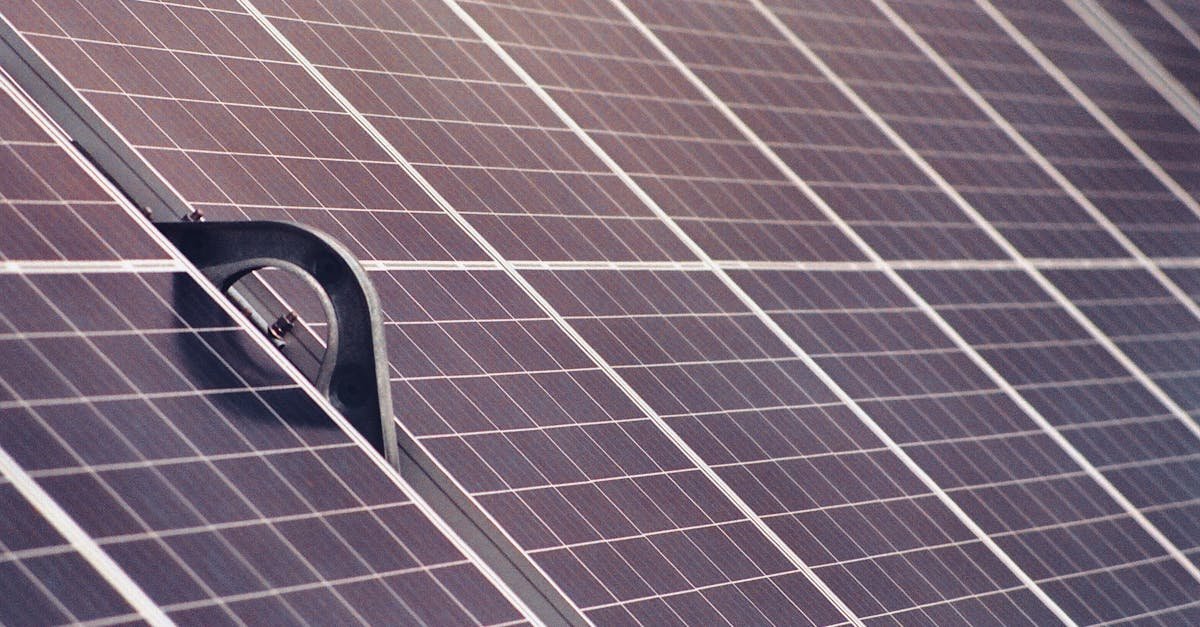
Small, plug‑and‑play solar kits are transforming how households cut electric bills. Instead of a full rooftop array, micro‑photovoltaic systems — often called micro‑PV, balcony solar, or plug‑in solar — let you start small, install fast, and save immediately. If you are asking yourself, Is micro‑photovoltaics worth the investment, this in‑depth guide walks you through the economics, incentives, technical considerations, and practical tactics that determine how quickly your tiny solar setup can pay for itself.
What Exactly Is Micro‑PV?
Micro‑PV refers to compact solar power kits typically ranging from 200 to 1,000 watts of direct current (W), designed for fast, low‑bureaucracy installation on balconies, patios, railings, facades, sheds, or small rooftops. They generally feed power into your home’s circuits via a microinverter and a standard socket or a dedicated branch circuit (depending on local code). These systems are engineered for self‑consumption — reducing the power you draw from the grid during daylight hours.
Core components of a micro‑PV kit
- Photovoltaic modules: One or two high‑efficiency panels (often 300–450 W each) optimized for compact spaces.
- Microinverter: Converts panel DC to grid‑synchronous AC; each panel (or pair) gets its own microinverter for shade resilience and easier expansion.
- Mounting hardware: Balcony brackets, rail clamps, or ground stands designed for quick DIY or professional mounting.
- Cables and connectors: Weather‑rated, plug‑and‑play harnesses; in some regions a dedicated energy socket is recommended or required.
- Optional monitoring: Wi‑Fi app or smart plug for real‑time yield and consumption tracking.
In many markets, micro‑PV is also known as balcony solar, plug‑in solar, micro‑solar, micro‑photovoltaic kits, or plug‑and‑play PV. Whatever the name, the aim is the same: offset daytime loads at retail electricity rates, without the complexity or expense of a full rooftop installation.
Is Micro‑PV Legal And Safe?
Most countries allow small grid‑tied systems if they use certified equipment and follow utility and electrical code rules. In the EU, many nations streamline registration for systems up to 600–800 W AC; Germany, for example, has simplified procedures and raised limits to speed adoption. The UK applies 0% VAT to most residential solar installations and permits micro‑generation. The US allows grid‑tied systems under UL‑listed inverters, though plug‑in via a wall outlet may require a dedicated circuit in some jurisdictions; check utility interconnection and National Electrical Code (NEC) rules.
Always verify:
- Certification: Panels (IEC/UL), microinverter (EN/UL 1741, IEEE 1547 compliance), and cables.
- Connection method: Some regions require a dedicated feed‑in socket or circuit; others permit standard plugs.
- Registration: Simple utility notice or online form for micro‑generators may be required.
- Structural safety: Brackets rated for wind and load; secure anchors; no obstruction of fire escape routes.
Is micro‑photovoltaics worth the investment? The Short Answer
For households paying moderate‑to‑high electricity prices and able to self‑consume most of the micro‑PV output during the day, payback often lands between 2 to 6 years, sometimes faster with incentives. In climates with decent sun (annual 900–1,400 kWh/m² irradiation), a 400–800 W kit can save a meaningful share of daytime energy, cutting bills immediately and hedging against rate hikes. If you rent, lack roof space, or want a low‑risk starter project, the flexibility of micro‑PV is compelling. In short: for many urban and suburban homes, Is micro‑photovoltaics worth the investment? Very often, yes — and the numbers below show why.
The Economics In A Nutshell
Micro‑PV’s ROI depends on upfront cost, energy yield, your retail tariff (and any export price), and how much of the generation you use on site. Here’s how to estimate value in a few steps.
1) Upfront cost
Typical 400–800 W kits cost:
- Hardware: 350–1,000 USD/GBP/EUR depending on panel wattage, microinverter brand, and mounting.
- Optional pro install: 100–400 for mounting, wiring, or compliance documentation.
- Permits/registration: Often minimal or free for micro‑generators; varies by region.
Total typical outlay: 450–1,200 before incentives. In countries with VAT relief (e.g., 0% VAT in parts of the EU/UK for residential solar) or tax credits (e.g., US ITC for qualifying installations), net cost can be lower.
2) Energy yield
Annual generation (kWh) is the product of AC size, local sun, and system losses. As a rule of thumb for well‑placed panels:
- 400 W AC: 350–600 kWh/year
- 800 W AC: 700–1,200 kWh/year
Factors that raise/lower yield: orientation (south vs east/west), tilt angle, shading, microinverter efficiency, ambient temperature, and soiling. Balcony placements often lean vertical or near‑vertical; this reduces annual yield vs an optimal tilt, but can improve winter performance and reduce summer overheating.
3) Savings streams
- Self‑consumption savings: Every kWh you consume on site avoids paying retail rates (e.g., 0.20–0.45 per kWh in many markets).
- Export credit (if allowed): Excess power may earn a feed‑in or net‑billing rate; these are typically lower than retail but still add value.
- TOU arbitrage: Generating during peak daytime rates delivers outsized savings under time‑of‑use tariffs.
4) Payback formula
Approximate payback (years):
Payback = Net Cost / (Self‑Consumed kWh × Retail Rate + Exported kWh × Export Rate)
Because micro‑PV is small, you can often self‑consume 70–100% of output by running base loads (fridge, networking, monitors), shifting laundry/dishwashing, or charging devices during the day. High self‑consumption shortens payback dramatically. This is the core reason tiny systems can beat large rooftop arrays on time‑to‑break‑even.
Sample Payback Scenarios
Scenario A: 800 W Balcony Kit in Berlin
- Cost: 850 EUR net (0% VAT on residential PV in Germany)
- Yield: 900 kWh/year (good south‑facing exposure)
- Self‑consumption: 85% (765 kWh); Export: 15% (135 kWh) at 0.08 EUR/kWh
- Retail tariff: 0.36 EUR/kWh
Savings: 765 × 0.36 = 275.4 EUR; Export value: 135 × 0.08 = 10.8 EUR; total ≈ 286 EUR/year.
Estimated payback: 850 / 286 ≈ 3.0 years.
Scenario B: 400 W Kit in London (Terraced Flat)
- Cost: 520 GBP
- Yield: 420 kWh/year (east‑facing balcony)
- Self‑consumption: 95% (399 kWh); Export: 5% (21 kWh) at 0.15 GBP/kWh (SEG variable)
- Retail tariff: 0.28 GBP/kWh
Savings: 399 × 0.28 = 111.72 GBP; Export: 21 × 0.15 = 3.15 GBP; total ≈ 114.87 GBP/year.
Estimated payback: 520 / 114.87 ≈ 4.5 years.
Scenario C: 800 W Micro‑PV in California with TOU
- Cost: 900 USD (qualified equipment; note: plug‑in may require dedicated circuit)
- Yield: 1,100 kWh/year (high sun)
- Self‑consumption: 80% (880 kWh) offsetting avg 0.35 USD/kWh mid‑peak; Export: 20% at 0.10 USD/kWh
Savings: 880 × 0.35 = 308 USD; Export: 220 × 0.10 = 22 USD; total ≈ 330 USD/year.
Estimated payback: 900 / 330 ≈ 2.7 years.
Scenario D: 600 W Balcony Solar in Warsaw
- Cost: 2,400 PLN
- Yield: 650 kWh/year
- Self‑consumption: 80% (520 kWh) at 1.1 PLN/kWh; Export: 130 kWh at 0.35 PLN/kWh (net‑billing)
Savings: 520 × 1.1 = 572 PLN; Export: 130 × 0.35 = 45.5 PLN; total ≈ 617.5 PLN/year.
Estimated payback: 2,400 / 617.5 ≈ 3.9 years.
Across these examples, note how self‑consumption dominates value. Micro‑PV aligns your small daytime generation with baseline household loads, turning each kWh into retail‑rate savings. That alignment is why the answer to Is micro‑photovoltaics worth the investment tends to be a strong yes in many urban settings, even without generous export tariffs.
Why Micro‑PV Can Pay Back Faster Than You Expect
- Low soft costs: Minimal permitting, quick installation, and DIY‑friendly kits slash non‑hardware expenses.
- High self‑consumption ratio: Small output closely matches idle loads (fridge, routers, computers, chargers), turning nearly all generation into retail savings.
- Shade resilience: Microinverters limit shading losses to the affected panel only, maintaining yield.
- Scalable: Start with one panel, add another later. Spreading purchases can align with seasonal deals and budget.
- Policy momentum: Streamlined rules, VAT relief, and growing acceptance of balcony solar reduce friction.
- Hedge against rate hikes: Even a small system cuts the most expensive kWh — those bought during daytime peaks.
Key Technical Factors That Swing ROI
Orientation, Tilt, and Shading
South‑facing placements with a 25–35° tilt yield the most energy, but balconies often face east or west and sit close to vertical. You will lose some annual yield, but morning or afternoon‑peaked generation can still offset your household’s daytime use. Avoid persistent shading (trees, adjacent buildings, railings) — even partial shade each day can trim 10–30% of output. If shading is unavoidable, favor one panel per microinverter and consider vertical mounting for winter sun.
Microinverter selection
Look for high CEC/European efficiency (≥95%), a proven MPPT operating window, and certified anti‑islanding compliance. Reliable brands provide 10–25 year warranties and app monitoring. A well‑matched microinverter keeps energy harvest and uptime high — two pillars of fast payback.
Self‑consumption strategy
Micro‑PV shines when its output is used in real time. Pair daytime generation with smart loads:
- Run dishwashers and washing machines on delay‑start between 10:00–16:00.
- Schedule laptop and device charging for midday.
- Use smart plugs to automate dehumidifiers, fans, and small heaters when solar is active.
- Pre‑cool or pre‑heat rooms with heat pumps during sunny hours.
These habits increase the fraction of generation you consume at retail value, answering Is micro‑photovoltaics worth the investment with a measurable yes on your bill.
Durability and maintenance
Modern panels degrade about 0.3–0.6% per year, and microinverters often carry long warranties. Occasional cleaning and secure mounting checks are typically all that is needed. Long life with minimal upkeep strengthens the investment case.
Incentives and Policies That Improve Payback
Policy support changes, but several 2023–2024 trends favor micro‑PV:
- EU and Germany: Widespread simplification for balcony systems, higher AC limits (often 600–800 W), and 0% VAT for residential PV in Germany can reduce net cost.
- United Kingdom: Reduced VAT for residential solar (0%) and Smart Export Guarantee (SEG) for surplus exports via registered suppliers.
- United States: A 30% federal tax credit (ITC) for qualifying residential systems; eligibility for plug‑in kits depends on code‑compliant installation and ownership of the property service equipment. Local utility rebates may also apply.
- Net billing and feed‑in options: Even modest export rates add a cushion to ROI — but micro‑PV’s advantage is needing fewer exported kWh to make sense.
Always confirm current rules with your utility or local authority. Incentive eligibility can hinge on details like metering, interconnection paperwork, and whether a dedicated circuit is used.
Hidden Costs and Practical Risks
Electrical and structural safety
Use certified equipment, follow load limits, and secure mounts against wind uplift. In some regions, a dedicated feed‑in socket or circuit is recommended. When in doubt, hire a qualified electrician — a one‑time install fee is cheap insurance and still preserves a short payback.
Insurance and liability
Inform your insurer about the installation, especially in rental properties. Balcony systems should not obstruct evacuation routes. Clear documentation and photos help if you ever file a claim after weather events.
Vendor and warranty quality
Stick with reputable brands and sellers. A bargain kit with poor support can cost more in downtime than you saved upfront. Long warranties on the microinverter are especially valuable.
Weather, theft, and aesthetics
Consider anti‑theft screws, cable locks, or brackets with locking plates. In windy locales, ensure rated anchors and verify parapet/railing strength. Choose dark frames or integrated designs for better curb appeal if your building has strict aesthetics rules.
Batteries With Micro‑PV: Worth It?
Small batteries (e.g., 0.5–2 kWh) can soak up midday surplus and discharge during evening peaks, potentially boosting self‑consumption from, say, 80% to 95% on an 800 W system. But batteries add significant cost (300–1,000+), which can lengthen payback unless evening rates are very high or outages are frequent. Consider alternatives first:
- Load shifting: Use timers and smart plugs to run discretionary loads at noon.
- Thermal storage: Pre‑heat water with a small immersion heater or pre‑cool rooms with a heat pump.
- Device charging: Charge e‑bikes, scooters, power tools, and laptops in the solar window.
Where electricity is expensive at night and net billing pays little for daytime exports, a compact battery can make sense. Otherwise, get the micro‑PV first, measure your patterns, then add storage only if the data shows clear gains.
How To Accelerate Payback: Actionable Checklist
- Size to your base load: If your midday base load is 300–500 W, a 400–800 W micro‑PV kit will achieve high self‑consumption.
- Pick the best orientation you have: South is great; east or west still works well, especially with TOU rates.
- Use smart automation: Schedule laundry, dishwashers, and device charging between 10:00–16:00.
- Monitor and adapt: Track output with the inverter app or a smart plug; nudge loads into sunny hours.
- Maintain safely: Clean panels a couple of times a year; check fasteners before storm seasons.
- Leverage incentives: Claim VAT relief, SEG/net billing, local rebates, or tax credits where available.
- Buy quality: Favor reputable microinverters and panels with solid warranties to protect lifetime yields.
Environmental And Lifestyle Dividends
Beyond direct savings, micro‑PV cuts emissions by generating clean electricity right where you use it. It is a visible commitment to sustainability, often inspiring neighbors and building managers to consider larger measures. For renters or condo owners who cannot install a rooftop array, micro‑PV offers agency: a nimble, reversible, and upgradeable step into solar.
Common Pitfalls — And How To Avoid Them
- Overestimating yield: Use conservative estimates if your balcony is shaded or north‑facing.
- Ignoring code requirements: Confirm whether a dedicated circuit is required and complete any simple registrations.
- Buying without a plan: Decide which loads you will shift to daytime before purchase; then your savings start on day one.
- Under‑mounting: Cheap brackets can cost you in wind damage. Use rated hardware and follow torque specs.
Case Study: Matching Loads To Micro‑PV In A City Apartment
Consider a 600 W kit in a two‑person apartment. Base loads total around 150–250 W (fridge 40–80 W average, networking and computers 30–80 W, standby devices 20–40 W). By scheduling a dishwasher cycle at 13:00 and charging two laptops between 12:00–15:00, self‑consumption rises from 70% to roughly 90%. That extra 20% of generation now earns retail value instead of a low export rate, cutting payback by nearly a full year. This practical routine is why for many dwellers the answer to Is micro‑photovoltaics worth the investment is not only yes but also fast.
Measuring Performance And Optimizing Over Time
Use data to drive decisions
- Inverter app: Watch hourly output curves to align loads.
- Smart meter or plug: Track self‑consumption; aim for 80–95%.
- Seasonal adjustments: Tilt panels slightly more vertical in winter if your mount allows; clean pollen or dust in spring.
Calculating LCOE for perspective
For a 900 USD 800 W system producing 1,000 kWh/year over 15 years (with light degradation), lifetime generation approaches 14,000 kWh. Ignoring maintenance, the levelized cost of energy (LCOE) is roughly 900 / 14,000 ≈ 0.064 USD/kWh — far below many retail rates. While LCOE is more commonly applied to larger arrays, it highlights why small systems that target self‑consumption can be financially compelling.
Frequently Asked Questions
Is micro‑photovoltaics worth the investment?
In many cases, yes. Where retail electricity is 0.20–0.45 per kWh and you can self‑consume 70–95% of the output, payback for 400–800 W kits often falls in the 2–6 year range. Incentives and TOU rates can accelerate that. Fast setup, low soft costs, and high self‑consumption are the winning trio.
How many panels do I need?
Match your midday base load. If you typically use 300–400 W during daylight, start with a 400–600 W system. If that still leaves frequent surplus, add another panel later — micro‑PV is designed to scale in small steps.
Can renters install micro‑PV?
Often yes, especially in the EU where balcony solar is recognized. You may need landlord permission and to follow building guidelines. Use non‑penetrating mounts and reversible hardware. Keep documentation of certifications and registration if required.
What about safety and compliance?
Use certified microinverters and panels, secure mounts, and follow regional interconnection rules. In some places, a dedicated feed‑in socket or circuit is recommended. A brief visit from a qualified electrician can ensure code compliance.
How does winter affect performance?
Yield drops with shorter days and lower sun angles. However, vertical or near‑vertical panels can perform relatively better on clear winter days due to lower sun altitude. Seasonal averages are what matter for ROI; spring and summer carry most of the annual kWh.
Do I need a battery?
Not necessarily. Most of micro‑PV’s ROI comes from daytime self‑consumption. A small battery can help in high TOU markets or if you have evening‑heavy loads, but it adds cost. Get the panels working first, then decide based on measured data.
Putting It All Together
Micro‑PV thrives on a simple principle: right‑sized generation, right where you use it. Because tiny systems closely match household base loads, they convert a large share of their output into retail‑rate savings from day one. Add streamlined installation, supportive policies, and the ability to scale at your own pace, and the financial case becomes hard to ignore.
If you have wondered, Is micro‑photovoltaics worth the investment, the practical answer is that for many homes and flats, it delivers a quick, low‑friction payback — often in just a few years — while reducing your carbon footprint and building resilience. Start small, track results, and let the data guide your next step. Tiny solar can indeed deliver big savings, faster than you think.
Quick Start Guide: Your First 30 Days
- Day 1–3: Measure midday base load with a smart plug or your meter.
- Day 4–7: Choose a quality kit sized to that load; confirm code and registration steps.
- Week 2: Install safely; document serial numbers and warranties.
- Week 3: Set appliance timers for 10:00–16:00; track self‑consumption.
- Week 4: Clean up cable routing; adjust tilt if possible; review first month’s savings and refine your routine.
With those steps, you will not just theorize about ROI — you will see it on your bill. And when friends ask you, Is micro‑photovoltaics worth the investment? you will have the numbers to prove it.