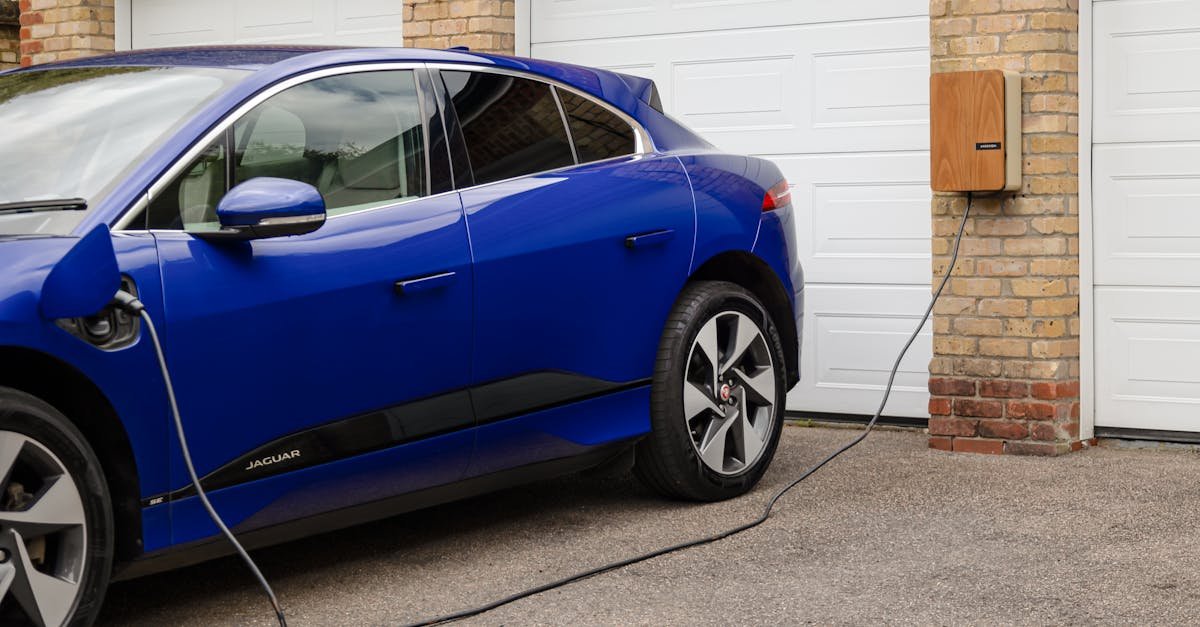
If you’re staring at product pages wondering how to choose an EV charger (Wallbox) without overpaying or under-powering your setup, you’re in the right place. This comprehensive guide translates electrical jargon into plain English, demystifies smart features, and shows you how to match a wall-mounted home charger to your car, your panel, and your routine—so you charge safely, quickly, and affordably.
TL;DR: The Fast, Friendly Answer
Short on time? Here’s a quick cheat sheet for choosing a home EV wallbox:
- Power (kW): Pick 7.4 kW (32 A, single-phase) or 11 kW (16 A, three‑phase) for Europe; 9.6–11.5 kW (40–48 A) in North America. This balances cost and speed for most drivers.
- Connector: Type 2 (EU), J1772/NACS (US), Tesla adapters where needed. Confirm your car’s port.
- Smart features: Wi‑Fi, scheduling, solar integration, load balancing, and reliable app support are worth it.
- Safety & compliance: Look for UL/CSA or CE/UKCA, RCD/RCBO with DC leakage protection, IP54/65 weatherproofing, and PEN fault protection where required.
- Installation: Get a site assessment by a licensed electrician. Consider hardwiring for higher power and outdoor use.
- Ergonomics: Tethered cable for convenience, 6–8 m cable length, sturdy holster, clear status lights.
- Price & support: Weigh total cost (unit + install + permits) and aim for a 3–5 year warranty with active firmware updates.
Why This Matters: Charging at Home Changes Everything
Home charging turns your driveway or garage into a personal fueling station. With the right wallbox, you can:
- Save money by using off‑peak or time‑of‑use rates, or soaking up surplus solar.
- Save time by starting each day with a full battery instead of detouring to public chargers.
- Protect your battery by charging at optimal speeds and temperatures.
- Enjoy convenience via scheduling, remote control, and smart-home automations.
But how to choose an EV charger (Wallbox) that fits your exact needs? Start with the basics: amps, volts, and kilowatts.
From Amps to kW: The Power Basics You’ll Actually Use
You don’t have to be an electrician, but a few concepts will keep you from overspending or under‑specifying.
Amps, Volts, and kW—The 30‑Second Primer
- Volts (V) is pressure. Home AC circuits are usually 120/240 V (North America) or ~230 V (Europe/UK).
- Amps (A) is the flow. Higher amps mean faster charging—up to your car’s onboard charger limit.
- kW (kilowatts) = Volts × Amps ÷ 1000. This is your charging power, which dictates how many km/mi of range you add per hour.
Example: 240 V × 32 A ≈ 7.7 kW, which might add ~25–35 miles (40–55 km) of range per hour depending on your vehicle efficiency.
Single‑Phase vs Three‑Phase
- Single‑phase (common in North America and many EU homes): Typical chargers are 7.2–7.4 kW at 32 A.
- Three‑phase (common in parts of Europe): 11 kW (16 A × 3) or 22 kW (32 A × 3) wallboxes are options, but your car’s onboard AC charger must support the higher power to benefit.
Many EVs have an onboard charger rated 7.4–11 kW on AC. Buying a 22 kW unit only helps if your car accepts it and your grid connection supports it.
Charger Types and Standards You’ll Actually Encounter
At home, you’ll almost always use AC charging. DC fast charging is for public stations due to cost and grid demands.
- AC Level 1 (US/CA): 120 V, ~1.4 kW. Slow. Good for emergencies or very low daily driving.
- AC Level 2 (US/CA): 240 V, typically 32–48 A (7.7–11.5 kW). The sweet spot for home wallboxes.
- AC (EU/UK): ~230 V single‑phase (up to 7.4 kW) or three‑phase 11/22 kW.
Connectors:
- Type 2 (Mennekes) – EU/UK for AC. Most EVs use Type 2 for home charging.
- J1772 (Type 1) – North America for non‑Tesla AC charging. Many stations now also offer NACS (Tesla’s connector) as it becomes a new standard.
- Tesla vehicles: use NACS in North America, Type 2 (often) in EU for AC. Adapters are widely available.
Make sure the wallbox either has the right connector (tethered cable) or a compatible socket (untethered) that accepts your cable.
Matching Charger Output to Your Car, Panel, and Driving
What Your Car Can Take
Every EV has an onboard charger capacity for AC—e.g., 7.4 kW, 9.6 kW, or 11 kW. If your car’s onboard charger tops out at 7.4 kW, installing a 22 kW wallbox won’t make it charge faster on AC.
Your Electrical Panel and Service
Before deciding how to choose an EV charger (Wallbox) size, consider supply limits:
- Panel capacity: Common sizes include 100, 150, 200 A (North America) or 60–100 A main fuses (EU/UK). Your electrician will calculate spare capacity.
- Breaker size and wiring: A 40 A charger needs a 50 A circuit (US/CA) due to continuous load rules. In EU/UK, matching MCB/RCBO and cable cross‑section is essential.
- Hardwired vs plug‑in: Hardwiring is often required outdoors or above 40 A in North America. EU wallboxes are commonly hardwired.
Tip: If your panel is tight, look for dynamic load balancing or load management that automatically reduces charging current when your home is drawing more power.
Your Daily Driving and Battery Size
Charging speed needs depend on daily miles/kilometers and battery size. Most drivers replenish overnight. A few scenarios:
- Short commutes (≤30 miles/50 km daily): 7.4 kW is ample—often even less.
- Moderate driving (30–70 miles / 50–110 km): 7.4–11 kW provides comfortable overnight recovery.
- Large battery or multi‑driver households: 11–22 kW (where supported) helps rotate vehicles quickly.
Tethered vs Socketed, Cable Length, and Everyday Ergonomics
Convenience is underrated—choose what fits your routine.
- Tethered (with attached cable): Fastest plug‑and‑go, especially in the dark or rain. Confirm the connector matches your car.
- Socketed/untethered: Flexible for guests or future cars with different plugs; cleaner look; you supply your own cable.
- Cable length: 6–8 m covers most driveways. Avoid unnecessary tripping hazards. A tidy holster and hook reduce wear.
- Enclosure and indicators: Clear LEDs, a robust latch, and an IP54–IP66 weather rating help in real‑world use.
Safety First: Certifications, Protection, and Legal Basics
Safety and compliance aren’t optional. Look for:
- Certifications: UL 2594/CSA (North America), CE/UKCA (EU/UK). EVSE should comply with IEC 61851 and connectors with IEC 62196.
- RCD/RCBO: Type A with DC leakage detection (6 mA RDC‑DD) or Type B RCD protection, depending on local code.
- PEN fault protection: In some regions (e.g., UK PME systems), built‑in PEN fault detection/auto‑disconnect avoids the need for a separate earth rod in many cases. Follow local regulations.
- Weather/impact rating: Outdoor installs should be at least IP54; IP65/IP66 is better. IK impact rating is a plus.
- Overcurrent and surge protection: Proper MCB/RCBO sizing and SPD (surge protection device) as required by code or good practice.
Always use a licensed electrician and follow applicable codes (e.g., NEC Article 625 in the US, national wiring regulations in EU/UK). Permits and inspections help keep you safe and insured.
Smart Chargers: From Basic Timers to Full‑Featured Apps
“Apps” in wallboxes aren’t just fluff—they can lower costs and automate your life.
Must‑Have Smart Features
- Wi‑Fi/Ethernet for reliable connectivity; Bluetooth helps with setup if Wi‑Fi is weak.
- Scheduling and tariffs: Set off‑peak charging windows and time‑of‑use rates to optimize costs.
- Load management: Dynamic or static limits to avoid tripping breakers.
- Solar integration: Prioritize surplus PV energy for low‑carbon, low‑cost charging.
- User access control: RFID cards, PINs, or app‑based access to prevent unauthorized use.
- Over‑the‑air updates: Regular firmware improvements, bug fixes, and new features.
Nice‑to‑Have Extras
- Open protocols (OCPP) for future compatibility with third‑party apps and energy platforms.
- API/webhooks for enthusiasts to build automations (e.g., Home Assistant, IFTTT).
- Smart‑home integration: Alexa/Google/HomeKit support, geofencing, or vehicle data syncing where available.
- Usage analytics: Cost and kWh tracking per driver, exportable reports for reimbursement.
Solar, Batteries, and Time‑of‑Use: Smarter, Cheaper Charging
If you have (or plan to add) rooftop PV or a home battery, your wallbox can be a savings engine.
- Solar diversion: Charge only on surplus solar to minimize grid imports.
- Blended modes: Maintain a minimum charge rate from the grid while topping up with solar peaks.
- Battery coordination: Avoid draining your home battery into your car during peak tariffs unless you want to arbitrage.
- Price‑aware automation: If your utility publishes dynamic prices, a smart charger or energy platform can shift charging to the cheapest hours automatically.
Future note: Bi‑directional charging (V2H/V2G) is emerging. If that interests you, look for products announcing compatibility and ensure your vehicle supports it.
Connectivity and Cybersecurity
Your charger is an IoT device—treat it like one.
- Secure updates: Vendor with a track record of timely security patches.
- Local fallback: Charging should work even if the cloud is down.
- Data privacy: Understand what’s collected (kWh, schedules, location). Opt‑out options help.
- Guest access controls: Restrict power and sessions; monitor with alerts.
Installation 101: Site Survey to First Plug‑In
Pre‑Install Checklist
- Location: Near the parking spot, with easy cable reach and minimal trip hazards. Consider future cars (left/right ports).
- Cable route: Short, protected runs are cheaper. Attic, crawlspace, or external conduit may be needed.
- Mounting surface: Brick, wood studs, or concrete—use proper anchors; height per local guidance.
- Permits and utility notifications: Required in many regions.
Hardwired vs Plug‑In (Region‑Specific)
- North America: 40 A+ EVSE are commonly hardwired. Some 32–40 A units can be plug‑in via NEMA 14‑50, but outdoor use often must be hardwired per code and best practice.
- EU/UK: Most wallboxes are hardwired. PME systems may require PEN fault protection; RCD/RCBO choice depends on the charger’s internal DC leakage detection.
Costs and Timelines
- Hardware: Expect $400–$1200 (or €/£ equivalent) for a quality smart wallbox.
- Installation: Simple installs can be $300–$800; complex runs, panel upgrades, or trenching can push $1500–$3000+.
- Incentives: Grants, tax credits, or utility rebates can reduce total cost. Check local programs.
Total Cost of Ownership: Beyond the Sticker Price
When weighing how to choose an EV charger (Wallbox), think long‑term value, not just upfront cost.
- Durability: Metal enclosures and UV‑resistant plastics last longer outdoors.
- Warranty: Aim for 3–5 years; ensure responsive support and available spare parts.
- Software roadmap: Vendors that consistently improve apps and add features protect your investment.
- Energy savings: Good scheduling and tariff optimization can save hundreds per year.
Feature Deep‑Dive: What Actually Matters Day to Day
App Quality and Reliability
- Onboarding: QR codes, Bluetooth provisioning, clear status indicators.
- Core controls: Set current limits, start/stop remotely, lock/unlock sessions.
- Insights: Cost per kWh, monthly summaries, per‑driver tagging for expense claims.
Access and Sharing
- RFID cards or app invites for family/tenants.
- Guest mode with limits or temporary codes.
- QR payment options if you occasionally host public charging.
Load Balancing and Multi‑EV Homes
- Static limits: Cap the EVSE at, say, 24 A to fit your panel.
- Dynamic load balancing: Clamp sensors monitor whole‑home load and adjust EV current in real time.
- Multi‑charger coordination: Share a fixed capacity across two or more wallboxes without trips.
Connector Ecosystem: Now and Next
Plug standards are converging, but we’re in a transition.
- North America: NACS adoption is accelerating; many EVSEs offer J1772 today and NACS variants or adapters. Choose a path that suits your current and future vehicles.
- EU/UK: Type 2 remains the AC standard. CCS for DC fast charging doesn’t affect your home wallbox choice, except for cable ergonomics and storage.
Buying a socketed (untethered) wallbox in Europe can future‑proof connector changes since you can swap cables.
Environmental and Noise Considerations
- Standby power: Efficient units draw minimal watts at idle; this adds up over years.
- Cooling and noise: Some chargers have fans—check noise levels for garage bedrooms or tight spaces.
- Materials and repairability: Modular designs and replaceable cables reduce e‑waste.
Buyer Personas: Recommended Specs by Lifestyle
The Apartment or Townhome Owner (Dedicated Spot)
- Power: 7.4 kW single‑phase or 40 A Level 2.
- Access control: RFID/PIN is essential. Consider OCPP for building management billing.
- Cable: Tethered for ease; medium length to avoid crossing walkways.
The Suburban Family Fleet
- Power: 9.6–11 kW where possible; or two coordinated 7.4 kW units with load sharing.
- Smart features: Robust scheduling, multi‑user tracking, dynamic load balancing.
- Solar: PV‑aware charging to soak up midday sunshine on weekends.
The Road‑Trip Enthusiast
- Power: As high as your car and panel reasonably allow (11–22 kW in EU if supported; 48 A in NA).
- Durability: Outdoor‑rated, long cable, secure holster for frequent plugs/unplugs.
- App: Remote start/stop, notifications, and battery state integration if available.
The Solar Saver
- Power: 7.4–11 kW with granular current control (e.g., 6–32 A adjustable).
- Integration: Native solar diversion and battery coordination; API for custom automations.
- Tariffs: Price‑aware scheduling for dynamic rates.
Grants, Rebates, and Utility Programs
Public incentives can change the math dramatically:
- Tax credits/rebates: Many regions offer partial refunds on hardware and/or installation.
- Managed charging: Utilities may pay you to let them slightly shift your charging time during peaks.
- Demand response: Smart wallboxes with OCPP or utility integrations can qualify.
Check manufacturer pages and your utility’s EV programs before buying—eligibility lists often require specific models.
Common Myths and Mistakes
- Myth: “Bigger kW is always better.” Reality: It only helps if your car and supply can use it—otherwise it’s wasted money.
- Mistake: Ignoring cable ergonomics. A too‑short or stiff cable becomes a daily annoyance.
- Mistake: Skipping permits or proper protection devices. This can void insurance and create hazards.
- Myth: “Smart features are gimmicks.” Reality: Scheduling and TOU optimization often pay back the price difference.
- Mistake: Not planning for two EVs. Choose a charger/ecosystem that supports load sharing.
A Practical 10‑Point Buying Checklist
- 1. Compatibility: Correct connector (Type 2, J1772, NACS) and car onboard AC limit.
- 2. Power: 7.4–11 kW for most; 22 kW only if car + supply support it.
- 3. Electrical fit: Panel capacity confirmed; dynamic load balancing if needed.
- 4. Safety: UL/CSA or CE/UKCA, proper RCD/RCBO with DC leakage protection, PEN protection where applicable.
- 5. Weather rating: IP54+ outdoors, robust build, UV‑resistant.
- 6. Smart features: Reliable app, scheduling, OTA updates, optional OCPP/API.
- 7. Solar/TOU: Native support if you have PV or variable pricing.
- 8. Ergonomics: Tethered vs socketed, 6–8 m cable, holster, clear LEDs.
- 9. Warranty/support: 3–5 years, proven customer service, spare parts.
- 10. Total cost: Hardware + installation + permits − incentives = your real budget.
Frequently Asked Questions
Do I need a 22 kW wallbox?
Only if your car supports three‑phase 22 kW AC and your property has sufficient three‑phase capacity. Many drivers won’t see real‑world benefits over 7.4–11 kW.
Can I install it myself?
In most regions, no—use a licensed electrician and secure permits. This protects safety, code compliance, and insurance coverage.
Will a smart charger work without the internet?
Yes, basic charging should work offline. But you’ll lose remote controls, tariff optimization, and updates until connectivity returns.
What about bi‑directional charging?
V2H/V2G is emerging. If you want it, pick brands announcing support and confirm your EV is compatible. Expect higher costs at first.
Is it better to charge slowly?
For daily use, moderate AC charging (e.g., 7–11 kW) is ideal. Reserve DC fast charging for trips. Follow your EV maker’s guidance.
A Step‑by‑Step Path: How to Choose an EV Charger (Wallbox) with Confidence
- List your needs: Daily miles, parking layout, one or two EVs, weather exposure.
- Check your car’s onboard AC limit (e.g., 7.4 kW, 11 kW).
- Assess your panel capacity and preferred circuit route with an electrician.
- Pick power level that fits car + panel, with headroom for future needs.
- Decide on tethered vs socketed and cable length.
- Choose smart features you’ll use: scheduling, solar, OCPP, load balancing.
- Verify safety and compliance (RCD/RCBO, certifications, IP rating, PEN protection).
- Compare warranties, updates, and support—the boring stuff that matters later.
- Apply incentives and get a detailed install quote.
- Book installation, set up the app, and run a test charge and schedule.
Real‑World Examples
Example 1: 2018 EV with 7.4 kW Onboard Charger, Single‑Phase Home
Pick: 7.4 kW tethered unit with Wi‑Fi, OTA updates, and TOU scheduling. Add dynamic load balancing if your panel is near capacity. You’ll wake up full daily without stressing your electrical system.
Example 2: Two EVs, Limited Panel Capacity
Pick: Two 7.4 kW wallboxes that support coordinated load sharing, or one dual‑socket charger with built‑in energy management. You’ll avoid panel upgrades and keep both cars topped up overnight.
Example 3: Solar Home with 10 kW PV Array
Pick: A smart charger with solar diversion and export caps. Blend solar with low‑rate nighttime charging to minimize costs, especially in shoulder seasons when PV output is variable.
Future‑Proofing Your Choice
- Open standards: OCPP and APIs broaden your options over time.
- Connector trends: In North America, consider NACS readiness; in EU, a socketed Type 2 gives flexibility.
- Scalability: Load sharing and multi‑unit support if you may add a second EV.
- Firmware cadence: Vendors who ship regular updates today are more likely to support new features tomorrow.
Putting It All Together
Choosing a home EV wallbox is about balance: enough power to meet your routine, robust safety to protect your home, and smart features that actually save money or time. The best answer to how to choose an EV charger (Wallbox) isn’t the most expensive model—it’s the one that fits your car, your panel, and your lifestyle with a margin for tomorrow.
Quick Reference: Specification Targets at a Glance
- Power: 7.4–11 kW for most homes; consider 22 kW only if fully supported.
- Connector: Type 2 (EU/UK), J1772 or NACS (NA), Tesla adapters where needed.
- Protection: RCD/RCBO with DC leakage detection; PEN fault protection on PME systems if required.
- Weather: IP54+ outdoors, UV‑resistant housing, sturdy holster.
- Smart: Wi‑Fi, scheduling, solar/load management, OTA updates; optional OCPP/API.
- Install: Licensed electrician, permits as needed, load assessment, tidy cable management.
- Support: 3–5 year warranty, active updates, responsive helpdesk.
Conclusion: From Amps to Apps, You’ve Got This
You now understand the essentials—amps, volts, and kW—plus the smart features and safety standards that separate a good wallbox from a great one. Whether you prioritize cost savings with time‑of‑use scheduling, convenience with a tethered cable, or sustainability with solar‑aware charging, there’s a perfect fit for your driveway.
Make a short list using the 10‑point checklist, confirm with a licensed installer, and take advantage of any rebates. With the right choice, your home charger becomes the quiet MVP of EV ownership—reliably filling your battery while you sleep.
Happy charging—and welcome to the effortless side of electric driving.
Disclaimer: Electrical standards and incentives vary by region. Always consult your EV manufacturer’s guidance and a licensed electrician for site‑specific advice and code compliance.