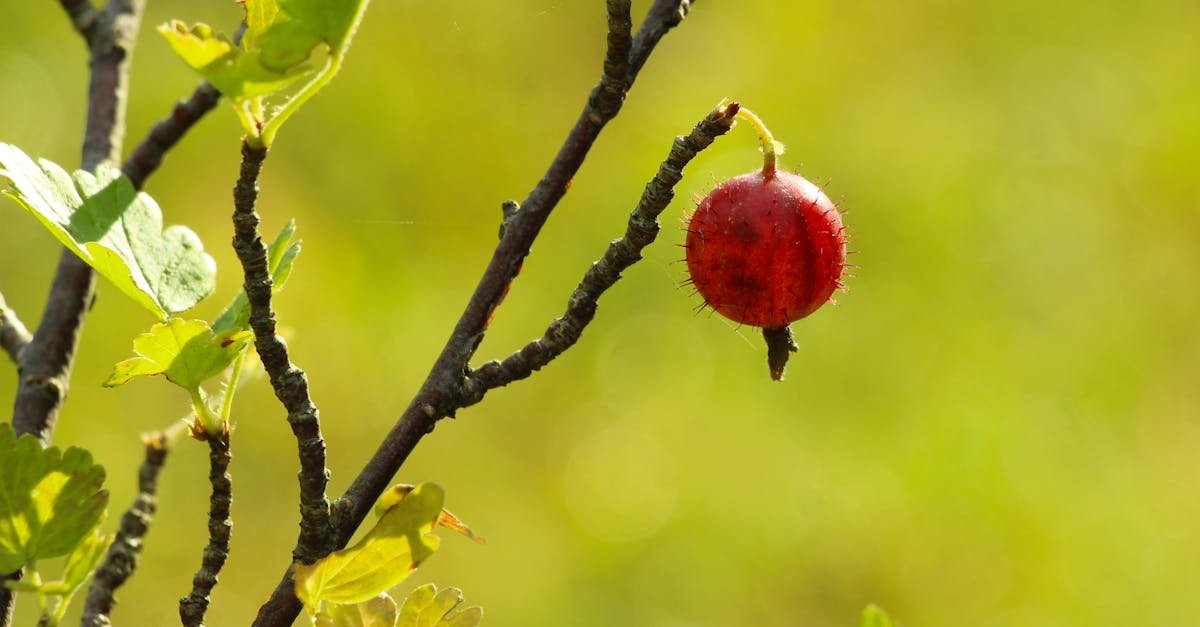
Raise your gooseberries onto wire trellises and turn scratchy, hard-to-pick shrubs into streamlined, high-yielding fruiting walls. With a smart trellis and a light seasonal touch, you will harvest larger, sweeter berries, reduce disease pressure, and make pruning and netting almost effortless. Below is a complete, practical guide to planning, building, and managing a wire-trained gooseberry system that works in backyards and small farms alike.
Why Trellis-Training Gooseberries Is a Game-Changer
Gooseberries naturally grow as multi-stemmed bushes with spiny canes and a tendency to thicken at the center. Left as a free bush, yields can be good, but picking is slow, airflow is limited, and mildew risk rises. Lifting plants onto a sturdy wire support changes the geometry of growth and your day-to-day work.
- Bigger, cleaner fruit: Better sunlight exposure and airflow shorten drying time after rain and power up photosynthesis, which supports larger berries and improved color.
- Easier access: Fruit clusters hang in clear view. Harvest standing upright, not on your knees in thorns.
- Better disease control: Open canopies are less friendly to American gooseberry mildew and botrytis. Training also makes it simple to spot and prune infected wood.
- Space efficiency: Vertical or fan systems fit narrow borders and along fences, letting small gardens grow more fruit per square foot.
- Simple pruning: A repeatable pattern of spur management replaces guesswork. Winter and summer cuts are fast and light.
- Streamlined netting: A straight, narrow fruiting wall is easy to protect from birds, sawfly damage visibility improves, and picking under net is less awkward.
Gooseberry Biology and Choosing the Right Varieties
How gooseberries bear fruit
Gooseberries carry most of their crop on short spurs formed on two- and three-year-old wood. That makes them ideal for cordon or fan systems where you maintain a permanent framework and renew fruiting spurs over time. Excessive nitrogen or over-shading encourages lush, mildew-prone growth at the expense of spurs and fruit size.
Varieties that shine on wires
Most modern cultivars can be trained successfully, but some combine vigor, disease resistance, and spur friendliness better than others.
- Invicta: Vigorous, high-yielding green fruit; can be prickly but reliable on trellis; good for culinary use and sweetens well on the plant.
- Hinnonmäki Red and Hinnonmäki Yellow: Compact, flavorful dessert types, excellent for vertical cordons in smaller spaces.
- Captivator: Partially thornless, good resistance to American gooseberry mildew, produces attractive red berries.
- Pax: Low-thorn, dessert-quality red fruit, suitable for cordon systems and easier picking.
- Leveller, Oregon Champion, Greenfinch, and Martlet: Traditional standouts that form strong spurs and reward structured training.
Climate and site
Gooseberries thrive in cool to mild climates with cold winters for dormancy and moderate summers. In hotter regions, provide afternoon shade during peak heat and maintain steady soil moisture. Choose a site with morning sun to dry foliage, strong air movement, and free-draining loam with a pH around 6.0 to 6.5.
Designing a Wire Trellis for Gooseberries
Layout and orientation
For maximum light and uniform ripening, orient rows north–south if possible. Single rows are easiest for small gardens; on larger plots, keep alleys wide enough for comfortable passage and airflow. Plan irrigation before you set posts so the drip line runs straight and unobstructed.
Materials and tools
- Posts: Rot-resistant wooden posts or metal T-posts. End posts should be heavier and strongly anchored.
- Wire: High-tensile or galvanized steel wire in the 12 to 14 gauge range. Two or three parallel wires are typical.
- Anchors and tensioners: Deadman anchors, screw-in earth anchors, turnbuckles, or pre-formed wire joiners help keep wires tight.
- Fasteners: Staples for wood, wire clips for metal, and soft ties for plants. Avoid thin twist-ties that cut into bark.
- Tools: Post-hole digger or auger, level, wire strainer, fencing pliers, and a measuring tape. A line level helps keep wires straight.
Dimensions that work
- Post spacing: 10 to 15 feet apart for garden trellises; closer spacing increases stability for vigorous cultivars.
- Height: Top wire around 4 to 5 feet; lower wire at roughly 18 to 24 inches; a third wire at 36 inches if you want extra support.
- Plant spacing: For single cordons, 24 to 36 inches between plants. For fans, 4 to 5 feet per plant.
Install end posts deeper than line posts and brace them. Tight wires sag less under crop weight, wind, or after rain, and they maintain cleaner plant lines for years.
Durability and safety tips
- Cap wooden posts or use a water-shedding cut to reduce rot.
- Keep wires at least a few inches away from fences to avoid rubbing damage in wind.
- Mark wire ends and tensioners to prevent snagging during harvest.
- Use UV-stable soft ties or rubberized plant clips that flex as shoots expand.
Soil Preparation and Planting
Build a fertile, well-drained root zone
Gooseberries prefer moisture-retentive but free-draining soils. Before planting, loosen soil 12 to 18 inches deep and blend in well-ripened compost. On heavy clay, create raised beds and incorporate coarse organic matter to improve structure. Aim for a pH near 6.2; add elemental sulfur to lower or lime to raise pH, based on a soil test.
Planting depth and spacing
Plant bare-root or container-grown stock in late winter to early spring while dormant. Set the crown one to two inches deeper than it was previously growing to stimulate strong basal shoots. Water in thoroughly and mulch immediately to lock in moisture.
- Single cordon spacing: 2 to 3 feet between plants, row spacing 6 feet if you need equipment access.
- Fan training: 4 to 5 feet per plant along a fence or wire frame.
Initial pruning at planting
After planting, head the main stem back to 6 to 8 inches if using a cordon system. Select the strongest, best-placed shoot to be your leader and remove weak, crowded, or ground-hugging shoots. Lightly tie the leader to the lowest wire or a temporary cane to guide vertical growth.
Mulch and irrigation
Lay a 2 to 3 inch layer of organic mulch such as shredded bark, straw, or leaf mold, keeping mulch slightly back from the stems. Install a drip line delivering slow, steady moisture. Avoid wetting foliage routinely, as frequent splash and humidity invite mildew and leaf spot.
Training Systems That Suit Gooseberries
Single vertical cordon
This is the simplest, most space-efficient system. One main leader climbs the wires, and short, well-spaced spurs along that leader carry fruit.
- Year 1: Tie the selected leader loosely to a vertical cane or support, then to each wire as it reaches the height. Remove side shoots below the first wire; above that, pinch laterals in summer to around five leaves to begin spur formation.
- Year 2: Continue extending the leader to the top wire. Summer-pinched laterals become short fruiting spurs. In winter, shorten those spurs to one to three buds if they are longer than necessary, and remove any damaged or crossing wood.
- Mature: Maintain a single leader with evenly spaced spurs every few inches. Each winter, remove a portion of the oldest spurs to stimulate young replacements and prevent overcrowding.
Double or triple cordon
For vigorous cultivars, select two or three leaders from the base and train them vertically, each becoming its own fruiting stem. Keep spacing consistent so light penetrates between stems. Manage spurs on each stem as you would a single cordon.
Fan training
Fans are excellent against a fence or wall. Choose four to six well-placed shoots and spread them into a fan, tying gently to wires that radiate outward. Maintain short spurs along each arm and remove growth that points toward the wall or crosses neighboring arms.
Tying methods
- Use soft, UV-stable ties or wide horticultural tape, forming a figure-eight around the stem and wire to prevent rubbing.
- Retie annually as stems thicken. Do not cinch ties tightly.
- Keep canes on the windward side of the wire where possible to reduce chafing in gusts.
How to grow gooseberries on wire trellises: The core principles
You will succeed by following these four fundamentals: maintain a clear, light-permeable framework; renew fruiting wood steadily; protect leaves from stress; and keep water and nutrients consistent. The wire is a guide, not a cage. Train enough structure to support heavy crops, then concentrate your efforts on short, productive spurs and clean airflow.
Seasonal Care Calendar
Late winter to early spring
- Structural pruning: Remove dead, diseased, or rubbing wood. Shorten overlong spurs to two buds. Preserve your main leaders.
- Feed and mulch: Apply a balanced, slow-release fertilizer or organic amendment like composted manure. Refresh mulch.
- Trellis check: Re-tension wires, replace damaged ties, and inspect anchors.
Late spring to midsummer
- Water management: Keep soil consistently moist, particularly from flowering through berry swell.
- Summer pruning: Pinch soft laterals on trained stems to around five leaves to encourage short, fruitful spurs, and remove shoots growing into the alley or wall.
- Pest vigilance: Scout for gooseberry sawfly larvae and aphids. Act early to prevent defoliation.
Late summer to autumn
- Harvest and tidy: Pick in stages as berries color and sweeten. Remove any fruited stems that have become unproductive.
- Sanitation: Clear fallen leaves and mummified fruit to reduce disease carryover.
- Soil care: Top up mulch and consider a light compost application to support next year’s spur growth.
Water, Nutrition, and Mulch
Irrigation that fits gooseberries
Steady moisture is essential from bloom through harvest. As a rule of thumb, aim for about one inch of water per week from rain and irrigation combined during active growth, slightly more in sandy soils. Drip lines with emitters spaced every 12 to 18 inches deliver water right to the root zone without wetting foliage. Avoid wide swings from drought to deluge, which can split fruit and reduce sugar accumulation.
Feeding for fruit, not just foliage
Moderate fertility produces the best balance of growth and spur development. In early spring, apply a balanced fertilizer at rates recommended by a soil test, or use organic options like compost plus a modest dose of feather meal or fish-based fertilizer. Too much nitrogen invites mildew and produces long, floppy laterals with shallow rooting.
Mulch as a moisture and weed shield
Maintain a two to three inch mulch layer year-round to stabilize soil moisture and temperature. Keep the immediate stem bases slightly clear to deter rodents and reduce rot risk. Where slugs are a problem, consider a drier, coarse mulch and set traps during wet spells.
Pest and Disease Management in Trellised Plantings
Key pests
- Gooseberry sawfly: Green larvae can defoliate plants rapidly. Scout undersides of leaves from late spring and hand-pick small populations. Spinosad or azadirachtin can help if used early and according to label directions. Encourage birds and predatory insects with diverse plantings.
- Aphids: Curling leaves and honeydew are typical signs. A firm water spray can dislodge colonies; support lady beetles and lacewings; use insecticidal soap on persistent outbreaks, avoiding hot, sunny periods.
- Currant fruit fly: Maggots tunnel in fruit. Clean up windfalls, consider fine mesh netting early in the season, and time harvests to minimize exposure.
Common diseases
- American gooseberry mildew: White to brown felt on shoot tips and fruit. Reduce humidity with open training, avoid excess nitrogen, prune out infected tips promptly, and consider resistant cultivars like Captivator. Preventive sulfur or potassium bicarbonate sprays may help in high-pressure years.
- Leaf spot and anthracnose: Small brown lesions that lead to early leaf drop. Sanitation, airflow, and copper or bio-based fungicides applied preventively can reduce severity.
- Botrytis: Grey mold on crowded clusters. Keep fruiting zone airy with disciplined spur spacing and avoid overhead irrigation.
The beauty of wire training is visibility: problems are easier to spot and correct before they escalate.
Harvest, Yield, and Postharvest Handling
When to pick
Gooseberries can be harvested at two stages. For cooking, pick firm, full-sized green fruits early for a bright, tart flavor that holds structure in pies and jams. For fresh eating, wait until berries soften slightly, color fully, and develop translucence and aroma. Taste is the final judge: ripe dessert berries are sweet with balanced acidity.
How to harvest with ease
- Wear light, thorn-resistant gloves and long sleeves if your cultivar is spiny.
- Work along the row with a shallow tray or basket; the trellis brings clusters into clear reach.
- Lift clusters gently and roll berries off the stalks; avoid squeezing to prevent splitting.
Expected yields
Healthy, well-trained plants commonly yield 6 to 10 pounds per plant in home gardens, depending on cultivar and climate. Cordon systems concentrate light and can increase usable yield per square foot by reducing disease losses and improving fruit quality.
Storage and uses
Store fresh-picked berries cool and dry; they keep several days refrigerated. For longer storage, freeze on trays and bag, or preserve as jam, compote, curd, or chutney. Trellised fruit tends to be cleaner, reducing prep time in the kitchen.
Troubleshooting and Practical FAQs
Poor fruit set or small berries
- Too much shade: Ensure at least half a day of direct sun in warm regions, more in cool climates.
- Over-fertilization: High nitrogen creates foliage at the expense of spurs; scale back and emphasize balanced nutrition.
- Pruning pattern: Long whips and crowded spurs reduce quality. Summer pinch to five leaves and winter-short spurs to one to three buds.
- Frost at bloom: Protect with row cover on cold nights and site in frost-drained positions.
Persistent mildew
- Open the canopy further; remove congested spurs and shorten laterals earlier in summer.
- Switch to resistant cultivars where pressure is chronic.
- Water at the base, not overhead, and avoid evening irrigation.
- Use preventive biofungicides or sulfur when weather favors mildew.
Can I retrofit an old bush onto a trellis
- Install the trellis beside the bush during winter dormancy.
- Select one to three strong canes as future leaders; remove weak, low, or tangled wood.
- Gradually tie leaders to the wires over one to two seasons while renewing spurs along them.
- Do not force brittle older canes; if necessary, rejuvenate by encouraging new shoots from the base and training those instead.
Growing in hot climates
- Provide afternoon shade, generous mulch, and steady irrigation.
- Choose heat-tolerant, mildew-resistant cultivars and avoid reflected heat from walls.
- Keep canopy airy to reduce leaf temperature and disease risk.
Step-by-Step Quick Start Guide
- Pick a sunny, breezy site with free-draining soil and plan a straight row.
- Set sturdy end posts and line posts 10 to 15 feet apart; brace end posts well.
- Run two to three galvanized wires at roughly 18, 36, and 54 inches; tension firmly.
- Amend soil with compost; install drip irrigation along the planting line.
- Plant dormant gooseberries 2 to 3 feet apart for cordons, slightly deeper than previously grown.
- Head back to 6 to 8 inches and choose a strong leader; tie it gently to a support and then to wires as it grows.
- Mulch two to three inches deep; water in well.
- In summer, pinch side shoots to about five leaves to create short spurs.
- In winter, shorten long spurs to one to three buds, remove dead or diseased wood, and maintain clear spacing.
- Net at color change if birds are a problem and harvest in stages for the best flavor.
Budget and Time Planning
Material costs
- Posts and wire: A modest backyard run often costs far less than a raised bed; reuse metal posts if available.
- Tension hardware: Turnbuckles or wire joiners are a small upgrade that adds years of stability.
- Mulch and irrigation: Drip components are inexpensive, water-efficient, and save labor long term.
Time investment
- Setup: A weekend is usually enough to install a short trellis and plant a dozen bushes.
- Annual care: Expect a few hours across late winter and midsummer for pruning, tying, and checks.
- Harvest: Faster than bush picking due to clear access; time savings grow as the system matures.
Sustainable and Aesthetic Extras
Understory and companions
- Low-growing herbs such as chives, thyme, or alpine strawberries form an attractive living mulch and support beneficial insects.
- Flowering strips nearby draw pollinators and predators that help with aphids and sawfly.
- Compost mulching each autumn recycles nutrients and builds soil carbon.
Design synergy
A narrow trellis row doubles as a garden divider or backdrop. Fans along a fence create a leafy wall with spring bloom and jewel-like fruit in summer. Uniform spurs and neat ties give a crafted look that complements edible landscaping.
Putting It All Together
Training gooseberries on a wire support turns an already rewarding fruit into a low-labor, high-pleasure crop. By focusing on a simple framework, consistent summer pinching, and light winter renewal, you build a resilient spur system that carries abundant, high-quality fruit in a compact space. Whether you choose single cordons for tight borders or fans for fence lines, the method scales and adapts. Start with solid posts and tight wires, keep growth short and sunny, and let the trellis do the heavy lifting. The payoff is obvious at harvest: cleaner clusters, bigger berries, and far fewer scratches.
Key Takeaways
- Framework first: A straight, well-tensioned trellis is the backbone of easy training and harvest.
- Short is sweet: Keep laterals pinched and spurs compact to channel energy into fruit.
- Air and light: Open canopies deter mildew and deliver better color and flavor.
- Consistency wins: Steady moisture and moderate fertility beat feast–famine cycles every time.
- Renew gradually: Replace a portion of old spurs each winter to maintain youthful, productive wood.
Final Word
If you have wondered how to grow gooseberries on wire trellises without complexity, think in simple steps. Set the wires, choose a leader, keep growth short and sunny, and repeat a small set of seasonal tasks. In return, you get elevated plants, elevated flavor, and elevated harvests year after year.