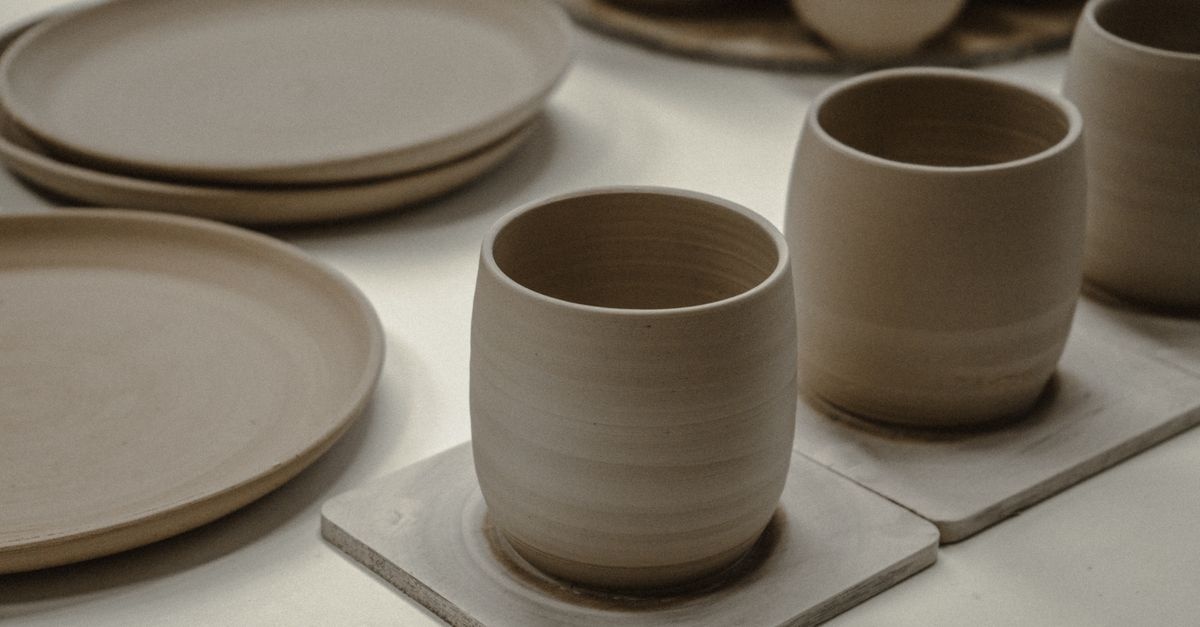
Clay is back in the spotlight, not just as a craft but as a design language. Whether you’re setting a cozy breakfast for two or staging an unforgettable dinner party, ceramics add warmth, texture, and a handcrafted soul that machine-made tableware can’t touch. This deep dive unpacks practical, chic, and adaptable Clay ceramic table decor ideas that elevate any setting—from rustic farmhouse to Japandi minimalism—while keeping meals comfortable and conversation flowing.
Why Clay Belongs on the Table: The Material Magic
Clay carries a quiet charisma. Each thrown bowl, slab-built platter, or sculpted candle holder bears subtle marks of the maker’s hand, adding nuance and authenticity to your table. Beyond looks, clay excels at blending durability with tactility. Stoneware and porcelain handle daily use; terracotta and earthenware lend artisanal charm. Together, they create a narrative-rich tablescape that feels curated, not contrived.
- Tactile warmth: Matte glazes, grooved rims, and sandy textures invite touch and visually soften metal and glass.
- Color depth: Mineral pigments and layered glazes yield complex, light-catching tones you won’t get from plastics.
- Longevity: Well-fired stoneware and porcelain are workhorses—often dishwasher- and oven-safe.
- Versatility: Clay adapts to many aesthetics, from coastal terracotta to sleek monochrome porcelain.
Build Your Foundation: Plates, Bowls, and Chargers
A strong tablescape begins with foundations. Choose dinnerware that balances beauty and performance. Start with one or two ceramic types (e.g., stoneware plates + porcelain bowls) and complement with chargers or placemats to frame the setting.
Pick a Palette with Purpose
Select a color family that supports your mood: creamy off-whites for calm, deep indigo for drama, terracotta for sun-warmed rusticity. Anchor the table with a base color, then introduce a secondary hue via salad plates or accent bowls. This restrained approach keeps the look cohesive while leaving room for playful details elsewhere.
- Neutral base + accent: Ivory plates, smoke-gray bowls, and a single cobalt serving dish.
- Earth-forward: Oatmeal stoneware, terracotta charger, olive-glazed bread plates.
- Modern monochrome: Black matte dinner plates paired with satin-black candle holders for sculptural unity.
Mix-and-Match Without the Mess
Combining handmade pottery from different makers can feel fresh—if you keep a few constants. Align either the gloss level (all matte, for instance), the rim profile (all slightly irregular or all crisp), or the dominant hue to eliminate visual noise.
- Pair a speckled stoneware plate with a smooth, satin-glazed bowl in a shared tone.
- Unify varied pieces with identical linen napkins or a repeating ceramic motif (e.g., footed bowls at each setting).
- Use a common charger or placemat to frame mixed pieces and create a cohesive silhouette.
Scale and Proportion for Real Dining
Beautiful doesn’t matter if plates don’t fit or glasses collide. Map your table’s clearances: leave 22–24 inches per diner, and reserve a centerline channel for decor and serving. Choose chargers 12–13 inches wide and dinner plates 10–11 inches to avoid overhang on modest tables.
- Small table? Skip chargers and use a slim ceramic runner or flat platter as the centerpiece base.
- Round table? Favor round plates and bowls to echo the shape, or use ovals to introduce gentle contrast.
- Rectangular table? A mix of round plates and elongated serving pieces keeps the geometry lively.
Centerpieces That Steal the Show (and Make Space for Food)
The right centerpiece anchors the table’s mood without hogging real estate. Think height variety, negative space, and easy reach—especially at family-style meals.
The Single-Statement Ceramic Vase
A tall, sculptural vase in stoneware or porcelain can carry the room. Use airy branches or a few oversized blooms to maintain sight lines. Choose a glaze that echoes your plates for harmony or contrasts for drama.
- Tip: If the vase is tall, keep florals sparse above eye level to preserve conversation.
- Place the vase on a low ceramic platter to visually ground it and catch stray petals.
Clustered Bud Vases and Mini Vessels
Three to seven petite bud vases scattered along a runner feel abundant yet light, perfect for narrow tables. Mix heights and finishes—matte, satin, gloss—within a tight color story for a gallery-like effect that embodies modern Clay ceramic table decor ideas.
- Alternate single stems with empty vessels for sculptural negative space.
- Echo glaze colors from plates or napkin rings for cohesion.
Footed Bowls, Pedestals, and Compotes
Elevated bowls add vertical interest without blocking views. Fill them with seasonal produce, pinecones, citrus, or even unscented candles. Their lift invites guests’ eyes to travel, creating rhythm down the table.
Sculptural Candle Holders
Ceramic candle holders—archways, loops, or simple tapers—bring gentle glow and artisanal lines. Stick to unscented candles near food, and vary heights for a soft, layered lightscape.
- Place a ceramic trivet beneath clusters to protect wood and define the vignette.
- Intermix tea lights in tiny pinch pots for flicker at table height.
Centerpiece Rule of Thumb: If you can’t easily pass a bowl of salad across the centerpiece, it’s too wide or tall. Keep the centerline functional first, poetic second.
Layering Textures: Linens, Glass, and Natural Accents
Ceramics sing when layered with complementary materials. Texture contrast is your styling superpower.
Linens + Clay = A Perfect Marriage
Rough-spun linen tablecloths and napkins soften the density of clay. For a cleaner look, opt for cotton sateen runners to highlight matte stoneware. Color-block napkins can punctuate a neutral tablescape without overwhelming it.
- Neutral linen under earthy glazes = calm, grounded, and timeless.
- Striped runner under speckled plates = casual bistro energy.
Glassware and Flatware as Supporting Cast
Faceted glassware adds sparkle next to matte plates; smoked or tinted glass lends mood. Brushed brass or blackened steel flatware pairs beautifully with both glossy and natural glazes, introducing shimmer and structure.
Organic Touches
Wood chargers, woven rattan, and sprigs of olive or eucalyptus reinforce clay’s earthy DNA. These natural accents make simple Clay ceramic table decor ideas feel intentional and editorial.
Style by Aesthetic: From Japandi to Farmhouse
Clay is a shape-shifter. Use the same base dinnerware to tell entirely different style stories by swapping a few elements.
Japandi Minimalism
Think neutral stoneware with tight silhouettes, black or ash glazes, and low arrangements of branches or ikebana-inspired blooms. Keep the palette calm: fog gray, charcoal, natural linen.
- Use shallow bowls as plates for a subtle, sculptural twist.
- Limit your centerpiece to one vessel and two stems.
Rustic Farmhouse
Speckled glazes, hand-thrown mugs, and terracotta accents. A striped runner, stacked bread plates, and a chunky pitcher of wildflowers create instant warmth.
- Layer a terracotta charger under cream stoneware for depth.
- Center a bread loaf on a ceramic slab for family-style charm.
Mediterranean Sun
Lean into terracotta, olive, and ocean blue. Use a white tablecloth for contrast and keep flowers citrusy: lemons, kumquats, or olive branches in a simple amphora-style vase.
Modern Monochrome
All black or all white with a play of finish: glossy vases, matte plates, satin candle holders. Add a single accent color—emerald napkins, perhaps—to cut the severity.
Color-Forward Maximalism
Layer bold glazes—sunset coral, teal, saffron—against patterned linens. Keep shapes simple to avoid chaos, and repeat two colors throughout so the palette feels curated rather than chaotic.
Seasonal and Occasion-Based Tables
Refresh your table through the year with subtle swaps. You don’t need new dinnerware each season—change runners, centerpieces, and accent ceramics.
Spring Brunch
Lighten up with pale speckled plates, mint or blush bud vases, and a footed bowl of strawberries. Linen napkins in soft sage complete a breezy vibe.
Summer Alfresco
Durable stoneware plates and rustic pitchers on a bare wood table. Cluster short ceramic candle cups to hold citronella tea lights. Citrus piled high in compotes is both decor and dessert.
Fall Harvest
Warm glazes—rust, ochre, deep green—against a flax runner. Fill a low ceramic tray with mini gourds and pomegranates. Add taper candles in earthy holders for golden glow.
Winter and Holidays
Lean into contrast: winter-white porcelain next to black stoneware chargers. Evergreen clippings in matte vases, and a sprinkle of metallic flatware or ceramic luster glazes for festive sparkle.
Weddings and Celebrations
Elegant porcelain plates paired with minimalist stoneware vases holding airy florals. Name cards tucked into tiny ceramic place card stands. A cohesive set of candle holders leads the eye down long banquet tables.
Small Spaces and Budget-Friendly Styling
Even a tiny dining nook can feel special with the right moves. Focus on scale, storage, and multi-use pieces.
Two-Person Tables
- Use salad plates as dinner plates to save space and create a refined proportion.
- One low, elongated ceramic tray doubles as centerpiece and serving board.
- Opt for stackable bowls and nesting platters to reduce clutter.
Thrift, Rent, and Mix
Gather a collection of secondhand pottery in a tight color story. Renting specialty pieces for events lets you experiment. Combining new and vintage enhances patina and story.
DIY Clay Projects
Air-dry clay is perfect for napkin rings, menu holders, and small pinch bowls. Keep finishes simple—smooth, sanded edges; white acrylic paint; matte sealant—and use them to personalize place settings while trying out new Clay ceramic table decor ideas without a big investment.
Practicalities: Flow, Service, and Real Food
Beauty should serve hospitality. Prioritize how people will eat, pass dishes, and enjoy one another’s company.
Set the Place, Not the Museum
- Limit each setting to three layers max: plate, napkin, and a small bowl or bread plate.
- Position water glasses above the knife tip; wine glass just to its right.
- Leave 6–8 inches of centerline space free for shared dishes.
Serving Pieces that Work Hard
Choose a few versatile ceramic platters: one long rectangular for mains, a wide shallow bowl for salad, and a mid-sized platter for sides. Neutral glazes ensure they coordinate with any theme.
Centerline Footprint
Plan a modular centerpiece: three groups you can quickly compress or expand as dishes arrive. Trays help move decor en masse so service stays smooth.
Lighting and Ambience
Lighting is your secret ingredient. Clay plays beautifully with warm light, emphasizing texture and depth.
Candle Safety with Ceramics
- Use heat-safe ceramic holders and place a cork or felt pad under pieces to protect delicate surfaces.
- Keep flames at least 3 inches from florals or linens.
- Opt for unscented candles near food; choose beeswax for a soft, honeyed glow.
Reflective Glazes and Glow
Glossy white vases bounce candlelight and brighten darker tables; matte black holders concentrate glow and feel intimate. Mix finishes to sculpt the light across your tablescape.
Glaze and Color Theory for Tables
Color temperature matters. Warm glazes (terracotta, honey, cream) enhance roasted foods and wood tones. Cool glazes (gray, blue, slate) sharpen greens and seafood presentations.
Warm vs. Cool
- Warm set: Cream plates + ochre bowls + brass flatware + linen in flax.
- Cool set: Slate plates + mist-gray bowls + blackened steel flatware + dove-gray linen.
Matte vs. Gloss
Matte glazes minimize glare and photograph beautifully; gloss adds pop and pairs well with candlelight. Try a matte plate with a glossy bowl to define edges and enhance the food’s color.
Care, Cleaning, and Longevity
Take care of ceramics so they keep telling your story for years.
Stain Prevention
- Oily or acidic foods? Rinse promptly and soak briefly with mild detergent.
- Avoid metal scouring pads; use a nylon brush or baking soda paste for marks.
- For raw terracotta, apply a food-safe sealant on serving surfaces if needed.
Dishwasher vs. Handwash
Most high-fired stoneware and porcelain handle dishwashers, but handmade pieces with delicate rims or specialty glazes prefer a gentle handwash. Always check the maker’s guidance.
Repair and TLC
For small chips on non-food-contact edges, a ceramic repair kit can mask the mark. Reserve damaged pieces for decor if structural integrity is compromised.
Sourcing Sustainably and Ethically
Part of the appeal of clay is its connection to place and people. Curate with intention.
Support Local Potters
Buying from local makers fosters community and often yields pieces designed for daily use. Studio sales are great for scoring seconds at a discount—tiny glaze quirks, big character.
Vintage and Secondhand
Thrift stores, estate sales, and online marketplaces are treasure troves. Mix vintage finds with contemporary stoneware to add depth and story to your Clay ceramic table decor ideas.
Materials That Matter
Seek lead-free glazes and food-safe finishes. Ask about firing temperatures (cone 6–10 stoneware is a durable standard) and production practices if sustainability is a priority.
Styling Recipes You Can Copy-Paste
Use these foolproof blueprints to set a table in minutes.
The 3-5-7 Centerpiece Rule
- Three ceramic bud vases clustered off-center.
- Five tea lights in tiny pinch pots spaced between place settings.
- Seven elements total including a low platter of fruit—balanced but not busy.
Asymmetric Runner
Place a ceramic runner or elongated platter slightly off-center. Add two staggered vases at one end and a single footed bowl at the other. This breaks symmetry while keeping the eye moving.
Height Play
- Low: ceramic tray with fruit or candles at table height.
- Medium: footed bowl or squat vase with greens.
- Tall: one slim vase with airy branches—seated eye line remains open.
Common Mistakes (and Easy Fixes)
- Overcrowding: If guests can’t place a serving bowl, remove or compress decor. Use trays for quick edits.
- Too many colors: Cap your palette at three dominant hues and one metallic.
- Uniform height: Add a footed piece or taller vase to avoid a flat horizon.
- Shiny overload: Introduce matte ceramics or linen to absorb light and restore balance.
- Ignoring function: Choose heat-safe, food-safe ceramics so style never fights service.
A Quick-Start Checklist
- Pick a palette: 1 base + 1–2 accents.
- Choose foundations: dinner plate, bowl, optional charger.
- Select a centerpiece strategy: single vase, cluster of minis, or footed bowl.
- Add texture: linen runner/napkins, wood or rattan accents.
- Layer lighting: ceramic candle holders at varied heights.
- Plan service flow: leave centerline room and keep decor modular.
- Personalize: DIY napkin rings or thrifted accent vessels.
Ten Inspired Clay Ceramic Table Decor Ideas to Try This Week
Steal these simple, high-impact moves for instant refinement.
- Swap your standard centerpiece for a single statement vase with two branches—elevated in minutes.
- Line up five mini bud vases with single stems to create a dynamic runner alternative.
- Use a footed compote filled with lemons as a bright, edible centerpiece.
- Set matte stoneware plates over woven placemats to frame the clay texture.
- Create a tea light constellation in pinch pots down the centerline for soft, low lighting.
- Corral salt, pepper, and oils on a ceramic tray for a neat, intentional vignette.
- Introduce mismatched salad plates in a single color family for playful layering.
- Style candle holders in odd numbers (3 or 5), mixing heights and finishes.
- Fold napkins through DIY clay rings to personalize place settings.
- Anchor everything on a neutral linen runner to harmonize mixed ceramics.
Wrap-Up: From Kiln to Centerpiece
Clay’s power lies in its paradox: humble yet luxurious, sturdy yet nuanced, classic yet current. With a few well-chosen pieces and thoughtful layering, you can craft tables that feel inviting and memorable without becoming fussy. Use these Clay ceramic table decor ideas as a springboard—mix handmade stoneware plates with glossy vases, balance heights, and let natural textures do the heavy lifting. When you combine function with feeling, every meal becomes an occasion, and every occasion becomes a story told in clay.
Bonus: Sources, Terms, and Notes for the Curious
- Stoneware: High-fired, durable, slightly porous; great for daily use.
- Porcelain: High-fired, vitrified, often thinner and lighter; elegant and strong.
- Earthenware/Terracotta: Lower-fired, more porous; wonderful for decorative pieces and rustic serving.
- Glaze Types: Matte (soft, modern), satin (versatile), gloss (reflective, festive); speckled and reactive glazes add depth.
- Care Cue: Always confirm food-safety and dishwasher guidelines with the maker, especially for lustre or specialty finishes.
Ready to set a table with heart? Start with one piece you love—a bowl, a vase, a plate—and build out from there. With clay at the core, the rest falls beautifully into place.