The Edited Home is not about stark minimalism; it is about clarity. It is a way to shape rooms so they hold only what serves your life, elevating space, calm, and style. If you have ever wondered how to design a home without excess items while keeping it warm, personal, and functional, this guide offers a comprehensive path—from mindset and method to room-by-room tactics and long-term maintenance.
What It Means to Live in an Edited Home
An edited home is curated rather than crowded. It favors function, feeling, and flow over filling every corner. Instead of buying more, you focus on using better—better placement, better proportion, better purpose. The goal is not to strip your home bare but to make it lighter, more coherent, and easier to love.
Editing vs. Decluttering
Decluttering is a clean-out; editing is a craft. Decluttering removes items you don’t want. Editing builds a cohesive narrative with what remains and what you selectively add. Editing considers scale, color, texture, rhythm, and negative space. It answers a design question many people ask today: how to design a home without excess items while also achieving warmth and character.
Benefits You Can Feel
- Space: Fewer pieces mean clearer circulation paths and more visual room, making any home feel larger.
- Calm: Less visual noise lowers cognitive load and stress, supporting better rest and focus.
- Style: When the extras fall away, the essentials shine. Materials and forms take center stage.
- Time: Fewer things to clean and manage frees your schedule for what matters.
- Sustainability: Buying less and buying better reduces waste and encourages repair over replacement.
Core Principles of an Edited Aesthetic
Before we cover how to design a home without excess items step by step, anchor your project in these principles. They will guide every choice you make—what to keep, what to add, and what to let go.
1) Purpose-Led Rooms
Every room should answer a clear question: What do we do here? When the function is specific—read, eat, rest, create—decisions simplify. Pieces that don’t serve that purpose become extraneous and naturally fall away.
2) Quality Over Quantity
Choose fewer, better items. Materials like solid wood, linen, wool, steel, and stone age gracefully and reduce the need for duplicates. One well-made sofa can outstyle and outlast three trendy ones.
3) Cohesion Through Palette and Materials
Design a compact color palette (two to three base colors, two accent hues). Repeat materials across rooms—oak, matte black metal, natural fibers—to build a coherent story. Consistency prevents the visual clutter that comes from variety without intention.
4) Negative Space as a Design Tool
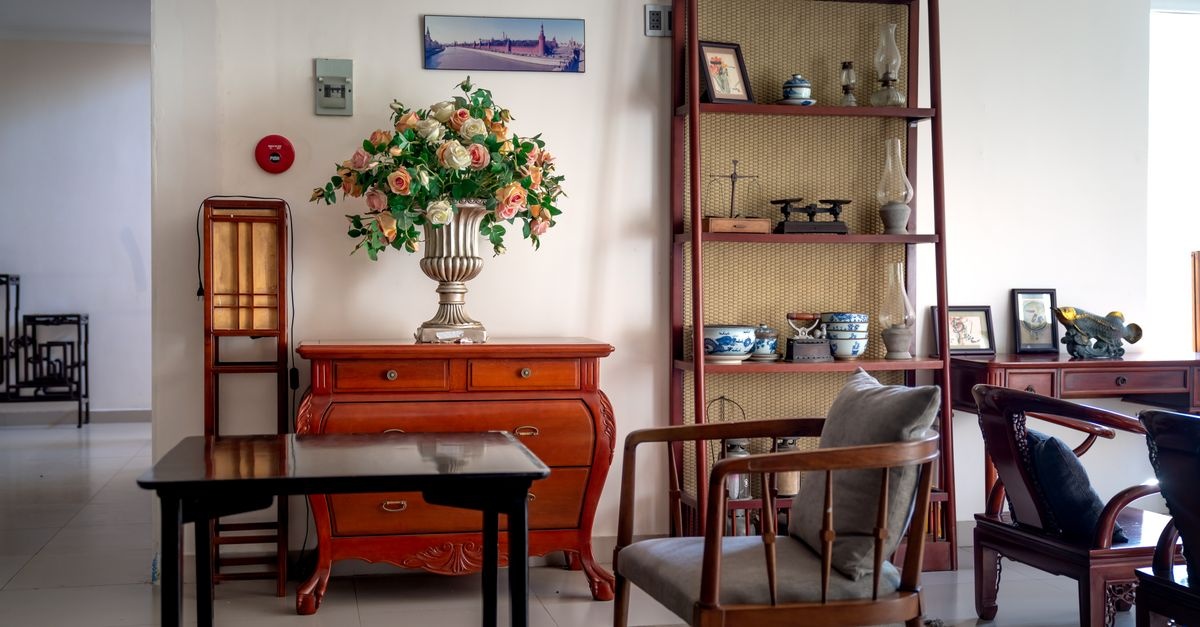
Empty space is not wasted space. Breathing room around furniture and on shelves lets each element read clearly. Resist the instinct to fill: a single sculptural vase on a console can be more impactful than a collage of objects.
5) Layer Textures, Not Things
Swap quantity for tactility. Mix woven textiles, stoneware, smooth lacquer, and open-grain wood to create richness without crowding. Texture delivers warmth minimal color cannot.
How to Design a Home Without Excess Items: A Step-by-Step Guide
Below is a clear, repeatable process for how to design a home without excess items and still achieve a welcoming, personal space. Work room by room, and revisit seasonally.
Step 1: Set a Vision and Constraints
- Write your intent: e.g., “A calm, bright living room for reading and conversation; seating for five; clutter-free surfaces.”
- Pick your palette: Three core colors and two accents. Document them.
- Define constraints: Budget, storage boundaries (e.g., “All media fits in one cabinet”), and timeline.
Constraints force creativity and prevent creep. They also clarify how to design a home without excess items that still satisfies function and emotion.
Step 2: Audit What You Own
- Empty the room. Temporarily remove decor and small furniture to reset your eye.
- Keep, Edit, Release: Keep what supports the room’s purpose; edit items that need repair or refinishing; release duplicates and off-palette decor.
- Measure and map: Note dimensions of must-keep pieces. Draw a scale floor plan for fit and flow.
This stage is where most discover the simplest answer to how to design a home without excess items: reduce, then refine.
Step 3: Plan Storage You’ll Actually Use
Clutter rarely vanishes—it relocates. Design frictionless storage so items return to a logical home:
- Closed storage for visual calm: Media cabinets, paneled wardrobes, lidded baskets.
- Vertical use: Wall-mounted shelves, tall bookcases with doors, over-door racks.
- In-drawer systems: Adjustable dividers for cutlery, tools, and cosmetics.
- One-in, one-out rule: Especially for linens, books, kids’ toys, and kitchen gadgets.
Good storage is the backbone of how to design a home without excess items that stays serene in daily life.
Step 4: Furnish for Flow and Function
- Right-size pieces: Prioritize scale. A smaller sofa that fits breathes better than an oversized sectional.
- Multi-function furniture: Ottomans with storage, nesting tables, extendable dining tables, daybeds in offices or guest rooms.
- Light legs and lifted forms: Furniture on legs exposes more floor, visually enlarging the room.
Curate fewer, better pieces and arrange them to support the room’s purpose. This is the practical heart of how to design a home without excess items.
Step 5: Style With Restraint
- Rule of odds: Style surfaces with one, three, or five objects—varied in height and texture.
- Breathing zones: Leave at least one-third of each surface empty.
- Visual anchors: One large art piece often beats a busy gallery wall (unless carefully edited).
- Greenery with intention: One sculptural plant or a simple branch in water can transform a vignette.
Styling shows you how to design a home without excess items that still feels alive: it’s about focus, not volume.
Step 6: Light for Clarity and Warmth
- Layered lighting: Ambient (ceiling), task (desk, reading), and accent (sconces, picture lights).
- Dim-to-warm LEDs: Adjustable color temperature keeps evenings soft and mornings bright.
- Sheer window treatments: Maximize natural light and soften lines.
Good light makes edited spaces glow and reduces the temptation to over-decorate.
Step 7: Maintain With Micro-Habits
- Five-minute reset: Each night, return items to their zones.
- Weekly shelf edit: Scan surfaces for drift. Remove what no longer serves.
- Seasonal audit: Reassess textiles, decor, and wardrobe; donate or sell responsibly.
Maintenance is the final answer to how to design a home without excess items that remains effortless month after month.
Room-by-Room Strategies
Every space has unique demands. Use these focused tactics to apply the edited approach throughout your home.
Entryway
- Contain the landing zone: Closed shoe cabinet, wall hooks, and a tray for keys and mail.
- Durable materials: Flat-weave rug, wipeable bench, and a mirror to reflect light.
- One statement, not many: A single art piece or sculptural hook rail.
Living Room
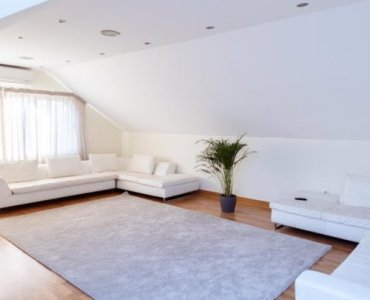
- Define zones: Seating around conversation, not the TV; reading corner with a floor lamp.
- Limit the palette: Keep decor within your set colors/materials to avoid visual clutter.
- Closed storage for media: Cables corralled, remotes in a drawer, board games in baskets.
Here you can demonstrate how to design a home without excess items without losing comfort: one throw, one tray, one plant—done.
Kitchen
- Decant and label: Clear containers reduce packaging chaos.
- Counter discipline: Keep only daily-use appliances out; store the rest.
- Zone cabinets: Prep, cook, bake, serve—group tools by task.
- Capsule cookware: A few multi-purpose pans beat a cabinet of one-trick gadgets.
Bedroom
- Calm color story: Mid-tone or soft neutrals to support rest.
- Nightstand simplicity: Lamp, book, water—use drawers for the rest.
- Wardrobe edit: Capsule closet by season, slim hangers, drawer dividers.
An edited bedroom showcases how to design a home without excess items that actively supports your sleep and routine.
Bathroom
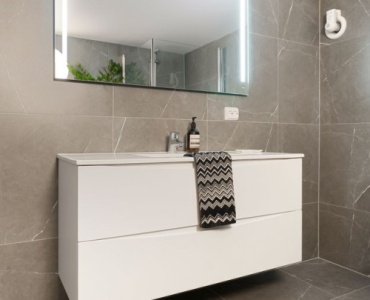
- Uniform bottles: Refillables streamline sightlines.
- Vertical caddies: Inside cabinets and in showers to free counters.
- Towel logic: Two per person plus guests; store extras out of sight.
Home Office
- Cable hygiene: Under-desk trays and clips.
- Paper policy: Scan, shred, recycle; file essentials in labeled boxes.
- Focused backdrop: One shelf of references; plants for life; no outdated decor.
Kids’ Spaces
- Rotate toys: Keep a small active set; store the rest in bins.
- Label with icons: Picture labels invite kids to tidy independently.
- Low, open storage: Makes resetting the room achievable for little hands.
Small Spaces and Rentals
Constraints amplify the benefits of editing. In compact homes, the question of how to design a home without excess items becomes urgent—and deeply rewarding.
Think Vertical and Flexible
- Wall storage: Shelves above doors, peg rails, magnetic strips.
- Foldable and nesting pieces: Collapsible dining chairs, nesting tables, stowable stools.
- Mirror strategy: Large, well-placed mirrors bounce light and extend sightlines.
Rental-Friendly Upgrades
- Peel-and-stick solutions: Backsplashes, wallpaper, and floor tiles.
- Clip-on lighting: Plug-in sconces to create layers without rewiring.
- Freestanding storage: Armoires and kitchen carts that move with you.
Shopping and Sourcing: Buy Less, Choose Well
Editing is not just subtraction; it is curated addition. When you do buy, make it count.
Adopt a Capsule Mindset
- Define gaps: Let function lead. Do you need a reading lamp or do you simply want a new lamp?
- Test the fit: Check scale and style against your palette and plan.
- Sleep on it: A 48-hour pause prevents impulse purchases.
Source Sustainably
- Secondhand first: Vintage markets, online marketplaces, and local buy-nothing groups.
- Materials matter: Favor repairable, recyclable components and low-VOC finishes.
- Support artisans: Handcrafted pieces add soul without adding clutter.
Sustainability and the Edited Home
Designing with less is inherently greener. It reduces extraction, transport, and disposal. If you are exploring how to design a home without excess items from an eco-perspective, embrace circular practices:
- Repair before replace: Reupholster, refinish, rewire.
- Modular systems: Storage and shelving that adapt to new rooms and needs.
- Material stewardship: Donate responsibly; recycle metals, glass, textiles.
Common Mistakes (and How to Fix Them)
- Mistake: Bare equals boring. Fix: Add texture—nubby linen, woven baskets, stoneware, and one bold art piece.
- Mistake: Over-reliance on open storage. Fix: Mix in closed cabinets for a calm visual baseline.
- Mistake: Buying storage for clutter. Fix: Edit first; then size storage to what remains.
- Mistake: Inconsistent palette. Fix: Establish and repeat your colors and materials.
- Mistake: Ignoring scale. Fix: Measure, map, and mock-up with painter’s tape before buying.
Micro Case Studies: Before and After, the Edited Way
Case 1: Chaotic Living Room to Calm Hub
Before: Oversized sectional, mixed side tables, wall of small art, visible cables. After: Right-sized sofa and two light chairs, single large artwork, media concealed in a closed cabinet, cable management in place. Result: More seating, more calm, more style—with less.
Case 2: Cluttered Kitchen to Efficient Galley
Before: Counters crowded with appliances, mismatched containers, overflow drawers. After: Capsule cookware, decanted dry goods, one appliance out, the rest stowed; drawer dividers and vertical pan storage. Result: Faster prep and cleanup; no visual noise.
Case 3: Bedroom Overload to Restful Retreat
Before: Busy bedding, piles of books, multi-colored decor. After: Tight color palette, closed nightstands, art reduced to one piece, lighting layered. Result: Deeper rest, easier mornings.
A 30-Day Editing Plan
If you want a practical sprint for how to design a home without excess items, follow this month-long cadence:
- Week 1: Vision, palette, and whole-home audit. Set constraints and storage strategy.
- Week 2: Entry, living room, and dining: edit, furnish for flow, style with restraint.
- Week 3: Kitchen and bath: decant, zone, and reduce counter exposure.
- Week 4: Bedrooms, office, and kids’ spaces: wardrobe edit, cable hygiene, toy rotation.
- Daily: Five-minute resets; capture “wants” on a list, not in a cart.
Design Details That Make a Big Difference
- Line discipline: Align artwork tops, shelf heights, and curtain rods for order.
- Curtain strategy: Hang high and wide to expand perceived height and width.
- Rug sizing: Large enough to ground furniture; avoid floating rugs.
- Hardware harmony: Repeat finishes across rooms for cohesion.
- Biophilic touches: Plants, wood grain, and stone calm the eye and connect you to nature.
Mindset Shifts to Sustain the Edit
The most enduring insight into how to design a home without excess items is psychological, not logistical.
- Enough is a skill: Decide what “enough” looks like before you shop.
- Curate, don’t accumulate: Treat new items as cast members joining an ensemble.
- Celebrate space: Value what you removed as much as what you kept.
Sample Checklists You Can Reuse
Surface Styling Checklist
- Anchor piece (tray, stack of two books, or low bowl)
- Vertical element (lamp, branch, sculpture)
- Textural layer (linen runner, stone coaster)
- Breathing room (leave 30–50% empty)
Monthly Reset Checklist
- Edit one drawer in each key room
- Return or donate any unused decor
- Vacuum and rotate cushions and rugs
- Wipe and relabel pantry containers as needed
- Reaffirm palette and wishes: add to list, not to cart
Frequently Asked Questions
Will my home feel cold with fewer things?
No—if you replace quantity with texture, warmth, and light. Think layered textiles, wood tones, gentle lighting, and greenery. This is central to how to design a home without excess items that still feels welcoming.
How do I handle sentimental pieces?
Keep a curated selection on display and rotate seasonally. Photograph the rest for memory-keeping and store only the most meaningful items in dedicated boxes.
What if I share my home with someone less minimal?
Agree on shared zones with clear rules (e.g., clutter-free dining table) and personal zones where each person has autonomy. Editing thrives on compromise and clarity.
Conclusion: Calm, on Purpose
The art of the Edited Home is learning how to design a home without excess items while making each remaining piece more meaningful. When rooms support what you do and how you want to feel, style becomes effortless. You gain space, time, and a deeper connection to your surroundings—not by adding, but by choosing. In a world of more, you will have mastered the power of enough.