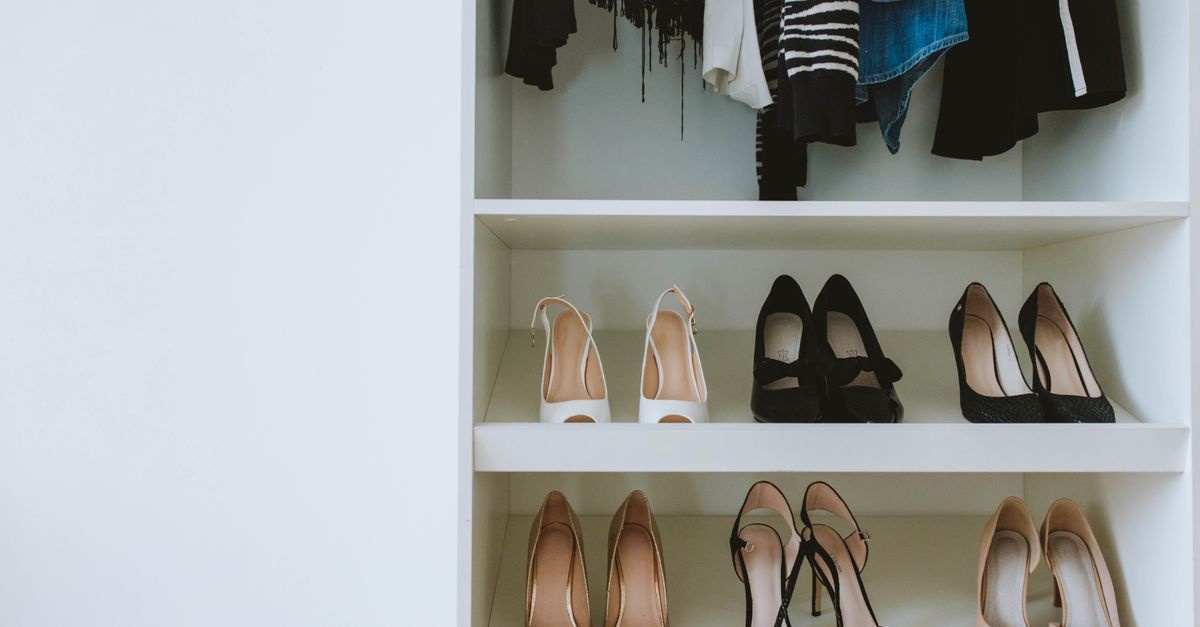
Your entryway is the home’s handshake—warm, brief, telling. If that first impression is a jumble of laces, boots, and rogue flip-flops, no amount of scented candles will save the vibe. The good news? You can have a calm, stylish threshold without sacrificing functionality. In this practical, design-forward guide, you’ll discover shoe storage ideas for the entryway that combine smart space planning, chic materials, and daily-life durability. We’ll cover micro halls and roomy foyers, rainy-day realities and polished finishes, renter-friendly hacks and investment pieces—all to help you kick off clutter for good.
The Entryway Equation: Form, Function, and First Impressions
Every successful entry solution balances three things: how it looks, how it works, and how it welcomes. You want storage that sits in the background yet quietly choreographs the flow—shoes land in the right spot, dry quickly, and look tidy even on busy weekdays. The following sections break down crucial decisions so you can choose solutions you’ll love using every single day.
Start Smart: Plan the Space Before You Buy
Thoughtful planning is the difference between a clever entrance and a clutter trap. Before you shop, take fifteen minutes to assess how your household actually uses the door.
Measure Once, Store Twice
- Door swing and clearance: Open your door fully and measure the arc. Any cabinet or bench needs at least 2 inches of buffer so it doesn’t get nicked.
- Depth limits: Many hallways cap out at 12–14 inches. Seek slim shoe cabinets (as little as 7–9 inches) or wall-mounted racks if space is tight.
- Wet zone: Identify where water tends to puddle. That’s your boot tray area—keep porous materials away from it.
Capacity Calculator: How Many Pairs Live at the Door?
Count the pairs that truly need to live near the threshold, not your entire collection. A realistic rule of thumb:
- Everyday pairs: 2–3 per adult; 2–4 for kids (including sports shoes).
- Seasonal extras: 1–2 (e.g., rain boots, snow boots).
- Guests: Space for 2–4 pairs, or stash foldable slippers in a basket.
Multiply and round up by 20%—that’s your active capacity. The rest rotates to a closet or under-bed boxes. Many of the shoe storage ideas for the entryway below emphasize this everyday/overflow split so your zone stays calm.
Choose Your Champions: Storage Types That Earn Their Keep
Instead of a single catch-all, think in layers: a surface for dropping keys, a sit-down moment for lacing up, breathable zones for drying, and closed compartments to keep visuals clean. Mix and match the following to suit your footprint and style.
1) Benches With Built-In Storage
Nothing beats a bench for daily ease. Pick from cubbies, drawers, or a flip-top seat.
- Best for: Families, pet owners, anyone who wants to perch while tying shoes.
- Style notes: Upholstered tops soften small spaces; slatted wood reads airy; metal frames skew industrial.
- Pro tip: Size cubbies to 6–8 inches high for sneakers; 14–18 inches for ankle boots. Add a boot bay at one end.
2) Slim Shoe Cabinets (Tilting or Flap-Front)
These shallow wonders (often 7–11 inches deep) eat up minimal floor space and hide visual noise. Ideal in narrow corridors.
- Best for: Apartments, narrow hallways, modern aesthetics.
- Look for: Ventilation gaps, adjustable dividers, and a top ledge for trays and mail.
- Note: Heavier boots may rest better on lower shelves or a separate tray.
3) Open Racks and Tiered Shelves
Open racks keep pairs visible and drying fast—perfect for daily drivers and kid shoes.
- Materials: Powder-coated steel for durability; bamboo for warmth; acrylic for a lighter visual footprint.
- Add-ons: Clip-on hooks for keys and totes; a shallow drip tray underneath in rainy climates.
4) Floating Shelves and Wall-Mounted Ledges
Mount a low run for shoes and a higher run for bags and hats. Keeps the floor clear (easy mopping!) and creates a linear, gallery-like look.
- Best for: Tiny entries where floor pieces crowd circulation.
- Tip: Use 10–12 inch depth; add concealed LED strips for a luxe touch.
5) Cubbies and Lockers
Assign each family member a vertical column: cubby for shoes, hook for coats, shelf for hats. Label discreetly.
- Best for: Busy households, mudroom-adjacent spaces.
- Material mix: Painted MDF carcass with rattan baskets and leather pulls bridges utility and style.
6) Console Tables with Baskets
A narrow console with baskets beneath is a stealth win. Top it with a tray and a lamp; stash sneakers in labeled bins below.
- Best for: Design lovers who prefer a living-room vibe at the threshold.
- Upgrade: Swap in lidded baskets for a cleaner line.
7) Vertical Towers and Corner Units
Go up when you can’t go out. Tall, narrow towers or triangular corner shelves turn dead zones into workhorses.
- Safety: Anchor tall units to studs. Keep heaviest items low.
- Pair with: A petite bench or stool to maintain that crucial sit-down moment.
8) Over-the-Door Organizers
Renter-friendly and space-maximizing. Choose fabric with mesh windows or rigid pockets for structure.
- Best for: Micro entries, kids’ rooms near a back door, utility closets doubling as drop zones.
- Refine: Use all-black or all-cream organizers to reduce visual clutter.
9) Rolling Carts and Under-Bench Drawers
Slide-out storage is satisfying and swift. A low cart on casters or deep drawers under a bench keeps floors clear.
- Best for: Tight spaces where every inch matters.
- Tip: Add moisture-resistant liners and cut ventilation slots on the back.
10) Boot Trays and Waterproof Mats
Consider these the unsung heroes—containment for grime and melt. Place by the door, then add more refined storage a step beyond.
- Materials: Metal with raised edges, rubber with ridges, or stone composite for weight and style.
- Elevate: Place the tray in a recessed niche or under a slatted platform for a spa-like detail.
Solutions by Space: Make the Most of Your Layout
There’s no one-size-fits-all entry. Here’s how to tailor shoe storage ideas for the entryway to your exact footprint.
Small or Studio Entry
- Go vertical: A narrow tower plus over-the-door pockets handles 6–10 pairs without floor sprawl.
- Choose slim: Flap-front cabinets as shallow as 7 inches look custom-fitted.
- Float it: Wall-mount rack and mini bench; keep a floor mat only where feet land.
Styling tip: Stick to a tight palette—two neutrals and one accent. Visual unity fakes spaciousness.
Narrow Hallway
- Rhythm over mass: Two or three short, slim cabinets spaced along the wall feel lighter than one big block.
- Curate the top: A single vase, a shallow tray—no piles. Mirror for bounce and brightness.
Corner or Alcove
- Turn the corner: L-shaped bench with hinged storage tucks in; add a tray at the wet end.
- Triangular shelves: Custom or DIY, they harness awkward angles for extra pairs.
Open Foyer
- Furniture, not fixtures: A console and an upholstered bench keep it airy and elegant.
- Hide in plain sight: A credenza with ventilated doors holds seasonal shoes without shouting “storage.”
Mudroom-Adjacent
- Zone it: Boot tray near the door, bench in the middle, tall cubbies farther in for overflow.
- Durability first: Waterproof floors, scrub-friendly paint, and powder-coated metal racks.
Style Without Sacrifice: Materials, Finishes, and Details
Durable doesn’t have to mean dull. Blend materials to balance strength, warmth, and easy maintenance.
- Wood tones: Oak and ash for Scandinavian calm; walnut for heritage richness; bamboo for eco-friendly resilience.
- Metals: Powder-coated black or white hides scuffs; brass details add low-key polish.
- Woven storage: Rattan or seagrass baskets warm up modern pieces and corral kid shoes fast.
- Acrylic: Clear risers or bins make small spaces look lighter and help you spot favorites.
- Hardware: Leather pulls, matte knobs, or concealed push latches refine the look.
Durability checklist: moisture-resistant baseboards, scrub-friendly wall finish, and a washable runner under your storage corridor.
Design Vibes: Match Storage to Your Aesthetic
Scandi/Japandi Calm
- Slatted oak bench, pale woven bins, and a peg rail with a linen tote.
- Keep pairs aligned and spaced for gallery-like order.
Modern Minimal
- Wall-mounted, slim white cabinets with flush fronts, hidden motion light beneath.
- One sculptural bowl for keys—nothing else on top.
Industrial Loft
- Black steel rack, reclaimed wood bench, concrete boot tray.
- Wire baskets with bold labels for fast family routing.
Coastal Easy
- Whitewashed console, blue-striped runner, rattan bins for sandals and slip-ons.
- Shell dish for keys, driftwood hooks for hats.
Farmhouse Fresh
- Beadboard-backed bench with cubbies, shaker pegs, and a galvanized boot tray.
- Cedar blocks tucked into bins for odor control.
Organize Like a Pro: Systems That Stick
Even the best furniture fails without a simple system. Bake behavior into your layout so it’s easier to put shoes away than to dump them.
- Zones: Wet zone (tray), quick-grab zone (open rack), tidy zone (closed cabinet).
- Labels: Minimal icons or names; keep them subtle to avoid visual noise.
- Rotation: Off-season shoes migrate to closets every 3–4 months. Keep only current pairs in the entry.
- Guest grace: Leave one lower shelf empty so visitors don’t hover with shoes in hand.
Want low-effort wins? Place the easiest storage—open rack or baskets—right where feet land. That’s the gravity zone.
Family and Pet-Friendly Tweaks
- Kid height: Lower hooks and floor-level bins make independence automatic.
- Durable liners: Use washable, waterproof mats in cubbies to catch grit.
- Pet corner: Stash a leash and wipes by the boot tray; choose closed bins for chew-prone households.
Budget and DIY: High-Impact, Low-Cost Moves
You don’t need a custom carpenter to land a polished look. Try these creative builds and hacks—many renters can adapt them without drilling.
IKEA Hacks that Shine
- Hemnes/Songesand shoe cabinets: Add wood dowel legs, paint in a custom hue, swap hardware for brass.
- Billy bookcase to cubbies: Turn shelves on their sides, add adjustable shelves for boots/sneakers, finish with basket fronts.
- Kallax bench: Lay a 1×4 cushion on top, add bins below, anchor with anti-tip brackets.
Weekend Projects
- Wall cleat + shelf: A French cleat holds a floating rack strong enough for daily use.
- Industrial pipe rack: Galvanized pipe frame with wood slats—sturdy, moody, and under $100.
- Crate stack: Stain three wooden crates, stack in a stagger, screw together, add felt pads.
Renter-Approved Tricks
- Tension poles: Create vertical dividers or mini shelves without holes.
- Command hooks and strips: Peg rails, light shelves, and labels that come off clean.
Care and Maintenance: Keep It Fresh
Even the chicest setup can go stale without upkeep. Build in micro-habits and smart materials for a perpetually fresh zone.
- Odor control: Cedar shoe inserts, activated charcoal pouches, and airing open racks.
- Moisture management: Add mesh trays under shelves; rotate wet boots to the boot tray first.
- Cleaning cadence: Weekly vacuum of the mat, monthly basket wipe-down, seasonal deep clean.
- Protective finishes: Poly or wax on wood shelves; rubber feet on racks to prevent floor scuffs.
Common Mistakes to Avoid
- Overbuying capacity: Too much open storage invites clutter. Match capacity to active pairs.
- Ignoring door swings: Measure before ordering anything tall or deep.
- No wet plan: Without a boot tray, mud creeps everywhere.
- Too many finishes: Keep materials cohesive for a calm visual field.
Curated Combos: Ready-to-Use Layouts
Not sure where to start? Steal one of these proven combos—each balances access, capacity, and a polished look.
Micro Entry (Under 36 inches wide)
- One slim tilting cabinet (9 inches deep) + oval mirror above.
- Over-the-door organizer behind for guests or overflow.
- Narrow rubber runner and a boot tray tucked to the hinge side.
Family Hallway (10 feet long)
- Two short benches with ventilated cubbies, staggered to keep flow.
- Three peg-rail sections at kid and adult heights.
- Closed cabinet at the far end for off-season pairs.
Statement Foyer
- Console table with two lidded rattan baskets below.
- Upholstered bench opposite with a stone boot tray and umbrella stand.
- Art + lamp for mood; hidden LED strip under the bench for night glow.
Eco and Wellness Considerations
- Materials matter: Choose FSC-certified wood, low-VOC finishes, and natural fibers for baskets.
- Air quality: Parking outdoor shoes at the door reduces indoor pollutants.
- Longevity: Modular systems extend lifecycle—swap a worn shelf instead of replacing the whole unit.
Quick Shopping Checklist
- Depth under 12 inches for narrow halls; under 10 if extremely tight.
- Ventilation for closed cabinets (slots, perforations, or breathable bins).
- Adjustable shelves to fit high-tops and ankle boots.
- Moisture-safe zones: trays, liners, or slatted shelves.
- Anti-tip hardware and floor protectors.
FAQs: Your Top Entryway Shoe Questions, Answered
How many shoes should live at the door?
Keep only current everyday and seasonal pairs—usually 3–5 per person—and rotate the rest to a closet. That keeps the space airy and the system sustainable.
What’s the best option for a super narrow hallway?
A slim, flap-front cabinet or a floating shelf at 9–11 inches deep. Pair it with an over-the-door organizer for guests or athletic shoes.
How do I keep wet boots from ruining wood floors?
Park boots on a waterproof tray with raised edges. Add a washable runner and ensure a small air gap beneath wood shelves for drying.
Open or closed storage?
Both. Open for daily pairs and drying; closed for visual calm and overflow. Layering is the sweet spot.
Any renter-friendly ideas?
Yes: over-the-door organizers, tension-pole shelving, freestanding slim cabinets, and Command-mounted hooks—all reversible without damage.
Putting It All Together: Your Action Plan
- Audit: Count active pairs and note your wet zone.
- Measure: Depth limits, door swing, and traffic patterns.
- Layer: Choose one quick-access solution and one concealed solution.
- Style: Pick a material palette—one wood tone, one metal, one woven texture.
- Maintain: Add odor control and set a 5-minute weekly reset.
Fresh Inspiration: 20 Chic Shoe Storage Ideas You Can Use Today
Need a spark? Here are twenty polished, practical shoe storage ideas for the entryway to mix and match:
- Wall-mounted, slim cabinet with leather pulls and a mirror above.
- Slatted bench with pull-out drip tray beneath the front edge.
- Console table with two lidded baskets and a compact table lamp.
- Corner tower for tall boots plus a low bin for slippers.
- Floating shoe ledge under a peg rail with hats and totes.
- Bamboo rack with an integrated umbrella slot.
- Acrylic risers inside a closed cabinet for double-decker capacity.
- Over-the-door organizer dedicated to gym shoes and guest pairs.
- Locker-style cubbies with numbered labels for kids.
- Rolling under-bench drawer lined with waterproof mats.
- Industrial pipe frame with reclaimed wood shelves.
- Compact credenza with ventilated cane doors.
- Triangular corner shelves with LED strip for a sculptural moment.
- Hidden toe-kick drawer under a built-in bench.
- Modular cubes stacked asymmetrically to fit wall switches.
- Fold-flat boxes for off-season storage atop a tall cabinet.
- Stone composite boot tray inset into a shallow platform.
- Magnetic key strip and mail slot above an ultra-slim rack.
- Two short slim cabinets separated by artwork for rhythm.
- Rattan baskets labeled by activity: commute, sport, weekend.
SEO Note: Natural Language, Real-Life Utility
We’ve woven practical, style-led shoe storage ideas for the entryway throughout this guide alongside related terms like entryway shoe rack, slim shoe cabinet, boot tray, and mudroom storage. That way, you get fresh inspiration that reads like design advice—not keyword salad.
Final Thoughts: Welcome Starts at the Threshold
When storage anticipates real life—mud, morning rush, guests with umbrellas—it stops being furniture and becomes hospitality. Choose a layered system that suits your layout and look, and your entryway does more than hide shoes: it sets the tone for everything beyond the door. With the right shoe storage ideas for the entryway, you’ll trade tripping hazards for an effortless hello, every single day.