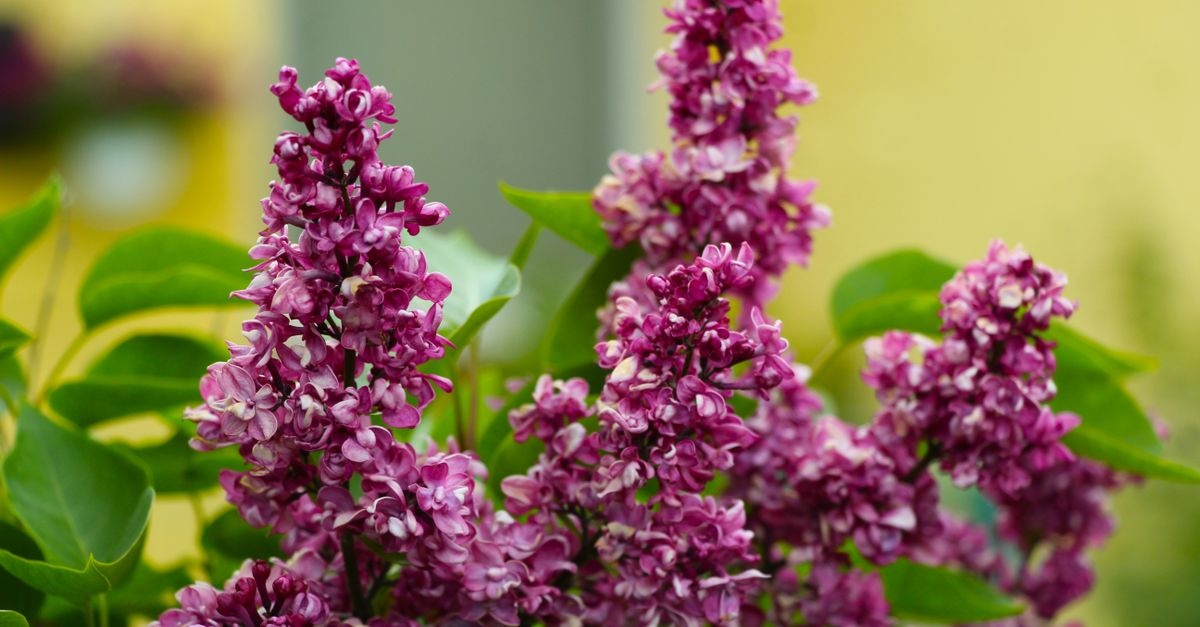
From Scent to Shade: Choosing the Perfect Lilacs for a Cottage Garden
Few plants say cottage garden quite like lilacs. Their nostalgic perfume carries on spring air, their blooms turn hedgerows into billowing clouds, and their sturdy frames stand gracefully behind herbaceous borders and picket fences. If you are wondering how to choose lilac shrubs for cottage gardens, the answer lies in balancing romance with realism: matching fragrance and flower color to your style, and aligning plant size, climate, and maintenance with your site and schedule. In this comprehensive guide, you will learn to evaluate varieties, bloom times, disease resistance, and design uses—so your lilacs become the fragrant backbone of a truly enchanting cottage landscape.
Why Lilacs Belong in Cottage Gardens
Cottage gardens celebrate abundance and intimacy. Lilacs contribute both: towering blossoms that feed pollinators and perfumes that draw you onto the path. Beyond beauty, lilacs are hardy, long-lived shrubs that, once established, require modest upkeep. With smart selection, you can ensure continuous bloom from early to late spring, manage shrub size for small plots, and choose cultivars that shrug off common issues like powdery mildew.
- Romantic fragrance: Iconic perfume that defines spring.
- Classic texture: Architectural shrubs that frame borders and entries.
- Pollinator appeal: Bees and butterflies adore their nectar-rich panicles.
- Longevity: Many lilacs thrive for decades with simple pruning and good sun.
Start With Site and Climate
Before diving into cultivar names, assess your garden’s conditions. The best method for choosing lilac shrubs for a cottage garden is to match plant to place first.
Sunlight
Lilacs bloom best in full sun—aim for 6 to 8 hours daily. Too much shade leads to sparse flowering, lanky growth, and increased disease pressure. In tightly packed cottage borders, avoid tucking lilacs under large trees or behind tall, dense shrubs that will steal light by midsummer.
Air and Drainage
Good air movement reduces mildew, and well-drained soil prevents root stress. Lilacs do not like wet feet; raised beds or sloped sites are ideal if you have heavy clay. In humid climates, choose mildew-resistant cultivars and plant with ample spacing.
Soil and pH
Lilacs prefer neutral to slightly alkaline soils (pH around 6.5–7.5). If your soil is strongly acidic, apply garden lime based on a soil test. Enrich the planting area with compost, but avoid heavy, soggy amendments that hold water around the crown.
Hardiness Zones
Most common lilacs (Syringa vulgaris) flourish in colder regions (roughly USDA Zones 3–7). If your climate is warmer, choose heat-tolerant or late-blooming species such as Syringa patula 'Miss Kim' or consider modern reblooming hybrids that have improved heat performance.
Know Your Lilac Types
To succeed at how to choose lilac shrubs for cottage gardens, get familiar with a few species and hybrid groups. Each offers trade-offs in size, fragrance, bloom time, and disease resistance.
Syringa vulgaris (Common Lilac)
The classic cottage lilac. Expect intoxicating fragrance, full-size shrubs (8–15 ft), and mid-spring bloom. Traditional heirlooms like 'Charles Joly' (magenta double), 'President Lincoln' (true lilac-blue), and 'Beauty of Moscow' (double blush opening to white) provide iconic cottage charm. Choose improved cultivars for better mildew resistance in humid climates.
Hyacinthiflora Hybrids
Early-blooming hybrids known for sweet fragrance and elegant panicles. They flower slightly ahead of common lilacs, extending your lilac season and bridging the display with tulips and early peonies.
Syringa x prestoniae (Preston Lilacs)
Late-blooming and very cold hardy, Prestons carry the show into early summer. They often have a looser, graceful habit and can be less prone to mildew. Great for northern cottage gardens seeking a long lilac season.
Syringa meyeri (Korean Dwarf Lilac)
Compact and tidy (3–6 ft), with smaller leaves and panicles. 'Palibin' is a favorite for small gardens, paths, and foundation plantings. Meyeri lilacs are usually cleaner-foliaged and highly suitable for modest cottage plots.
Syringa patula ('Miss Kim')
Late to bloom, reliably fragrant, and noted for better heat tolerance than many vulgaris cultivars. 'Miss Kim' (6–8 ft) often develops attractive reddish-purple fall color—an extra ornamental bonus.
Reblooming Hybrids
Modern compact selections (such as the Bloomerang series) bloom in spring and again in late summer to fall under good conditions. They bring steady fragrance to smaller cottage gardens and containers, though the second flush is typically lighter than spring's.
Syringa reticulata (Japanese Tree Lilac)
A small tree (20–30 ft) with creamy white summer flowers and handsome bark. While not a shrub, it can be the cottage garden’s vertical anchor behind perennials or along a lane, offering lilac-like charm at canopy level.
Matching Size and Habit to Your Space
One of the key steps in how to choose lilac shrubs for cottage gardens is sizing. Nothing undermines a quaint border like a shrub that engulfs the path or smothers nearby roses. Decide where your lilac will sit and choose a form that fits for decades, not just the first few years.
- Small gardens and narrow borders: Favor compact types like S. meyeri 'Palibin', S. patula 'Miss Kim', or reblooming dwarfs (3–6 ft). These pair well with picket fences, gates, and cottage entryways.
- Hedgerows and backdrops: Common lilacs and Prestons (8–15 ft) create classic privacy screens and seasonal hedges along property lines or behind flower beds.
- Specimens and focal points: A single, larger lilac can anchor a cottage lawn or path curve, especially heirlooms with exceptional fragrance or double flowers.
- Canopy interest: Japanese tree lilac adds height at the rear of deep borders, complementing layered cottage plantings without excessive shade.
Scent, Shade, and the Color Story
From cool lilac-blue to warm magenta and pure white, lilacs offer an artist’s palette for cottage schemes. 'Shade' here means not only dappled light beneath arbors, but also the nuanced shades of lilac hues that shape your garden’s mood.
Color Pairing
- Whites: 'Madame Lemoine', 'Mount Baker' — radiant near dusk and beautiful beside dark fences.
- Soft pastels: 'Beauty of Moscow', 'Katherine Havemeyer' — romantic partners for peonies, foxgloves, and columbines.
- True lilac-blues: 'President Lincoln', 'Maiden’s Blush' — anchor cool palettes with catmint, lavender, and salvias.
- Rich purples and magentas: 'Charles Joly', 'Andenken an Ludwig Späth' — dramatic with pale roses, alliums, and lady’s mantle.
- Bicolors and novelty: 'Sensation' (purple with white edge) — a conversation piece that enlivens classic borders.
Fragrance Notes
Intensity and character vary: some cultivars are voluptuously sweet, others cleaner and lighter. If scent is paramount, sample in bloom at a nursery or public garden. Cool mornings intensify perfume; plant near seating, gates, and pathways to savor the aroma as you pass.
Plan for a Long Lilac Season
To create a cottage garden that evolves through spring, stagger bloom times. Learning how to choose lilac shrubs for cottage gardens includes sequencing.
- Early: Hyacinthiflora hybrids start the show.
- Mid: Syringa vulgaris offers the classic wave of perfume.
- Late: S. x prestoniae and S. patula 'Miss Kim' carry fragrance into early summer.
- Bonus flush: Reblooming hybrids may add late-season color.
This layered approach maintains momentum in cottage borders where peonies, bearded iris, and roses are coming into bloom as lilacs bow out.
Disease Resistance and Low-Maintenance Choices
Nothing tests cottage romance like a shrub defoliated by mildew. Choose cultivars bred or selected for clean foliage and plant them with air circulation in mind.
Common Issues
- Powdery mildew: More likely in shade and humidity. Select resistant types like 'Miss Kim' or meyeri lilacs, and avoid crowding.
- Bacterial blight: Prune out infected wood promptly, sterilizing tools between cuts. Good air and no overhead watering help.
- Scale and borers: Keep shrubs vigorous with proper siting, and monitor stems in late spring. Horticultural oils during dormancy can manage scale if needed.
Healthy, well-sited lilacs are remarkably tough. If you garden in a high-humidity region, prioritize compact, resistant cultivars and generous spacing.
Soil Preparation and Planting Basics
Success with lilacs in cottage gardens starts underground. Here is a quick framework that supports how to choose and then establish your shrubs.
- Test and amend: Check pH; add lime if soil is very acidic. Work in 1–2 inches of compost to improve structure and drainage.
- Dig wide, not deep: The planting hole should be 2–3 times the width of the root ball and only as deep—set the crown at or just above soil level.
- Backfill and water in: Firm gently to remove air pockets; water deeply. Mulch 2–3 inches, keeping mulch away from the stems.
- Spacing: Allow 4–6 ft for dwarfs and 8–12 ft for full-sized shrubs unless forming a hedge, where closer spacing is acceptable.
Designing With Lilacs in Cottage Style
Informality and abundance define cottage design, but structure matters too. Lilacs bridge the two: upright bones in winter, clouds of bloom in spring, and a leafy backdrop for summer flowers.
Classic Combinations
- With roses and peonies: Time midseason lilacs to overlap with late peonies and the earliest roses; let lilacs form the green wall behind.
- With spires: Foxgloves, delphiniums, and lupines punctuate lilac billows and echo their vertical bloom.
- With aromatic herbs: Catmint, lavender, thyme, and dianthus provide a fragrant understory and a pollinator buffet.
- With bulbs: Underplant with alliums, daffodils, and species tulips to weave early color through lilac stems.
Structures and Views
Frame an arbor, soften a shed, or line a gravel path. Place lilacs where you can see and smell them from a kitchen window or evening bench. In tiny plots, a single dwarf lilac near the gate delivers maximal delight in minimal space.
Special Uses for Cottage Settings
Privacy Hedges
Stagger common lilacs and Prestons for a living, fragrant fence. Prune after bloom to keep the hedge dense and to encourage new flowering wood.
Standards and Espaliers
Grafted lilac standards elevate blooms to nose level in tight spots. Espalier is challenging but possible with dwarf forms against sunny walls.
Containers and Courtyards
Compact reblooming lilacs or S. meyeri 'Palibin' can thrive in large containers with gritty, well-drained mix and full sun. Water deeply, allow partial drying between waterings, and protect the container in very cold climates.
Buying Smart: Quality and Provenance
Good stock pays dividends for decades—central to mastering how to choose lilac shrubs for cottage gardens.
- Named cultivars: Purchase labeled varieties from reputable nurseries to ensure expected color, size, and fragrance.
- Healthy roots: For bare-root, look for fibrous, moist roots; for containers, avoid circling roots. No mushy or damaged crowns.
- Bud set: In late winter to spring, visible buds indicate vigor. Avoid plants with damaged or dry shoots.
- Disease check: Inspect leaves and stems for spots, cankers, or scale before buying.
Planting Step by Step
- Hydrate: Soak bare-root plants 1–2 hours before planting. Water container plants well.
- Prepare hole: Twice as wide as the root ball, same depth. Roughen sides of the hole to help roots penetrate.
- Set height: Place the plant so the crown sits at or slightly above the surrounding soil.
- Backfill: Use native soil mixed with compost; avoid heavy fertilizers at planting.
- Water and mulch: Water thoroughly; add a 2–3 inch mulch ring, leaving space around stems.
Care Calendar for Effortless Cottage Charm
Watering
Water deeply the first two growing seasons, aiming for slow, thorough soakings rather than frequent splashes. Once established, lilacs are fairly drought-tolerant but bloom best with consistent spring moisture.
Feeding
Go light on nitrogen, which pushes leaves at the expense of flowers. In late winter, apply a balanced, organic fertilizer or a thin layer of compost around the root zone.
Pruning
- Timing: Prune immediately after bloom; lilacs set next year’s buds in summer.
- Renewal: Each year remove a few of the oldest stems at the base to keep the shrub young and floriferous.
- Shaping: Lightly thin crossing branches to improve air flow; deadhead spent panicles on young shrubs to encourage vigor.
Mulching
Refresh mulch annually to conserve moisture and suppress weeds, but keep it off the stems to prevent rot.
Troubleshooting and Pro Tips
- No flowers? Check sun exposure, pruning time (avoid late-summer or fall cuts), and late frosts on buds. Excess nitrogen can also suppress bloom.
- Mildew on leaves? Increase spacing, improve air flow, and choose resistant cultivars next time. Morning sun helps dry foliage.
- Suckers or spreading? Some lilacs sucker naturally; remove unwanted shoots at the base or consider root barriers for formal borders.
- Deer and rabbits: Lilacs are generally deer-resistant, but young stems may be nibbled in winter. Use guards or repellents until established.
- Black walnut proximity: Lilacs show moderate tolerance to juglone, but plant outside the dripline for best performance.
Sustainability and Wildlife
Lilacs support bees and early butterflies when spring nectar is scarce. In a cottage system, they pair beautifully with other wildlife-friendly shrubs like viburnums and mock orange to build layered habitat. Water wisely, mulch to reduce evaporation, and prune by hand to keep the garden gentle and alive.
Putting It All Together: A Cottage Lilac Blueprint
Here is a sample plan that demonstrates how to choose lilac shrubs for cottage gardens while building a long, fragrant season:
- Backbone: One common lilac such as 'Charles Joly' for rich color and classic scent.
- Early accent: A hyacinthiflora hybrid near the gate to greet spring.
- Compact layer: S. meyeri 'Palibin' along a path for tidy structure and dependable bloom.
- Late note: S. patula 'Miss Kim' by a bench so fragrance lingers into early summer.
- Understory: Catmint, old roses, alliums, and lady’s mantle to carry color and texture through early summer.
This quartet stages scent from early to late while respecting scale and offering strong cottage character.
Regional Notes
- Cold climates: Prestons and common lilacs excel; avoid wind tunnels that desiccate buds.
- Humid summers: Choose mildew-resistant cultivars, provide air flow, and water at the base.
- Warmer zones: Trial 'Miss Kim', meyeri types, or rebloomers with heat tolerance; ensure ample winter chill if you want heavy bloom.
Frequently Asked Questions
Can I grow lilacs in partial shade?
They will survive but may bloom sparsely and develop more disease. For classic cottage abundance, prioritize full sun and choose compact, clean-foliaged cultivars if space forces some shade.
Are reblooming lilacs worth it for small gardens?
Yes, especially in containers or tight borders. Their second bloom is lighter, but they extend fragrance into late season and maintain a neat habit.
Do I need to deadhead?
Not required for mature shrubs, but deadheading young plants can direct energy into growth. Always finish any pruning right after spring bloom.
How do I make lilac colors pop in a busy cottage border?
Use contrasting foliage and bloom companions: soft chartreuse (lady’s mantle), silver-gray (lamb’s ear), or cool blues (salvia, catmint) to frame and intensify lilac shades.
What about soil that is very acidic?
Apply lime according to a soil test, and recheck pH annually until stable near neutral. Avoid heavy peat-based mulches that further acidify the root zone.
Quick Checklist: How to Choose Lilac Shrubs for Cottage Gardens
- Sun: 6–8 hours for strong bloom and clean foliage.
- Soil: Well-drained, near-neutral pH; add compost and lime if needed.
- Size match: Dwarfs for paths and entries; full-sized for hedges and backdrops.
- Bloom sequence: Early (hyacinthiflora), mid (vulgaris), late (preston/patula), plus rebloomers.
- Fragrance and color: Test-scent if possible; select hues that complement your perennials.
- Disease resistance: Prioritize clean-foliaged cultivars in humid regions.
- Source: Buy named, healthy plants from reputable nurseries.
Final Thoughts
In cottage gardening, the art of selection is half the magic. Understanding how to choose lilac shrubs for cottage gardens means reading your site, matching shrub size and bloom time to your design, and favoring cultivars that thrive with minimal intervention. Do this, and your lilacs will reward you with decades of perfume, color, and storybook charm—turning spring into a season you savor from the first bud to the last fading petal.