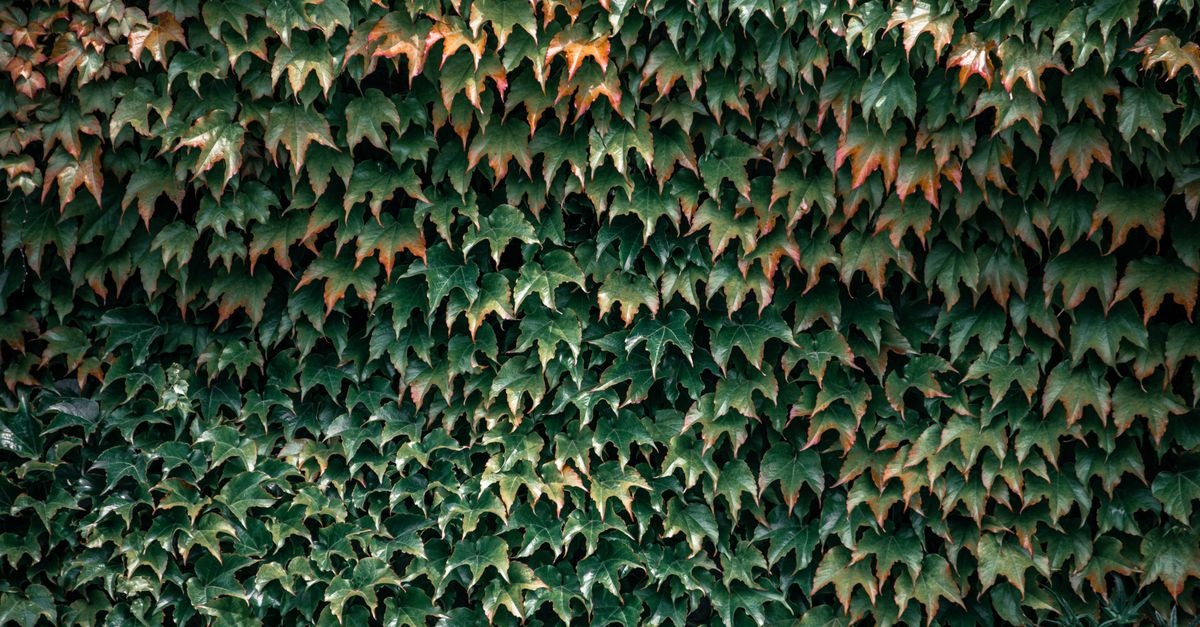
Ready to transform a stark facade into a living, year-round green backdrop? With the right ivy and smart care, you can cover brick, stone, or render with a durable, wildlife-friendly curtain of foliage. This in-depth guide explains how to choose common ivy climbers for walls, match species and cultivars to your site, plant correctly, and keep growth healthy and controlled for decades.
Quick Answer: How to Choose Common Ivy Climbers for Walls
If you need the essentials in under a minute:
- Match species to climate: Hardy, versatile Hedera helix for temperate zones; Hedera hibernica for vigorous oceanic climates; Persian ivy for larger leaves in mild regions.
- Check your wall: Only attach to sound masonry. Repoint crumbling mortar before planting. Avoid direct clinging to soft wood siding and fragile render.
- Choose the look and growth rate: Small-leaved cultivars for fine texture and lower maintenance; variegated for light-challenged corners; vigorous forms for fast coverage with strict pruning.
- Plan your support: Self-clinging ivy can adhere to masonry; consider a stand-off trellis for delicate walls or when you want easy removal.
- Commit to care: Annual trims around windows, gutters, and rooflines; deep watering in the first two summers; mulch to stabilize moisture.
Now let’s go deeper and make sure your wall and your ivy are a perfect match.
What Makes Ivy Climb and Why It Matters
How Ivy Attaches to Walls
True ivies (Hedera species) are self-clinging climbers. They climb using short, flexible stems with adventitious roots that produce tiny pads of adhesive-like tissues. These pads grip textured surfaces like brick, stone, and mature render. Unlike twining climbers that need wires to wind around, ivy adheres directly to the surface. The advantage is quick, stable vertical growth; the trade-off is that removal can be laborious and may leave traces on delicate finishes.
Pros and Cons of Using Ivy on Walls
- Pros:
- Year-round cover from evergreen foliage, adding depth and softness to hardscapes.
- Improved urban biodiversity; nectar, berries, and shelter for insects and birds.
- Microclimate benefits: shade in summer, a wind buffer in winter, and potentially reduced facade temperature swings.
- Sound absorption, dust capture, and a living finish that ages beautifully with pruning.
- Cons:
- Can exploit pre-existing cracks or weak mortar and may trap moisture against already-compromised surfaces.
- Requires regular pruning to keep off gutters, soffits, vents, and roof tiles.
- Removal is time-consuming if you later change plans, especially from rough-textured render or old brick.
- Some species are vigorous and can outgrow small spaces without firm boundaries.
Assess Your Wall Before You Plant
Wall Material and Surface Texture
- Brick and stone: Ideal if mortar joints are sound. Textured surfaces encourage better grip.
- Rendered walls: Adequate if the render is mature, sound, and not hairline-cracked. Soft lime renders can stain or spall if already damaged.
- Wood siding and shingles: Avoid direct attachment; opt for a stand-off trellis to keep foliage off the wood.
- Metal and smooth composites: Too slick for reliable adhesion; use cable systems, wire grids, or mesh.
Mortar, Moisture, and Maintenance History
Inspect mortar joints. Ivy does not drill into healthy masonry, but its roots can exploit gaps that already exist. If your wall shows crumbling joints, flaking brick faces, or damp patches, repair and allow to dry before planting. Pay special attention to splash zones near ground level, parapets, and capstones.
Orientation, Light, and Wind Exposure
- Full sun: Small-leaved green forms of Hedera helix handle sun well in mild climates; variegated forms may scorch in hot inland sites without afternoon shade.
- Part shade to deep shade: A natural fit for common ivy, which evolved for woodland edges. Variegated types maintain brighter patterns with some indirect light.
- Wind: Coastal or rooftop wind can desiccate leaves; choose tougher species (e.g., Hedera hibernica) or provide early-season windbreaks while plants establish.
Climate and Hardiness
Match ivy to your winters and summers. Hedera helix is broadly hardy through cold winters and adapts to diverse soils. Hedera hibernica excels in mild, maritime climates and grows fast. Hedera colchica (Persian ivy) has large, leathery leaves best in mild or coastal regions. In heat-prone areas, give afternoon shade and deep mulch to keep roots cool.
Choosing the Right Ivy: Species and Cultivars
Common Ivy (Hedera helix): The Versatile Standard
When people think of ivy for walls, they often mean Hedera helix. It is adaptable, evergreen, and comes in dozens of cultivars with different leaf sizes, colors, and growth habits. It clings well to masonry and tolerates urban soils, air pollution, and periodic dryness once established.
- Leaf size: Small to medium; smaller leaves yield a fine-textured, classic look and often need marginally less pruning.
- Color: Solid deep green for shade; variegated green-white or green-gold for light play.
- Habit: Generally well-branched; many cultivars are excellent for vertical greening.
Irish Ivy (Hedera hibernica): For Fast Coverage
Hedera hibernica is vigorous and robust, especially in maritime zones. Leaves are slightly larger and lush, giving quick coverage. Choose it when you want a swift result and have space for regular trimming. Not ideal for tiny courtyards where every centimeter matters.
Persian Ivy (Hedera colchica): Big, Glossy Drama
Persian ivy carries large, sometimes heart-shaped leaves with a leathery sheen. In mild climates it creates a bold, luxuriant effect. Because the leaves are heavy, growth can be slower to climb on very smooth walls; it excels with a textured surface or a mesh support.
Canary Island Ivy (Hedera canariensis): Warm-Climate Option
In frost-free or very mild areas, this species brings a tropical vibe with broad leaves and generous growth. Provide a sheltered exposure to protect from cold snaps, and consider a support grid for reliability.
Cultivar Cheat Sheet: Matching Look to Location
- Small-leaved, neat growers: Ideal for formal facades and tight control.
- Hedera helix Little Diamond: compact, fine texture.
- Hedera helix Teardrop types: tidy and moderate growth.
- Variegated highlights: Brighten shady entries and north walls.
- Hedera helix Glacier: green with silver-white margins.
- Hedera helix Goldheart: green leaves with a gold splash.
- Bold-leaved statements:
- Hedera colchica Dentata Variegata: large, cream-edged leaves.
- Hedera hibernica: generous foliage, fast coverage on sturdy facades.
- Cold-hardy workhorses:
- Selected Hedera helix clones bred for northern winters; seek local nursery advice.
When you are deciding how to choose common ivy climbers for walls, start with species fit, then refine to a cultivar that matches your texture, color, and maintenance goals.
Design Goals That Shape Your Choice
Texture, Leaf Size, and Color
Fine texture from small leaves reads as elegant and consistent, perfect for formal brick or stone. Larger leaves project a lush, romantic mood, softening big expanses of render. Variegation adds luminosity in shade but can appear busy on small surfaces; use it to frame entries or accent dark corners.
Growth Rate vs. Maintenance
Faster climbers deliver quick coverage but need frequent edging. Slower or dwarf cultivars take patience in year one and two but reduce long-term pruning. Consider how often you can trim: monthly edging in the growing season for vigorous species, or just a couple of structured cuts yearly for compact forms.
Wildlife and Biodiversity
Flowering and fruiting ivies feed pollinators late in the year and wintering birds. Leaving a portion untrimmed until after flowering can greatly increase ecological value. If bird nesting is common in your area, time major pruning outside breeding windows and maintain a neat perimeter around vents and eaves to avoid conflicts.
Evergreen Privacy and Winter Look
One reason people choose ivy over deciduous climbers is evergreen cover. For year-round privacy or a green foil to winter architecture, select species and cultivars known for cold resilience and leaf retention in your climate.
Planting and Establishment: Do It Once, Do It Right
Soil Preparation
- Loosen soil to spade depth, incorporate compost to boost structure and moisture retention, especially near walls where builders sand or rubble may lie.
- Drainage: Ivy tolerates many soils but dislikes waterlogged roots. Amend heavy clay with grit and organic matter.
- Root barriers: In tight beds next to paving or foundations, a vertical root barrier can prevent unwanted lateral spread.
Planting Steps
- Water potted plants thoroughly before planting.
- Dig a hole twice as wide as the pot and as deep as the root ball.
- Set the crown level with surrounding soil; do not bury stems.
- Backfill with improved soil, firm gently, and water deeply.
- Mulch 5 to 8 cm, kept a little away from the stems to prevent rot.
Plant 30 to 45 cm out from the wall so roots find better moisture and oxygen than in the dry rain shadow under the eaves. Lay a short cane or temporary wire to guide young stems toward the facade.
Spacing and Numbers
For quick coverage of standard-height walls, space vigorous ivies 1.0 to 1.5 meters apart and moderate growers 0.6 to 1.0 meters apart. In high-profile entrances where you want an instant effect, plant closer and thin later. Remember that ivy fills space; it is easier to edit down than to wait years for coverage if you are impatient.
Training: Direct Cling or Stand-Off Support
- Direct clinging on sound brick or stone gives the cleanest look. Help early stems attach by gently pressing them onto rough mortar lines for the first season.
- Stand-off trellis (3 to 10 cm from the wall) maintains airflow and keeps roots and pads off delicate finishes. Use stainless steel mesh or cables with spacers.
- Hybrid approach: Start on a trellis up to first-floor height, then allow limited clinging above where the masonry is stronger.
Watering, Feeding, and Mulching
- Year 1 to 2: Water weekly in dry spells, aiming for deep soakings. Consistent moisture speeds establishment.
- Feeding: Top-dress annually with compost or a balanced slow-release fertilizer in spring. Avoid overfeeding, which can push rank growth.
- Mulch: Renew each spring to stabilize soil temperatures and conserve moisture.
Maintenance and Long-Term Control
Pruning Calendar
- Spring shape-up: After the worst frosts, tidy winter damage and define the perimeter away from windows and trim.
- Mid-summer check: Edge back any exploratory stems heading for gutters, roofs, or vents.
- Autumn light pass: If necessary, minor trims to maintain sightlines. Avoid heavy cuts if birds are feeding on ivy berries.
Techniques That Keep Ivy Beautiful
- Perimeter edging: Establish a clean boundary line around openings. Use sharp shears; work in small sections for a crisp silhouette.
- Selective thinning: Reach in and remove older, woody stems to improve airflow and reduce weight.
- Renovation: If growth gets away from you, cut back in stages over two or three seasons to minimize shock and protect nesting or overwintering wildlife.
Protecting Gutters, Roofs, and Vents
Never allow ivy to enter roof spaces, soffits, or vents. Keep a 20 to 30 cm buffer from eaves. Inspect seasonally, especially after strong growing weather or storms. Install discrete barriers or trim guides where needed to maintain the gap.
Pests and Diseases
Ivy is generally resilient. In dry indoor courtyards, watch for scale insects or spider mites; wash foliage and improve humidity and airflow. Root problems usually trace back to waterlogging or compacted soil; improve drainage and avoid overwatering.
Building Safety and Best Practices
When Ivy Is Safe vs. Risky
- Safe: Sound brick or stone with well-pointed mortar; modern, robust render; walls with good caps and drip edges; stand-off trellises on delicate substrates.
- Risky: Crumbling mortar, flaking brick faces, hairline-cracked render, or persistent damp problems. Fix defects before planting or choose a detached support system.
Contrary to myth, ivy does not create cracks in healthy masonry; it can, however, worsen existing defects by holding moisture against compromised areas or growing into gaps. An annual inspection and prompt repairs preserve both wall and plant.
Historic Buildings and Lime Mortar
On heritage facades with soft lime mortar, proceed with caution. Repoint first, let mortar fully cure, and strongly consider a stand-off grid. This keeps ivy from adhering directly to the historic surface while delivering the green aesthetic and ecological benefits you want.
Stand-Off Trellis and Cable Systems
- Advantages: Superior airflow, easier removal, and minimal facade staining. A 5 to 10 cm gap is a sweet spot for maintenance.
- Hardware: Stainless steel anchors, spacers, and mesh reduce corrosion and staining. Place fixings into sound structure, not into weak mortar joints.
- Design: Define zones, windows, and service routes with clear boundaries so trims follow a predictable geometry.
Root Barriers and Foundations
Ivy roots are not known for damaging sound foundations, but in narrow beds, install a vertical root barrier to stop lateral wandering under paving. Keep irrigation controlled and avoid saturating soils next to foundations.
Sustainability, Regulations, and Regional Notes
Wildlife Timing and Responsible Pruning
Ivy is valuable habitat. In many regions, it is best practice to avoid heavy cutting during peak nesting season. Light trimming to protect vents and sightlines is usually fine; schedule major renovation cuts for late winter or after nesting.
Invasiveness and Local Guidance
Some Hedera species are listed as invasive or restricted in specific regions. Check regional plant advisories and choose sterile or less-vigorous cultivars where needed. Always dispose of prunings responsibly and prevent spread into nearby natural areas.
Energy and Comfort Benefits
Green facades can buffer wind, shade hot walls, and reduce radiant heat, improving comfort and potentially reducing energy use. A stand-off system can function as a vegetated rain screen, keeping driving rain off the wall and allowing faster drying after storms.
Alternatives to Ivy for Different Goals
Self-Clinging or Supported, Evergreen or Deciduous
- Boston ivy (Parthenocissus tricuspidata): Fast, deciduous, fiery autumn color; less winter mass. Attaches with pads similar to ivy, good for large brick expanses.
- Virginia creeper (Parthenocissus quinquefolia): Hardy, wildlife-friendly, brilliant fall show; can be vigorous.
- Climbing hydrangea (Hydrangea anomala subsp. petiolaris): Self-clinging, shade-tolerant, showy summer flowers; slower to establish.
- Star jasmine (Trachelospermum jasminoides): Evergreen with fragrant flowers; prefers supports; best in mild climates.
If your wall is fragile, pair a lightweight cable trellis with one of these species for a softer touch and easier future changes.
Troubleshooting: Common Questions Answered
- Will ivy destroy my wall? Not if the wall is sound. Ivy exploits existing weaknesses but does not drill into intact masonry. Keep up with inspections and repairs.
- How do I stop ivy at the roofline? Establish a permanent no-grow buffer of 20 to 30 cm and edge it regularly. Fit a discrete trim rail if needed.
- Can ivy grow on a painted wall? It can, if the paint is well-bonded and the texture allows grip. On smooth acrylic or glossy finishes, use a trellis.
- What about damp? Healthy walls that shed water are fine. Address any penetrating damp, failed flashings, or capstones first. A stand-off system improves airflow and drying.
- How long to full coverage? With robust species and good care, expect meaningful coverage by year two or three; full maturity may take five or more years, depending on spacing and climate.
- Do I need fertilizer? Not always. Compost and mulch usually suffice. Too much nitrogen encourages floppy, rank growth.
- Can I grow ivy in containers against a wall? Yes, with large planters, quality potting mix, regular watering, and a sturdy support grid. Growth will be slower than in open ground.
Step-by-Step Checklist: From Bare Brick to Lush Green
- 1. Inspect the facade: Repair mortar, address damp, and plan trims around openings.
- 2. Decide attachment method: Direct clinging for robust masonry; stand-off trellis for delicate or historic surfaces.
- 3. Match species to climate: Choose Hedera helix for broad adaptability; hibernica for fast growth in mild zones; colchica for bold leaves in sheltered milder sites.
- 4. Pick the cultivar: Leaf size, color, and vigor aligned to your maintenance capacity and design intent.
- 5. Prepare soil: Improve structure with compost; ensure drainage; install root barriers where needed.
- 6. Plant correctly: Set 30 to 45 cm from the wall, water deeply, mulch, and guide stems to the surface.
- 7. Establish a pruning routine: Edge perimeters, thin selectively, protect vents and rooflines.
- 8. Review yearly: Inspect fixings, trellis hardware, and wall condition; adjust irrigation and mulch.
Real-World Pairings: Walls and Ivy That Work
Historic Brick, Formal Look
Choose a small-leaved Hedera helix with a fine texture. Keep edges immaculate around windows and stone lintels. If mortar is soft lime, use a stand-off mesh to protect the historic face.
Modern Render, Courtyard Calm
Use a stand-off cable grid with a variegated, moderate grower for luminosity in shade. The gap keeps render clean and makes future repainting simple.
Coastal Stone, Windy Aspect
Hedera hibernica or a tough helix clone with thicker leaves and robust stems. Establish with windbreak stakes and extra watering through the first two summers.
Planting Day Tips and Tricks
- Hydrate first: Water plants in their pots before you start so the root ball is evenly moist.
- Angle stems: Plant so stems can be angled toward the wall or trellis immediately; secure gently with soft ties.
- Mulch right away: Lock in moisture and suppress weeds; keep mulch just off the stem.
- Label cultivars: Future you will appreciate knowing exactly which selection is where when you do maintenance.
Maintenance Mastery: Keeping It Perfect Year After Year
Consider a spring and late-summer standing appointment for trims. Work from top to bottom, preserving your clean buffer under eaves and around services. Every few years, thin older stems at the base to reduce weight and rejuvenate growth. Keep a simple record: pruning dates, observations on wall condition, and any pest notes. This log transforms maintenance from reactive to proactive.
Myths, Busted
- Myth: Ivy always damages walls. Reality: It accelerates problems only where issues already exist. Sound walls fare well with thoughtful care.
- Myth: Ivy is unmanageable. Reality: With defined edges and seasonal trims, ivy remains neat and architectural.
- Myth: It attracts pests. Reality: It increases biodiversity; good hygiene around vents and eaves prevents nuisance issues.
Putting It All Together
Choosing ivy for a wall is an elegant way to knit architecture to landscape. The key is a match between plant, place, and purpose: evaluate your facade, pick a species and cultivar that suit your climate and goals, plant into improved soil with room to breathe, and commit to a light but consistent maintenance rhythm. With those fundamentals, your once-blank surface becomes a resilient living tapestry.
Remember, understanding how to choose common ivy climbers for walls is not about finding a single perfect plant; it is about aligning species, support, and stewardship so the result is healthy, beautiful, and long-lived.
Final Recommendations at a Glance
- Best all-rounder: Hedera helix in a small to medium-leaved green cultivar for classic, manageable coverage.
- Fast coverage: Hedera hibernica on a sturdy, well-maintained facade with disciplined trimming.
- Bold statement: Hedera colchica on a sheltered wall or stand-off grid for luxurious texture.
- Delicate walls: Use a stand-off trellis, regardless of species, to protect the surface and simplify future changes.
Start with a thoughtful assessment, plant well, and maintain light, regular control. In a few seasons, you will have the satisfaction of watching bare brick become lush green—an enduring, living finish that elevates both building and garden.