Your home’s wiring works silently, day and night. When it’s healthy, you barely notice it. When it’s not, it can quietly waste energy, damage devices, or—at worst—become dangerous. If you’ve ever wondered how to check your electrical installation without taking risks, this homeowner-first guide walks you through safe, practical steps and smart habits. You’ll learn what you can examine confidently on your own (no opening panels, no touching exposed conductors), which simple tools are appropriate for laypeople, and when it’s time to bring in a licensed electrician.
Read This First: Safety Principles for a Home Electrical Check
Electricity can injure or kill. The goal here is prevention and awareness, not do-it-yourself repairs. The guidance below focuses on visual checks, built-in test buttons on protective devices, and consumer-safe plug-in tools. If you’re unsure, stop and consult a professional. When in doubt, choose safety over curiosity.
- Do not remove deadfront covers, outlet faceplates, or fixture canopies. Leave anything that exposes wiring to a pro.
- Do not work live. This guide avoids any action that requires touching energized parts.
- Use intended features only. GFCI and AFCI test buttons are designed for homeowner use. A plug-in receptacle tester is fine. Nothing else goes into a slot or opening.
- Stop immediately if you smell burning, hear buzzing from a device, or see smoke. Call a licensed electrician.
What “How to Check Your Electrical Installation” Really Means
When people ask how to check your electrical installation, they often imagine complex diagnostics. In reality, the most valuable tasks for homeowners are simple: observation, basic testing with built-in features, documenting issues, and making informed decisions about when to call for help. It’s about risk reduction and early detection, not replacing a professional inspection.
Scope: What You Can Do vs. What Pros Should Handle
Homeowner-Safe Tasks
- Use GFCI and AFCI test buttons as intended.
- Visually check outlets, switches, and cords for discoloration, looseness, or damage.
- Identify tripping patterns on your breaker panel without removing any covers.
- Verify that bathroom, kitchen, outdoor, garage, and basement receptacles have GFCI protection.
- Confirm smoke and CO alarms work using their test buttons.
- Use a simple plug-in receptacle tester to identify common wiring faults at the receptacle level (open ground, reverse polarity) without opening anything.
Tasks for Licensed Electricians
- Opening service equipment or subpanels; tightening terminations; megger/insulation testing.
- Tracing hidden wiring faults, repairing damaged conductors or junctions.
- Replacing breakers, adding AFCI/GFCI protection at the panel, installing new circuits.
- Resolving aluminum branch-circuit issues, correcting improper grounding/bonding.
- Upgrading service size, rewiring, or addressing code compliance.
This boundary keeps your process high-level and safe, while ensuring real hazards are corrected properly.
Quick Reference: A Safe Homeowner Electrical Checklist
Use this list as your starting point for how to check your electrical installation safely:
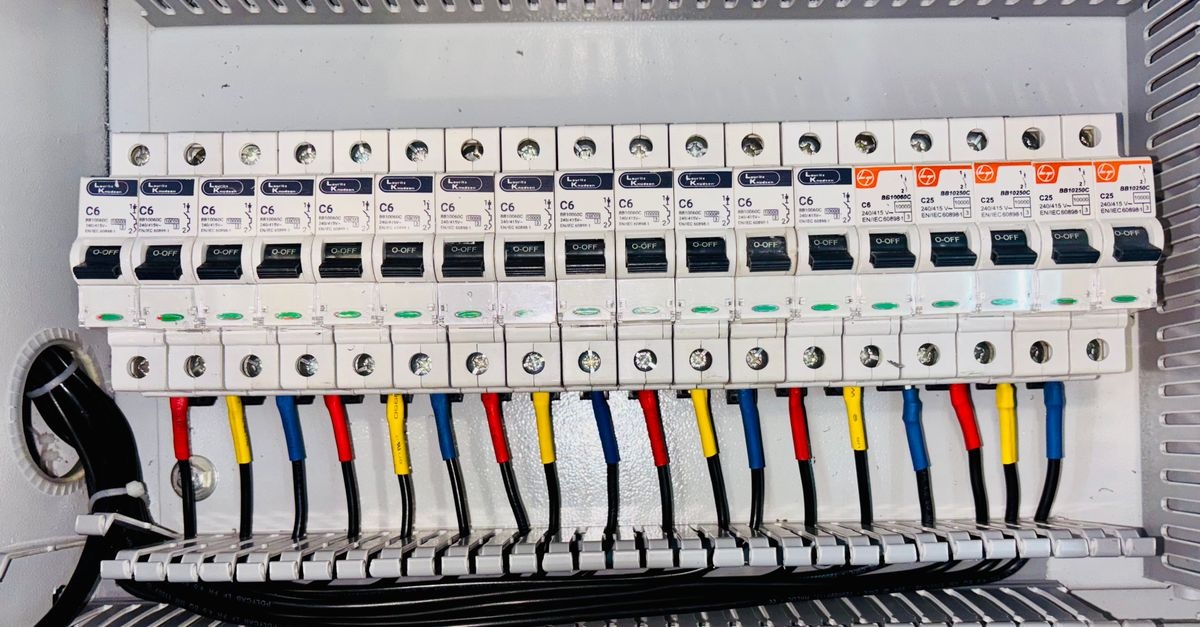
- Panel (from the outside only): Door shuts; labels are legible; no scorch marks, rust, or moisture; no hot metal smell; breakers reset normally.
- Outlets & switches: Plates intact; tight against the wall; no cracks, scorch marks, buzzing, or warmth; cords fit snugly.
- GFCI protection: Bathrooms, kitchen counters, garage, unfinished basements, laundry, and outdoors are GFCI-protected and pass the TEST/RESET function.
- AFCI protection: Bedrooms and living areas use AFCI breakers or outlets; test monthly with built-in buttons where present.
- Lighting: No flicker or repeated bulb burnouts; correct wattage bulbs; shades and trims not heat-damaged.
- Cords & power strips: No frays or kinks; no daisy-chaining power strips; surge protectors within service life; extension cords for temporary use only.
- Moisture zones: Outdoor covers are weatherproof and intact; no outlets near water without GFCI; bathroom fans operational.
- Alarms: Smoke and CO detectors present, not expired, and pass their test buttons.
Why Routine Electrical Checkups Matter
Minor electrical defects often escalate quietly. Routine, safe self-checks help you notice early-warning signs—like a loose outlet or a GFCI that won’t reset—long before they become emergencies. Doing this right transforms the question of how to check your electrical installation into a plan for peace of mind, lower energy waste, and longer equipment life.
Before You Begin: Set the Stage
- Good lighting: Bring a bright flashlight to examine darker areas.
- Dry hands and floors: Never test anything with wet hands or in puddles.
- Clear workspace: Move clutter away from panel fronts and outlets you’ll test.
- Know your limits: If any step seems beyond your comfort level, stop and call a pro.
Understanding Your Service Panel—Without Opening It
The service panel is the heart of your system. You can learn a lot without removing covers:
- Labels: Circuits should be labeled clearly. If not, note this for a pro to correct. Accurate labeling helps you isolate non-emergency circuits safely when needed.
- Main disconnect: Know the location of your main breaker. In emergencies (fire, flood), being able to shut off power quickly matters—only if it’s safe to access.
- Visual condition: No rust streaks, no soot, no melted plastic smell. The exterior surface should be cool to the touch.
- Tripping patterns: A breaker that trips occasionally under high load is doing its job. Frequent, unexplained trips deserve a professional assessment.
These observations support your broader approach to how to check your electrical installation without ever exposing live parts.
GFCI and AFCI Testing: Built-In Safety You Can Use
What GFCIs Do
Ground-Fault Circuit Interrupters (GFCIs) help prevent shock near water by cutting power in milliseconds if they detect current leaking to ground. Kitchens, bathrooms, garages, laundry areas, basements, and all outdoor receptacles typically require GFCI protection.
How to Test GFCIs Safely
- Press TEST: The outlet should click off and cut power to its face outlets (and any downstream outlets it protects).
- Press RESET: Power should restore. If it won’t reset, or it trips instantly with nothing plugged in, call a pro.
- Frequency: Test monthly, and after severe storms or surges.
What AFCIs Do
Arc-Fault Circuit Interrupters (AFCIs) detect dangerous arcing that can lead to fires, commonly required in bedrooms and living spaces.
How to Test AFCIs Safely
- Breaker test button: If you have AFCI breakers, use the test button on the breaker—without removing any covers—to confirm it trips. Then reset it at the handle.
- AFCI outlets: If present, use their TEST/RESET like a GFCI. Some devices combine both features.
- Unexpected trips: Repeated nuisance trips indicate wiring or device issues; schedule a professional.
Outlets, Switches, and Fixtures: What to Look For
Small clues around outlets and switches often answer the question of how to check your electrical installation better than fancy instruments.
- Faceplates: Should be intact, flush, and not warm. Hairline cracks, gaps, or discoloration are red flags.
- Fit and feel: Plugs should insert snugly. Loose outlets can arc and create heat—call for replacement.
- Noises and smells: Buzzing from a switch or burnt odors from a receptacle mean stop using it and call a professional.
- Light behavior: Persistent flicker or bulbs that burn out quickly can signal poor connections or over-voltage. Document which fixtures misbehave.
- Correct bulbs: Use bulbs that match the fixture’s maximum wattage. Over-lamping can overheat fixtures and wiring.
Room-by-Room Walkthrough
Kitchen
- Countertop outlets: Confirm GFCI protection and working TEST/RESET.
- Appliance cords: Inspect for frays; avoid pinching cords under appliances.
- Microwave and toaster loads: Avoid running multiple heat-producing devices on the same receptacle at once.
- Under-sink disposal: Check for moisture intrusion near outlets; water and electricity don’t mix.
Bathroom
- GFCI a must: Every bathroom receptacle should be GFCI-protected and pass TEST/RESET.
- Ventilation fan: A working fan reduces moisture that can corrode wiring over time.
- Distance from water: Keep cords and devices away from sinks and tubs; no extension cords here.
Living Areas & Bedrooms
- AFCI coverage: Bedrooms and living rooms often require AFCI protection; test as available.
- Overloaded receptacles: Replace multi-plug adapters with power strips that have surge protection, and avoid daisy-chaining.
- Cable management: No cords under rugs; heat build-up and hidden damage can occur.
Laundry
- Dedicated circuits: Dryers and washing machines should be on appropriately rated circuits.
- GFCI protection: Required in many areas where water is present; test monthly.
- Dryer connections: Ensure plugs fit securely; look for signs of heat at the receptacle face.
Garage & Basement
- GFCI and weather considerations: Even indoors, garages and unfinished basements can be damp; confirm GFCI operation.
- Tools and chargers: Avoid running heavy tools on long, light-gauge extension cords.
- Panel clearance: Keep 3 feet of clear space in front of the panel for safe access.
Outdoors
- In-use covers: Exterior receptacles should have intact, weatherproof covers that protect plugs while in use.
- GFCI verification: All outdoor outlets should be GFCI-protected and pass TEST/RESET.
- Landscape lighting: Use fixtures rated for wet locations; check for chewed or damaged low-voltage wiring.
Using Simple Plug-In Tools (No Disassembly Required)
For most homeowners exploring how to check your electrical installation, a basic, inexpensive plug-in receptacle tester is appropriate. It plugs into a standard outlet and uses indicator lights to flag common issues at that outlet:
- Open ground (no ground path at the receptacle)
- Reverse polarity (hot and neutral reversed)
- Open neutral
These testers don’t diagnose everything, but they spot frequent, easy-to-miss problems. If one reports a fault, refrain from using the outlet and call a pro to correct the wiring.
Grounding and Bonding: What You Can Confirm at a Glance
Proper grounding and bonding ensure faults clear quickly and safely. As a homeowner, you won’t verify earth resistance or bonding with instruments, but you can:
- Look for grounding-type receptacles: Modern 3-prong outlets don’t guarantee grounding, but missing grounds often show up on plug-in testers.
- Exterior equipment: Metal housings (like AC condensers) should have intact, secure equipment grounds visible at the surface.
- Metal water piping: Any visible bonding jumpers or clamps should appear tight and corrosion-free; do not loosen or adjust them.
Load Management: Avoiding Overloads and Nuisance Trips
Understanding basic load management is central to sensible, safe oversight and to answering how to check your electrical installation in practical terms.
- High-wattage devices: Space heaters, hair dryers, air fryers, and toasters draw substantial current. Avoid running multiple such devices on the same receptacle or circuit.
- 80% guideline: Continual loads should not exceed roughly 80% of a circuit’s rating (e.g., keep continuous load near 12A on a 15A circuit).
- Label awareness: Check appliance ratings and spread heavy loads across circuits to minimize simultaneous demand.
- Frequent breaker trips: If a circuit trips often under normal use, it may be undersized, compromised, or have a wiring fault—time to call a pro.
Signs You Shouldn’t Ignore
- Warm or hot outlets/switches: Stop using and call an electrician.
- Scorch marks or melting: Discontinue use of that device or outlet immediately.
- Repeated bulb failures: Note the room and fixture; it may indicate voltage fluctuations or poor connections.
- Shocks or tingles: Even a mild tingle is a serious warning; stop and get help.
- Smell of burning plastic: Evacuate the immediate area and seek assistance.
Older Homes, Renovations, and Special Situations
In older properties, the question of how to check your electrical installation often intersects with legacy materials and past DIY work. Be extra cautious if you notice:
- Two-prong receptacles: Indicates older wiring without grounding; consider a professional upgrade plan.
- Mixed devices and ages: Sporadic updates can hide inconsistencies; have a pro review for uniform protection.
- Knob-and-tube or aluminum branch wiring: These require professional evaluation and mitigation strategies.
- Unlabeled or mislabeled breakers: Make a note; clear labeling is a safety essential.
Seasonal and Post-Storm Checks
- After thunderstorms or outages: Test GFCIs and AFCIs; verify major appliances power on normally.
- Holiday loads: Plan decorations on multiple circuits; use outdoor-rated cords and GFCI-protected outlets.
- Humid months: Watch for condensation in basements and garages; confirm in-use covers outdoors.
Surge Protection and Sensitive Electronics
Modern homes rely on electronics that don’t tolerate surges. Part of how to check your electrical installation is making sure you’re protected:
- Point-of-use surge protectors: Replace if their indicator shows protection lost or if they’re older than the manufacturer’s suggested life.
- Whole-home surge protection: Installed at the panel by a pro; consider this if you have frequent storms or valuable electronics.
- Avoid daisy-chaining: Never connect one strip to another; it risks overload and fire.
Document What You Find
A little documentation goes a long way. Turn your exploration of how to check your electrical installation into a repeatable safety routine:
- Maintenance log: Record dates you tested GFCIs/AFCIs and detector alarms.
- Photo evidence: Photograph suspicious outlets or labels so you can show a professional exactly what changed.
- Load diary: If breakers trip, note the time and devices in use; patterns help pros diagnose quickly.
When to Call a Licensed Electrician—Immediately
- You smell burning or see smoke from any device or the panel area.
- A GFCI or AFCI won’t reset with nothing plugged in.
- An outlet or switch feels hot (not just warm from a dimmer under load).
- Repeated breaker trips with normal usage.
- Your plug-in tester reports serious faults (open ground, reverse polarity).
- You suspect water intrusion near any electrical equipment.
These are not DIY moments. Shutdown and professional intervention are the safest choices.
FAQs: Practical Answers for Homeowners
Is it safe to press the TEST button on my GFCI and AFCI?
Yes. That’s exactly what they’re designed for. Use only the built-in buttons. If a device fails the test or won’t reset, stop using the circuit and call a pro.
Can I remove outlet covers to look inside?
No. Do not remove covers or expose wiring. Your approach to how to check your electrical installation should stay strictly visual and tool-limited to safe, plug-in testers.
How often should I perform a home electrical self-check?
Do a quick review quarterly, with a more detailed pass annually, and always after storms, renovations, or major appliance additions.
What about a non-contact voltage tester?
These can confirm the presence of voltage on cords or the exterior of a device, but they don’t diagnose wiring quality. Never insert anything into receptacle slots; prefer a plug-in receptacle tester for outlet checks.
Putting It All Together: A Safe, Repeatable Plan
Here’s a simple, repeatable framework that keeps your evaluation high-level yet effective. It’s the practical heart of how to check your electrical installation without taking unnecessary risks:
- Walkthrough and observe: Move room to room, scanning outlets, switches, lights, and cords for obvious issues.
- Test protection devices: Use GFCI and AFCI buttons where present; confirm proper operation monthly.
- Plug-in spot checks: Use a receptacle tester at representative outlets: kitchen, bath, garage, outdoor, bedroom.
- Panel overview: From the outside only—review labels and note any unusual odors or discoloration.
- Log and act: Document findings; if anything is abnormal, schedule a licensed electrician.
Common Myths That Get Homeowners in Trouble
- “If it works, it must be safe.” Not always. Reverse polarity or missing grounds can go unnoticed until something fails.
- “I can just tighten a loose wire.” Do not open devices or panels. Leave any internal work to pros.
- “Power strips solve everything.” They add outlets, not capacity. Overloading can still occur.
- “GFCIs are optional.” In moisture-prone areas, they’re essential safety devices—and often required by code.
Energy Awareness Bonus: Healthier System, Lower Bills
While you’re optimizing safety, look for ways to curb waste:
- Eliminate hot spots: Heat is wasted energy and a warning sign.
- Modernize lighting: LED bulbs reduce load and heat at fixtures.
- Right-size appliances: Old fridges or space heaters can strain circuits and wallets.
Your Next Steps
If you started this article wondering how to check your electrical installation, you now have a safe, homeowner-appropriate approach:
- Use your senses first—look, listen, and smell for warning signs.
- Rely on built-in TEST/RESET features for GFCIs and AFCIs.
- Add a simple plug-in receptacle tester for quick outlet-level checks.
- Keep records, and don’t hesitate to call a licensed electrician for anything unclear or abnormal.
Electrical systems deserve respect. By focusing on safe checks and knowing your limits, you’ll protect your home, your devices, and the people you love—without crossing into risky territory.
Key Takeaways
- Safety first: Never open panels or touch live parts. Homeowner checks are visual and use built-in test features.
- Protection matters: GFCI near water, AFCI in living/sleeping areas. Test them monthly.
- Outlets tell a story: Look for warmth, discoloration, buzzing, or loose fits.
- Simple tools help: A plug-in receptacle tester can catch common outlet-level faults.
- Call a pro promptly for persistent trips, failed tests, heat, odors, or any sign of damage.
That’s the essence of how to check your electrical installation safely: observe, test what’s designed for user testing, document, and partner with a qualified professional for everything else. Peace of mind, powered responsibly.