Allergies do not have to define your comfort at home. With the right plan, you can dramatically lower dust and allergen buildup, reduce sneezing and congestion, and create rooms that truly let you breathe. This comprehensive guide blends best practices from building science with easy, everyday habits so you know exactly how to reduce dust emissions for allergy‑friendly homes. You will learn where dust comes from, how to intercept it at the door, clean effectively without kicking particles into the air, and optimize air filtration and humidity so irritants do not stand a chance.
Think of this as a layered defense: stop contaminants at entry points, capture particles with filters and purifiers, prevent accumulation on surfaces and fabrics, and maintain the ideal indoor environment so dust mites and molds cannot thrive. Whether you rent a studio or own a multi‑story home, these strategies scale to your space, your budget, and your schedule.
Why Dust Triggers Allergies: What It Is and How It Behaves
Household dust is a complex mix of microscopic particles that settle on every surface and circulate in the air you breathe. Understanding what dust is helps you target the right interventions.
Common Ingredients in Household Dust
- Skin flakes and textile fibers: Human skin cells, lint from clothing, and shed fibers from bedding and upholstery.
- Dust mites and fragments: Invisible to the naked eye, mites thrive in humidity and feed on skin flakes; their droppings are potent allergens.
- Pet dander and hair: Tiny flakes from animal skin and saliva proteins that easily become airborne and stick to surfaces.
- Pollen and outdoor particulates: Seasonal invaders that hitch a ride on shoes, clothing, hair, and open windows.
- Soot and combustion byproducts: Particles from cooking, candles, incense, smoking, and nearby roadways or wildfires.
- Soil and minerals: Fine grit tracked in from yards, parks, and construction zones.
Particle Size and Why It Matters
Larger particles settle quickly and accumulate on surfaces; fine particles (PM2.5 and smaller) can remain suspended, reaching deep into your lungs. Effective allergy‑friendly strategies must combine surface cleaning with high‑efficiency air filtration to address both settled and airborne dust.
Seasonal and Lifestyle Influences
- Spring and fall bring surges of pollen.
- Winter air can be drier indoors, increasing static and re‑suspension of dust with forced‑air heating.
- Cooking, candles, and indoor hobbies like sanding or crafting add ultrafine particles.
- Pets, frequent visitors, and kids at play increase particle load and movement.
The Layered Strategy: A Simple Framework That Works
Before diving into details, anchor your plan with this five‑layer approach. It is the blueprint for how to reduce dust emissions for allergy‑friendly homes and keep results consistent.
- Block: Stop dust and pollen at entry points with mats and no‑shoes policies.
- Capture: Use high‑efficiency filters in HVAC systems and standalone purifiers.
- Control: Keep humidity in the ideal range and ventilate kitchens and baths.
- Clean: Remove dust with tools and techniques that trap rather than spread it.
- Check: Monitor air quality and keep a maintenance rhythm so small tasks prevent big buildups.
Entryway Defenses: Stop Dust Before It Spreads
The first place to win or lose the dust battle is at the door. Make it work for you.
Double‑Mat System and Shoe Strategy
- Exterior mat: Coarse, scraper‑style mat to knock off grit and mud.
- Interior mat: Absorbent, low‑pile mat to capture fine dust and moisture.
- Shoes off: A simple rack or bench signals a house rule that can cut tracked dust drastically.
Contain the Drop Zone
- Closed storage: Use lidded bins for sports gear, seasonal items, and pet supplies.
- Coat hooks and hampers: Hang outerwear and direct dusty yard clothing straight to laundry.
- Weekly shake‑out: Vacuum and launder mats regularly; shake outdoor mats away from the door.
Flooring and Fabrics: Choose and Care for Low‑Dust Surfaces
Soft, high‑pile materials trap allergens and release them when disturbed. Hard, easy‑to‑clean surfaces simplify your routine and reduce reservoirs of dust mites and dander.
Hard Floors vs. Carpet
- Best for allergies: Sealed hardwood, vinyl plank, tile, or polished concrete. They do not harbor mites and clean quickly.
- If carpet is necessary: Choose low‑pile, solution‑dyed fibers and vacuum slowly with a sealed HEPA vacuum. Consider carpet tiles you can remove and wash or replace.
Rugs, Upholstery, and Window Treatments
- Rugs: Opt for flat‑weave or washable designs. Use a rug pad that allows airflow and wash or beat rugs outdoors periodically.
- Upholstery: Favor leather or tightly woven, removable covers you can launder hot. Vacuum seams with a crevice tool.
- Window treatments: Replace heavy drapes with washable curtains or simple blinds you can wipe with a damp microfiber cloth.
Your Bedroom: Build the Allergy Safe Zone
You spend one‑third of your life here, so prioritize it. Turning the bedroom into a low‑dust sanctuary pays off quickly in symptom relief.
Encasements and Bedding
- Mattress and pillow encasements: Use zippered, allergen‑proof covers to block mites and dander from penetrating foam and fibers.
- Weekly washing: Launder sheets and pillowcases in hot water, around 54 degrees Celsius or higher, and dry thoroughly.
- Minimal layers: Fewer throw pillows, quilts, and stuffed animals means fewer dust catchers.
Declutter and Streamline
- Closed storage: Keep books, mementos, and clothing in cabinets and drawers rather than open shelves.
- Under‑bed bins with lids: Prevent dust colonies beneath your sleep surface and make vacuuming easier.
- No pets on the bed: Designate a comfy pet zone elsewhere to avoid concentrated dander where you rest.
Cleaning That Actually Lowers Airborne Dust
A lot of cleaning routines just move dust around. The right tools and order trap particles and remove them from your home.
Use a Sealed HEPA Vacuum
- True HEPA filtration: Captures at least 99.97 percent of particles down to 0.3 microns when the vacuum is sealed well.
- Brushroll settings: Use a soft brush on hard floors, a motorized brush for low‑pile carpet, and turn it off on delicate rugs to avoid scattering dust.
- Vacuum slowly: Two passes per lane, overlapping by half, improves pickup. Empty the bin outdoors if possible.
Microfiber and Damp Dusting
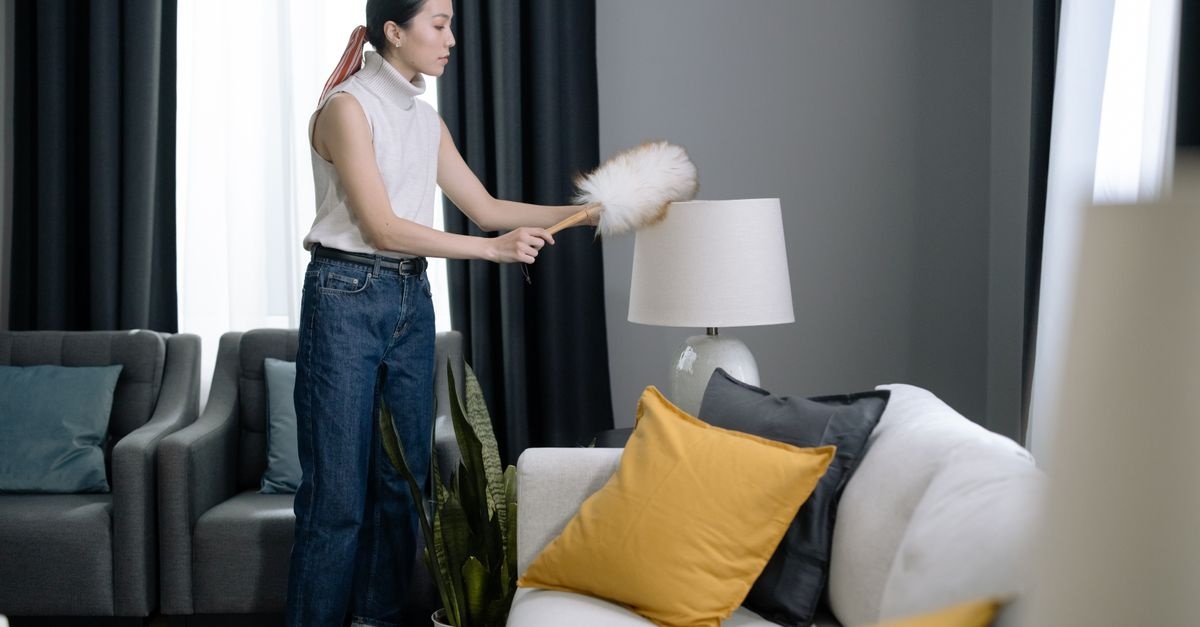
- Electrostatic cloths: Microfiber grabs particles instead of flicking them back into the air.
- Lightly damp: A barely damp cloth traps dust without smearing. Rinse frequently and switch cloths as they load up.
- Top‑to‑bottom order: Start with upper shelves and ceiling fans, then furniture, then floors to avoid re‑work.
Mopping and Maintenance
- Mop after vacuuming: Pick up what suction misses. Use clean water and a dedicated floor cleaner safe for your surface.
- Wash tools: Launder microfiber cloths and mop heads without fabric softener, which reduces their grip.
Cleaning Rhythm That Sticks
- Daily 5‑minute sweep: Entryway check, quick wipe of visible dust magnets, kitchen counters.
- Weekly: Vacuum floors and soft furniture, dust surfaces, launder bedding, clean doormats.
- Monthly: Wipe baseboards and vents, wash curtains, deep vacuum mattresses and sofas.
- Seasonal: Move large furniture to clean behind, wash or beat rugs outdoors, service HVAC filters.
Robot Vacuums and Smart Helpers
- Set daily runs: Frequent light cleaning lowers total dust load without effort.
- Choose HEPA or high‑efficiency filtration: Models with sealed systems reduce fine particle blowback.
- Prep the space: Lift cords and small items so the robot can reach under beds and sofas where dust accumulates.
HVAC Filtration and Air Purifiers: Your Invisible Workforce
Filtration is the backbone of an allergy‑friendly home. It handles the particles that your eyes and cloths miss and works 24 hours a day.
MERV Ratings for Central Systems
- MERV 11 to 13: Sweet spot for capturing pollen, dust mites, and many fine particles while maintaining airflow in most residential systems.
- Change on schedule: Inspect monthly and replace every 60 to 90 days, or sooner during pollen season or wildfire smoke events.
- Seal the fit: Ensure the filter seat is snug so air cannot bypass the media.
Ducts and Vents
- Seal duct leaks: Reduces dusty crawlspace or attic air being pulled into the system.
- Vacuum registers and grilles: A brush attachment clears lint and dirt that otherwise recirculate.
- Return air strategy: Keep return paths open by avoiding blocked doors or furniture that restricts airflow.
Room Air Purifiers: How to Choose and Place
- Size by clean air delivery rate: Choose a purifier whose CADR is appropriate for your room volume and desired air changes per hour.
- HEPA or better: Look for true HEPA filters and a good prefilter to trap hair and lint, extending HEPA life.
- Smart placement: Position near the source of dust or in occupied zones, away from corners. Run on higher speeds when cleaning or during high pollen days.
- Filter maintenance: Mark changes on your calendar; clogged filters lose efficiency and flow.
Humidity, Ventilation, and Source Control
Comfortable air does more than feel good. The right moisture levels and ventilation make your home inhospitable to dust mites and mold while sweeping out pollutants.
Target Humidity Range
- Keep relative humidity around 40 to 50 percent: Low enough to discourage mites and mold, high enough to protect skin and wood furnishings.
- Use a hygrometer: An inexpensive digital monitor guides when to run dehumidifiers or humidifiers.
- Drain and clean devices: Empty reservoirs daily and disinfect regularly to prevent microbial growth.
Ventilate Where It Counts
- Kitchen: Run the range hood during cooking and for at least 10 minutes after to remove fine particles and moisture.
- Bathrooms: Use exhaust fans during showers and leave them on until mirrors clear to curb humidity spikes.
- Fresh air strategy: On low‑pollen days, brief cross‑ventilation can flush indoor pollutants; close windows on high‑pollen or smoky days and rely on filtration.
Reduce Indoor Particle Sources
- Cooking: Prefer back burners with lids and higher fan settings to cut particle spread.
- Avoid candles and incense: They add soot and fragrance allergens; switch to warm‑dim LEDs for ambiance.
- DIY and renovations: Contain dust with plastic barriers, negative pressure if possible, and frequent HEPA vacuuming of the work zone.
Pets and Plants: Love Them, Manage the Dander
You can keep pets and still maintain an allergy‑aware home with consistent grooming and smart boundaries.
Pet Care Routines
- Regular brushing and bathing: Outside when possible, or in a closed bathroom followed by a thorough cleanup.
- Designated pet‑free rooms: Keep the bedroom off‑limits to minimize nighttime exposure.
- Wash pet bedding weekly: Hot water cycles help remove dander and mites.
Houseplants Without the Dust Drama
- Choose sterile potting mix and top with pebbles: Helps reduce exposed soil dust.
- Wipe leaves: A damp microfiber cloth on broad leaves keeps dust from building up.
- Monitor humidity: Too many plants in a small room can nudge humidity upward; balance your green corner with a dehumidifier if needed.
Smart Home Tools and Routines to Stay Ahead
Technology can automate parts of your plan and reveal patterns that manual checks miss.
Measure What Matters
- PM2.5 sensors: Compact monitors show fine particle trends. Watch how cooking, cleaning, or open windows change readings.
- Humidity and temperature monitors: Correlate spikes with symptom flares to improve your schedule.
Automate the Helpers
- Air purifier schedules: Boost to higher fan speeds during cleaning sessions or at bedtime in the bedroom.
- Robot vacuum routines: Daily runs in high‑traffic areas minimize dust accumulation.
- Filter reminders: Use calendar apps or smart home automations to prompt replacements.
Your Weekly Template
- Monday: Bedroom focus: launder bedding, vacuum mattress and under the bed, run purifier high for an hour.
- Wednesday: Living area dusting and vacuuming, wipe blinds and electronics.
- Friday: Entryway deep clean, mats wash, shoe rack tidy, quick mop on hard floors.
- Weekend: Bathroom fans filter check, wash curtains or throws, declutter one shelf or drawer.
Low‑Irritant Cleaning Products and Methods
Cleaning should not introduce new irritants. Choose products that remove dust without fragrances and volatile compounds that can trigger symptoms.
Safer Picks
- Fragrance‑free, dye‑free products: Look for clear labels and short ingredient lists.
- Simple solutions: Diluted dish soap for surfaces, vinegar‑water for glass and some hard floors, and baking soda for gentle scrubbing.
- Avoid aerosols: Pump sprays or liquid concentrates lower airborne droplets.
When Disinfecting Is Appropriate
- Targeted use: High‑touch areas during illness or after handling raw foods in the kitchen.
- Rinse where needed: Follow label directions to reduce residue that can attract more dust.
Troubleshooting and Seasonal Playbooks
Conditions change across the year. Tweak your plan with these targeted adjustments for better results and fewer flare‑ups.
Spring Pollen Surges
- Windows mostly closed: Use filtration to maintain fresh air feel without the pollen load.
- Outdoor clothes bin: Change at the door and launder sooner rather than later.
- Purifier high in evenings: Sleep better with clean air in the bedroom.
Wildfire Smoke or Urban Smog
- Seal leaks: Close gaps around windows and doors with weatherstripping.
- Upgrade filters temporarily: Use the highest MERV your system can handle and change more often.
- DIY box fan filter: As a backup, a well‑built fan filter cube can boost fine particle control in a pinch.
Winter Dryness and Forced Air
- Humidify thoughtfully: Raise to the mid‑40s percent to reduce static without inviting mites.
- Extra dusting around vents: Heating season stirs settled dust; wipe grilles and nearby surfaces.
Good, Better, Best: Budget‑Friendly to High‑Impact Upgrades
You do not need to buy everything at once. Start with the changes that deliver the biggest dust reductions per minute or dollar.
Quick Wins Under 50
- Two quality doormats and a shoe rack.
- Microfiber cloths and a basic hygrometer.
- Allergen‑proof pillow encasements for the primary bed.
Mid‑Tier 50 to 300
- Sealed HEPA vacuum or upgrade filters and bags for your existing unit.
- Room air purifier sized for the bedroom.
- Washable flat‑weave rug to replace a thick dust‑holding one.
High‑Impact Investments
- Whole‑home HVAC upgrades: Professional duct sealing, higher‑MERV filtration, or a dedicated filtration unit.
- Flooring changes: Swap carpeted areas for hard surfaces in bedrooms and living rooms.
- Closet and storage systems: More closed storage means fewer open dust shelves.
Measure Progress and Stay Motivated
Seeing results keeps momentum strong. Track what you can and celebrate steady improvement.
Simple Tracking
- Symptom notes: Record sneezing, headaches, or congestion alongside humidity and PM2.5 readings.
- Filter check photos: Snap a pic on the day you replace filters to compare load over time.
- Dust score: Choose a couple of high‑gloss surfaces and note how many days they stay visibly clean after a thorough routine.
Frequently Asked Questions
How often should I vacuum to keep allergies in check?
High‑traffic areas benefit from vacuuming two to three times per week with a sealed HEPA vacuum. Bedrooms and living rooms at least weekly. If you have pets, add an extra pass in zones where they nap and play.
Is carpet always a problem for allergies?
Not always, but carpet is a reservoir for dust mites and allergens. If removal is not an option, keep pile low, vacuum slowly with strong suction and HEPA filtration, and deep clean periodically. Consider carpet tiles for spot removal and washing.
Do air purifiers really make a difference?
Yes, when correctly sized and run consistently. Choose true HEPA purifiers and place them in rooms where you spend the most time, particularly bedrooms. Combine with regular cleaning and entryway controls for the biggest gains.
What humidity is best for reducing dust mites?
A relative humidity around the mid‑40s percent limits mite growth while maintaining comfort. Monitor with a hygrometer and adjust with dehumidifiers or humidifiers as needed.
Can I still open windows?
Yes, on days when outdoor air quality and pollen counts are favorable. During pollen spikes or smoke events, keep windows closed and rely on filtration to maintain fresh‑feeling air indoors.
Putting It All Together: Your Action Plan
Here is a streamlined checklist you can implement room by room. These steps summarize how to reduce dust emissions for allergy‑friendly homes without overwhelming your schedule.
- Entryway: Add exterior and interior mats, switch to a no‑shoes policy, and clean the zone weekly.
- Bedroom: Encase mattress and pillows, wash bedding hot weekly, minimize pillows and throws, and run a HEPA purifier nightly.
- Floors and fabrics: Prioritize hard surfaces, choose flat‑weave or washable rugs, and vacuum upholstery seams.
- Cleaning routine: Use sealed HEPA vacuums, damp dust with microfiber, mop after vacuuming, and launder cloths without softeners.
- HVAC and purifiers: Install MERV 11 to 13 filters, seal ductwork, size purifiers to room volume, and replace filters on schedule.
- Humidity and ventilation: Hold RH around 40 to 50 percent, exhaust kitchens and baths, and avoid soot‑heavy candles.
- Pets and plants: Groom regularly, set pet‑free sleep zones, wipe plant leaves, and manage soil dust.
- Smart tracking: Monitor PM2.5 and humidity, automate purifier schedules, and keep calendar reminders for filter changes.
Over time, these habits stack up to a calmer, cleaner, and noticeably more comfortable home. The more consistently you apply them, the more your space will resist dust buildups and airborne irritants day after day. If you are ready to breathe easier, start with the bedroom tonight, set your entryway tomorrow, and put your purifier on a smart schedule by the weekend. That is how to reduce dust emissions for allergy‑friendly homes in a sustainable, life‑friendly way.
Conclusion: A Home That Works With You, Not Against You
Building an allergy‑friendly home is not about perfection; it is about smart systems that quietly do the heavy lifting. Intercept dust at the door, trap it with filters, clean in ways that remove rather than redistribute, and keep indoor conditions in the sweet spot for health. With a clear plan and a few strategic tools, your rooms will feel fresher, look cleaner longer, and support better sleep and calmer days. That is the promise of a well‑designed dust control plan—and the path to living comfortably, even during tough allergy seasons.
Next step: Pick two actions you can complete in 20 minutes today—encase your pillows and set up a double‑mat entryway. Then schedule the bedroom purifier and mark a monthly filter check. Small moves, big breathing room.