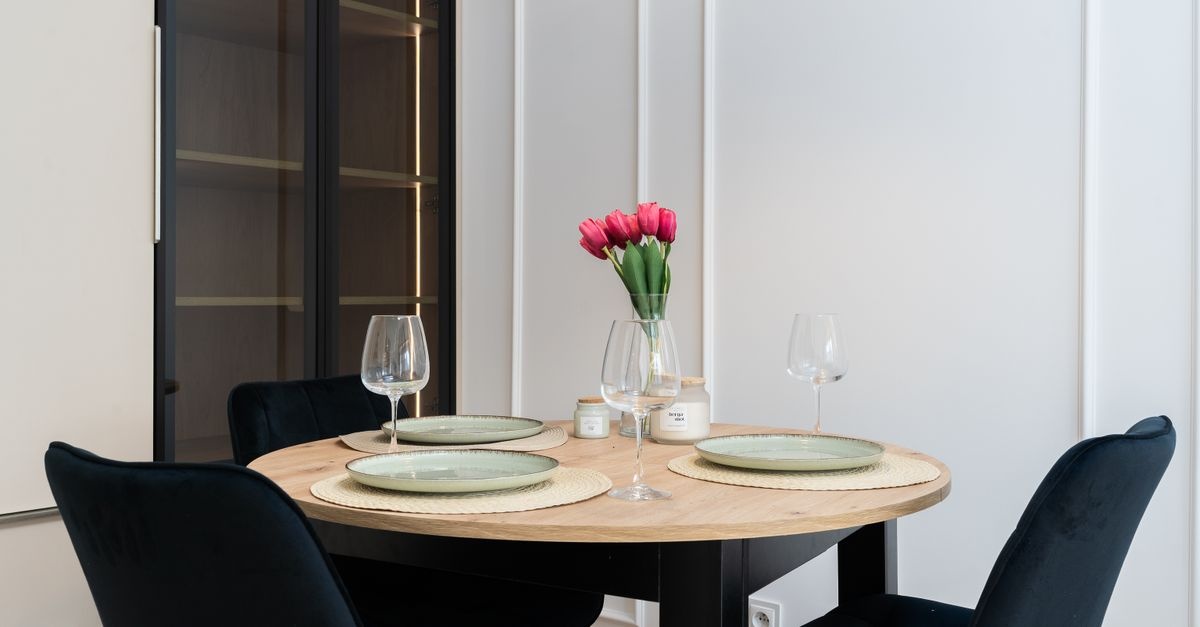
When you build a dining room around a round wooden table, you instantly put connection at the heart of your home. Curved lines invite conversation, a pedestal base opens up legroom, and the warmth of wood brings a timeless, tactile quality to everyday meals. If you’ve been wondering how to design a dining room with a round wooden table—from choosing the right size and seating to taming acoustics and nailing the lighting—this comprehensive guide will walk you through every decision, step by stylish step.
Why a Round Wooden Table Wins
A circular tabletop uniquely supports the ways we gather. There are no harsh corners, everyone faces the center, and conversations feel effortless. Opting for wood adds body and soul: each grain tells a story, softening modern spaces and anchoring airy rooms. Consider these advantages as you plan:
- Effortless flow: Without corners, movement around the table is smoother—ideal for compact dining rooms, open-plan living, and busy family homes.
- Conversation-friendly: Equal sightlines help everyone feel included. Dinner parties get more dynamic, and weeknight meals feel more connected.
- Timeless warmth: Wood’s natural grain gives visual depth and a calming, organic vibe that pairs with nearly any interior style.
- Safer edges: Rounded profiles are kinder for kids and tighter layouts.
- Design versatility: From mid-century to farmhouse, Scandinavian to coastal, a round wood table flexes across stylistic eras.
When choosing wood species and finishes, factor in the tone, durability, and maintenance you prefer:
- Oak: Hard-wearing, pronounced grain, classic honey to neutral sand tones.
- Walnut: Rich brown with chocolate undertones, refined grain, elevated feel.
- Ash/Maple: Light, creamy tones; subtle grain for a modern, minimal look.
- Teak/Mango: Character-rich, often sustainably sourced, warm medium-browns.
- Reclaimed wood: Rustic charm, sustainable story, inherent texture and patina.
Space Planning: Get the Proportions Right
Good design starts with clear numbers. Before you fall for a table, map the room, identify pinch points, and set comfortable clearances so hosting is a breeze.
Clearances and Circulation
Allow at least 36 inches (91 cm) of space from the table edge to walls or large furniture so guests can pull out chairs and servers can pass. In ultra-compact spaces, you can reduce to 32 inches (81 cm) for everyday use, but plan to rearrange or tuck extra chairs away for gatherings.
- Door swings: Ensure doors and cabinets can open fully without clipping chair backs.
- Pathways: Keep key paths (kitchen to table, table to living space) unblocked.
- Sideboard spacing: Leave 24 inches (61 cm) behind chairs in front of sideboards when chairs are pulled out, if possible.
What Size Round Table Do You Need?
Round table diameter determines comfort and seating capacity. Use these benchmarks:
- 36–42 inches (91–107 cm): Seats 2–4; cozy breakfast nook or apartment dining corner.
- 44–48 inches (112–122 cm): Seats 4–5; the sweet spot for small families and compact dining rooms.
- 52–54 inches (132–137 cm): Seats 5–6; great for medium rooms without feeling crowded.
- 58–60 inches (147–152 cm): Seats 6–7; generous, social, ideal for frequent entertainers.
- 72 inches (183 cm): Seats 8–9; best in a large dining area with ample circulation.
Also consider the base design. A pedestal base maximizes legroom and makes it easier to fit an extra chair. Four-legged bases can feel sturdier but may restrict chair placement.
Rug Rules for Round Tables
Although a rug isn’t mandatory, it frames the table and reduces noise. Follow this sizing formula:
- Add 24 inches (61 cm) on all sides of the tabletop diameter to keep chair legs on the rug when pulled out.
- For a 48-inch (122 cm) table, aim for a rug around 96 inches (244 cm) in diameter (or a 8' round). If you prefer rectangular rugs, center the circle within a 8' x 10' or similar size.
- Choose low-pile or flatweave for easy chair gliding and easier cleanup.
Seating Strategies: Comfort Meets Style
The right seating elevates both ergonomics and aesthetics. Start by deciding on chair type, count, and fabric performance.
Chairs, Benches, and Banquettes
- Upholstered side chairs: Cozy and elevated. Pick performance fabrics (crypton, stain-resistant poly, outdoor-grade) for durability.
- Wood shell or cane chairs: Airy, textural, easy to mix with a wood table if you vary tone or weave.
- Armchairs: Provide comfort at the heads of a rectangular table, but around a circle they can reduce seat count. Use sparingly.
- Backless benches: Space-savers for small nooks; push fully under the table when not in use.
- Built-in banquette: Excellent for small dining rooms; hugs the wall and can include storage beneath.
Chair Dimensions and Spacing
Allow about 22–24 inches (56–61 cm) of width per person for comfortable shoulder room. Seat height should be 17–19 inches (43–48 cm), with 10–12 inches (25–30 cm) of clearance between seat and tabletop.
- If your table is 48 inches in diameter, plan for 4–5 armless chairs.
- At 60 inches, 6–7 slim armless chairs usually fit; avoid bulky arms to maximize capacity.
- Pedestal tables let you sneak in an extra guest without leg interference.
Fabric and Finish Choices
- Performance textiles: Stain- and liquid-resistant fabrics keep family spaces low-stress.
- Leather or vinyl: Wipeable and chic; consider breathable perforations or softer finishes for comfort.
- Wood finishes: If matching the table, vary texture (smooth vs. cane) or tone (one step lighter/darker) for depth.
Light the Circle: Fixtures and Mood
Lighting is the jewelry of your dining room—and the wrong scale can throw off everything. Pair ambient and task lighting for layered glow.
Fixture Size and Hanging Height
- Diameter: For a round table, choose a chandelier or pendant about 1/2 to 2/3 the width of the tabletop. Example: for a 48-inch table, aim for a 24–32-inch fixture.
- Height above table: Hang the light so the bottom sits 30–36 inches (76–91 cm) above the tabletop.
- Multiple pendants: Over larger circles, a cluster or a two- to three-pendant arrangement can echo the round shape beautifully.
Layered Lighting and Bulb Basics
- Ambient: The chandelier sets the tone. Use a dimmer for instant mood shifts.
- Accent: Add wall sconces or a lamp on the sideboard to wash walls and art.
- Bulbs: Choose 2700–3000K for a warm, inviting color temperature. Aim for high color rendering (CRI 90+) to flatter food and faces.
Style Directions: Five Foolproof Looks
Whether you love Scandinavian calm or urban grit, a circular wood table is the perfect anchor. Steal one of these concepts or mix-and-match elements.
1) Scandinavian Calm
- Table: Pale oak or ash with a matte finish.
- Chairs: Light wood silhouettes or white-molded seats with wood legs.
- Rug: Flatweave in soft gray or oatmeal; subtle pattern.
- Lighting: Simple globe pendant or paper lantern for diffused glow.
- Palette: Whites, putty, misty blues; touches of black for contrast.
- Accents: Stoneware vases, linen runner, sprigs of eucalyptus.
2) Modern Farmhouse
- Table: Reclaimed oak with visible knots and breadboard edge details.
- Chairs: Mix Windsor-style with two upholstered end-chairs (even around a round table) for texture contrast.
- Rug: Jute or jute-cotton blend for organic warmth.
- Lighting: Black metal lantern chandelier; Edison-style bulbs (warm LED).
- Palette: Creams, soot black, sage green; galvanized accents.
- Accents: Vintage breadboard, ceramic pitchers, gingham napkins.
3) Mid-Century Mix
- Table: Walnut pedestal with a beveled edge.
- Chairs: Iconic silhouettes (Wishbone, molded plastic Eames-style) in varied wood tones.
- Rug: Geometric or tonal shag in a restrained palette.
- Lighting: Sputnik or multi-arm mobile chandelier.
- Palette: Teal, mustard, clay against warm neutrals.
- Accents: Sculptural ceramics, abstract art, brass candlesticks.
4) Urban Industrial
- Table: Dark-stained wood with a blackened metal pedestal.
- Chairs: Metal bistro or leather sling styles.
- Rug: Low-pile vintage-look rug for softness without fuss.
- Lighting: Caged or dome pendants in matte black or aged iron.
- Palette: Charcoal, tobacco, concrete gray; warm woods to balance.
- Accents: Reclaimed shelves, oversized clock, smoky glassware.
5) Coastal Organic
- Table: Whitewashed oak with a rounded pedestal.
- Chairs: Woven seagrass or cane-back in light tones.
- Rug: Flatweave stripe or sisal with cotton border.
- Lighting: Capiz shell or rattan drum pendant.
- Palette: Sand, seafoam, bleached driftwood hues.
- Accents: Linen slipcovers, sea-glass vases, coastal photography.
Color and Material Palette: Layer With Intention
Round tables are forgiving, but the smartest rooms still balance tones and textures. Curate a palette that sings together.
Mixing Wood and Metal Tones
- Vary tones intentionally: If your table is medium walnut, try lighter oak or black-stained chairs for contrast.
- Limit metals to 2 finishes: For example, black iron lighting + brushed brass hardware; repeat each at least twice.
- Anchor with a neutral: Use a consistent neutral (soft white, mushroom, charcoal) to unify the mix.
Walls, Ceiling, and Architectural Color
- Light walls: Expand small dining rooms; pair with a darker table for silhouette drama.
- Moody hues: Deep blue, olive, or charcoal creates an intimate dinner-club vibe. Balance with lighter textiles and a luminous chandelier.
- Wallpaper: A subtle grasscloth or botanical print adds dimension without stealing focus from the table.
- Ceiling: A slightly warmer white can bounce flattering light at dinner.
Textiles: Comfort, Acoustics, and Character
Textiles soften hard surfaces and improve sound. In rooms with plenty of glass or tile, they’re your best friend.
Runners, Placemats, and Table Linens
- Round + runner: Yes, you can use a runner on a circular table—let it drape symmetrically or run off-center for modern flair.
- Layering trick: Pair a linen runner with cork or scalloped placemats to define place settings.
- Everyday protection: Wipeable mats or heat-resistant trivets protect finishes without hiding gorgeous grain.
Window Treatments and Sound Control
- Drapery: Full-length, lined drapes tame echo and add luxury; hang high and wide to enlarge windows.
- Rugs + upholstery: Together, they absorb clatter so conversations feel intimate.
- Acoustic extras: Fabric-covered art panels or upholstered banquettes double as sound dampeners.
Centerpieces and Styling That Suit a Circle
Styling a round table is about balance and rhythm. Keep sightlines open and scale in check.
Everyday vs. Hosting
- Everyday: A single sculptural vase, a low bowl, or a trio of candles is all you need.
- Hosting: Build a composition using the rule of thirds: three objects of varied heights and shapes, kept under eye level for conversation.
- Lazy Susan: Practical for family-style service; choose a minimal design that complements the table’s wood.
Scale and Height
- Keep it low (10–14 inches): Tall arrangements block faces; reserve dramatic height for buffets or console tables.
- Go circular or organic: Bowls, rounded vases, or wreath-like centerpieces echo the table’s geometry.
- Seasonal switch-ups: Citrus in winter, peonies in spring, herbs in summer, branches in fall.
Storage, Buffets, and Bar Moments
Functional storage keeps surfaces clear and entertaining effortless. Even small dining rooms can carve out hardworking niches.
Sideboards and Consoles
- Size: 60–72 inches (152–183 cm) wide, 18–20 inches (46–51 cm) deep is versatile.
- Height: 30–36 inches (76–91 cm) doubles as a serving station beneath art or a mirror.
- Placement: Maintain 36 inches of walkway from chair-backs to cabinet face for comfort.
Bar Carts and Built-Ins
- Bar cart: Park it where it won’t pinch circulation; anchor with art above.
- Built-ins: Shallow shelves display ceramics and glassware; integrate dimmable lighting for evening glow.
Small Dining Nooks and Apartment Ideas
Compact spaces shine with circular tables. Focus on flexible furniture and vertical surfaces.
Pedestal Wins
- Legroom: Pedestals remove corner collisions and seat more people comfortably.
- Optical lightness: Choose a slim pedestal, glass or light wood top, and airy chairs.
Extensions and Drop-Leaves
- Drop-leaf rounds: Fold down for daily life, open for guests.
- Leaf systems: Some round tables convert to oval with center leaves—perfect when you occasionally host a crowd.
Built-In Banquettes
- Banquette + round table: A wall-hugging banquette with a 42–48 inch table feels generous yet compact.
- Storage: Hinged seats or drawers corral linens, candles, and board games.
Layout Recipes (With Measurements)
Recipe A: 8' x 10' Dining Room
- Table: 44–48 inch round pedestal.
- Chairs: 4 slim armless; keep arms elsewhere to save width.
- Rug: 8' round or 6' x 9' flatweave centered.
- Lighting: 24–30 inch chandelier at 32 inches above tabletop.
- Storage: 60 inch sideboard on the long wall (if door clearance allows).
Recipe B: 10' x 12' Dining Room
- Table: 52–54 inch round.
- Chairs: 5–6 upholstered side chairs.
- Rug: 8' x 10' rectangle or 9' round, depending on orientation.
- Lighting: 28–34 inch statement pendant with dimmer.
- Storage: 72 inch credenza with art or mirror above; sconce pair for accent.
Recipe C: 12' x 18' Open Concept Zone
- Table: 58–60 inch round.
- Chairs: 6–7 mixed materials (wood + upholstered).
- Rug: 9' x 12' to visually zone dining from living.
- Lighting: Large 32–40 inch chandelier; add recessed lights on a separate dimmer circuit.
- Storage: Built-in bar niche or tall cabinet; greenery to soften scale.
Budget and Sustainability
Where to Splurge vs. Save
- Splurge: The table (quality joinery, stable solid wood or high-grade veneer) and a well-sized chandelier.
- Save: Simple side chairs you can reupholster, vintage rugs, and thrifted art or ceramics.
- Mix high/low: A standout table pairs beautifully with budget-friendly chairs if proportions are right.
Eco-Friendly Choices
- Sustainably sourced woods: Look for FSC certification or reclaimed timbers.
- Low-VOC finishes: Protect indoor air quality while preserving wood’s character.
- Longevity: Choose timeless silhouettes you can refinish rather than replace.
Installation Checklist and Timeline
Move from mood board to move-in smoothly with a realistic plan.
- Measure twice: Confirm room size, doorways, elevator fits, and table path.
- Order sequence: Table and lighting first; then chairs, rug, and sideboard.
- Electrical: Center the junction box over the table footprint; install dimmers.
- Rug pad: Use a felt or felt-rubber pad to prevent slipping and improve underfoot comfort.
- Leveling: Check for wobbles; add felt glides to protect floors and balance minor unevenness.
- Art hanging: Center art above the sideboard at roughly 57 inches to the middle.
Care and Maintenance for Wood
Protecting your table’s finish extends its life and beauty. The care routine depends on finish type.
Finish Types and Daily Care
- Oil/wax finishes: Luxuriously matte and natural; wipe spills quickly and re-oil periodically to nourish the wood.
- Lacquer/polyurethane: More stain-resistant; clean with a soft damp cloth and mild soap; avoid harsh chemicals.
- Coasters and placemats: Prevent rings and heat marks. Use trivets for hot dishes.
Long-Term TLC
- Humidity: Keep between 40–55% to minimize cracking or warping.
- Sunlight: Rotate centerpieces and chairs occasionally to even out UV exposure.
- Scratch rescue: Blend minor nicks with a matching wax fill stick or blend pencil; consult a pro for deep damage.
Common Mistakes to Avoid
- Oversized pedestal in a small room: It will visually crowd the space—choose a slimmer base.
- Too-small light fixture: Undermines the table’s presence; size up to at least half the table diameter.
- Skimpy clearances: Ignoring walkway space makes every meal feel cramped.
- All-dark palette: Without contrast, the room can read heavy—add lighter textiles or metallics.
- Ignoring acoustics: Bare floors, windows, and walls can create echo—layer textiles to soften sound.
Frequently Asked Questions
How many people can sit at a 48-inch round table?
Comfortably four, possibly five with slim armless chairs. For frequent parties of six, consider 52–54 inches or a pedestal base to gain a little extra elbow room.
What size chandelier should go over a 60-inch round table?
A fixture about 30–40 inches in diameter, depending on the design’s visual weight. Keep the bottom 30–36 inches above the tabletop and use a dimmer.
Round or rectangular rug under a round table?
Both work. A round rug echoes the table’s shape; a rectangular rug can visually stretch the room. Either way, add roughly 24 inches to the table diameter for a proper pull-out zone.
Can I mix wood tones between the table and chairs?
Yes—mixing tones adds depth. Keep undertones compatible (all warm or all cool) and repeat each tone at least twice in the room.
What’s the best paint color for a dining room with a wood table?
It depends on mood: light neutrals for airiness, deep saturated color for intimacy. Test large samples in day and night lighting before committing.
Putting It All Together: Gather Round
A beautifully designed dining room looks effortless because every choice—table diameter, chair shape, rug size, lighting scale, storage, and styling—works together. Lean into the circle’s sociable energy, choose durable finishes that support daily life, and layer textures for comfort and character. Whether you’re refreshing a breakfast nook or overhauling a formal space, these principles show exactly how to design a dining room with a round wooden table that feels both stylish and welcoming—day after day, dinner after dinner.