Smart home technology has outgrown its early-gadget phase and stepped squarely into the value conversation. Buyers expect elevated efficiency, security, and convenience, and sellers who deliver those benefits can often command stronger offers and shorter days on market. The art is knowing which connected upgrades actually move the price tag, which simply delight, and which risk being expensive distractions. This in-depth guide shows you how to turn digital bells and whistles into tangible equity—ethically, sustainably, and with a clear plan.
The New Value Equation: Why Connected Features Matter
Real estate value has always balanced location, size, condition, and design. Today, a new dimension shapes buyer perception: the lived experience a home enables. Connected devices can measurably improve that experience—lowering energy bills, strengthening safety, smoothing daily routines, and supporting aging-in-place. When done right, these benefits translate into higher perceived value and, in many markets, higher offers.
From Convenience to Calculable Value
Convenience used to be subjective. Now it’s supported by data and documentation. A smart thermostat with two years of utility-bill history, a water-leak sensor that prevented damage, or an EV-ready garage that fits local demand—these lend evidence to the value proposition. The cumulative effect across systems (climate, lighting, security, water, and network) reframes a home as adaptable infrastructure, not just a set of finishes.
Buyer Psychology and Demographics
Different buyers prioritize different outcomes, but several patterns are consistent:
- Millennial and Gen Z buyers tend to expect app-based control, energy insight, and turnkey Wi‑Fi. They respond to ease, automation, and sustainability.
- Move-up families prize security, access control, and reliability—video doorbells, smart locks with family codes, and robust mesh Wi‑Fi that handles work, school, and streaming.
- Downsizers/aging-in-place shoppers value voice control, lighting presets, leak detection, and simple automations that reduce cognitive load.
- Eco-conscious buyers seek verified efficiency: solar integration, demand-response thermostats, and smart circuits that track consumption.
These segments don’t just admire features; they mentally assign a premium to homes that let them live their priorities on day one.
How Appraisers and Agents Account for Smart Upgrades
Valuation professionals typically treat smart features as part of overall condition and functional utility. While there’s no universal calculator for connected tech, agents and appraisers do recognize upgrades that are permanently installed, interoperable, documented, and demonstrably beneficial.
Direct vs. Indirect Value Effects
- Direct effects: Items that are fixed to the home (wired thermostats, built-in speakers, hardwired cameras, whole-home surge protection, structured cabling, smart switches) may contribute directly to value, similar to kitchen or HVAC upgrades.
- Indirect effects: Faster selling time, higher perceived maintenance quality, and buyer confidence. A connected home that feels well cared for often elicits stronger offers, even if the appraisal comps focus more on square footage and location.
Documentation That Helps Valuation
- Receipts and model lists for devices that convey with the sale.
- Professional installation invoices or permits (if applicable) for wiring, panels, or low-voltage runs.
- Energy reports: Utility bills before/after a smart thermostat, heat pump, or schedule tuning.
- Maintenance logs and manufacturer warranties, plus a transfer guide for new owners.
- Network map of access points and Ethernet runs for remote work reliability.
With these artifacts, agents can confidently position the tech as a value story, not just feature sprawl.
High-ROI Smart Upgrades by Category
Not every shiny gadget boosts your home’s worth. The best performers consistently deliver security, comfort, savings, and reliability, and they integrate into daily life without friction.
1) Security and Access Control
Buyers prioritize feeling safe and in control. Start here for broad appeal.
- Video doorbell: Deters porch theft, supports package deliveries, and simplifies visitor screening.
- Smart locks: Code-based access for family, guests, and contractors; event logs for peace of mind.
- Discrete, well-placed cameras: Focus on entry points and exterior perimeters; avoid over-surveilling interiors to preserve comfort and privacy.
- Garage controller: Remote check and close; critical for frequent commuters and deliveries.
Value angle: Tangible safety plus convenience. Mention any insurance discounts or neighborhood watch integrations if available.
2) Energy and Climate Control
Energy costs are top-of-mind, and documented savings are persuasive.
- Smart thermostat with occupancy learning and geofencing, preferably compatible with heat pumps and multi-stage systems.
- Smart vents or zoning in larger homes to balance comfort and efficiency.
- Connected ceiling fans and temperature sensors in key rooms for fine-tuned comfort.
- Whole-home energy monitor or smart panels that show live consumption, solar production, and circuit-level insights.
Value angle: Lower and verifiable utility bills; comfort uniformity; support for eco-conscious buyers. Save 12–24 months of bills to show the delta after upgrades.
3) Lighting and Ambience
Lighting influences mood, photos, and showings. Buyers react strongly to spaces that feel bright, consistent, and adaptable.
- Smart switches over bulbs for permanence and usability; guests can still use a wall switch if the hub is offline.
- Motion-activated paths (entry, hallways, pantry, mudroom) for hands-free safety.
- Exterior lighting schedules for curb appeal and security; include dusk-to-dawn automation.
- Tunable white or scene presets in common areas; use accent RGB sparingly to avoid gimmickry.
Value angle: Beautiful listing photos, easier showings, and practical day-to-day benefits conveyable to any buyer.
4) Water, Safety, and Maintenance
Preventing damage often matters more than flashy tech.
- Smart leak detectors under sinks, near water heaters, and behind washers.
- Automatic shutoff valves that cut water when leaks are detected.
- Smart smoke/CO detectors with self-tests and phone alerts.
Value angle: Risk reduction. A single prevented leak or early CO alert makes a memorable case for reliability.
5) Networking as Infrastructure
Reliable internet is now as fundamental as electricity. Treat networking like a utility upgrade, not an afterthought.
- Structured cabling: Ethernet runs to home office, TV walls, WFH pods, and AP locations.
- Mesh Wi‑Fi with ceiling or wall APs for wide, stable coverage.
- Clean network rack with labeling and a UPS for resilience.
Value angle: Remote work readiness and streaming reliability translate into concrete buyer confidence.
6) Appliances and Kitchen Tech (Choose Carefully)
Connected ranges, fridges, and dishwashers can impress—if they’re reliable and not subscription-bound.
- Look for offline/basic fallback modes and widely supported ecosystems.
- Avoid niche, app-only controls for core functions; physical controls should remain intuitive.
Value angle: Subtle convenience aids daily life without overwhelming maintenance or training for new owners.
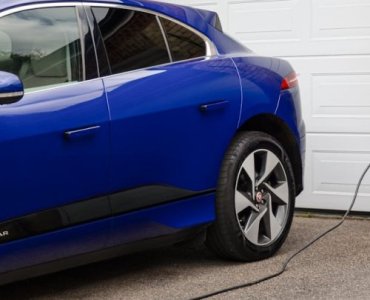
7) EV Readiness and Garage Upgrades
EV adoption keeps rising. A ready-to-go charging setup is a simple differentiator.
- Level 2 charger or at least a 240V circuit with NEMA outlet and labeled panel space.
- Smart charging timers and utility rate integration for off-peak savings.
- Garage climate and lighting automations for comfort and safety.
Value angle: Future-proofing and convenience for a growing buyer segment.
8) Outdoor and Curb Appeal Tech
First impressions start at the sidewalk.
- Smart irrigation that adapts to weather and soil zones.
- Landscape lighting scenes on timers; pathway motion for nighttime showings.
- Gate/drive sensors for secure, automated access.
Value angle: Low-maintenance beauty and water savings add polish to your listing.
Does smart home increase property value?
In many markets, connected upgrades can support a higher sale price, faster offers, or both—especially when they’re permanently installed, easy to use, and well documented. The effect is rarely a dollar-for-dollar translation of gadget costs. Instead, it’s a compounding of trust signals: the home feels modern, efficient, safer, and simpler to live in. That package tends to command a premium over similar, non-connected comparables.
Use this guiding rule: Buyers pay for outcomes. If your system reliably delivers lower bills, stronger security, and turnkey comfort—with evidence—those outcomes are what can justify a higher price tag. If the tech appears fragmented, subscription-heavy, or hard to transfer, it won’t materially help value and may even spook buyers.
Build a Plan: From Audit to Action
Step 1: Audit Your Baseline
- Map your systems: HVAC age and type, existing cabling, panel capacity, irrigation zones, door/window hardware.
- List pain points: Hot/cold rooms, weak Wi‑Fi spots, drafty windows, dark entries, frequent deliveries.
- Identify buyer profile: Who is most likely to buy in your area? Families, remote workers, EV owners, retirees?
Step 2: Prioritize Outcomes
- Security first (locks, doorbell, essential cams)
- Energy and comfort (thermostat, sensors, zoning)
- Network reliability (Ethernet runs, mesh Wi‑Fi)
- Leak/safety protection (detectors, auto shutoff)
- Lighting (core switches in high-traffic areas)
Step 3: Choose a Budget Tier
- Starter: Video doorbell, two smart locks, smart thermostat, three leak sensors, a few smart switches, mesh Wi‑Fi nodes.
- Mid: Add hardwired cams, auto water shutoff, structured cabling to office/TV, exterior lighting automation, energy monitor.
- Premium: Whole-home lighting control, zoned HVAC with sensors, smart panel, EV charger, integrated shades, irrigation control, and professional programming.
Match your tier to home price and neighborhood norms. A premium stack in a budget neighborhood rarely returns its cost; a starter stack in a luxury home may feel underwhelming.
Step 4: DIY vs. Pro Install
- DIY: Swapping thermostats, installing doorbells/locks, placing leak detectors, and deploying consumer mesh Wi‑Fi.
- Pro: Hardwired cameras, electrical panel work, in-wall cabling, smart panels, motorized shades, and integrated control systems.
The more permanent and safety-critical the upgrade, the more a professional install supports transferable value and buyer confidence.
Interoperability and Future-Proofing
Tech that plays nicely with others ages better and sells better. Favor open or widely adopted standards and devices with local control options.
Standards to Watch
- Matter and Thread: Emerging standards improving cross-brand compatibility and low-power mesh performance.
- Zigbee and Z‑Wave: Mature ecosystems with many devices; often support local hubs.
- Wi‑Fi: Ubiquitous and easy, but power-hungry; great for bandwidth-heavy or line-powered devices.
Tip: Build around a stable, hub-centric core (e.g., Matter-enabled hub or a reputable local controller) so future owners can swap devices without rewriting the whole house.
Data Privacy and Ownership at Sale
- Factory reset and remove accounts from devices before transfer.
- Create a clean, new home account for the buyer and invite them during walkthrough.
- Document where data lives (cloud services vs local hub) and how to opt out or adjust privacy settings.
Buyers appreciate a seller who treats privacy as a feature, not an afterthought.
Resilience and Local Control
Systems that keep working during internet outages or platform hiccups feel more like infrastructure. Favor devices with local automations and physical controls that continue to function if apps fail. This reduces post-sale support headaches and instills confidence during showings and inspections.
Incentives and Operating-Cost Savings
Rebates and Credits
Depending on your region, utilities and governments may offer incentives for smart thermostats, load management, heat pumps, and EV charging readiness. Capture these before listing to improve ROI, and save documentation to pass along to the buyer.
Insurance Discounts
Some insurers discount policies for monitored security, water shutoff, or smoke detection that reduces claim risk. If you benefit from discounts, note them in your marketing packet—buyers often extrapolate similar savings for themselves.
Proving the Savings
- Track bills for at least a year post-upgrade.
- Show thermostat schedules and automations that match occupancy patterns.
- Include screenshots from energy monitors or utility portals that highlight reductions.
These visuals translate tech-speak into dollars and comfort, reinforcing value during negotiations.
Listing, Staging, and Marketing Your Smart Home
Craft the Narrative
Lead with outcomes, not acronyms. Instead of listing device brands, say: Effortless security with app and code access, utility bills you can predict, reliable whole‑home Wi‑Fi, and lighting that welcomes you home. Then, tie features to spaces buyers love—kitchen, primary suite, nursery, home office, and outdoor zones.
Photography, Video, and Floor Plan Callouts
- Highlight discreet installations—in-wall switches, neat racks, ceiling APs—over gadget close-ups.
- Label floor plans with Ethernet runs, AP placements, and smart switch zones.
- Use short clips to show scenes triggering: entry lights on at dusk, locks auto-securing, irrigation adapting to rain.
On Showing Day
- Pre-set scenes: Warm lighting, comfortable temperature, soft background music if appropriate.
- Have a one-page guide describing what conveys and how ownership transfers.
- Demonstrate once—doorbell, lock, thermostat—to show simplicity, not complexity.
Common Mistakes That Erode Value
Over-Customization and Gimmicks
Rainbow lighting in every room, obscure brand hubs, or novelty appliances with app-only controls can alienate buyers. Stick to timeless use cases with easy manual overrides.
Subscription Traps
If a feature requires a monthly fee to be useful (e.g., recording storage, AI detection), make sure there’s a valuable free tier or a clear, optional path for the buyer. Avoid setups that feel like long-term financial commitments.
Complexity and Fragmentation
Too many apps, scenes, and hubs create friction. Consolidate into one central app or hub with sensible defaults. Label switches and document automations so the next owner can understand them at a glance.
Security Missteps
Default passwords, exposed cameras, and open networks scare buyers. Use strong credentials, enable multi-factor authentication, segregate IoT devices on a guest VLAN if possible, and keep firmware updated.
Regional and Property-Type Nuances
Urban Condos
Prioritize access control, sound, and network performance. Smart shades for privacy, doorbell alternatives compatible with multi-tenant entries, and robust Wi‑Fi that handles dense environments add value. Building approvals may be needed for wiring—document them.
Suburban Single-Family Homes
Focus on security perimeters, outdoor lighting, irrigation, and family-friendly automations. EV readiness is increasingly influential. Structured cabling to workspaces and entertainment areas wins points.
Rural Properties
Connectivity can be the bottleneck. Invest in reliable internet options (fixed wireless, satellite, or fiber if available), external cameras at drive entries, and power resilience with UPS or backup systems. Smart water management is a differentiator for wells or long runs.
New Builds vs. Retrofits
- New builds: Pull low-voltage cabling early, plan AP locations, dedicate rack space, and spec neutral wire at all switch boxes for smart-switch compatibility.
- Retrofits: Emphasize devices that don’t require wall opening; use surface-mount raceways thoughtfully and target rooms with the highest daily impact.
Short-Term Rentals and Investment Properties
Automation improves guest experience and operating margins.
- Self check-in with time-limited lock codes.
- Noise monitors (privacy-respecting, decibel-only) to deter parties.
- Thermostat limits and occupancy-based settings between stays.
- Water leak detection and shutoff for vacant periods.
Value angle: Stronger reviews, reduced damage, and documented NOI improvements can influence investor buyers.
Illustrative Mini Case Studies
Case A: The Remote-Work Ready Bungalow
A 3‑bed, 1950s bungalow struggled with spotty Wi‑Fi and uneven temps. The owners added structured cabling to the office and living room, installed two ceiling APs, replaced a dated thermostat with a smart model, and added three smart switches along entry paths.
- Cost focus: Moderate—no walls opened beyond small low‑voltage pulls.
- Outcome: Clear streaming and call stability; consistent temperatures; better first impression at showings. The listing emphasized WFH reliability and predictable bills.
Case B: Family-Friendly Suburban Home
A 4‑bed home added a video doorbell, smart locks with family codes, leak detectors with auto shutoff, and exterior lighting scenes. They documented a small homeowner’s insurance discount.
- Cost focus: Entry to mid-tier devices; pro install for water shutoff.
- Outcome: Stronger safety narrative. Buyers with kids appreciated package security and overnight lighting. Multiple offers arrived after the first weekend.
Case C: EV-Ready Townhome
A townhome near transit installed a 240V circuit and wallbox charger, plus smart garage controls. The listing targeted EV adopters and commuters.
- Cost focus: Electrical panel check and a single circuit run.
- Outcome: Differentiation in a dense market; the property attracted tech-forward buyers and negotiated minimal contingencies.
Measuring ROI: Separating Hype from Help
While there’s no universal multiplier for connected tech, you can estimate impact by combining comparables, time-on-market data, and operational savings:
- Compare comps within your neighborhood: Look for similarly updated homes and note their days on market and closing ratios.
- Quantify savings: Annualize energy and insurance reductions. Buyers tend to capitalize predictable savings into stronger offers.
- Assess buyer pool: If your likely buyers are remote workers or EV owners, those targeted upgrades carry outsized weight.
Think in terms of value stacks: energy + security + network + lighting. Each layer adds credibility and comfort, compounding perceived value.
A Practical Transfer Guide for Buyers
Make handoff frictionless to preserve momentum post-inspection and through closing:
- Prepare a device inventory that clearly states what conveys, with model and firmware where relevant.
- Print a quick-start sheet with QR codes to apps and support docs.
- Schedule a 15‑minute handover at final walkthrough: create the buyer’s new home account, demonstrate lock code setup, and show how to reset scenes.
- Factory reset and remove personal data from devices and hubs.
These steps reassure buyers that connected living will be simple from day one.
Quick Checklist: From Smart to Sold
- Security: Video doorbell, smart locks, focused exterior cams.
- Comfort & Energy: Smart thermostat + sensors; document bills.
- Water & Safety: Leak detectors + auto shutoff; smart smoke/CO.
- Lighting: Smart switches in high-traffic areas; exterior scenes.
- Network: Structured cabling to key rooms; mesh APs; labeled rack.
- EV Ready: 240V circuit or charger installed; panel labeled.
- Interoperability: Favor Matter/Thread or proven Zigbee/Z‑Wave; ensure manual overrides.
- Privacy & Transfer: Reset devices; provide a clean account and docs.
- Marketing: Lead with outcomes; include proof of savings.
Frequently Asked (and Buyer-Loved) Clarifications
Will the devices work if the internet goes down?
Choose systems with local control for core functions (locks, lights, thermostat) so routines continue without cloud access. Document which features require internet (e.g., remote viewing of cameras) and which don’t.
Do these devices require subscriptions?
Some optional services (e.g., cloud video storage) may have fees. Make sure core value remains without ongoing costs and be transparent about what’s optional.
Can I use my voice assistant or existing apps?
Favor devices compatible with major ecosystems and the Matter standard. Interoperability simplifies adoption for new owners.
The Bottom Line
Smart homes influence more than convenience; they shape confidence, comfort, and cost predictability. When aligned with buyer priorities and executed with interoperability, documentation, and a clean transfer plan, connected upgrades can help a listing stand out, sell faster, and, yes, often sell for more. The real magic isn’t in amassing gadgets but in curating a cohesive, reliable, and human-centered experience.
So, does smart home increase property value? In practice, the right upgrades—security and access, energy and comfort, resilient networking, and risk-reducing safeguards—tend to elevate perceived worth and can tilt negotiations in your favor. Choose wisely, document thoroughly, and let the experience of living well in your home speak for itself at every showing.
From smart to sold isn’t a slogan—it’s a strategy. Build the stack that matches your market, prove the benefits, and you’ll give buyers every reason to pay for the future you’ve installed.