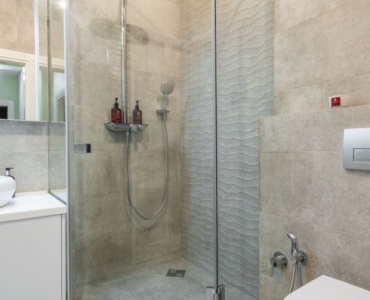
Design in Harmony: Your Friendly Guide to a Seamlessly Unified Home is all about turning a collection of rooms into one connected living experience. If you have ever wondered how to create a cohesive home interior without making everything matchy-matchy, this guide breaks the process into warm, practical steps. Expect approachable principles, clear examples, and little design moves that add up to big harmony.
What Does Cohesion Really Mean in a Home?
A cohesive interior is one where every room feels like it belongs to the same story. There is continuity in color, materials, forms, and mood, with enough variation to keep things interesting. Rather than copying the same sofa or the same rug everywhere, you create relationships between spaces so they feel naturally related. The result is a home that flows beautifully, looks timeless, and is easier to style and maintain.
The psychology of harmony
Humans love patterns. When our eyes pick up on repeated colors, textures, and shapes, our brains relax. This is why unified interiors reduce visual noise and decision fatigue. A steady rhythm of repeated elements builds comfort and predictability, which can make your home feel calm, thoughtful, and welcoming. Cohesion is not sameness; it is consistency that gives variety a context.
The design triad: color, form, function
At the core of a unified space are three pillars:
- Color creates emotional coherence and connects sightlines from room to room.
- Form (lines, curves, scale) sets a language for furniture and architecture.
- Function aligns layout and furnishings with how you truly live, reinforcing choices that feel natural across spaces.
Aligning these pillars across rooms is the foundation for a seamless, cohesive design.
Start With a North Star: Vision, Values, and Style Story
Before you shop, paint, or rearrange, get clear on the story you want your home to tell. Strategy first, styling second. This is the most reliable path for anyone learning how to create a cohesive home interior without guesswork.
Define your lifestyle and mood
Ask simple, revealing questions:
- How do you move through your day at home? Where do you need calm, and where do you want energy?
- Which places have you loved staying in (hotels, rentals, friends' homes) and why?
- What adjectives fit your ideal interior: airy, grounded, warm, crisp, playful, minimal, organic?
Write a short, vivid statement for your home vision. Example: We want a warm, modern, sunlight-filled home with natural textures, easy flow for entertaining, and smart storage that keeps visual clutter low.
Create a style guide and mood board
Gather 12–20 images that reflect your vision. Look for patterns in color temperature, wood tones, metal finishes, and silhouettes of furniture. Then, reduce the palette to a few intentional decisions:
- Core neutrals: two to three main wall and large-surface colors.
- Accent colors: one to two hues that recur in art, textiles, and accessories.
- Materials: one to two key woods, a primary metal, and a few supporting textures.
Save this style guide as a reference. When you face a choice, ask: does this belong to our story?
Name your narrative
Give your style a title, like Calm Coastal Modern, Warm Nordic Farmhouse, or Urban Botanical. This helps keep choices consistent and speeds up decision-making across the house.
Build a Connected Color Strategy
Color is the fastest way to unify a home. The goal is not to paint every room the same shade, but to build a palette that flows as you move.
Find your core palette with the 60–30–10 approach
Use a simple ratio in each room:
- 60% dominant neutral (walls, large upholstery, big rugs)
- 30% secondary tone (wood tone, secondary paint, medium furniture)
- 10% accents (pillows, art, decor, lampshades)
Across the home, keep the 60% family consistent or closely related. Let the 30% and 10% rotate slightly by room to add personality while staying aligned.
Undertones and temperature matter
Nothing breaks cohesion faster than clashing undertones. Choose either warm or cool-leaning neutrals for walls and large surfaces, and stick with them. If you love variety, introduce it through accents, not base layers. Test large paint swatches on multiple walls and observe morning and evening light before committing.
Patterns, contrast, and repetition
Unify patterns by controlling scale and palette. For instance, pair a large-scale botanical with a medium stripe and a small geometric, all within the same two or three colors. Repeat one color at least three times in each room. Repeat a pattern family across pillows, a runner, and kitchen towels to knit spaces together without feeling repetitive.
Materials and Finishes: The Thread That Ties Rooms Together
Materials create tactile continuity. Strategic repetition of woods, metals, stones, and fabrics across rooms is one of the most dependable ways to cultivate design continuity.
Wood tones and stains
Pick a primary wood tone family (light oak, walnut, or painted) and a supporting wood if needed. Aim to repeat the primary tone in at least three locations across the home: perhaps dining chairs, a console, and picture frames. If you mix woods, balance extremes by adding a bridging piece that carries undertones from both sides.
Metals and hardware
Choose a leading metal finish for hardware and lighting. A second metal can be used as an accent, but be deliberate. For a small home, sticking to one metal finish for door hardware and hinges dramatically improves perceived cohesion. In larger homes, vary metals by function: warm brass for lighting, matte black for door hardware, stainless for appliances. Keep sheens consistent to avoid visual noise.
Fabrics, texture, and tactile rhythm
Texture is your secret weapon. Repeat a tactile family (linen, bouclé, leather, woven jute) through seating, throws, and rugs. Mix textures to prevent flatness, but limit the number within one sightline. A rhythm like linen sofa, leather accent chair, nubby wool pillow, and woven ottoman reads layered yet unified.
Plan the Flow: Space, Scale, and Zoning
Cohesion is as much about how you move as it is about how things look. Flow is the practical backbone of a unified home interior.
Pathways and sightlines
Walk your home as a guest would. From the entry, what do you see? From the kitchen sink, what draws your eye? Clear pathways (at least 90 cm where possible) keep rooms feeling calm. Align focal points across openings: a pendant centered with a hallway runner pulls you forward and ties zones together. Avoid blocking views with tall furniture where a low piece maintains continuity.
Scale, proportion, and visual weight
Scale mismatches can make spaces feel disjointed. Use consistent seat heights, table heights, and arm profiles where rooms adjoin. Balance visual weight: if a dark, heavy sofa anchors the living area, echo that depth with a dark-framed art piece in an adjacent hallway. Repeating silhouette families (rounded corners or crisp rectilinear lines) weaves forms into a common language.
Open concept vs defined rooms
In open plans, cohesion prevents chaos. Use rugs to define zones, repeat your accent color in each zone, and coordinate lighting styles. In more segmented homes, create continuity with matching trim, door style, and a repeating runner or stair treatment. Either way, rely on a shared palette and material story to link spaces.
Lighting Layers Create Continuity
Great lighting is the unsung hero of unified design. It affects color perception, mood, and the legibility of your decor choices.
Ambient, task, and accent
Use all three layers in every main room:
- Ambient for overall illumination (ceiling lights, recessed, large pendants).
- Task for work surfaces and reading (desk lamps, under-cabinet, bedside lights).
- Accent to highlight art, shelves, plants, and architectural elements.
Repeat fixture characteristics: if you prefer linen drum shades and slender metal arms, echo that across spaces. When fixtures share silhouette and finish, rooms feel connected even if the designs differ.
Color temperature and dimming
Keep light color temperature consistent across the home for harmony. Warm white in living and sleeping zones promotes calm. Neutral white suits kitchens, baths, and workspaces. Add dimmers to major areas to shift ambiance throughout the day, reinforcing a cohesive experience from morning brightness to evening warmth.
Furnishing for Unity Without Uniformity
Furniture is where many designs either lock together or fall apart. Use a simple set of rules to avoid a mismatched feeling while keeping personality intact.
Anchor pieces and collections
Pick a few anchor pieces that set tone and scale: the sofa, dining table, bed, and media console. These should share either a wood tone, a leg style, or a fabric family. Build supporting pieces that echo one or two characteristics from your anchors.
Mix, do not match
Perfectly matching sets can feel flat. Instead, create related mixes:
- Two different nightstands, both in the same wood tone family.
- Dining chairs with varied silhouettes but matching finish and seat color.
- A vintage credenza paired with a contemporary mirror that repeats its wood tone.
This approach keeps cohesion while celebrating character and depth.
Styling and vignettes: small details, big harmony
Style in threes and vary height. Repeat one material per vignette (ceramic, glass, wood) and one hue from your accent palette. Use tray groupings to organize surfaces. Echo shapes: a round mirror above a round table lamp, or a rectangle art print layered with rectangular books. Little repetitions like these stitch rooms together visually.
Wall Treatments and Architectural Consistency
Architecture is the backbone of a unified look. Even subtle alignment across trim, doors, and wall treatments creates a throughline.
Trim profiles, doors, and ceilings
Choose a single trim profile for baseboards and casings throughout the main areas. Coordinate door style (panel count, shaker vs flat) and finish. Keep ceiling paint consistent to maintain airy continuity. Consider repeating a detail, like beadboard or board-and-batten, in two or three strategic places rather than everywhere.
Flooring transitions, rugs, and runners
If possible, use one main flooring material on a full level. Where transitions are needed, use reducers that match tones and grain. Unify with rugs that share color families or pattern scale. Run a cohesive thread through hallways with a recurring runner or stair carpet that echoes your palette.
Art, Decor, and the Personal Narrative
Personality brings cohesion to life. When your art and decor express a consistent point of view, rooms feel like they belong to you.
Curate collections with a theme
Choose a theme that can flex: botanicals, travel photography, abstract color fields, or local landscapes. Keep framing styles consistent or within two finishes. Repeat the same matting approach for a gallery wall and echo it in a hallway or bedroom for continuity.
Scale art across walls
Varying art sizes is great, but keep alignment rules: center art at the same eye height across rooms. If your living room has a large-scale piece, balance with multiple medium pieces in adjacent spaces that share palette or subject. Tie rooms with one recurring color from your accent plan.
Natural and biophilic elements
Plants, natural fibers, and stones add cohesion through texture and tone. Repeat terracotta pots, woven baskets, or black clay vessels to create subtle continuity. A plant in the entry, a cluster in the living room, and a single sculptural specimen in the dining area echo each other without redundancy.
Cohesion Room by Room: Practical Scenarios
Seeing principles at work helps you apply them with confidence. Here are three quick case studies for unifying adjacent spaces.
Entryway to living room
Goal: Warm welcome that hints at the palette and materials to come.
- Repeat your living room wood tone in the entry console or bench.
- Use the same metal finish for hooks as your living room floor lamp.
- Mirror the accent color from living room pillows in the entry rug or artwork.
- Choose a tray or bowl that repeats a common texture like ceramic or stained wood.
In a glance, guests understand your interior language before stepping fully inside.
Kitchen to dining
Goal: Visual dialogue between function and gathering.
- Repeat the countertop stone in a small way on the dining table centerpiece, like a marble bowl.
- Echo cabinet hardware finish in dining chandelier or sconce hardware.
- Unify chair upholstery with kitchen runner colors.
- Align pendant spacing with table width for a calming rhythm.
The spaces feel separate but undeniably related, making entertaining seamless.
Bedroom to bathroom
Goal: A restful suite with subtle luxury.
- Use the bedroom wall color in a lighter or darker shade in the bathroom.
- Repeat metal finishes between bedside lamps and bath hardware.
- Carry the vanity wood tone into the bedroom nightstands or picture frames.
- Choose towels that pick up the bed’s accent pillows.
This creates a private retreat that reads as one unified escape.
A Step-by-Step Plan You Can Follow
Here is a clear process to move from vision to reality. It is a friendly roadmap for anyone exploring how to create a cohesive home interior with confidence.
Step 1: Audit and edit
- Walk each room and list what you love, what you like, and what must go.
- Group keepers by shared traits: wood tone, color, silhouette, and texture.
- Remove items that fight your chosen undertones or crowd your sightlines.
Step 2: Build your palette and material map
- Select two primary wall colors (one main neutral plus a supporting tone).
- Choose one to two key wood tones, one primary metal, and up to two accent metals.
- List accent colors and where they appear in each room to create rhythm.
Step 3: Plan zones and focal points
- Sketch basic floor plans. Mark major furniture, rugs, and lighting.
- Designate focal points (fireplace, feature wall, large art) and align sightlines across rooms.
- Ensure clear pathways and balanced visual weight.
Step 4: Source with intention
- Create a shopping list by priority: anchors first (sofa, dining table, bed), then layers (rugs, lighting, textiles), then finishing touches (art, decor).
- For each purchase, check against your style guide for palette, material, and silhouette alignment.
- When in doubt, pause. Buy fewer, better pieces that strengthen continuity.
Step 5: Install, style, and review
- Place anchors, then rugs, then lighting, then textiles and art.
- Repeat key colors and textures at least three times per room.
- Take photos from multiple doorways. If a room reads as an outlier, adjust color or materials to reconnect it.
Common Mistakes That Break Cohesion (and Easy Fixes)
Even thoughtful plans hit snags. Here is how to spot and solve the most common issues quickly.
Mistake: too many styles competing
Fix: Pick a lead style and a supporting style at most. If you love eclectic mixes, keep a single unifying element such as one wood tone and one metal finish across the house. Let the variety live in art and textiles instead of foundational elements.
Mistake: ignoring undertones
Fix: Line up your samples: paint swatches, wood finishes, fabrics, and tiles. View them under your actual lighting. If something reads greenish or pinkish against the rest, swap it out. Undertone harmony is non-negotiable for a unified home.
Mistake: lighting mismatch
Fix: Replace mismatched bulbs with consistent color temperature. Add dimmers. Choose fixture families that share finish or shape to echo across spaces.
Mistake: visual clutter and over-accessorizing
Fix: Edit surfaces. Use lidded baskets, trays, and concealed storage. Rotate decor seasonally rather than displaying everything at once. Cohesion breathes best in spaces with negative space for the eye to rest.
Sustainable and Future-Proof Cohesion
When your interior is unified, it becomes easier to maintain and evolve. Choose durable foundations, then update accents as your tastes shift.
Durable materials and timeless forms
Invest in quality where it counts: flooring, sofas, dining tables, and built-ins. Favor classic silhouettes and neutral textiles for large items. This allows you to swap pillows, throws, and art without disrupting the overall design.
Flexibility and modular thinking
Use modular storage, slipcovers, and interchangeable decor. Keep an archive of paint formulas, fabric swatches, and finish references. When you need to replace something, you can match or intentionally contrast in a controlled way that protects cohesion.
Frequently Asked Questions
- Do rooms need to be the same color? No. They need related colors with shared undertones and a connected palette used consistently.
- How many wood tones are too many? One primary and one supporting wood is ideal. If you add a third, make sure it bridges undertones.
- Can I mix metals? Yes, but lead with one metal and use a second sparingly. Keep sheen and tone consistent within each metal.
- What is the fastest fix for a disjointed home? Align lighting color temperature, repeat one accent color three times per room, and unify hardware finishes.
- How do I keep personality without chaos? Express character through art, textiles, and plants while keeping foundational elements (walls, floors, large furniture) in a controlled palette.
Putting It All Together
A seamlessly unified home is not built on matching sets or strict rules; it is born from a clear story, a connected palette, and intentional repetition of materials, forms, and light. When you align undertones, manage scale, and repeat textures and colors thoughtfully, every room feels like part of a bigger picture. Whether you are refreshing a single space or reshaping the whole house, these steps will help you practice how to create a cohesive home interior in a way that is warm, practical, and uniquely yours.
Your next move: Write your style story in three sentences, choose a core palette of two neutrals and one accent, and pick a lead wood tone and metal finish. Then repeat them intentionally in every room. Small, consistent choices will transform your home into a harmonious whole.