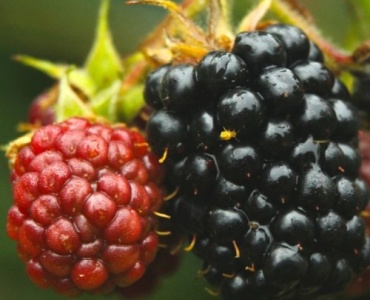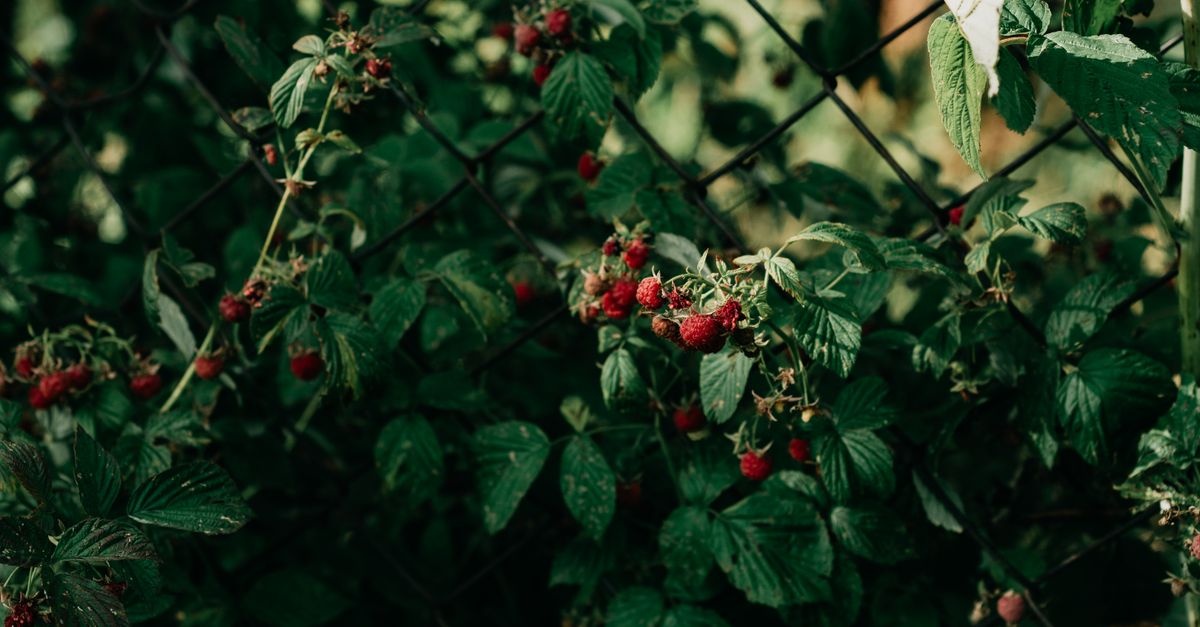
When the garden wakes to early summer, few rewards rival a brimming colander of fragrant, sun-warm raspberries. With the right variety selection, careful soil preparation, consistent training, and a smart seasonal plan, you can enjoy a reliable June harvest year after year. If you have wondered how to grow early summer raspberry varieties without fuss, this guide distills expert techniques into simple, repeatable steps for gardeners of all levels.
Early-Summer Raspberries at a Glance
Raspberries fall into two broad categories: summer-fruiting types that ripen in early to mid-summer, and fall-bearing types that fruit on first-year canes later in the season. Early-summer or June-bearing cultivars excel at delivering that coveted first flush of berries when warm days begin but heat has not yet peaked.
What early-summer means for your harvest
Early-summer raspberries set flower buds on canes that grew the previous year. Those canes, called floricanes, bloom and fruit once, typically in late spring through June, depending on your climate. In cool regions, harvest often runs from mid to late June; warmer zones may see berries a little earlier or stretched over a few weeks. The flavor balance is classic: bright, sweet, and aromatic, with firm texture and excellent fresh-eating quality.
Understanding primocanes and floricanes
Raspberry canes follow a two-year cycle:
- Primocanes: First-year shoots. They grow from the crown or roots in spring and summer. On summer-bearing types, primocanes do not fruit their first year. They will become next year’s fruiting canes.
- Floricanes: Second-year canes. These carry flower clusters in spring and produce the early-summer crop, then die back after harvest.
Training and pruning center on preserving strong primocanes for next season while removing spent floricanes promptly after harvest. Mastering this cycle is essential to consistently grow early-summer raspberries with abundant yields.
Reliable varieties for an early June crop
Choose cultivars known for early-season ripening, disease tolerance, and rich flavor. Local trials matter, but these time-tested selections are widely loved:
- Latham (zones 3 to 8): Hardy and dependable, medium berries with classic raspberry flavor. Suits colder climates and performs in hedgerow systems.
- Boyne (zones 3 to 7): Very winter hardy, productive with small to medium deep-red fruit. Pleased by well-drained loam and excellent for jam.
- Killarney (zones 3 to 7): Medium-large, bright red fruit with a balanced sweet-tart profile. Good for fresh eating and freezing.
- Nova (zones 3 to 8): Vigorous and disease tolerant, medium-firm berries that ship well. Berries hold well in heat spikes.
- Glen Ample (zones 4 to 8): Large berries on almost thornless canes, prized for high yields on trellises. Mid to early summer in many climates.
- Cascade Delight (zones 5 to 8): Big, flavorful fruit with good root rot tolerance where soils are well drained. Excellent flavor in early-summer windows.
- Tulameen (zones 6 to 8): Superb flavor and attractive long conical berries; thrives in regions with mild winters and dry summers.
- Canby (zones 4 to 8): Almost thornless, good flavor and reliable early-season yields. Ideal for family gardens.
When deciding how to grow early summer raspberry varieties in your region, ask local nurseries or extension agents for cultivar notes on disease pressure, chill hours, and ripening windows. Plant a couple of early and mid-early selections to stretch your picking season.
Site Selection and Soil Preparation
Early-summer raspberries love sun, steady moisture, and fertile, well-drained soil. Investing time in site choice and preparation pays off for many seasons.
Sunlight and air circulation
Select a spot with at least 6 to 8 hours of direct sun daily. Morning sun helps dry dew and discourages fungal disease, while steady airflow reduces botrytis on ripening fruit. Avoid frost pockets and low spots prone to extended spring chill, which can delay bloom or damage early flowers.
Soil texture, drainage, and pH
Raspberries root shallowly and appreciate loose, friable soil. Aim for:
- Texture: Loam or sandy loam with ample organic matter for water retention without waterlogging.
- Drainage: Free draining is crucial. Standing water invites root rot. Raised rows or beds can transform marginal sites.
- pH: Slightly acidic, about 5.8 to 6.5. Below 5.5 can limit nutrient uptake, while above 7 can lead to iron deficiency chlorosis.
Test your soil a few months before planting. If pH is too low, incorporate finely ground limestone. If it is high, elemental sulfur or acidifying composts help shift toward the ideal range.
Preplant soil building
Two to four months ahead of planting, clear turf and perennial weeds, then work in generous organic matter. A typical preplant mix per 100 square feet includes:
- 2 to 3 cubic feet of mature compost or well-rotted manure
- 2 to 3 pounds of rock phosphate or bone meal if soil test shows low phosphorus
- 1 to 2 pounds of sulfate of potash or greensand for potassium if deficient
- A light dusting of kelp meal for micronutrients
Avoid excessive nitrogen before planting. Too much early N drives soft canopy growth and weak canes susceptible to disease. Where drainage is questionable, build a raised bed 8 to 12 inches tall and incorporate coarse organic matter for porosity.
Crop rotation and disease avoidance
Do not plant raspberries where tomatoes, potatoes, peppers, eggplants, strawberries, or other brambles grew in the last four to five years. These hosts share pathogens like verticillium and root rots. Place new rows where you can also install a sturdy trellis and supply irrigation without overspray from lawn sprinklers.
Planting Early-Summer Raspberry Varieties
Proper planting sets your patch up for deep rooting, strong cane growth, and an orderly hedge that is easy to manage.
When to plant
Set bare-root plants in early spring as soon as soil can be worked. Container-grown plants can go in from spring through early summer, but earlier is best to establish root systems before heat arrives. In mild winter climates, late fall planting is possible if soil stays above freezing and drainage is excellent.
Row orientation, spacing, and layout
Orient rows north to south where possible for even sun. Popular layouts include:
- Hedgerow: Plants spaced 18 to 24 inches apart within the row. Rows 6 to 8 feet apart. Allows a living fence of canes you thin to a 12 to 18 inch wide band.
- Hill system: Clumps spaced 3 to 4 feet apart with wide aisles. Useful for small gardens and easier for root sucker control.
Install end posts and a trellis now to prevent trampling roots later. Good support is key for managing vigorous summer-fruiting canes.
Step-by-step planting
- Soak bare-root plants in clean water for 30 to 60 minutes before planting. Trim any broken roots cleanly.
- Dig a hole wide enough to spread roots naturally. Set the crown at or just below soil level.
- Backfill with native soil amended with compost. Do not bury canes too deep. Firm gently to remove air pockets.
- Water thoroughly to settle soil, then add 2 to 3 inches of organic mulch such as wood chips, shredded leaves, or clean straw. Keep mulch a few inches away from canes to prevent rot.
- Cut newly planted canes back to 8 to 10 inches to encourage root establishment, unless the nursery provides specific guidance for your cultivar.
For gardeners focused on how to grow early summer raspberry varieties for a swift first harvest, remember that the first season is about rooting. The payoff comes the following June when well-nourished primocanes become fruit-laden floricanes.
Trellising and Training for Productivity
Support and training keep canes upright, increase airflow, and improve fruit quality. Even compact cultivars benefit from a simple trellis.
Effective trellis designs
- Single-wire: A taut wire at about 3 to 4 feet high. Simple, best for small patches and less vigorous cultivars.
- Double-wire T-trellis: Two parallel wires on short crossarms at around 3 and 4.5 feet. Canes are captured between wires for airflow and easy harvest.
- V-trellis: Wires diverge outward to spread canes, increasing light penetration and reducing disease. Great for vigorous types like Glen Ample.
Space sturdy end posts 15 to 20 feet apart for home rows. Use high-tensile or 12 to 14 gauge galvanized wire and anchor well. Trellising makes every maintenance task easier, from tying to harvesting.
Training primocanes through the season
As new shoots emerge, guide them vertically with soft ties or clips. Distribute canes along the wires to avoid crowding. For summer-bearing raspberries:
- Limit to 4 to 6 strong primocanes per linear foot of row by midsummer.
- Remove weak, spindly shoots at ground level to focus energy on robust canes.
- Gently fan canes to improve light on all sides and to dry clusters quickly after rain.
Some gardeners lightly pinch primocane tips once they reach the top wire to encourage side branching; use this only if your cultivar and climate allow ample time for wood to ripen before winter. Excessive pinching can reduce berry size next year.
Watering, Mulching, and Fertilizing
Steady moisture and timely nutrition drive big, juicy fruit. Coupled with mulch, these practices stabilize soil temperature and reduce weeds.
Irrigation for consistent fruiting
- Frequency: In most climates, provide 1 to 1.5 inches of water weekly from leaf-out through harvest, more in sandy soils or hot spells.
- Method: Drip irrigation is ideal. It keeps foliage dry and delivers water right to the root zone. Place two lines per row in coarse soils for even coverage.
- Timing: Water early in the day to reduce disease pressure. Avoid soaking the patch late evening.
Irregular watering can cause small berries, crumbly fruit, or sunscalded drupelets during heatwaves. A simple rain gauge and a soil moisture probe help calibrate your schedule.
Mulch and weed control
A 2 to 4 inch layer of organic mulch conserves moisture, prevents soil splash on berries, and deters weeds. Good choices include shredded wood, leaf mold, or clean straw. Refresh annually as it decomposes. Hand-weed any intruders early; aggressive perennial weeds compete heavily with shallow raspberry roots.
Fertilizer timing and rates
Base nutrient decisions on a soil test. As a general guide for established plantings:
- Early spring: Apply a balanced, slow-release organic fertilizer at modest rates, such as 3 to 4 pounds of 5-5-5 per 100 square feet, banded along the row just as buds swell.
- Post-harvest: Lightly feed again after fruiting to recharge primocanes for next year. Avoid heavy nitrogen late in summer, which can delay cane hardening and increase winter injury.
- Micronutrients: If tests suggest, supplement magnesium or iron to prevent chlorosis. Foliar kelp or fish emulsions can provide a gentle boost during stress, but do not replace soil fertility.
When planning how to grow early summer raspberry varieties with maximum flavor, prioritize steady soil health with compost, proper pH, and measured nitrogen. Overfeeding leads to lush foliage at the expense of berries.
Pruning Summer-Bearing Raspberries
Pruning is where many growers unlock bumper crops. Summer-fruiting canes follow a clear rhythm that makes pruning straightforward once you see the pattern.
After-harvest cleanup
Immediately after the last berries are picked, remove all spent floricanes at ground level. These canes are finished forever and harbor pests if left in place. Cut flush at soil line and dispose of or chip off site. Freeing space right away improves light and airflow for the current year’s primocanes.
Thinning primocanes
By late summer, select the strongest canes to keep for next season. Target:
- 4 to 6 canes per linear foot in vigorous rows
- 3 to 4 canes per foot where vigor is moderate
Remove all extras at ground level. This thinning concentrates energy into fewer, thicker canes that carry larger clusters and are easier to trellis. Prune out any diseased or damaged shoots as you go.
Winter shaping
During late winter or very early spring, shorten any overly tall canes to just above the top wire, removing weak tips damaged by cold. Tie canes neatly to the trellis, spacing them a few inches apart. This is the final tune-up before bud break and ensures even bloom when spring arrives.
Pest and Disease Management
Healthy plants in an open, sunny site naturally resist many problems. Combine prevention with vigilant scouting for best results.
Common insect pests
- Aphids: Curl leaves and vector viruses. Manage with strong water sprays, beneficial insects, and horticultural soap as needed.
- Spider mites: Thrive in dusty, hot conditions. Encourage predatory mites, keep plants well watered, and use miticidal soap if populations surge.
- Raspberry sawfly: Skeletonizes leaves. Hand-pick larvae, prune out badly infested shoots, and encourage beneficial wasps.
- Japanese beetles: Chew foliage and occasionally fruit. Shake into soapy water in the morning, use exclusion netting during peak flight, and consider pheromone traps placed far from the patch.
- Spotted wing drosophila: A late-season fruit fly that prefers soft ripe fruit. Early-summer harvest often escapes major pressure, but pick promptly, chill quickly, and keep the patch clean to reduce risk.
Diseases to watch
- Botrytis gray mold: Affects flowers and fruit during cool, wet spells. Improve airflow, avoid overhead irrigation, and harvest frequently.
- Cane blight: Causes lesions and dieback, often entering through wounds. Prune during dry weather, sterilize tools, and avoid rough handling of canes.
- Phytophthora root rot: Lurks in poorly drained soils. Use raised beds, well-drained sites, and tolerant varieties like Cascade Delight where pressure is known.
- Powdery mildew: White coating on leaves in humid conditions. Improve airflow and consider sulfur sprays if needed.
- Verticillium wilt: Soilborne, often from nightshade-family rotations. Avoid high-risk sites and maintain soil health to reduce susceptibility.
- Viral complexes: Mosaic and crumbly fruit can result from viruses spread by aphids. Plant certified disease-free stock and rogue out chronically weak, mottled plants.
Integrated pest management ties it all together: choose resistant varieties, build soil, provide airflow, water at the root zone, scout weekly, and act early with the least-disruptive controls first.
Birds and wildlife
Birds adore raspberries. Lightweight netting supported above the trellis keeps them off fruit while still allowing pollinators access earlier in the season. Shiny tape, predator decoys, and owl kites can help, but netting is the most reliable during peak ripeness.
Harvesting and Handling for Peak Flavor
Early-summer berries ripen quickly when warm weather kicks in. Timely picking and gentle handling protect your hard-earned crop.
How to know raspberries are ready
- Color is uniform and deep for the cultivar.
- Fruit releases easily from the receptacle with a light tug.
- Berries are plump and slightly soft, never hard.
Pick in the cool morning or evening. Use shallow containers so fruit is not crushed under its own weight. Move picked berries to the shade right away.
Postharvest care
- Cooling: Chill within an hour for best shelf life. Store at about 34 to 36 F with high humidity.
- Washing: Rinse gently just before eating, not before storage, to avoid speeding decay.
- Preserving: Freeze on trays and then bag, cook into jam, or dehydrate at low temperatures for snacks. Early-summer fruit has excellent pectin for preserves.
Extending the June window
To lengthen your early-summer season:
- Plant two or three cultivars with staggered ripening, such as Boyne, Latham, and Glen Ample.
- Use light row cover during late frost alerts to protect blossoms and maintain an earlier schedule.
- Exploit microclimates by planting one row against a warm south-facing fence and another in a slightly cooler spot.
Troubleshooting: From Small Berries to Crumbly Fruit
Even careful growers encounter bumps. Here is how to diagnose common issues and get back on track.
Small berries
- Often from drought or irregular watering during bloom and fruit swell. Install drip and mulch.
- Excessive cane density. Thin to the recommended number per foot.
- Soil low in potassium or organic matter. Test and amend accordingly.
Crumbly fruit
- Pollination problems in cool, wet bloom weather. Encourage pollinators with nearby flowers and shelter from wind.
- Viral infections or mite damage. Scout and manage vectors; replace badly affected plants.
White or sunscalded drupelets
- Sudden heat spikes on exposed clusters. Increase canopy leaf cover through proper fertilization and avoid removing too many leaves.
- Ensure steady moisture so plants cope better with heat.
Winter dieback
- Choose hardy cultivars for your zone.
- Avoid late heavy nitrogen that delays cane hardening.
- Mulch roots well and consider windbreaks in exposed sites.
Poor yield
- Too many old canes left after harvest. Remove all floricanes promptly.
- Insufficient sunlight. Trim nearby shade or move to a sunnier site.
- Soil pH out of range. Adjust toward 5.8 to 6.5.
Your Month-by-Month Game Plan
Building a calendar for summer-fruiting raspberries keeps tasks manageable and timely.
Late winter to early spring
- Test soil and adjust pH if needed.
- Prune: shorten tall canes, remove winter-damaged tips, tie to trellis.
- Apply a balanced, slow-release fertilizer before bud break.
- Install or inspect trellis and drip lines.
Spring to early summer
- Weed and mulch as soil warms.
- Train primocanes and thin extras gradually.
- Scout for aphids, mites, and early disease; intervene early.
- Water consistently as bloom starts and fruit swells.
Peak harvest
- Pick every one to two days when berries peak.
- Cool fruit quickly and store shallow.
- Keep aisles tidy to discourage pests and to make picking easy.
After harvest to fall
- Remove spent floricanes at ground level.
- Finish thinning primocanes to target density.
- Lightly feed and water as needed to support next year’s crop.
- Monitor for late-season mites and mildew; maintain airflow.
Regional notes
- Cool climates: Choose very hardy cultivars like Boyne or Latham. Emphasize early spring fertilization and trellis support to maximize the brief season.
- Warm climates: Prioritize heat-tolerant types like Nova or Cascade Delight on well-drained soils. Mulch deeply and irrigate regularly to prevent heat stress.
Small Spaces, Containers, and Sustainable Practices
Even a balcony or side yard can support a modest June harvest with thoughtful choices and care.
Containers and raised beds
- Use large containers, 20 to 25 gallons per plant, with a high-quality potting mix amended with compost.
- Install a compact trellis in each container and secure against wind.
- Water more frequently than in-ground plants, as pots dry quickly in early summer sun.
Raised beds are excellent where drainage is poor. Give each plant ample room and integrate drip lines under mulch for stable moisture.
Organic-first management
- Build soil with compost and cover crops between rows in larger gardens.
- Encourage beneficial insects with diverse, pesticide-free blooms nearby such as alyssum, yarrow, and borage.
- Use physical barriers like netting and row covers strategically rather than relying on sprays.
Sustainable practices not only protect the ecosystem but also often lead to better flavor and long-term resilience in your raspberry hedge.
Frequently Asked Questions
Will I get fruit the first year
Summer-bearing raspberries usually fruit on second-year canes, so expect your first significant harvest in the second season after planting. Container plants with carryover floricanes may yield a small taste sooner, but the main crop arrives the following June.
How often should I replace a patch
With good care, a row can remain productive for 8 to 12 years. If vigor declines, yields slip, or disease pressure builds, consider replanting in a new location with fresh stock after a rotation break.
Can I grow them next to blackberries
You can, but give each a dedicated trellis and adequate space to curb competition. Avoid mixing rows if you have a history of bramble diseases. Maintain clean aisles and sanitize tools between crops.
What is the best way to learn how to grow early summer raspberry varieties quickly
Start with one or two proven cultivars, install a simple T-trellis, set drip irrigation, and follow the pruning rhythm: remove spent floricanes after harvest, thin primocanes to a manageable number, then tie and tidy in late winter. This workflow covers most of what matters for a sweet June harvest.
Putting It All Together
Early-summer raspberries reward attention to fundamentals: a sunny, well-drained site; soil rich in organic matter and tuned to the right pH; thoughtful planting and spacing; trellising that opens the canopy; steady water and mulch; and pruning that respects the primocane to floricane rhythm. Add vigilant but gentle pest management, and your hedge will repay you with bowls of berries right when summer gets underway.
If you came here to learn how to grow early summer raspberry varieties without overwhelm, keep the core checklist close at hand: plant certified stock, build soil, trellis early, water evenly, prune on schedule, and harvest often. Do these well, and early summer will greet you with the taste of June in every bright, fragrant berry.
Quick Reference Checklist
- Choose varieties: Hardy, disease-tolerant, early-fruiting types suited to your zone.
- Prepare soil: pH 5.8 to 6.5, compost-rich, excellent drainage, raised beds if needed.
- Planting: Early spring, 18 to 24 inches apart in row, rows 6 to 8 feet apart, mulch 2 to 4 inches.
- Trellis: Single or T-trellis with wires at about 3 and 4.5 feet; tie canes as they grow.
- Water: 1 to 1.5 inches weekly via drip; keep mulch topped up.
- Feed: Light spring feed, light post-harvest feed; do not overdo nitrogen.
- Prune: Remove floricanes after harvest; thin primocanes to 4 to 6 per foot; tidy in late winter.
- Protect: Scout for pests and diseases, net against birds near ripening.
- Harvest: Pick gently every one to two days; cool quickly; enjoy fresh or preserve.
Follow these steps and your June calendar will soon include an irresistible ritual: wandering the rows, tasting for ripeness, and filling bowls with the vivid sweetness of early summer.