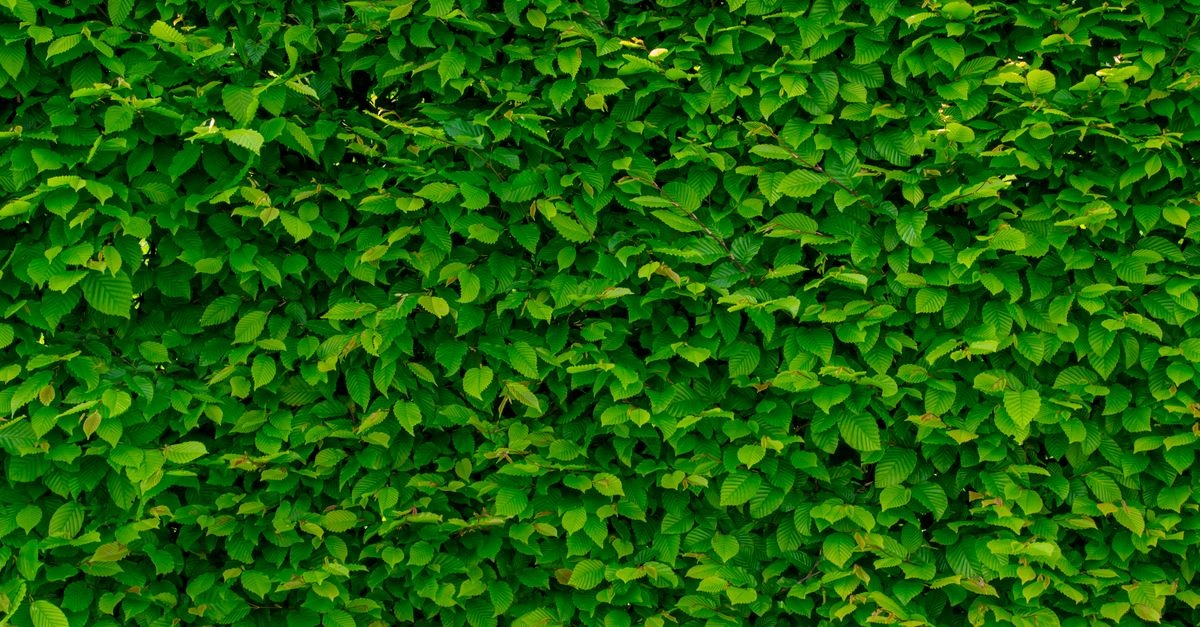
A beautiful hedge can do far more than mark a boundary. The right mix of deciduous shrubs can create a living fence that screens views, blocks wind, feeds pollinators and birds, and delivers rich seasonal color—often with less work than you think. This guide walks you through how to choose deciduous shrubs for hedges, from identifying site conditions and design goals to selecting species, spacing plants, and maintaining a healthy, long-lived hedge with minimal input.
Why Choose a Deciduous Hedge?
Deciduous hedges shed their leaves in winter, but what they trade in year-round opacity they gain in seasonal interest, diverse textures, and ecological benefits. For many properties—and for the gardener who values lower inputs—they’re a smart, flexible choice.
- Four-season appeal: Spring flowers (lilac, forsythia), summer fullness (ninebark, spirea), autumn color (serviceberry, beech), and winter structure or colorful stems (red-twig dogwood).
- Wildlife value: Nectar, berries, nesting habitat, and cover for beneficial insects and birds.
- Low maintenance: Many deciduous shrubs thrive with light annual pruning and a spring mulch—no weekly shearing required unless you want a formal look.
- Site adaptability: Broad palette for different soils, exposures, and climates; native options often perform especially well.
- Cost-effective: Bare-root or small container stock can establish quickly and inexpensively compared to large evergreens.
Start With Clarity: What Do You Want Your Hedge to Do?
Before you pick plants, hone your brief. Your answers drive the shortlist of shrubs and the hedge layout.
- Privacy and screening: How tall and how fast? Is winter screening essential, or will summer density suffice?
- Style: Formal (tight, sheared lines) or informal (natural, layered shapes)?
- Wildlife goals: Pollinators, birds, beneficial insects, and biodiversity.
- Maintenance level: Will you prune 1–2 times a year, or do you prefer a once-and-done spring cleanup?
- Site limits: Space width, overhead wires, underground utilities, deer pressure, coastal winds, urban pollution.
- Timeline and budget: How quickly do you need coverage? Bare-root plants are cheaper but take longer to bulk up.
How to Choose Deciduous Shrubs for Hedges: The 10 Essential Factors
The heart of the decision is matching plants to place and purpose. Use these criteria to narrow your list, and you’ll make confident, resilient choices.
1) Climate and Hardiness Zone
Confirm USDA/Canadian hardiness zones (or your local equivalent). Then favor species proven in your region’s winters and summers.
- Cold climates (Zones 3–5): Ninebark (Physocarpus), dogwood (Cornus sericea/alba), serviceberry (Amelanchier), hedge cotoneaster (Cotoneaster lucidus, regionally restricted in some areas), spirea (Spiraea), hazelnut (Corylus), hardy viburnums (V. dentatum), rose (Rosa rugosa).
- Temperate (Zones 5–8): European beech (Fagus sylvatica), hornbeam (Carpinus betulus), lilac (Syringa vulgaris), forsythia, mock orange (Philadelphus), viburnums, hedge maple (Acer campestre).
- Warm-summer climates: Choose heat-tolerant, drought-resilient options; consider mulching and drip irrigation for establishment.
2) Sun Exposure
Most flowering deciduous shrubs prefer full sun (6+ hours). Some tolerate partial shade, but expect fewer flowers and looser form.
- Sun lovers: Lilac, spirea, potentilla (Dasiphora fruticosa), forsythia, ninebark, dogwood, viburnum (many), rose.
- Partial shade-tolerant: Serviceberry, hazelnut, some viburnums, beech/hornbeam (when used as clipped hedges), mock orange.
3) Soil and Moisture
Check drainage, texture, and pH. Most shrubs prefer loams with even moisture. If your site is very dry or wet, select species accordingly.
- Dry-tolerant: Spirea, potentilla, ninebark, hedge maple, serviceberry, rugosa rose.
- Moisture-tolerant: Red- and yellow-twig dogwoods, willow (for coppiced screens), some viburnums.
4) Mature Size and Growth Rate
Match ultimate height and spread to your space. For a low hedge (2–4 ft), compact spirea or potentilla work well. For 6–10 ft privacy screens, viburnums, lilac, ninebark, and serviceberry are excellent.
- Fast growers: Willow (with caution), forsythia, some dogwoods, privet (note regional invasive status), ninebark.
- Moderate growers: Viburnum, spirea, potentilla, serviceberry, lilac.
- Slow-to-moderate but clip-friendly: Beech, hornbeam, hedge maple.
5) Form and Foliage Density
Choose natural forms that suit your hedge style:
- Formal hedges: Species that take shearing in stride and leaf densely to the ground (beech, hornbeam, hedge maple, hedge cotoneaster where non-invasive).
- Informal hedges: Graceful, arching shrubs with seasonal flowers and fruit (viburnums, lilacs, ninebark, dogwoods, serviceberry).
6) Seasonal Interest
Layer your display:
- Spring bloom: Forsythia, lilac, serviceberry, mock orange.
- Summer color/texture: Spirea, potentilla, ninebark foliage.
- Fall color: Serviceberry (orange-red), viburnums (red/purple), beech (copper), hornbeam (gold).
- Winter show: Red/yellow-twig dogwoods, exfoliating ninebark bark, beech leaves that often hang on.
7) Wildlife Value
For a biodiversity boost, choose berry producers and nectar sources and avoid heavy chemical inputs.
- Bird-friendly fruit: Viburnum, serviceberry, aronia (black chokeberry), elderberry (Sambucus).
- Pollinator-friendly bloom: Spirea, mock orange, potentilla, lilac, forsythia (early pollen/nectar for some insects), dogwood.
8) Pest, Disease, and Deer Pressure
Favor disease-resistant cultivars and species with good local track records. In deer country, pick resistant shrubs or plan protection.
- Deer-resistant (relative): Rugosa rose, potentilla, forsythia, ninebark, aronia; deer may sample anything during scarcity.
- Known issues: Lilac can get powdery mildew; hawthorn can get fire blight; viburnum leaf beetle affects some species—choose resistant types.
9) Invasiveness and Legal Considerations
Always cross-check local invasive species lists and regulations. Some traditional hedge plants are restricted in parts of North America and Europe.
- Common cautions: Privet (Ligustrum spp.), some cotoneasters, Japanese barberry (Berberis thunbergii), burning bush (Euonymus alatus), and sea buckthorn (Hippophae) can be invasive regionally.
- Neighbor/municipal rules: Maximum hedge height, sightlines at driveways, and boundary offsets may apply.
10) Availability and Budget
Local nurseries often stock regionally proven shrubs and native selections that establish quickly. Bare-root plants (available late fall to early spring) stretch budgets and root in fast.
Top Deciduous Shrubs for Low-Maintenance Hedges
Below are reliable categories and standout species to consider for a living fence. Mix and match to meet your goals, and always confirm regional suitability.
Formal, Clip-Friendly Classics
- European beech (Fagus sylvatica): Dense, elegant, coppery fall foliage that often persists through winter; tolerates shaping. Best in cool-summer climates and well-drained soils.
- Hornbeam (Carpinus betulus or American C. caroliniana): Flexible, resilient, handles shearing, good for tight urban spaces when trained.
- Hedge maple (Acer campestre): Tough, tolerant of pruning, urban-friendly; leaves turn golden in fall.
- Hedge cotoneaster (Cotoneaster lucidus): Shiny leaves, excellent for formal hedges; check invasive status locally.
Flowering and Fragrant Hedges
- Lilac (Syringa vulgaris): Iconic fragrance, spring bloom, 6–10 ft screens; prune after flowering.
- Mock orange (Philadelphus): Citrus-scented white blossoms; tolerates partial shade; great as an informal screen.
- Forsythia: Brilliant early spring color and rapid growth; excellent for fast, informal hedges.
- Spirea (Spiraea): Many compact forms for low hedges; long bloom season and easy care.
Wildlife-Forward, Berry-Rich Options
- Viburnum (e.g., V. dentatum, V. trilobum/opulus): Flowers for pollinators, berries for birds, vivid fall color; pick species/cultivars resistant to viburnum leaf beetle where present.
- Serviceberry (Amelanchier): Four-season star with spring bloom, edible berries, fall fireworks; superb as a taller informal hedge.
- Aronia (black chokeberry): Compact to medium shrubs with spring flowers, black fruit for birds, fiery fall foliage; tolerates a range of soils.
- Elderberry (Sambucus canadensis): Fast growth, flowers and berries, excellent wildlife value; thrives in moist spots.
Tough, Urban- and Coastal-Tolerant Workhorses
- Ninebark (Physocarpus opulifolius): Highly adaptable, colorful foliage cultivars, exfoliating bark, easy pruning; good for 5–8 ft hedges.
- Dogwood (Cornus sericea/alba): Red/yellow winter stems, tolerant of wet soils and winter salt; perfect for winter interest and rain gardens.
- Potentilla (Dasiphora fruticosa): Sun-loving, long-flowering, drought-tolerant; ideal for low hedges.
- Rugosa rose (Rosa rugosa): Salt- and wind-tolerant, fragrant blooms and hips; check regional guidance due to naturalization concerns.
Small-Space and Low Hedges (2–4 ft)
- Spirea: Compact cultivars for neat borders; shearing after bloom refreshes growth.
- Potentilla: Mounded habit, bright flowers from late spring to frost.
- Dwarf aronia: Tight form, spring bloom, outstanding fall color.
Single-Species vs. Mixed Hedges
Both approaches work; the best choice depends on your goals and risk tolerance.
- Single-species hedges: Clean, uniform look and simple maintenance schedules; higher risk if a pest/disease targets that species.
- Mixed hedges (aka hedgerows): Layered interest, extended bloom/berry window, greater resilience to pests and weather; pruning is more nuanced but not difficult.
Design and Spacing: From Plan to Planting
Good design transforms a row of shrubs into a functional living fence. Think width, height, and rhythm—then commit to correct spacing for long-term health.
Choosing a Layout
- Single row: Best for narrow spaces and formal hedges. Choose dense species and tighter spacing.
- Double row (staggered): Two offset lines create faster privacy and a thicker screen; especially helpful for informal wildlife hedges.
- Layered hedge: Taller species in back, shorter in front to maintain foliage to ground and add depth.
General Spacing Guidelines
- Formal hedges (clip-tolerant): 12–24 in (30–60 cm) apart for beech/hornbeam/hedge maple; double rows 18–24 in (45–60 cm) between rows.
- Medium informal shrubs (5–8 ft tall): 30–48 in (75–120 cm) apart—viburnum, ninebark, lilac, dogwood.
- Low hedges (2–4 ft): 18–30 in (45–75 cm) apart—spirea, potentilla, dwarf aronia.
- Large screens (8–12+ ft): 48–72 in (120–180 cm) apart—serviceberry, elderberry, tall viburnums, hazelnut.
Pro tip: Err on the slightly tighter side if you need faster coverage, but never so tight that trunks will crowd at maturity. Healthy spacing reduces disease and pruning workload.
Sample Planting Plans
- Formal 30-ft front hedge (narrow strip): 24 beech or hornbeam whips at 15 in centers; single row. Lightly clip first three summers.
- 60-ft privacy hedgerow (wildlife-first): Staggered double row: viburnum, dogwood, serviceberry, aronia, ninebark; 36–42 in between plants; 24 in between rows. Insert early-bloom spirea pockets for pollinators.
- Urban low hedge (patio edge): Potentilla and compact spirea alternating at 24 in centers for 18–30 in finished height.
Planting: Step-by-Step for Strong Establishment
Plant in early spring or fall for best rooting. Container plants can go in during the growing season if you can water consistently.
- Prepare the site: Strip turf and weeds in a 2–3 ft band. Loosen soil 8–12 in deep. Blend in 1–2 in of compost if soil is poor; avoid over-amending small holes.
- Lay out spacing: Mark centers with flags or paint. For double rows, offset the second row by half the spacing distance.
- Dig wide, not deep: Holes 2–3x the width of the root ball, depth to place the root flare at soil level.
- Prepare roots: Tease out circling roots on container stock. Trim broken roots on bare-root plants and hydrate them before planting.
- Plant at grade: Set the root flare level with surrounding soil; backfill and firm gently to remove air pockets.
- Water in thoroughly: 1–2 gallons per plant; top up after settling.
- Mulch: 2–3 in of mulch across the hedge strip, keeping it 2–3 in away from stems. Mulch suppresses weeds and stabilizes moisture.
- Label and map: Especially important for mixed hedges so you can tailor pruning later.
Irrigation: Aim for 1 in of water per week in the first two growing seasons. Drip lines or soaker hoses save time and reduce disease risk.
Pruning and Training: Low-Maintenance Tactics That Work
Smart pruning keeps your living fence dense from top to bottom and resilient for decades.
Timing Basics
- Late winter/early spring: Structural pruning for most deciduous shrubs (before bud break). Rejuvenate overgrown plants by removing 1/3 of the oldest stems at ground level.
- After-flowering (spring bloomers): Lilac, forsythia, mock orange—prune right after bloom to avoid losing next year’s flowers.
- Mid- to late summer: Light shearing of formal hedges (beech, hornbeam) to sharpen lines and encourage leafing.
Nesting note: In many regions, birds nest from spring into summer. Check local guidelines and inspect hedges before trimming during this period.
Shearing vs. Selective Pruning
- Formal hedges: Light, regular shearing maintains crisp planes. Keep the hedge wider at the base than the top so lower foliage gets light.
- Informal hedges: Use selective thinning—remove entire stems back to a side branch or the base to keep a natural shape and avoid “witch’s brooms.”
Special Techniques
- Coppicing: Cut species like willow or dogwood to near ground every 1–3 years for vivid new stems and dense screens.
- Rejuvenation: For leggy lilac or viburnum, remove up to 1/3 of oldest canes annually over 3 years to reset.
Soil Care and Feeding
Deciduous hedges thrive in living soils. You’ll typically need little to no fertilizer once established.
- Mulch annually: 1–2 in of shredded leaves, wood chips, or compost in spring to feed soil life and conserve moisture.
- Avoid heavy nitrogen: Excess pushes soft growth, invites pests, and increases pruning.
- Top-dress with compost: If vigor flags, add 0.5–1 in of compost in spring across the root zone.
Watering and Weed Management
- Establishment watering: First 2 seasons are crucial—deep, infrequent sessions are better than daily sprinkles.
- Drip/soaker systems: Time-efficient and reduce leaf wetness and disease.
- Weed suppression: Maintain a mulched strip; avoid landscape fabric under shrubs (it impedes soil health over time).
Troubleshooting Common Hedge Problems
- Leggy bottoms: Hedge too narrow at the base or shaded. Correct taper (wider bottom), thin selectively, and consider underplanting with low shrubs or groundcovers.
- Gaps from winter dieback: Improve drainage, mulch properly, and replace with hardier cultivars if needed.
- Pests/diseases: Identify accurately, prune out affected wood, improve airflow, and choose resistant selections (e.g., resistant viburnums in beetle-prone areas).
- Slow growth: Check sun exposure and water; test soil; add organic matter; ensure plants aren’t rootbound from planting.
Budgeting Your Living Fence
Costs vary by plant size and source. Here’s a rough framework so you can plan.
- Plant counts: A 50-ft hedge at 36 in spacing needs ~17 plants (50 ÷ 3 ≈ 16.7). A double row staggered would double that to ~34.
- Plant size choices:
- Bare-root whips: Least expensive, fastest to root, require staking only in very windy sites; plant in dormant season.
- 1–3 gallon containers: Balance of cost and instant presence.
- Balled and burlapped (B&B): Heaviest and priciest; use for immediate impact in formal hedges.
- Typical ranges (will vary by region): Bare-root $8–15 each; 2-gallon containers $25–45; B&B $80–200+.
- Example: 50-ft hedge, 36 in spacing, 17 plants at $30 = ~$510 for plants, plus mulch and irrigation supplies.
Putting It All Together: A Simple Decision Path
Use this quick flow when deciding how to choose deciduous shrubs for hedges that fit your site:
- Define goals: Height, privacy level, formal vs. informal, wildlife, maintenance tolerance.
- Assess site: Zone, sun hours, soil drainage/pH, wind exposure, deer presence, space width.
- Shortlist species: Pick 3–5 candidates that fit goals and site from the categories above; favor natives where possible.
- Check constraints: Invasiveness lists, neighbor rules, utility lines, availability and cost.
- Plan spacing and layout: Single vs. double row, layered if needed; confirm mature widths.
- Plant and establish: Right depth, proper watering, mulch, and a light first-year prune if appropriate.
- Maintain lightly: Annual spring tidy, species-appropriate pruning windows, and consistent mulch.
Example Hedge Recipes
These combinations deliver reliable performance with low fuss. Adjust for your climate and availability.
Pollinator-Forward Privacy (6–8 ft, sun)
- Back row (staggered): Viburnum dentatum ‘Chicago Lustre’, Ninebark ‘Summer Wine’
- Front row: Spirea ‘Goldflame’, Aronia ‘Low Scape Mound’
- Notes: Spring flowers, summer foliage color, fall berries and color, winter bark.
Formal Narrow Hedge (4–6 ft, sun to light shade)
- Single species: Hornbeam whips planted 15–18 in apart
- Notes: Light shearing twice yearly; maintain taper wider at base.
Coastal Tough and Bird-Friendly (4–7 ft, sun/wind)
- Mix: Rugosa rose, Potentilla, Red-twig dogwood
- Notes: Salt and wind tolerance, hips for birds, winter stems.
FAQ: How to Choose and Care for Deciduous Hedge Shrubs
How do I choose deciduous shrubs for hedges if I need privacy fast?
Pick vigorous, non-invasive growers suited to your zone: ninebark, dogwood, forsythia, some viburnums, or serviceberry. Use a staggered double row and tighter spacing within recommended ranges, water well the first two years, and apply spring mulch.
What’s the difference between a formal and an informal hedge, maintenance-wise?
Formal hedges need light, regular shearing (1–2 times per season) to keep crisp lines. Informal hedges need annual selective thinning and a quick spring tidy. Informal styles often require less time overall.
Can I have winter privacy with deciduous plants?
Not fully, but you can improve winter screening with species that retain leaves (beech often holds brown leaves) or feature dense twigging (dogwood, ninebark). A mixed hedge with a few semi-evergreen elements (where appropriate) can also help.
How wide should my hedge be?
Plan for at least the mature width of chosen species. For most 6–8 ft shrubs, allow 3–5 ft of width. Formal hedges can be trained narrower, but don’t starve the base of light.
When should I prune a flowering hedge?
Spring bloomers—right after they finish flowering. Summer/fall bloomers—late winter or early spring before growth starts. Always inspect for nesting birds in season.
Are native shrubs better?
Often yes for wildlife and regional resilience. Native viburnums, serviceberry, aronia, ninebark, and dogwoods are excellent in many North American regions. Choose regionally native or well-adapted species where possible.
Regional Notes and Responsible Choices
Because climate and ecosystems vary, confirm plant selections with a regional extension service or local native plant society. Avoid species listed as invasive in your area and consider cultivars bred for disease resistance and non-invasiveness.
Conclusion: A Living Fence That Lasts
Creating a hedge you’ll love for decades starts with a clear brief, honest site assessment, and plant choices tailored to both. With smart spacing, good soil care, and light, well-timed pruning, your deciduous living fence will deliver privacy, habitat, and four-season character with minimal fuss. If you keep this framework in mind—how to choose deciduous shrubs for hedges by matching goals to site and species—you’ll grow a hedge that’s not just a boundary, but a thriving backbone of your landscape.