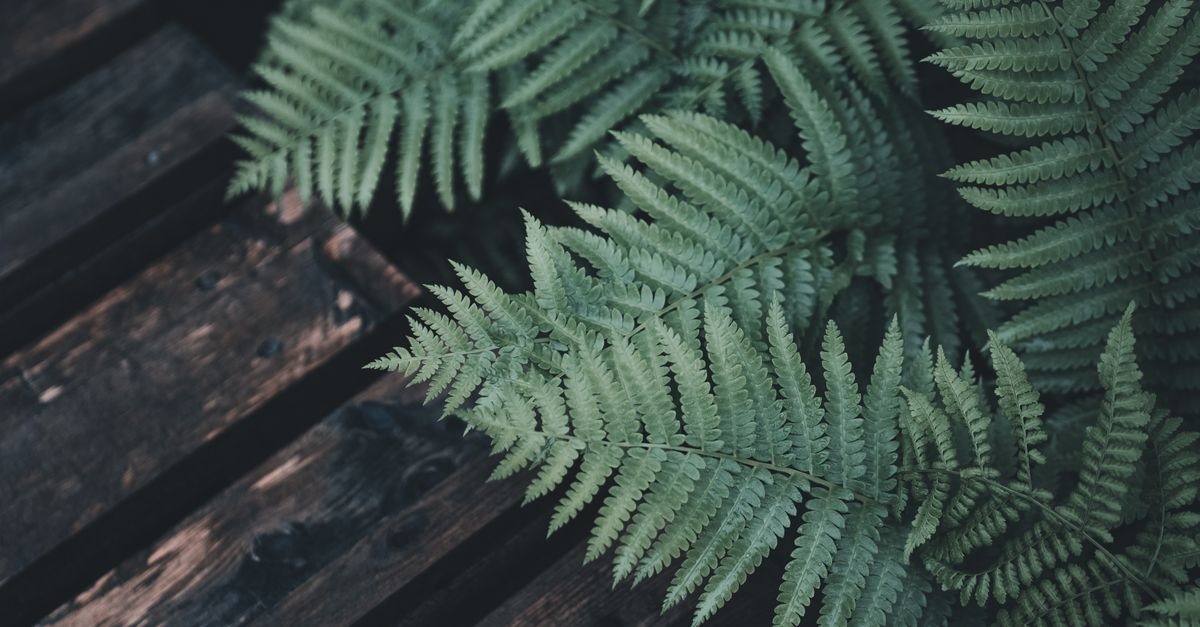
Fronds in the Shadows: Your Foolproof Guide to Picking Perfect Ferns for Shade turns low-light challenges into design opportunities. Whether you’re cultivating a cool woodland nook, softening the north side of a fence, or greening up a city courtyard, ferns deliver lush texture and calm. This comprehensive guide shows you how to choose ferns for shaded gardens the smart way—by reading your site, matching needs to species, and building a resilient planting that matures beautifully over time.
Why Ferns Thrive in the Shadows
Ferns are ancient plants evolved to flourish beneath forest canopies. Their finely divided fronds intercept dappled light, while rhizomes (or crowns) explore humus-rich soils. In shade, where extremes of heat and evaporation are reduced, well-chosen ferns provide reliable structure with minimal fuss. From feathery Athyrium to architectural Polystichum, there’s a form for every mood—airy, upright, cascading, or ground-hugging.
Shade 101: Know Your Light Before You Pick a Fern
Great fern choices begin with accurate shade analysis. Light varies by season, canopy density, walls, and buildings. Instead of guessing, size up your shade so you can shop with confidence.
Types of Shade (and What They Mean for Ferns)
- Deep shade: Little direct light, often beneath dense evergreens or close to north-facing walls. Choose robust fern species that tolerate low light and often drier soil near dense roots.
- Full shade: Bright ambient light but virtually no direct sun. Many woodland ferns prosper here with consistent moisture and organic matter.
- Dappled or filtered shade: Moving flecks of sun beneath open canopies. This is prime fern territory—light enough to color up silvered varieties but not harsh.
- Partial shade: Cool morning sun with afternoon shade. Opens the door to a wide palette, especially “silver” and colorful cultivars.
- Dry shade vs. moist shade: Tree root competition, roof overhangs, or rain shadows create dryness; streambanks and swales create moisture. Match fern moisture needs to your reality.
Simple Ways to Read Your Light
- Shadow test: At midday, sharp edges = brighter light; blurry, faint shadows = deeper shade.
- Seasonal check: Observe in spring and summer. Trees leaf out, buildings reflect light differently, and intensity changes with the sun’s angle.
- Smartphone lux app (optional): Use as a comparative tool. Bright shade often reads higher than deep shade; track patterns across hours and seasons.
Fern Basics: Forms, Habits, and What They Tell You
Understanding fern anatomy and growth habits helps you predict maintenance and fit the right plant to the right place.
Fronds, Fiddleheads, and Rhizomes
- Fronds: The leafy part of the fern—can be lacy, leathery, arching, or upright.
- Fiddleheads: The coiled young fronds in spring. Their timing signals growth cycles and cutting-back windows.
- Rhizome or crown: Underground (or surface) stems. Rhizomatous types may spread; crown-forming types are clumping and tidy.
Clumping vs. Spreading
- Clumping ferns (e.g., Dryopteris, many Polystichum): Predictable footprint, great for structure and borders.
- Rhizomatous spreaders (e.g., Matteuccia struthiopteris, some Pteridium): Excellent for naturalistic sweeps; provide room to roam or contain with edging.
Evergreen vs. Deciduous
- Evergreen ferns (e.g., Polystichum munitum, Asplenium scolopendrium): Winter backbone in temperate gardens; minimal winter cleanup.
- Deciduous ferns (e.g., Athyrium, Osmunda): Spectacular spring flush and seasonal drama; cut back old fronds late winter.
Key Decision Factors Before You Buy
Here’s the heart of how to choose ferns for shaded gardens: align your site conditions and goals with the plant’s needs. Use this as a decision checklist every time you shop or plan.
1) Climate and Hardiness
- Hardiness zones: Check USDA or your local equivalent. Many hardy ferns span Zones 3–9; heat and humidity tolerance also matters.
- Microclimates: Courtyards may be warmer; windy corners colder. Evergreen selections benefit from sheltered spots.
2) Soil: Texture, Drainage, and pH
- Texture and structure: Ferns appreciate friable, humus-rich soil. Amend clay with compost and leaf mold; lighten sands with organic matter.
- Drainage: Most ferns like consistent moisture yet detest waterlogging. Aim for moist but well-drained.
- pH: Slightly acidic to neutral suits most. Some (e.g., Asplenium scolopendrium) tolerate alkaline or chalky soils better than others.
3) Moisture Availability
- Moist shade specialists: Osmunda regalis, Onoclea sensibilis thrive in damp ground and rain gardens.
- Dry shade tolerant: Polypodium vulgare, Asplenium species manage with less water once established.
4) Mature Size and Spread
- Height and width: From 8-inch button ferns to 5-foot ostrich ferns, size matters for spacing, visibility, and maintenance.
- Growth rate and habit: Fast spreaders can knit a groundcover; clumpers are best for tidy accents and borders.
5) Purpose and Placement
- Groundcover: Use spreading rhizomes or colonizing species.
- Vertical accent: Upright fronds for rhythm along paths or walls.
- Containers and courtyards: Compact, textural varieties shine in pots with reliable irrigation.
- Privacy and screening: Taller, vase-shaped ferns soften fences and utilities.
6) Maintenance Appetite
- Low-maintenance ferns: Many hardy Dryopteris and Polystichum ask for little beyond mulch and water.
- High-impact divas: Variegated Japanese painted ferns show best color with decent light and fertile soil, plus seasonal grooming.
7) Wildlife, Pets, and Pests
- Deer resistance: Many ferns are less palatable, but local pressure varies—trial one or two before mass planting.
- Slugs and snails: Young fronds are tender; mulch wisely and monitor in wet springs.
Top Ferns for Different Shade Situations
Below are dependable options matched to typical garden conditions. Use Latin names when shopping to avoid mix-ups.
Champions for Deep Shade
- Dryopteris affinis (Golden-scaled male fern): Evergreen to semi-evergreen, stately rosettes; handles low light and cooler, drier corners with compost-rich soil.
- Polystichum munitum (Western sword fern): Bold, architectural fronds; excellent backbone under conifers in milder climates.
- Asplenium scolopendrium (Hart’s-tongue fern): Distinct glossy strap-like fronds; tolerates lime and deep shade with steady moisture.
Thriving in Dappled or Bright Shade
- Athyrium niponicum var. pictum (Japanese painted fern): Silvery, burgundy tones glow in bright shade; best color with fertile, evenly moist soil.
- Matteuccia struthiopteris (Ostrich fern): Regal, vase-shaped; prefers rich, moist soils and space to spread.
- Osmunda cinnamomea (Cinnamon fern): Striking cinnamon-colored fertile fronds; enjoys wet to moist ground.
Dry Shade Survivors
- Polypodium vulgare (Common polypody): Rhizomatous, excellent on walls or among rocks; tolerates periods of dryness once established.
- Dryopteris erythrosora (Autumn fern): Coppery new growth; adaptable, handles intermittent dryness with mulch.
- Asplenium trichomanes (Maidenhair spleenwort): Small-scale charmer for stonework and crevices.
Wet Shade and Rain Garden Picks
- Osmunda regalis (Royal fern): Majestic, almost shrub-like; thrives in saturated soils and along water features.
- Onoclea sensibilis (Sensitive fern): Spreads in moist ground; bright green fronds for naturalized edges.
- Thelypteris palustris (Marsh fern): Prefers boggy, acidic sites; great for ecological plantings.
Small-Space and Container Ferns
- Blechnum spicant (Deer fern): Distinct fertile/sterile frond contrast; compact and elegant.
- Adiantum venustum (Himalayan maidenhair): Airy texture; needs consistent moisture and shelter from wind.
- Polystichum setiferum ‘Herrenhausen’: Finely cut fronds; excellent in pots with organic, moisture-retentive media.
Cold-Hardy and Heat-Tolerant Notes
- Cold hardy standouts: Dryopteris filix-mas, Matteuccia, and Osmunda for Zone 3–4 gardens.
- Heat and humidity tolerant: Many Woodwardia and southern natives excel in warm, moist shade with mulch.
Native Ferns by Region (Examples)
- Eastern North America: Osmunda spp., Athyrium asplenioides, Onoclea, Polystichum acrostichoides.
- Western North America: Polystichum munitum, Adiantum aleuticum, Blechnum spicant.
- UK/EU: Dryopteris dilatata, Polypodium vulgare, Asplenium scolopendrium.
- Australia/NZ (temperate zones): Blechnum spp., Cyathea dealbata (protected; research sourcing), Hymenophyllum in moist, cool sites.
Designing with Ferns: Texture, Contrast, and Rhythm
Ferns excel at visual calm—use texture and repetition to anchor the composition, then layer accents to keep the eye moving.
Texture and Color Play
- Contrast frond texture: Pair leathery Polystichum with lacy Athyrium for depth.
- Use color highlights: Silvered Japanese painted ferns brighten dim corners; coppery Dryopteris erythrosora adds seasonal glow.
- Layer heights: Tall ostrich ferns at the back, medium Dryopteris mid-bed, footed by low Polypodium.
Great Companions for Shade
- Foliage foils: Hostas, heucheras, and epimediums offer bold leaves and color echoes.
- Spring sparks: Hellebores and pulmonarias flower before canopy closure.
- Summer continuity: Astilbe plumes punctuate fern textures; carex sedges stitch edges.
Easy Layout Formulas
- Woodland drift: 3–5 of one species repeated along a path; interplant with spring ephemerals.
- Courtyard trio: One evergreen fern for structure, one silver accent, one ground-hugger to spill.
- Moist shade vignette: Royal fern as the focal point, ringed by cinnamon fern and hostas.
Buying and Sourcing: Read the Tag, Trust the Latin
When learning how to choose ferns for shaded gardens, plant labels become your best friend. The right information prevents mismatches and saves money.
What to Look For on Plant Tags
- Botanical name: Guarantees you’re getting the exact species or cultivar.
- Light and moisture needs: Match to your site inventory, not wishful thinking.
- Height/spread and habit: Clumping vs. spreading determines spacing and containment.
- Hardiness zone and evergreen/deciduous status: Guides placement and winter expectations.
Plant Quality Checklist
- Healthy fronds: No extensive browning, spotting, or distortion.
- Firm crowns/rhizomes: Avoid mushy or rotten tissues.
- Root health: Gently check for white, fibrous roots; avoid severely root-bound pots.
Ethical and Effective Sourcing
- Support reputable nurseries: Especially those specializing in shade plants and natives.
- Avoid wild collecting: Protect native populations; buy propagated stock.
- Research invasiveness: Ensure your selection won’t overrun natural areas in your region.
Planting and Establishment: Set Ferns Up for Success
Right-plant-right-place meets right-planting-right-now. Good prep accelerates establishment and resilience.
Timing and Site Prep
- Best seasons: Spring and early fall for cooler temperatures and steady moisture.
- Soil prep: Incorporate 2–4 inches of compost or leaf mold; remove perennial weeds and loosen compacted layers.
- Drainage tune-up: In heavy soils, create broad, shallow basins; consider raised berms for sensitive species.
How to Plant
- Depth: Set crowns at soil level; do not bury centers. Rhizomes sit just below or at the surface, depending on species.
- Spacing: Respect mature spread—often 18–36 inches for medium ferns; tighter for small container varieties.
- Watering-in: Drench to settle soil and remove air pockets; keep evenly moist during the first growing season.
Mulching and Labeling
- Mulch: 1–2 inches of shredded leaves or fine bark conserves moisture and feeds soil life; keep off crowns.
- Labels: Mark species and planting date to guide future division and care.
Care Calendar: Water, Feed, and Groom
Once established, many ferns are low maintenance. A simple rhythm of moisture, mulch, and minimal feeding keeps fronds fresh and full.
Watering Rules of Thumb
- Establishment phase: Keep consistently moist (not soggy) for the first season.
- Mature plants: Deep, infrequent waterings in drought; use soaker hoses for steady moisture in beds.
- Dry shade strategies: Thicker mulch, slow-release organic matter, and strategic drip irrigation.
Fertilizing and Soil Health
- Low-input feeding: Annual top-dress with compost or leaf mold is usually enough.
- Optional boosts: Dilute seaweed or compost tea in spring for color and vigor; avoid high-nitrogen surges.
Grooming and Seasonal Tasks
- Late winter cleanup: Cut back deciduous fronds before new fiddleheads unfurl.
- Evergreen tidying: Snip tattered fronds as new growth emerges.
- Division: Every 3–5 years for clumpers to maintain vigor; replant divisions promptly.
Winter Care
- Mulch crowns lightly in colder zones after ground freezes to buffer temperature swings.
- Avoid wet feet in winter for sensitive species by ensuring drainage and air circulation.
Troubleshooting: Pests, Problems, and Quick Fixes
Healthy, site-matched ferns rarely struggle. When they do, the cause is usually water imbalance, poor drainage, or nutrient issues.
Common Pests
- Slugs and snails: Protect emerging fronds with copper tape at pot rims, sharp grit barriers, or iron phosphate baits. Night hand-picking helps.
- Deer and rabbits: Ferns are often less favored, but pressure varies—use repellents or fencing if browsing is severe.
- Scale/aphids (rare outdoors): Treat with horticultural soap or oil; encourage predators by maintaining plant diversity.
Physiological Issues
- Frond scorch or bleaching: Too much direct sun; move or add canopy companions.
- Yellowing/chlorosis: Poor nutrition or alkaline soils for acid-preferring species; add compost and check pH.
- Rot and collapse: Waterlogging or buried crowns; improve drainage and reset planting depth.
Propagation: Expand Your Fern Colony
Propagating ferns is rewarding. Division is fastest; spore work is fascinating but slower.
Division
- When: Early spring as new growth stirs, or early fall with time to root in.
- How: Lift clumps, slice with a clean knife into healthy fans with roots attached; replant at original depth.
- Aftercare: Water in and shade from hot sun; mulch lightly.
Spore Propagation (Advanced)
- Collect spores: From mature sori on frond undersides; dry on paper to release spores.
- Sow: On sterile, moist medium under cover; maintain steady humidity; patience required.
- Potting on: Transplant when prothalli and then tiny ferns become robust; acclimate slowly.
Quick Picks and Cheat Sheets
15 Reliable Ferns for Shade
- Dryopteris filix-mas (Male fern)
- Dryopteris affinis (Golden-scaled male fern)
- Polystichum munitum (Western sword fern)
- Polystichum setiferum (Soft shield fern)
- Athyrium niponicum (Japanese painted fern)
- Athyrium filix-femina (Lady fern)
- Matteuccia struthiopteris (Ostrich fern)
- Osmunda regalis (Royal fern)
- Osmunda cinnamomea (Cinnamon fern)
- Onoclea sensibilis (Sensitive fern)
- Polypodium vulgare (Common polypody)
- Asplenium scolopendrium (Hart’s-tongue fern)
- Blechnum spicant (Deer fern)
- Adiantum venustum (Himalayan maidenhair)
- Thelypteris palustris (Marsh fern)
Decision Checklist: Choosing the Right Fern
- Light: Deep, full, dappled, or partial shade?
- Moisture: Dry, average, moist, or wet ground?
- Soil: Texture, drainage, and pH aligned with your target species?
- Climate: Hardiness and heat/humidity tolerance confirmed?
- Purpose: Groundcover, accent, container, or screen?
- Maintenance: Low-input or open to grooming and division?
- Wildlife pressure: Deer, slugs, or other local issues planned for?
Common Mistakes to Avoid
- Ignoring mature size: Overcrowding leads to weak fronds and disease.
- Burying crowns: Causes rot—keep crowns at or just above soil line as appropriate.
- Overwatering in heavy soils: Prioritize drainage and organic matter.
- Too much sun for silvered varieties: Leads to bleaching; keep them in bright but indirect light.
- Skipping mulch: Mulch is your moisture and soil-health ally in shade.
FAQs: Fast Answers for Shade-Garden Success
Do ferns need fertilizer?
Not much. A yearly top-dress of compost or leaf mold usually suffices. If fronds pale, add a gentle organic feed in spring.
Can I grow ferns in containers?
Yes. Use a moisture-retentive, well-draining mix (compost plus fine bark), keep evenly moist, and protect from hot afternoon sun. Evergreen Polystichum and compact Blechnum excel in pots.
Which ferns handle dry shade?
Polypodium vulgare, Asplenium trichomanes, and Dryopteris erythrosora cope well once established—especially with mulch and occasional deep watering.
What about indoor low light?
Many classic house ferns (e.g., Boston fern, maidenhair) prefer bright indirect light and high humidity. For true low-light interiors, consider tougher species, frequent misting or a pebble tray, and avoid hot/dry drafts.
Are ferns deer-proof?
No plant is completely deer-proof, but many ferns are less preferred. Trial locally and consider deterrents if browsing is heavy.
Putting It All Together: A Sample Shade Plan
Here’s a simple 10-by-6-foot bed layout that demonstrates practical choices and spacing to illustrate how to choose ferns for shaded gardens and design with confidence.
- Back row (structure): 3 × Polystichum munitum, spaced 30–36 inches, to anchor the backdrop.
- Mid layer (color/contrast): 5 × Athyrium niponicum, spaced 18–24 inches, weaving silver through the center.
- Front edge (groundcover): 7 × Polypodium vulgare, spaced 12–18 inches, to knit the edge and spill over pathway stones.
- Companions: 3 × hosta (bold leaves), 5 × heuchera (burgundy foliage) to echo the painted fern’s tones.
- Soil and mulch: 3 inches leaf mold mixed in; 1–2 inches shredded leaves as mulch, renewed annually.
Conclusion: Your Foolproof Path to Shade-Garden Lushness
Choosing ferns for shade is easy—and deeply satisfying—once you align light, moisture, soil, and design goals. Take an hour to assess your site, make a short list of species matched to those conditions, and start with a few dependable workhorses. With compost, mulch, and steady moisture, your fronds will unfurl into a serene, textural tapestry that thrives for years.
Next Steps (Quick Action List)
- Map your shade: Note deep/full/dappled areas across seasons.
- Test drainage and observe moisture: Identify dry vs. wet pockets.
- Shortlist species: Pick 3–5 ferns suited to your exact conditions.
- Amend and plant: Add organic matter, set correct depth, mulch lightly.
- Water to establish: Keep evenly moist the first season—then enjoy.
With these steps, you’ll not only know how to choose ferns for shaded gardens—you’ll create a shade sanctuary that feels effortless, cohesive, and alive in every season.