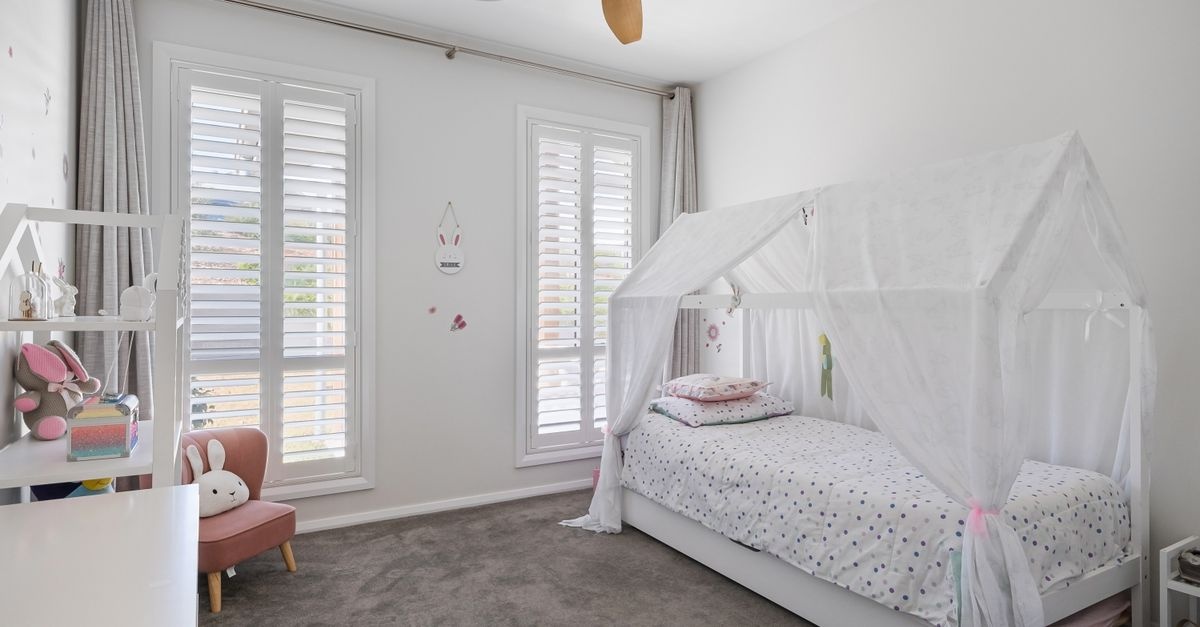
Imagine a room where sleep feels like a story, waking up is an adventure, and tidy time makes sense to small hands. A house‑shaped bed is more than furniture; it is a miniature world that brings the warmth of home into a child’s most personal space. In this complete guide, you will learn how to design a child’s room with a house‑shaped bed that balances whimsy with everyday practicality, so your little one can play, learn, and rest in a space that looks magical and works beautifully.
We will cover the inspiration, planning, safety, color and texture choices, storage, layouts for small or shared rooms, and even a grow‑with‑me roadmap. Whether you love Scandi calm, boho charm, or full‑on fairytale, you will find strategies, checklists, and ideas that help you turn a house‑shaped bed into the character around which the whole room happily revolves.
The Magic Of A House‑Shaped Bed
There is a reason children gravitate to forts and playhouses. A defined little hideaway feels safe, cozy, and full of possibility. A house‑shaped bed brings that feeling into daily life, giving structure to routines and a focal point for design. It invites storytelling and independent play, and it is easy to tailor to different ages, themes, and sensory needs.
- Imaginative play: The house form makes role‑play intuitive. Add curtains, a mailbox, or a fabric awning and the bed transforms into a shop, spaceship, or forest cabin.
- Cozy sleep cue: A clear boundary helps signal winding down. Children recognize the frame as a nest, which supports consistent bedtime habits.
- Design anchor: Choose finishes, lighting, and textiles around the bed silhouette to create cohesion and reduce visual clutter.
Before You Begin: Plan, Measure, Dream
Great kids’ rooms start with precise planning. Measure the space, note windows, outlets, radiators, and doors, then sketch a rough floor plan. Identify where the house‑shaped bed would live, how natural light flows, and which zones are needed: sleep, play, and study. This will guide your palette, materials, and storage choices.
Measure Twice, Map Zones
- Room dimensions: Length, width, and ceiling height. House frames can be tall; confirm vertical clearance for the peak.
- Traffic flow: Leave clear paths from door to bed to closet to desk; aim for at least sixty to ninety centimeters of walkway.
- Window considerations: Avoid blocking radiators or vents. Keep the bed side clear of drafts.
- Outlets and lighting: Note where plug‑in lamps and night lights can go. Consider cordless options for safety.
Safety First
- Age‑appropriate height: For toddlers, a low, Montessori‑style floor bed reduces fall risk. For older kids, add guard rails or partial rails.
- Stable construction: Look for a sturdy frame, secure joinery, and anti‑tip hardware when there are attached shelves or headboards.
- Rounded edges and finishes: Opt for smooth corners and non‑toxic, low‑VOC paints or sealants.
- Soft landings: Use cushioned rugs or play mats near bed edges. Avoid placing hard toys or furniture right beside the exit side.
Choosing The Right House‑Shaped Bed
Not all house‑style beds are the same. Consider size, materials, and how much enclosure you want. The right choice depends on your child’s age, room dimensions, and design goals.
Size And Mattress Type
- Toddler or floor bed: Great for independence and smooth transitions from a crib. Close to the ground, often with framed roofs that invite canopies.
- Twin or single: A long‑term choice for small rooms; fits most kids up to tween and beyond.
- Full or double: Extra room for bedtime reading with grown‑ups; needs more floor space but can double as a daybed with bolsters.
- Mattress profile: Medium‑low height keeps the silhouette balanced and railing heights effective.
Materials And Finishes
- Solid wood: Durable, repairable, and warm to the touch. Pine and birch suit Scandi looks; oak adds weight and longevity.
- Engineered woods: Lighter on budget; pick high‑quality options with low‑emission certifications.
- Painted frames: Soft neutrals feel calm; color‑blocked beams add playfulness without overwhelming the room.
Open Frame Or Enclosed?
- Open frame: Airy, flexible for canopies, bunting, or string lights. Ideal for small rooms.
- Partially enclosed: Side panels or a half wall create a cocoon for light‑sensitive sleepers.
- Bunk or loft variant: For siblings or tight spaces, consider a house‑shaped bunk with guard rails and proper ceiling clearance.
Style Directions: From Scandi Calm To Storybook Charm
Your child’s personality and your home’s architecture can guide the style. Below are themes that pair beautifully with a house‑style silhouette.
Scandinavian Minimal
Think pale wood, soft whites, and natural textures. Keep lines clean, add a linen canopy in oatmeal, and use wool rugs for softness. The result is restful and bright, perfect for open‑plan homes.
- Palette: Chalk white, dove gray, warm birch, muted sage.
- Textures: Boucle pillows, felt storage bins, cotton voile curtains.
- Accents: Simple bunting, peg rails, and paper star lanterns.
Boho And Eclectic
Layer patterns and colors with confidence. Drape the roofline with tassel garlands, mix Moroccan‑inspired rugs with block‑printed quilts, and pepper in rattan baskets. Keep at least one neutral wall to ground the look.
- Palette: Terracotta, mustard, teal, blush, ecru.
- Textures: Macrame, embroidered cushions, woven cane.
- Accents: Fringe canopy, pom‑pom throw, playful wall hangings.
Cottagecore And Storybook
Embrace hand‑painted florals, gingham, and buttery creams. A soft, vintage‑inspired wallpaper behind the bed makes the house frame pop, while lace curtains and wood toys round out the nostalgia.
- Palette: Buttercream, sage, dusty rose, sky blue.
- Textures: Quilted bedding, lace trim, crocheted throws.
- Accents: Painted window cutouts on the headboard, floral decals.
Adventure Themes: Forest, Coastal, Space
If your child loves a specific world, thread it through subtle layers rather than locking into one loud print. Use the house silhouette as the central stage and rotate accents as interests change.
- Forest: Evergreen wall, animal prints, felted toadstool stools, a leafy canopy.
- Coastal: Striped rug, rope knobs, sandy neutrals, sea glass green.
- Space: Deep midnight wall, scatter of glow stars inside the roof, metallic pillows.
Color And Wall Treatments That Frame The House
Walls set mood and scale. They can also visually anchor the house frame so it reads as the room’s hearth. Choose a palette that calms rather than overstimulates, and save the brightest notes for small accents.
Palette Principles
- Sixty‑thirty‑ten rule: Use a main neutral for sixty percent, a complementary color for thirty, and a fun accent for ten.
- Undertones matter: Warm whites flatter wood; cool grays suit modern metals and space themes.
- Ceiling play: Paint the ceiling a whisper shade darker than walls to pull the house peak forward.
Wallpaper, Murals, And Decals
- One feature wall: Behind the bed adds depth without busying the entire room.
- Removable options: Ideal for renters or for evolving tastes; look for washable finishes.
- Mural niche: Paint or apply a subtle landscape inside the roof outline for an instant storybook nook.
Textiles And Soft Layers
Textiles deliver comfort and color balance. Within the house frame, bedding, canopies, and pillows create a nest; outside it, rugs and curtains soften acoustics and define zones.
Bedding And Canopies
- Breathable layers: Cotton percale or linen for sheets; a medium‑weight duvet for year‑round comfort.
- Canopy safety: Securely anchor fabric with proper fixings and keep clear of heat sources.
- Mix small prints: Micro florals with thin stripes feel playful but not chaotic.
Rugs, Curtains, And Cushions
- Zoning with rugs: One plush rug near the bed for soft landings; a flat‑weave in the play zone for easy cleaning.
- Light control: Pair blackout curtains with sheers to handle naps and bedtime.
- Floor cushions and poufs: Encourage reading and quiet play; store in a woven basket when not in use.
Light The Little Hideaway
Layered lighting makes the room safe and soothing. Combine soft overhead illumination with warm task lights and a gentle night glow inside the house frame.
Ambient, Task, Accent
- Ambient: A dimmable ceiling light or a fabric pendant keeps the roofline clear while preventing glare.
- Task: A clip lamp or low‑heat LED sconce near the headboard for reading. Cordless, rechargeable lamps reduce hazards.
- Accent: Fairy lights strung along the eaves, a paper lantern window inside the frame, or a projector lamp for wind‑down rituals.
Night Light Options
- Warm color temperature: Choose two thousand to three thousand Kelvin to protect melatonin.
- Motion sensors: Helpful for bathroom trips without waking fully.
- Plug‑in vs rechargeable: Rechargeables reduce cords around the bed zone.
Smart Storage And Montessori‑Friendly Organization
Clutter is the enemy of calm. Keep only what your child uses, store at child height, and rotate toys. The house bed’s footprint can help unlock storage around and beneath it.
Under‑Bed And Bedside
- Low drawers or baskets: Tuck seasonal clothes or bulky bedding below a raised frame; for floor beds, use slim bins beside the frame.
- Bedside shelf: A narrow ledge for a water bottle and a favorite book keeps nightstands compact.
- Hidden hampers: Slide a soft basket under the eaves for pajamas to promote tidy habits.
Vertical And Built‑In Solutions
- Wall‑mounted book ledges: Covers facing out encourage reading and double as art.
- Peg rails and hooks: Child‑height rails support independence for coats and bags.
- Closet zones: Low rods for everyday outfits; upper shelves for back stock and keepsakes.
Zoning: Sleep, Play, Learn
House‑shaped beds make the sleep zone clear. Define two more: an active play corner and a calm learn or craft area. Zoning reduces mess spread and supports transitions.
- Sleep: Keep this corner minimal. A small shelf, soft rug, and warm lamp are enough.
- Play: Use labeled bins and open shelving; display a few toys at a time for focus.
- Learn: A compact desk or child‑sized table by natural light, with a cork board for art.
Small Spaces And Shared Rooms
Even tight rooms can feel bigger when the bed defines volume and edges. Use the roofline to guide sightlines and align storage vertically.
Tiny Rooms And Nooks
- Open frame bed: Keeps sightlines clear. Paint the wall inside the house outline a tone darker to create depth.
- Sliding storage: Rolling crates or low drawers prevent blockages.
- Mirrors: One child‑height mirror near a peg rail expands light and supports dressing skills.
Siblings And Bunks
- House‑shaped bunk: Adds whimsy for two; ensure guard rails and adequate ceiling clearance.
- Individual zones: Different bedding colors or wall decals let each child own their nook.
- Sound softening: Thick curtains and layered rugs cut down on echo in shared rooms.
Sensory‑Friendly And Inclusive Design
Some children benefit from quieter palettes, predictable layouts, and textured comfort. The house frame can anchor a low‑stimulus zone that still feels special.
- Subdued hues: Greens, soft blues, and warm neutrals regulate mood.
- Texture layering: Knits, velvets, and sheepskin alternatives add tactile comfort.
- Predictability: Visual labels and consistent toy rotation minimize overwhelm.
- Blackout and white noise: Ensure deep rest if light or sound sensitivity is present.
Sustainable, Non‑Toxic, And Durable Choices
Healthy materials benefit the whole family. Look for low‑VOC finishes, solid woods from responsible sources, and washable textiles that can handle real life.
- Low‑VOC and water‑based finishes: Improve indoor air quality.
- Certifications: Seek credible marks on mattresses and paints.
- Washable covers: Zippered mattress protectors and duvet covers save stress.
- Repairability: Extra hardware and touch‑up paint extend the bed’s life.
DIY Magic And Personalization
Small projects make the setup uniquely yours without major expense. Start simple and add layers over time.
- Bunting and garlands: Sew or string fabric triangles along the eaves.
- Mailbox or name plaque: A playful sign gives the house a friendly address.
- Window cutouts: Paint faux windows on the wall that align with the bed frame for dimensional charm.
- Curtain doors: Light muslin panels on a mini tension rod create quiet time on demand.
Budget Planning: Where To Splurge Or Save
Set a budget early and allocate spending to the elements that matter most for safety and longevity. Then sprinkle in affordable decor for seasonal refreshes.
- Splurge: The bed frame and mattress, blackout window treatments, and a durable rug.
- Save: Removable decals, throw pillows, and clip‑on lights.
- Secondhand: Solid wood dressers or bookcases refreshed with low‑VOC paint.
Grow‑With‑Me Strategy
Design for today and tomorrow. As your child grows, the house bed can evolve from toddler floor nest to reading lounge to tween hangout.
- Toddler stage: Floor bed with rail, soft perimeter, and simplified toy access.
- School age: Add a desk, stronger task lighting, and more book storage.
- Tween: Upgrade bedding textures, bring in a larger study surface, and swap playful garlands for string lights.
Seasonal And Festive Refreshes
Keep the room feeling new with lightweight changes rather than a full overhaul. Rotate color pops and thematic accents to match the time of year.
- Spring: Floral bunting, pastel pillowcases, and fresh art.
- Summer: Nautical stripes, airy linen throws, beach‑themed prints.
- Autumn: Rust and mustard accents, leaf garlands, cozy knits.
- Winter: Twinkle lights along the eaves, plush blankets, star motifs.
Sample Floor Plans And Measurements
Below are starting points you can adapt to your space. Always confirm your exact measurements and sightlines.
- Square room roughly three by three meters: Place the house bed centered on a wall opposite the door. A one and a half meter wide rug anchors the sleep zone; desk near window; low shelves on the adjacent wall.
- Narrow room roughly two by three and a half meters: Place the bed lengthwise against the longer wall with a slim bedside shelf; rolling storage underfoot; book ledges above the foot.
- Shared room roughly three by four meters: House bunk on shorter wall with a curtain rail for privacy; two tall wardrobes flank the window; central flat‑weave rug for play.
Practical Checklist For Shopping And Setup
- House‑shaped bed frame sized to room and age
- Breathable mattress with washable protector
- Guard rails or partial rails if needed
- Blackout curtains with sheers for daytime
- Dimmable lighting: overhead, reading, and night light
- Two rugs: plush by bed, flat‑weave in play zone
- Open shelving and labeled toy bins
- Wall art or decals to frame the bed
- Canopy or bunting for the eaves
- Safety hardware: anti‑tip anchors, cable clips
Common Mistakes To Avoid
- Over‑theming: Go for flexible accents rather than a full room locked to one character.
- Ignoring scale: Oversized beds can crowd small rooms; measure clearances.
- Too many patterns: Limit big prints to one or two surfaces, then use solids.
- Neglecting storage: Plan for toy rotation and dirty‑laundry flow from day one.
- Harsh lighting: Avoid cool blue lights at night; stick to warm, dimmable sources.
Care, Cleaning, And Maintenance
Kid spaces work hard. Choose materials that clean easily, and set a simple routine so upkeep takes minutes, not hours.
- Weekly: Vacuum rugs, lint‑roll canopies, and wipe ledges with a damp cloth.
- Monthly: Check hardware tightness, flip or rotate the mattress as recommended.
- Seasonal: Wash removable covers, deep clean under the bed, edit toys and outgrown clothes.
Frequently Asked Questions
Is a house‑shaped bed safe for toddlers?
Yes when age appropriate, low to the ground, and paired with guard rails or a bumper. Ensure soft surfaces nearby and use non‑toxic finishes.
How can I make the design last through school years?
Choose a neutral bed frame and wall palette, then refresh with interchangeable textiles, art, and lighting. As interests evolve, the house shape remains timeless.
What about very small rooms?
Pick an open frame, paint an accent wall inside the roof outline for depth, and use rolling storage bins. Keep decor high‑impact but low‑volume like bunting and decals.
How to design a child’s room with a house‑shaped bed on a tight budget?
Invest in the mattress and safe frame, then save on removable wall art, DIY garlands, and secondhand storage refurbished with low‑VOC paint.
Can this setup support neurodiverse needs?
Absolutely. Use muted palettes, predictable storage, blackout shades, and gentle white noise. A partial curtain on the frame can create a calming retreat.
A Step‑By‑Step Plan: How To Design A Child’s Room With A House‑Shaped Bed
- Define goals: Sleep quality, play needs, study zone, and storage priorities.
- Measure the room: Sketch a layout noting windows, outlets, and paths.
- Choose the bed: Size, height, material, and open versus enclosed frame.
- Select palette: Two calm base tones and one accent color.
- Plan lighting: Overhead dimmer, reading light, night glow.
- Map storage: Under‑bed drawers, ledges, peg rails, labeled bins.
- Dress the bed: Breathable bedding, canopy or bunting, a small shelf.
- Zone the room: Rugs define sleep, play, and learn areas.
- Personalize: Decals, art, a name plaque, and seasonal swaps.
- Safety check: Anchor furniture, tidy cords, add soft landings.
Putting It All Together
The charm of this approach is that your design can be as simple or layered as you like. The house frame offers a recognizable anchor; everything else can flex. Focus on healthy materials, right‑sized storage, layered lighting, and a palette that supports rest. That balance is the secret to how to design a child’s room with a house‑shaped bed that delights little dreamers and satisfies grown‑up expectations for function and longevity.
As you map your plan, remember that good kids’ rooms evolve. Start with a safe, comfortable sleep nest; add a reading corner; build storage that actually serves how your child plays. A few thoughtful touches turn bedtime into a ritual and mornings into possibility. With your house‑shaped bed as the heart, the rest of the room naturally falls into place.
Final Thoughts And Next Steps
Ready to begin? Revisit your measurements, shortlist two or three frames that fit your space, pick a palette, and order samples of paint, wallpaper, and textiles. Within a weekend, you can assemble the bed, anchor your storage, and hang a canopy or bunting to set the tone. Keep this guide handy to refine details over time. With a clear plan, smart basics, and a little imagination, you now know how to design a child’s room with a house‑shaped bed that is equal parts whimsical and wonderfully workable.