Your kitchen floor works harder than any other surface in your home. It faces hot pans, cold mornings, splashes of sauce, muddy paws, and dancing during dinner prep. In other words, it needs to handle life as beautifully as it looks. If you are wondering how to choose the right kitchen flooring, this guide brings clarity to your options, from practical performance to timeless style. You will learn what really matters, what to avoid, and how to make a confident decision that suits your lifestyle, budget, and design goals.
Why Kitchen Flooring Matters More Than You Think
The kitchen is a wet zone, a heat zone, a high-traffic zone, and a showpiece all in one. That combination pushes floors to their limits. A poor choice can warp, chip, stain, or date your space fast. A great choice adds comfort, safety, and a cohesive design flow through years of everyday use. Think of your floor as both a foundation and a finish: it supports your daily routine and defines your room's character. Prioritizing performance now will save you replacements, repairs, and regret later.
- Performance first: Resist water, stains, scratches, and heat where possible.
- Comfort counts: Standing for long periods means the right underfoot feel matters.
- Design shapes mood: Color, pattern, and finish transform light and space.
- Budget is broader than price: Consider installation, maintenance, and lifespan.
Start With Lifestyle, Not Materials
Before shopping samples, frame your decision around how you live. That lens quickly narrows options and avoids costly missteps.
- Household traffic: Big families, entertainers, or frequent cooks need higher durability and stain resistance.
- Pets and kids: Choose scratch resistance, traction, and easy-clean surfaces.
- Moisture exposure: If your kitchen sees frequent spills or adjoins a mudroom, waterproof or water-resistant options shine.
- Climate: Large humidity swings can stress wood-based floors. Stable options like tile or vinyl may fare better.
- Open-plan layouts: Choose floors that visually connect to living spaces without sacrificing kitchen performance.
Anchoring choices to your daily reality makes every later decision simpler and more accurate.
Key Performance Factors To Compare
Water and Stain Resistance
Kitchen floors must cope with splashes and spills. Porcelain tile, luxury vinyl plank or tile, sheet vinyl, sealed concrete, and epoxy earn top marks. Engineered wood and well-sealed hardwood can work with caution, though standing water is still a risk. Grout in tiled floors needs sealing and care to prevent discoloration.
Durability and Scratch Resistance
Chairs, grit, and pet nails challenge finishes. Porcelain tile, some modern laminates, and quality vinyls offer tough wear layers. Engineered wood with durable factory finishes resists everyday abrasion better than many site-finished floors. Solid hardwood is refinished more times but can scratch sooner if the finish is soft.
Comfort and Acoustics
Tile is the hardest underfoot; vinyl, cork, linoleum, and rubber offer extra give and quieter acoustics. Underlayments can soften impact and reduce noise in floating floors. Radiant heating transforms tile and concrete from cold to cozy.
Safety and Slip Resistance
Look for slip-resistant ratings, especially in wet zones. Honed or textured tile, matte finishes, and some resilient floors provide better traction than glossy surfaces. Rugs with non-slip pads can help at workstations.
Maintenance and Cleaning
Busy kitchens call for easy-care surfaces. Vinyl, laminate, and tile clean quickly with gentle cleaners. Wood requires damp, not wet, mopping and prompt spill cleanup. Stone may need periodic sealing. Choose cleaning compatibility with your routine.
Heat and Sunlight Exposure
Stoves, dishwashers, and sunlight heat up floors. Porcelain tolerates high heat. Some vinyls can expand with direct sun; check specifications for heat and UV stability. Wood can fade or darken; area rugs may leave tone differences over time.
Budget and Total Cost of Ownership
Sticker price is only part of the puzzle. Include prep, underlayments, adhesives, trim, transitions, and likely maintenance or refinishing. A slightly costlier material that lasts twice as long can be the true bargain.
Installation and DIY Suitability
Floating vinyl, laminate, and some engineered wood systems welcome confident DIYers. Large-format tile, natural stone, traditional hardwood, concrete, and terrazzo benefit from professional installation to minimize lippage, cracking, or movement issues.
Resale Value and Timelessness
Neutral-toned hardwood, engineered wood, and classic porcelain tile tend to retain appeal. That said, a cohesive design executed well can elevate almost any material.
Material Options: Pros, Cons, and Best Uses
Porcelain and Ceramic Tile
Why people love it: Unmatched water resistance, vast design choices, and outstanding durability. Porcelain is denser than ceramic and typically more durable and stain resistant.
- Pros: Waterproof, stain resistant, many textures, compatible with radiant heat, long lifespan.
- Cons: Hard and cold without heating, grout maintenance, can be slippery if glossy, challenging DIY for large formats.
- Best for: Busy households, heavy cooks, and any kitchen that sees frequent spills.
Natural Stone Tile
Why people love it: Luxurious depth of color and texture with unique variation. Limestone, marble, slate, and travertine add character that ages gracefully in the right setting.
- Pros: High-end look, excellent heat tolerance, longevity.
- Cons: Porous stones require sealing; acids and oils can etch marble; cost and pro installation often required.
- Best for: Design-led kitchens where maintenance commitment is acceptable.
Luxury Vinyl Plank and Tile, and Sheet Vinyl
Why people love it: Remarkable realism, cushioned comfort, waterproof options, and excellent value. Floating and glue-down formats adapt to many subfloors.
- Pros: Waterproof choices, quiet underfoot, fast installation, wide styles including stone and wood looks.
- Cons: Heat and UV sensitivity in low-grade products; quality varies; sustainability depends on manufacturer.
- Best for: Families, pet owners, rental-friendly updates, and quick remodels.
Laminate
Why people love it: A budget-friendly path to wood looks with improved scratch resistance. Modern water-resistant laminates expand your options for kitchens.
- Pros: Scratch resistant, cost effective, easy floating installation.
- Cons: Susceptible to water damage if seams compromise; not all laminates are kitchen-rated; sound can be hollow without quality underlayment.
- Best for: Style seekers on a budget with moderate spill risk.
Engineered Wood
Why people love it: Real wood beauty with layered stability for kitchens and open plans. Factory finishes can be impressively durable.
- Pros: Authentic warmth, more dimensionally stable than solid wood, some lines allow refinishing.
- Cons: Sensitive to standing water; needs mindful care; refinishing thickness varies by product.
- Best for: Open-plan spaces where wood flow matters and water is managed promptly.
Solid Hardwood
Why people love it: Classic, refinishable many times, and a timeless choice that adds value. With the right finish and habits, it can serve a kitchen for decades.
- Pros: Long service life, can be sanded and refinished multiple times, warm underfoot.
- Cons: Less stable with moisture and humidity swings; water is the enemy; site finishing adds downtime and odor.
- Best for: Traditional homes and consistent climates with disciplined cleanup habits.
Cork
Why people love it: Soft, springy comfort that is kind to joints, with natural sound dampening and warmth. A renewable resource with unique, organic texture.
- Pros: Comfortable, quieter, better thermal feel, eco-forward material.
- Cons: Needs regular sealing; can dent under heavy point loads; UV sensitive.
- Best for: Home cooks who stand long hours and appreciate eco-friendly materials.
Linoleum
Why people love it: Classic, bio-based, and durable when properly sealed. Modern colors and marbling bring a retro-modern charm.
- Pros: Low VOC potential, renewable ingredients, resilient comfort, color runs through the material.
- Cons: Requires sealing and maintenance; sensitive to moisture during curing; professional installation recommended.
- Best for: Sustainability-minded renovations with a love for rich, matte color.
Rubber
Why people love it: Exceptional traction, cushion, and noise reduction. Commercial kitchens use it for a reason.
- Pros: Slip resistant, comfortable, easy to clean.
- Cons: Limited residential style options; can discolor with oils; odor initially.
- Best for: Utility-forward, chef-grade workspaces and modern minimalist designs.
Polished Concrete and Microcement
Why people love it: Seamless, modern, and tough when properly sealed. Works wonderfully with radiant heat and open spaces.
- Pros: Minimalist aesthetic, great heat conduction, highly durable.
- Cons: Hard underfoot, potential cracking without proper control joints, professional finishing required.
- Best for: Contemporary kitchens and loft-style homes.
Terrazzo and Epoxy Systems
Why people love it: Terrazzo blends chips of marble or glass with a binder for a speckled, artful surface. Epoxy coatings create seamless, customizable finishes.
- Pros: Durable, hygienic, unique designs.
- Cons: Professional installation, cost, and repair complexity for damaged areas.
- Best for: Statement kitchens with design-forward goals and long timelines.
Design That Works As Hard As It Looks
Color and Tone
Warm woods bring coziness; cool grays and charcoals create calm; creams and beiges invite light. Aim for a floor that balances cabinet and countertop undertones. If cabinets are warm, a neutral or slightly cool floor can offset heaviness. If you prefer bold color, keep patterns simple.
Pattern, Plank Size, and Scale
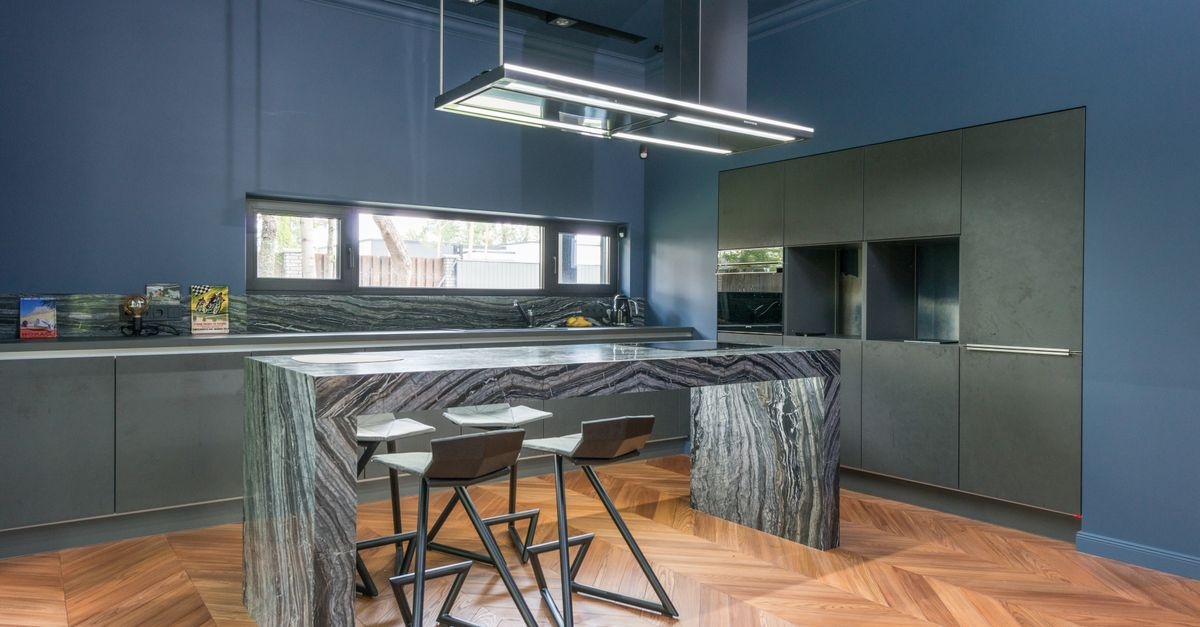
Large-format tile minimizes grout lines for a cleaner look. Narrow planks feel traditional; wide planks feel modern and expansive. Herringbone or chevron patterns add movement but require skilled installation and extra material.
Finish and Texture
Matte and low-sheen finishes hide dust and micro-scratches better than high gloss. Light wire-brushing on wood and textured porcelain adds traction and subtle interest without busy visuals.
Coordinating With Cabinets, Countertops, and Backsplash
- Two of three rule: Let two surfaces be quieter and one be the star. If your counters are bold, keep floors and cabinets calmer.
- Undertone harmony: Align warm with warm and cool with cool across major surfaces.
- Test samples in real light: Check morning, midday, and evening to avoid surprises.
Open-Plan Cohesion
When kitchens flow into living spaces, flooring becomes the bridge. Wood or wood-look vinyl often creates seamless transitions. If using tile in the kitchen and wood in living areas, choose a threshold or border that feels intentional, not accidental.
Subfloor, Prep, and Installation Essentials
Subfloor Condition and Moisture
Great floors begin beneath the surface. Concrete must be within moisture tolerance for the selected floor. Wood subfloors need to be flat, secure, and dry. Skipping moisture tests risks adhesive failure, cupping, or mold.
Levelness and Flatness
Tile and large planks demand flat substrates. Use self-leveling compounds where needed. The larger the tile or plank, the more critical this becomes to prevent lippage and hollow spots.
Underlayment and Sound
Underlayments can add cushion, block vapor, reduce noise, and smooth minor imperfections. Always match underlayment to the product and installation method to protect warranties.
Transitions and Thresholds
Plan floor heights early. Consider door clearances, appliance toe kicks, and edge trims. Thoughtful transitions keep the look high end and safe.
Radiant Heating Compatibility
Tile, stone, concrete, and many engineered products perform beautifully with radiant heat. Verify maximum temperature guidelines and expansion details for vinyl and laminate.
Sustainability and Indoor Air Quality
Materials and Certifications
Seek low emitting products with certifications such as FloorScore or Greenguard Gold. Bio-based options like cork and linoleum offer renewable stories. Recycled content in tile or terrazzo also supports circularity.
Adhesives and Finishes
Low VOC adhesives and waterborne finishes protect indoor air during and after installation. Factory-cured finishes on engineered wood or prefinished planks can minimize site emissions.
Longevity Is Green
One of the most sustainable choices is the one you install once and love for decades. Durability and classic design are eco superpowers.
Budgeting Smartly
Cost Ranges
Expect wide variability by region and quality tier. Vinyl and laminate generally start lower, porcelain midrange, engineered wood and hardwood span mid to high, and stone, terrazzo, or epoxy trend premium.
Hidden and Soft Costs
- Subfloor prep: Leveling and repairs add cost but prevent failure.
- Underlayments and membranes: For sound, moisture, crack isolation.
- Trim and transitions: Stair nosings, thresholds, reducers.
- Disposal and delivery: Old floor removal and material logistics.
DIY vs Professional
Tile layout, cutting, and leveling challenge many DIYers. Floating vinyl and laminate are approachable with patience and the right tools. A realistic assessment of your skills prevents expensive rework.
Life Cycle Cost
Balance upfront price with service life, maintenance, and potential refinish cycles. A durable mid-priced porcelain might outlast two bargain floors, winning on total cost.
Maintenance That Protects Your Investment
Daily and Weekly Care
- Dry debris first: Sweep or vacuum with a soft head to avoid grinding grit.
- Damp mop, not soak: Especially for wood and laminate.
- Use the right cleaners: Manufacturer-recommended products preserve finishes and warranties.
Stain and Spill Strategy
Wipe spills quickly. Blot oils and acids from stone and wood, and rinse gently. Sealed grout and penetrating sealers on stone create more cleanup time but are not invincible.
Repairs, Refinishing, and Replacement
Prefinished engineered wood and hardwood can be spot repaired or refinished depending on wear layer. Tile and vinyl allow selective plank or tile replacement when spares are kept. Maintain a labeled box of extras from your original lot.
Grout Care
Opt for stain-resistant grout formulations and seal where appropriate. Choose grout colors that mask typical kitchen soil. A grout brush and pH-neutral cleaner keep joints bright.
Warranties and Fine Print
Read installation, humidity, and cleaning requirements. Improper chairs or casters, unprotected appliances, and indoor climate extremes can void coverage.
How To Choose The Right Kitchen Flooring: A Step-by-Step Framework
- Map your lifestyle: Traffic, pets, cooking frequency, moisture exposure, climate swings.
- Rank performance needs: Water resistance, scratch toughness, comfort, slip resistance.
- Set a realistic budget: Include prep, underlayment, trims, and maintenance over time.
- Shortlist 3 to 4 materials: For example, porcelain tile, luxury vinyl, engineered wood, or laminate.
- Gather large samples: View alongside cabinets, counters, backsplash, and in real light across the day.
- Confirm technical fit: Subfloor condition, radiant heat, sun exposure, and installation method.
- Test cleanability: Drip coffee, oil, or tomato on sample boards; wipe and observe.
- Decide with confidence: Balance looks, performance, and lifetime cost; trust the option that best fits your daily life.
This structured approach makes how to choose the right kitchen flooring feel straightforward, practical, and tailored to your home rather than driven by trends alone.
Quick Picks By Scenario
- Busy family with pets: Porcelain tile or high-quality waterproof vinyl for maximum durability and easy cleanup.
- Design-first, open plan: Engineered wood with tough factory finish or wood-look porcelain for warmth without worry.
- Budget-conscious refresh: Water-resistant laminate or mid-tier vinyl with a good underlayment.
- Eco-forward: Cork or linoleum with low VOC adhesives, or porcelain with recycled content.
- Chef-style utility: Textured porcelain or rubber for grip and comfort, plus anti-fatigue mats at prep zones.
Common Mistakes To Avoid
- Picking by looks alone: A stunning floor that fails on function will frustrate you daily.
- Ignoring subfloor prep: Flatness and moisture tolerance make or break outcomes.
- Underestimating grout: The wrong grout choice can sabotage a tile installation.
- Skipping samples in real light: Store lighting lies. Your kitchen lighting tells the truth.
- Forgetting transitions and clearances: Doors, appliances, and stairs need planned heights and trim.
Trends Worth Considering Without Becoming Fads
- Large-format tile: Cleaner look with fewer lines, particularly in light neutrals and stone effects.
- Matte and honed finishes: Softer sheen improves traction and hides wear.
- Warm naturals: Oak tones and clay-inspired tiles bring organic calm that endures.
- Pattern play: Herringbone wood looks or subtle encaustic-style tiles add personality; keep palettes restrained to extend longevity.
Frequently Asked Questions
What is the most durable kitchen flooring?
Porcelain tile leads for durability, followed by quality luxury vinyl and some engineered stones or terrazzo. The best choice balances toughness with your comfort and design goals.
Can I use hardwood in a kitchen?
Yes, with care. Engineered wood is generally more stable than solid in kitchens. Wipe spills fast, use rugs at sinks, maintain humidity, and choose a durable factory finish.
What if I want radiant heat?
Tile, stone, and concrete excel with radiant systems. Many engineered woods, vinyls, and laminates are compatible within temperature limits; check manufacturer specs.
Which floor is easiest to clean?
Luxury vinyl, porcelain tile, and laminate are low maintenance. Keep grout sealed and use manufacturer-recommended cleaners to protect finishes.
How do I narrow choices without regret?
Follow the step-by-step process above for how to choose the right kitchen flooring, test large samples in your lighting, and weigh lifetime cost against daily comfort and care.
Putting It All Together: A Confident Choice
Your kitchen deserves a floor that stands up to heat, spills, and busy days while reflecting your style. By leading with lifestyle, comparing performance needs honestly, and balancing budget with long-term value, you will land on a beautiful, functional surface you will love for years. Whether you choose porcelain for bulletproof performance, engineered wood for warm continuity, or vinyl for comfort and easy care, the best choice is the one that makes your daily cooking, gathering, and living easier and more enjoyable. Use this guide as your clear path for how to choose the right kitchen flooring, and step forward with confidence from the first spill to lasting style.
At-a-Glance Recommendations
- Top all-rounder: Porcelain tile with stain-resistant grout and radiant heat for comfort.
- Best wood look with less worry: Wood-look porcelain or quality waterproof vinyl.
- Best for comfort: Cork, rubber, or cushioned vinyl with slip-resistant texture.
- Best eco story: Linoleum or cork with low VOC adhesives and responsible sourcing.
With clarity on needs, materials, and maintenance, selecting the perfect kitchen floor becomes a smart, satisfying decision that supports every meal, memory, and moment to come.