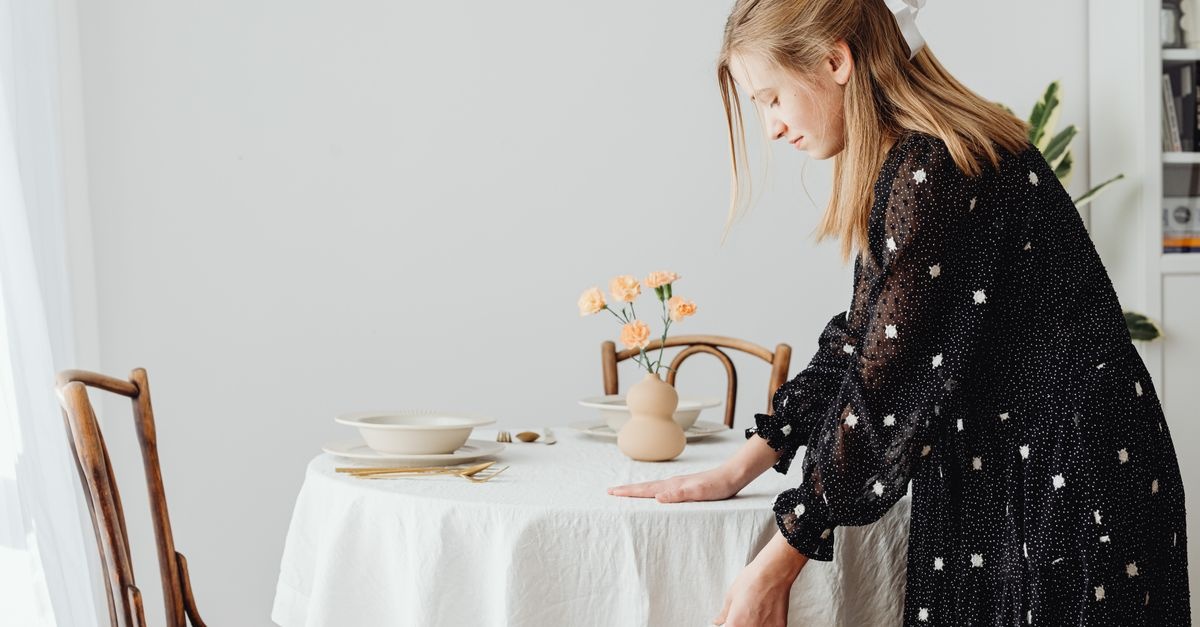
When a round dining table is dressed well, it becomes the quiet star of the room. The right cloth softens hard surfaces, frames a centerpiece, and sets the tone for every meal. But how do you balance exact measurements with an eye for pattern and color so the result looks tailored rather than improvised? If you have ever searched for Round tablecloths–how to choose pattern and size and felt overwhelmed, this is your clear, step by step guide. We will cover how to measure, how to calculate a beautiful and practical drop, how to navigate standard sizes and custom options, and how to select pattern scale and color that harmonize with your space.
Use this as a reference you can return to as seasons change, as your tablescape evolves, and as you host everything from casual breakfasts to candlelit dinners.
Measure First: The Three Numbers That Matter
Before you browse fabrics or prints, start with measurements. Round tables make this easy, but the details still count. You need three numbers for confident sizing and drape planning.
1. Table diameter
The most critical dimension is the table diameter. Measure straight across the center of the tabletop from edge to edge. If the surface is beveled, measure the widest flat usable area. For glass tops, measure the full edge to edge width you want to cover.
- Common round diameters: 36 in, 42 in, 48 in, 52 in to 54 in, 60 in, 66 in, 72 in.
- Convert to centimeters if needed: multiply inches by 2.54.
2. Desired drop
Drop is the overhang from tabletop edge to the bottom of the cloth. It is the style lever that signals casual, tailored, or formal. Choose drop to suit the occasion, chair height, and legroom.
- Casual everyday: 6 to 8 in drop. Shorter overhang = easier lap movement, minimalist look.
- Smart casual and weekend hosting: 8 to 10 in drop for a more framed, finished silhouette.
- Formal dinners: 12 to 15 in drop. Dramatic, luxurious, and camera ready.
- Floor length: roughly 28 to 30 in drop for dining height tables, used for weddings and banquets.
Note that seat clearance matters. If the drop brushes laps when guests pull in, shorten it or choose a softer, lighter fabric that compresses comfortably.
3. Base clearance (optional but helpful)
On pedestal or tulip bases, a long drop can pool around the column. If you want a clean line that clears the base, measure from the tabletop edge to the widest point of the pedestal. Keep your drop slightly shorter than that distance for a neat silhouette.
Size Formula: The One Equation You Will Use Every Time
The most reliable method to determine round tablecloth size is straightforward:
Tablecloth diameter = Table diameter + (2 x desired drop)
Examples:
- 48 in table, 8 in drop: 48 + 16 = 64 in tablecloth
- 54 in table, 10 in drop: 54 + 20 = 74 in tablecloth
- 60 in table, 12 in drop: 60 + 24 = 84 in tablecloth
- 72 in table, 15 in drop: 72 + 30 = 102 in tablecloth
If you shop by metric sizes, convert first or look for brands that list both sets of numbers. When the exact size is not available, round up by one size for fuller drape, or round down if you prefer a crisper, shorter edge.
Standard Round Tablecloth Sizes and Real World Pairings
Not all brands offer every diameter, so use these pairings as a practical guide rather than rigid rules. The following suggestions balance seat clearance and visual proportion for typical dining heights.
For small round tables
- 36 in table: choose 54 to 60 in cloth for a casual 9 to 12 in drop.
- 42 in table: 60 to 70 in cloth for 9 to 14 in drop, depending on formality.
For medium round tables
- 48 in table: 70 to 80 in cloth for 11 to 16 in drop. A 70 to 72 in cloth gives a smart casual look.
- 54 in table: 80 to 90 in cloth for a versatile 13 to 18 in drop.
For large round tables
- 60 in table: 84 to 96 in cloth. An 84 in cloth provides a 12 in drop; 90 in moves toward semi formal.
- 66 in table: 90 to 102 in cloth for 12 to 18 in drop choices.
- 72 in table: 102 to 120 in cloth, with 108 in being a popular formal pick.
If you host buffet style or need maximum mobility, err toward the shorter end. For weddings, banquets, or dramatic holiday tables, go longer.
Special Size Scenarios You Will Encounter
Round tables with leaves or extension mechanisms
Some round tables extend into ovals. If you use leaves often, plan for two solutions: a primary round cloth sized to your base diameter, and a larger oval or generous round cloth (layered with a runner) for extended settings.
Drop that grazes chair seats
If guests sit close and the overhang hits their knees or laps, reduce drop or select a very soft fabric. Lightweight linen, washed cotton, or a silk blend can drape elegantly without bulk.
Outdoor and patio settings
Wind and uneven surfaces call for practicality. Choose a shorter drop (6 to 8 in) to reduce lift, and secure corners with discreet clips or decorative cloth weights. Spill resistant fabrics, coated cotton, and solution dyed polyester increase durability and colorfastness under UV exposure.
Pattern Fundamentals: How to Make the Round Shape Work for You
Great pattern choice is not only about taste. On a round surface, scale, direction, and repeat behave differently than on a rectangle. Use the guidelines below to ensure the print enhances rather than overwhelms your table and space.
Scale: Match the print to table size and viewing distance
- Small tables (36 to 42 in): smaller or medium scale patterns read best, such as fine florals, dotted motifs, tight geometrics, or tone on tone jacquards. Oversized medallions may dominate the surface and feel busy.
- Medium tables (48 to 54 in): medium scale prints and balanced florals provide movement without visual clutter. Stripes on the bias or concentric patterns can flatter the round shape.
- Large tables (60 to 72 in): medium to large scale patterns, damask, paisley, or broad geometrics hold their own and feel proportionate. A large medallion can be dramatic if it aligns with the center.
Direction: The round requires 360 degree thinking
Because guests face every direction, a pattern that looks good from all angles avoids the feeling of top and bottom. All over patterns, tossed motifs, and irregular florals are versatile. Border prints can be stunning if the border radius matches the edge and the center remains clean for place settings.
Repeat and rapport: Keep edges and seams in mind
Large repeats can result in unexpected cropping at the cloth edge. For center focused patterns, ensure the motif lands near the middle. If the cloth is pieced for extra large sizes, confirm the seams align with the pattern or fall where they are least noticeable. Seamless constructions in wide width fabrics are the cleanest option for formal settings.
Color strategy: Harmonize, contrast, or anchor
- Monochrome and tone on tone deliver quiet luxury and let your china, glass, or centerpiece shine.
- Analogous palettes (colors next to each other on the wheel) create serene cohesion. Think moss, sage, olive with cream; or sky, denim, navy with gray.
- Complementary accents add energy. Pair soft blue with terracotta napkins, or warm neutrals with inky blue glassware.
- Dark grounds anchor busy rooms and hide minor spills. Light grounds reflect more light and photograph beautifully for brunch and spring events.
Fabric and Drape: How Material Changes Everything
Two cloths of identical size can look completely different due to fabric behavior. Consider hand, weight, and care demands.
Natural fibers
- Linen: elegant drape, visible slub texture, subtle sheen. Breathes well, ideal for warm weather. Expect some natural wrinkle; steam relaxes fibers and creates that lived in polish.
- Cotton: soft, approachable, versatile. Percale and sateen weaves add different lusters. Easy to wash; prewash to manage shrinkage.
- Hemp or blends: similar to linen with excellent durability and a modern, relaxed character.
Synthetics and performance options
- Polyester: wrinkle resistant, colorfast, budget friendly. Excellent for events and rental use. Modern poly weaves can mimic natural fibers surprisingly well.
- Performance finishes: stain resistant coatings, liquid repellency, or outdoor rated acrylics. Perfect for families and patios, though hand feel can be slightly crisper.
- Spandex blends for fitted covers: hug the table profile and resist wind outdoors. Not traditional, but useful for trade shows and casual settings.
Weight and how it shapes drop
Heavier fabrics — damask, jacquard, lined linen — hang straighter and resist billowing, which suits longer drops and formal settings. Lighter fabrics ripple and flutter, excellent for casual tables and shorter overhangs. If you love a long drop on a light fabric, consider a narrow hidden chain or weighted hem to stabilize the edge.
Finish Details That Separate Good From Great
The small things make a cloth feel custom.
- Hems: a narrow double fold hem looks crisp on most fabrics; a blind hem feels luxurious on formal cloths.
- Piping or contrast binding: defines the edge and contains pattern visually.
- Seam placement: for extra large sizes, request symmetrical seams or wide width fabrics to minimize piecing.
- Lining: adds body, reduces translucency on light fabrics, and softens the drop.
Layering: Elevate Pattern and Size Flexibility
Layering solves design and sizing challenges while adding depth.
- Round topper over a base cloth: A neutral base cloth sized for everyday drop plus a smaller patterned topper (10 to 12 in smaller in diameter) gives dimension and seasonality.
- Runners on a round: Cross two narrow runners or use a single round runner to introduce color bands without committing to full surface pattern.
- Napkins and placemats: Use pattern in small scale here if your cloth is solid or textured. Reverse the logic if the cloth is bold.
Layering also helps when a standard round tablecloth size is an inch or two off. A topper can visually correct slightly short drops, while a runner calms a busy print.
Styling for Different Spaces and Moods
Modern minimal
Choose a solid or micro pattern in cool neutrals. Aim for an 8 to 10 in drop. Add flatware with clean lines and one sculptural centerpiece. Keep the cloth texture — washed linen or matte cotton — as the quiet hero.
Classic formal
Pick a damask or jacquard with a 12 to 15 in drop. Napkins in a complementary but slightly lighter tone add relief. Candles in varied heights create vertical rhythm and make the pattern glow.
Farmhouse and rustic
Soft gingham, block prints, or relaxed stripes pair with hand thrown ceramics and wildflowers. Keep drop at 8 to 12 in. Embrace gentle wrinkles for authenticity.
Coastal and airy
Opt for white or pale linen with sea glass hues. Organic, sea inspired motifs work well in medium scale. Wind friendly shorter drops and glass or shell accents finish the look.
Boho eclectic
Layer prints of varying scales: a broad paisley base with small scale napkins and a solid runner. Keep a unifying color thread (e.g., indigo) across elements to avoid chaos.
Care, Maintenance, and Longevity
The best cloth is the one you can care for confidently. Always read the maker care guide, and consider these universal practices.
- Prewash natural fibers before first use to account for shrinkage; measure again afterward to confirm final size, especially when aiming for a precise drop.
- Spot treat quickly to prevent stains from setting. Blot, do not rub, to protect weaves and prints.
- Protective underlay such as a felt or quilted pad guards wood finishes, muffles sound, and improves drape.
- Steam to relax wrinkles right on the table, protecting surfaces with an underlay. A garment steamer is gentler than a dry iron.
- Rotate the cloth orientation between uses to even wear patterns from sun or frequent place settings.
Budget, Custom, and When to Invest
Ready made tablecloths offer excellent value in core sizes. Consider investing in custom when:
- Your table diameter is nonstandard or quite large.
- You want a specific drop for a signature look.
- You prefer a particular fabric, lining, or edge detail not commonly available.
- You want a border or medallion placed at exact positions.
Balance your collection with a few go to solids, a seasonal pattern or two, and one formal showpiece. This rotation carries you through daily life and special occasions with ease.
Quick Size Guide by Popular Table Diameters
Use the pairs below as a shortcut and adjust by one size up or down for your exact drop preference.
- 36 in table: 54 in cloth (9 in drop) casual; 60 in cloth (12 in drop) smart casual
- 42 in table: 60 in cloth (9 in drop) casual; 70 in cloth (14 in drop) formal leaning
- 48 in table: 70 to 72 in cloth (11 to 12 in drop) versatile; 80 in for formal
- 54 in table: 80 to 84 in cloth (13 to 15 in drop); 90 in for a lush look
- 60 in table: 84 in cloth (12 in drop); 90 to 96 in for more drama
- 66 in table: 90 in cloth (12 in drop); 102 in for events
- 72 in table: 108 in cloth (18 in drop formal); 102 in for smart casual
Common Sizing Mistakes to Avoid
- Guessing drop: A gorgeous pattern cannot fix an awkward overhang. Decide your target drop first, then shop.
- Ignoring chair clearance: Long drops can bump knees. Test seating with a tape measure before purchasing.
- Overly large prints on small tables: The motif gets lost or feels crowded. Scale down unless you love a bold statement.
- Choosing fragile fabrics for high traffic: Kids, pets, and frequent spills call for performance or easily washable cloths.
- Not accounting for shrinkage: Especially with cotton and linen. Prewash and measure final dimensions.
Choosing Pattern With Confidence: A Simple Decision Path
Use this four step approach to move from endless options to a sure choice.
- Define the mood: casual brunch, weekday family meals, or formal celebration. Mood determines drop and fabric weight.
- Map the palette: pull two to three dominant room colors from walls, rug, chairs, or art. Plan your cloth to harmonize or provide a controlled contrast.
- Select scale based on table diameter and tableware. If your plates are decorative, consider a quieter cloth; if plates are minimalist, use the cloth to express personality.
- Test in natural light: Lay a sample or runner across the table at home to see how pattern and color read at different times of day.
Frequently Asked Questions
What size cloth fits a 60 in round table best?
For everyday and dinner parties, 84 in provides a balanced 12 in drop. Choose 90 to 96 in for a more formal statement. Adjust for chair height and guest comfort.
Can I use a square cloth on a round table?
Yes. A sufficiently large square can create attractive points that fall between chairs. Aim for a square whose diagonal exceeds your round diameter plus two times desired drop. Layering a round topper over the square refines the look.
How many tablecloths do I need?
For most homes, three to five: one everyday solid, one performance option for messy meals or outdoor use, one or two seasonal or patterned choices, and one formal piece. Add more if you host large groups or themed events regularly.
How do I center a medallion pattern?
Fold the cloth into quarters to find the true center. Place a small piece of painter tape on the tabletop center, then align the medallion before smoothing the cloth outward in all directions.
Do heavier fabrics wrinkle less?
Generally yes. Heavier weaves resist crushing and hold a straight fall. They also respond well to steaming. For absolute wrinkle resistance, look for blends or performance finishes.
Putting It All Together: A Mini Playbook
Here is a concise, repeatable process for selecting a round tablecloth that fits and flatters.
- Measure table diameter to the nearest half inch.
- Choose drop using the occasion guide: 6 to 8 in casual, 8 to 10 in smart casual, 12 to 15 in formal.
- Calculate size with the simple formula: table diameter plus two times drop.
- Pick fabric that suits care needs, season, and desired drape.
- Select pattern with scale that matches table size and a palette that complements your room.
- Check seat clearance and base interference before finalizing.
- Layer runners, toppers, and napkins for depth and adaptability.
Round Tables, Perfectly Dressed: Style Ideas by Season
Spring
Choose washed linen in a pale sage or soft blush with a small floral print. Keep drop at 8 to 10 in. Accent with white napkins edged in a matching hue and a low arrangement of seasonal blooms.
Summer
Opt for a performance cotton or outdoor rated cloth in airy stripes or a dotted motif. Use a 6 to 8 in drop to resist breezes. Mix glass pitchers, citrus, and rattan chargers for texture.
Autumn
A warm neutral base cloth with a medium scale leaf or paisley pattern pairs with stoneware and bronze flatware. Aim for a 10 to 12 in drop and add taper candles in cinnamon or rust.
Holiday and winter
Elevate the mood with a damask or subtle metallic jacquard. A 12 to 15 in drop feels celebratory. Keep napkins classic and bring depth with evergreen sprigs and crystal or smoked glass.
When Pattern Meets Practicality: Spills, Stains, and Lived In Tables
Patterns are not only decorative; they are strategic. Small, busy prints and mid tone colors disguise minor stains and extend time between full washes. Dark grounds minimize shadowing from the table base under lighter fabrics. If you prefer pale solids, use a protective underlay and keep a stain kit handy: gentle detergent, white cloths for blotting, and a small spray bottle of water and vinegar for fresh spills.
Why the Right Size Matters for Pattern, Too
Size and pattern are inseparable. A cloth that is slightly too small can make a large scale print feel cramped as the motif is cut off at the edge. Conversely, a generous size allows the pattern to breathe, lets borders land where they should, and ensures symmetry from seat to seat. Think of the drop as the mat around artwork; it frames the picture and gives the eye a place to rest.
Final Thoughts: From Formula to Flair
Perfectly dressing a round table is equal parts measurement, material, and imagination. Start with the numbers — table diameter and desired drop — then let pattern and color tell your story. Whether you favor linen in quiet neutrals or a bold graphic print, the combination of correct size, thoughtful fabric, and well chosen pattern will reward you every time you set the table. If you ever find yourself wondering again about Round tablecloths–how to choose pattern and size, return to the simple equation and the pattern principles here. With a few reliable tools and a practiced eye, your round table will look as intentional on a Tuesday breakfast as it does on a milestone celebration.
Key Takeaways at a Glance
- Measure the table diameter accurately and choose a drop aligned to the mood and comfort.
- Use the size formula: diameter plus two times drop determines the cloth diameter.
- Match pattern scale to table size; choose all over motifs or borders suited to the round shape.
- Let fabric do the work: weight governs drape; performance options simplify maintenance.
- Layer intentionally to add depth, adapt to seasons, and finesse near miss sizes.
Follow these steps, and your round table will be dressed to its best, every single time.