Brick by Brick: Design a Warm, Modern Kitchen with Decorative Brick
Decorative brick is having a renaissance in contemporary interiors, and for good reason: it pairs rich texture and warmth with the crisp lines of modern design. When used thoughtfully, brick can define zones, improve acoustics, and create visual interest—without overwhelming the space. If you have ever wondered how to design a kitchen with decorative brick, this comprehensive guide walks step-by-step through planning, materials, palettes, installation techniques, and styling tips that deliver a warm, modern kitchen with enduring appeal.
Why Brick Belongs in a Modern Kitchen
Modern kitchens favor simplicity, function, and clean geometry. Brick adds a counterbalance: a tactile surface that invites touch, softens acoustics, and layers in history. The result is a modern-rustic fusion that feels curated rather than contrived. Used selectively—on a backsplash, an island, or a single accent wall—brick can frame the essentials and make even minimalist spaces feel welcoming.
- Texture and depth: Brick’s subtle variation in tone and surface breaks up large planes of cabinetry or drywall.
- Warmth without clutter: A brick feature supplies character, meaning you can keep accessories minimal.
- Durability: Properly sealed brick resists splashes, scuffs, and heat—ideal near a range or prep zone.
- Sound absorption: The porous surface helps tame echo in open-plan kitchens.
Know Your Decorative Brick Options
“Brick” in a kitchen can mean several things. Your choice affects weight, depth, cost, and installation complexity. Understanding these options is central to designing a kitchen with decorative brick that balances aesthetics and practicality.
1) Thin Brick (Brick Veneer)
Thin brick is real clay brick cut to a slim profile (often 1/2–3/4 inch thick). It provides authentic texture with less weight and is the go-to choice for backsplashes and feature walls.
- Pros: Real texture and color; heat-resistant; many styles (smooth, tumbled, wire-cut).
- Cons: Requires prep, mortar, and grouting; adds thickness to walls; sealing recommended.
2) Brick-Look Tile
Porcelain or ceramic tiles that mimic brick. Typically lighter and easier to clean, with consistent sizing.
- Pros: Low maintenance; usually pre-sealed or easy to seal; uniform installation; suitable for wet zones.
- Cons: Slightly less authentic texture; grout lines can read flatter.
3) Faux Panels and Cladding
Lightweight panels molded from real brick textures. Great for large surfaces or where wall load is a concern.
- Pros: Fast installation; minimal structural impact; budget-friendly for big walls.
- Cons: Less robust near direct heat; look-and-feel varies by quality; seams must be managed.
4) Reclaimed Brick
Salvaged brick or thin slices from older structures, prized for patina and color depth.
- Pros: Unique character; sustainability story; nuanced color variation.
- Cons: Inconsistent sizing; may require extra sorting, cleaning, and sealing.
Defining Your Style: Warm, Modern, and Balanced
To prevent brick from skewing the kitchen too rustic or industrial, pair it with streamlined elements: flat-front cabinetry, integrated pulls, slim lighting, and simple hardware.
- Warm modern baseline: Keep lines clean but invite warmth through natural materials (wood, stone) and soft metallics (brushed brass, bronze).
- Edited palette: Limit the primary colors to 3–4, with brick as a focal note.
- Material harmony: Complement brick with matte finishes—satin paint, honed stone, or oiled wood.
Choosing the Right Brick Tone and Texture
The brick you choose sets the emotional temperature of your kitchen. Consider color, variation, finish, and mortar joint style as a unified composition.
Color Family
- Soft white/ivory brick: Best for airy, Scandinavian-inspired modern kitchens; pairs with light oak, white quartz, and matte black accents.
- Warm red and terracotta: Delivers classic coziness; partners beautifully with walnut, cream cabinetry, and aged brass.
- Charcoal or over-fired tones: Adds drama; complements concrete, black cabinets, and stainless.
- Mixed reclaimed: An artisanal look—balance with simple cabinet profiles and restrained hardware.
Surface and Joint Profile
- Finish: Tumbled, wire-cut, or smooth; more texture reads warmer and more rustic; smoother reads cleaner and more modern.
- Mortar color: Light grout highlights each unit; matched or dark grout creates a continuous field.
- Joint style: Flush joints feel contemporary; raked or recessed joints cast shadow and emphasize texture.
Where to Use Decorative Brick in the Kitchen
Placement matters. Strategic application can transform the room while preserving function.
1) Backsplash
A brick backsplash grounds the cooking zone with tactile interest. Ensure proper sealing and choose a flush joint for easier wiping by the range.
- Tip: Run brick from counter to ceiling behind a range hood to expand verticality and create a statement.
2) Feature Wall
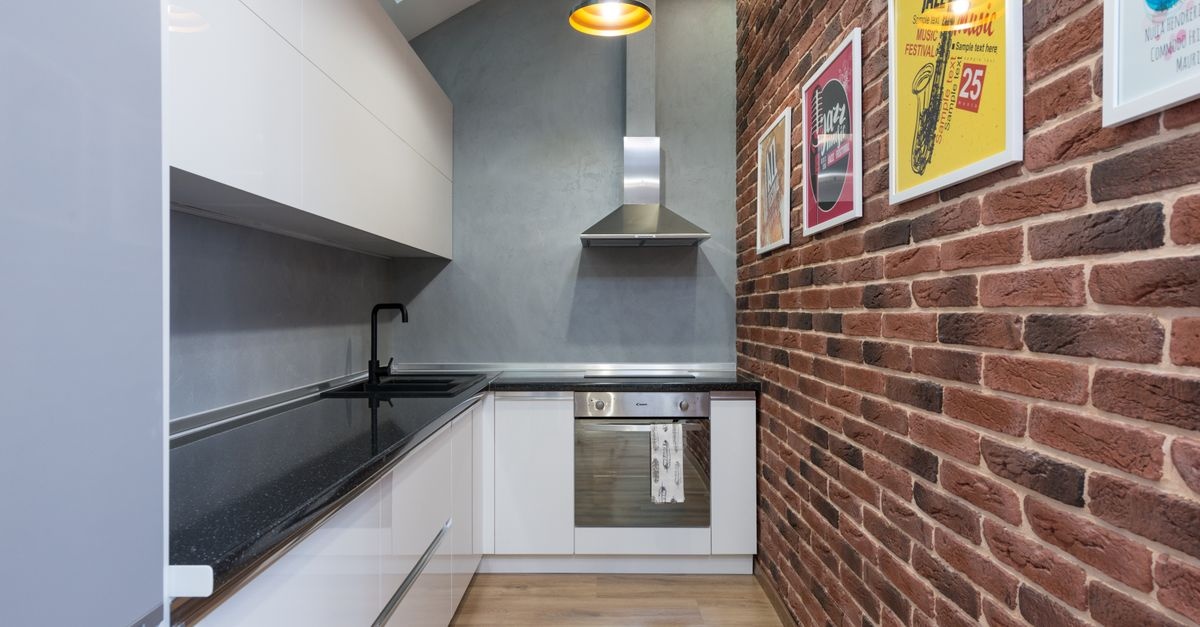
One full wall in brick can anchor an open-plan layout and guide the eye. Keep adjacent walls simple to let the brick breathe.
3) Kitchen Island Cladding
Clad the seating side of an island with thin brick to resist scuffs and add character at knee-level.
- Detail: Finish edges cleanly with corner pieces or mitered returns for a built-in look.
4) Range Niche or Hood Surround
Brick behind a custom hood or within an arched niche highlights the stove as a centerpiece. Use a heat-rated sealer and observe clearance specs.
5) Flooring (Proceed with Care)
Brick floors are beautiful but firm underfoot and more porous than porcelain. If you crave that look, consider brick-look porcelain tile for performance.
Pairing Materials for a Warm-Modern Palette
Brick rarely works alone; it shines when paired with complementary materials that echo or refine its character.
Cabinetry
- Flat-panel in wood: White oak or walnut brings warmth; keep grains quiet for a modern feel.
- Painted cabinets: Cream, greige, or deep green temper brick’s warmth; pure white reads crisp with lighter brick.
Countertops
- Quartz (honed): Low-maintenance, subtle veining supports contemporary lines.
- Butcher block: Doubles down on warmth; seal well near sinks.
- Concrete: Adds an industrial edge that contrasts nicely with red or reclaimed brick.
Metals and Hardware
- Brushed brass or bronze: Warms cool palettes; coordinates with terracotta hues.
- Matte black: Graphic punctuation for light brick or white cabinets.
- Stainless: Timeless with charcoal brick and black cabinetry.
Lighting: Make Brick Glow, Not Gloomy
Texture needs light to reveal itself. Layer illumination so brick looks luminous rather than heavy.
- Ambient: Recessed lights or slim track wash surfaces evenly.
- Task: Under-cabinet LEDs keep the backsplash visible and functional.
- Accent: Wall washers or ceiling coves skim light across brick to highlight relief.
- Decorative: Pendants above an island soften the scene; choose simple forms.
Space Planning with Brick in Mind
Good kitchens start with flow: prep, cook, clean. Place brick where it reinforces this logic and frames views.
- Triangle or zone planning: Use brick to mark the cooking wall and quietly recede other surfaces.
- Sightlines: In an open plan, a brick feature wall can draw the eye and visually organize connected spaces.
- Balance: If brick covers a large wall, keep the opposite side light and simple to avoid visual weightiness.
Color Strategy: Warmth Without Clutter
Color unifies. Let brick be your cue, then build a restrained palette around it.
- Two warms, one cool: Pair brick’s warm undertone with warm wood and a cool counter (e.g., honed gray quartz) for tension.
- Neutrals with nuance: Choose paint with beige, mushroom, or olive undertones to complement red or terracotta brick.
- White wisely: Soft white (not stark) keeps things modern but cozy.
Finishing and Sealing: Everyday Practicality
Sealing is critical for performance. Whether you choose thin brick or brick-look tile, proper finish ensures ease of cleaning and stain resistance.
- Penetrating sealer: Preserves a matte, natural look; ideal for modern spaces.
- Topical sealer: Adds sheen and greater stain protection; test to avoid an overly glossy, dated effect.
- Grout and mortar: Choose sanded grout for authenticity; match color to brick or contrast for pattern emphasis.
Maintenance: Keep Brick Beautiful
Decorative brick is low-fuss with the right care routine.
- Routine cleaning: Vacuum with a brush attachment, then wipe with a damp microfiber and pH-neutral cleaner.
- Grease near ranges: Use a degreaser safe for masonry; reseal splash zones as needed (12–24 months depending on use).
- Efflorescence: If white bloom appears, brush dry first; avoid saturating with water. Use a masonry-safe remover only if needed.
- Touch-ups: Keep extra tiles/bricks and grout for small repairs.
Installation Basics: From Substrate to Seal
Even the best design fails if installation is rushed. Here’s a concise overview for homeowners and pros.
Substrate Prep
- Backsplash: Cement backer board or properly primed drywall for tile; ensure flatness.
- Feature walls: Confirm load capacity; thin brick usually works on most interior walls with proper adhesive.
Layout and Pattern
- Classic running bond: Timeless and forgiving of slight size variances.
- Stack bond: Modern and graphic; demands consistent brick sizing and flatness.
- Herringbone: Dynamic for a range niche or small focal area.
Setting and Grouting
- Adhesive: Use a high-quality thin-set for tile/veneer; follow cure times.
- Spacers: Keep joints even; test a small area to confirm your grout color choice.
- Clean as you go: Mortar haze is difficult to remove on textured surfaces—wipe immediately.
Sealing
- Test first: Apply sealer to a sample board to evaluate color change and sheen.
- Multiple thin coats: Better than one heavy coat; follow manufacturer’s cure time before cooking/cleaning nearby.
Mastering these fundamentals is part of how to design a kitchen with decorative brick that looks refined and lasts for years.
Small Kitchens: Big Impact Without Bulk
In compact spaces, brick can either overwhelm or elevate. Here’s how to design a kitchen with decorative brick in a smaller footprint without sacrificing lightness.
- Limit coverage: Use brick on one wall or a backsplash, leaving others light and smooth.
- Lighter tones: Whitewashed or pale brick maintains brightness.
- Continuous lines: Run brick to the ceiling to elongate verticals; use open shelving sparingly.
- Gloss contrast: Pair matte brick with satin paint and reflective counters to bounce light.
Large or Open-Plan Kitchens: Zoning with Texture
In expansive spaces, brick helps define areas and prevent a sterile feel.
- Anchor zones: Brick behind the cooktop can mark the culinary zone, while a smoother finish defines cleanup.
- Repetition: Echo brick on the island face or a short return wall for cohesion.
- Sightline strategy: Place your most beautiful brick where it’s visible from living areas.
Ventilation, Moisture, and Code Considerations
Practicality seals the deal in kitchen design.
- Range hoods: Use adequate CFM to capture grease and steam; protect brick near high-heat areas with a quality sealer and maintain clearance from open flames.
- Splash protection: In heavy-use cooking zones, consider a tempered glass overlay above the brick line for invisible protection.
- Moisture: Avoid saturating brick with water; ensure proper backsplash termination at counters and windows.
Styling: Modern Restraint with Warm Layers
Brick carries visual weight. Style with intention so the room feels edited yet welcoming.
- Open shelving: Show fewer, better items—ceramics, wood boards, linen—so the brick backdrop shines.
- Textiles: Neutral runners, linen cafe curtains, and cotton towels add softness.
- Greenery: Herbs and trailing plants animate brick without clutter.
- Art and accents: Simple frames or metal rails on brick add function; pre-drill and use masonry anchors.
Budgeting: Where to Spend, Where to Save
Allocating budget wisely will protect both aesthetics and performance.
- Spend on: Quality thin brick or tile, professional installation for complex areas, good sealing products, and adequate lighting.
- Save on: Using brick selectively (backsplash only or a partial wall), brick-look tiles in high-splash zones, DIY painting/limewashing for tonal tweaks.
Sustainability and Health
Thoughtful choices reduce environmental impact and support indoor air quality.
- Reclaimed materials: Lower embodied carbon and add one-of-a-kind character.
- Low-VOC sealers: Maintain healthier indoor air.
- Durability: Long-lasting finishes reduce replacement cycles and waste.
Common Mistakes to Avoid
- Overuse: Covering every surface in brick can feel heavy. Choose one or two focal areas.
- Clashing undertones: Ensure cabinet paint and stone undertones harmonize with brick’s warmth.
- Skipping samples: Always build a sample board with your exact brick, grout, and sealer.
- Insufficient lighting: Without layered light, texture reads dull and dark.
- Ignoring maintenance: Neglecting resealing near the range leads to stains and frustration.
Design Vignettes: Three Winning Combinations
1) Scandinavian Warm Modern
- Brick: Off-white thin brick, flush light-gray grout
- Cabinets: White oak, flat-panel
- Counters: Honed white quartz with faint gray veining
- Metals: Matte black pulls; black-and-brass pendants
Result: Airy, bright, and inviting—brick adds softness to rectilinear forms.
2) Warm Classic with a Modern Edge
- Brick: Tumbled terracotta with mid-tone mortar
- Cabinets: Painted cream with integrated rails
- Counters: Walnut butcher block on the island; honed gray quartz perimeter
- Metals: Brushed brass hardware; plaster hood with brass trim
Result: Cozy and timeless, balanced by clean lines and subtle sheen.
3) Urban Minimalist
- Brick: Charcoal wire-cut, matched dark grout
- Cabinets: Super-matte black
- Counters: Concrete or soapstone
- Metals: Stainless appliances; minimal hardware
Result: Dramatic yet restrained, with brick adding texture to a sleek envelope.
Step-by-Step Plan: How to Design a Kitchen with Decorative Brick
- Clarify the brief: Define how you cook and gather. Identify must-have zones and the role brick will play (focal vs. supporting).
- Collect references: Save images of palettes, brick tones, and joint profiles that align with your vision.
- Select your brick: Choose thin brick, tile, or cladding; decide on color, finish, and grout.
- Map placement: Backsplash, feature wall, island face—decide based on function and sightlines.
- Set the palette: Pick cabinet finishes, counters, metals, and paint that harmonize with brick undertones.
- Light it right: Specify ambient, task, and accent fixtures; plan switching and dimming.
- Build a sample board: Assemble actual materials together; test under your lighting.
- Plan installation: Confirm substrate, pattern, trim pieces, and sealer. Schedule trades in order.
- Style minimally: Layer a few textures—wood, linen, greenery—so brick can breathe.
- Maintain: Establish a simple cleaning and resealing routine tailored to your cooking habits.
Follow these steps and you’ll know exactly how to design a kitchen with decorative brick that’s cohesive, functional, and future-proof.
Frequently Asked Questions
Will brick make my kitchen feel dark?
Not if you manage tone and light. Choose lighter brick or whitewash, add under-cabinet task lighting, and keep adjacent finishes light. Even darker brick can look radiant with wall washers that skim texture.
Is a brick backsplash hard to clean?
With the right sealer and a flush joint, cleanup is straightforward. Use a pH-neutral cleaner for daily care and a masonry-safe degreaser near the range.
Can I install brick veneer myself?
Confident DIYers can tackle small backsplashes or an island face using thin brick or brick-look tile. Complex patterns, large walls, and niches near heat sources are best left to pros.
How do I keep the look modern, not rustic?
Use edited palettes, flat-front cabinets, clean-lined fixtures, and a flush joint profile. Avoid excessive distressing and keep styling minimal.
What if I want flexibility later?
Apply brick to a discrete surface (island or one wall) for easier updates. Consider brick-look tile or panels if you anticipate changes.
From Vision to Reality: Your Warm, Modern Brick Kitchen
Thoughtful material choices, balanced palettes, and careful lighting transform brick from a heavy accent into a refined, modern statement. Now that you understand how to design a kitchen with decorative brick—from selection and placement to sealing and styling—you’re ready to compose a space that feels grounded, contemporary, and distinctly yours. Brick by brick, you can build a kitchen that welcomes every meal, every conversation, and every season with enduring warmth.