Where Heritage Meets Contemporary Design: Crafting Timeless Spaces with Soul
In a world of rapid change, spaces that balance memory with modernity feel especially resonant. They invite us to live in the present while honoring the stories that shaped us. This is the art and craft of uniting heritage with today’s aesthetics, a thoughtful approach that yields interiors both grounded and forward looking. If you have ever wondered how to blend character filled pieces with clean lines, or how to combine tradition with modern design without creating chaos, this comprehensive guide will give you a clear path. Expect enduring principles, actionable checklists, and richly detailed examples that help you build rooms with depth, narrative, and soul.
Why Blend Heritage And Contemporary Aesthetics
At the heart of transitional interiors is a simple promise: warmth without clutter, clarity without sterility. By pairing beloved references to craft, culture, and place with streamlined forms, you gain spaces that are both personal and practical. The result is a design language that evolves gracefully over time.
- Emotional resonance: Vintage, artisanal, or heirloom elements give rooms a sense of belonging and memory.
- Practical durability: Classic materials like solid wood, natural stone, and handwoven textiles age well and can be repaired, not replaced.
- Visual balance: Heritage details add ornament and texture; contemporary silhouettes introduce voids and clean lines that let the eye rest.
- Sustainability: Reuse, restoration, and local craft reduce waste, cut embodied carbon, and support communities.
- Timelessness: A balanced blend is less trend driven, reducing the urge for frequent overhauls.
Core Principles For A Cohesive Blend
To merge legacy with new thinking, adopt guiding principles that keep your concept clear and consistent from entryway to kitchen to bath.
- Hierarchy: Choose a primary style driver. Will the shell read classic with contemporary furniture, or a modern shell with heritage accents
- Proportion and scale: Pair bold with quiet, ornate with simple, heavy with light, ensuring no single element overwhelms the composition.
- Continuity: Repeat materials, metals, or motifs at least three times for rhythm.
- Negative space: Let statement pieces breathe so their craft and patina remain legible.
- Authenticity: Favor genuine materials and honest construction. Patina is a feature, not a flaw.
- Constraint: Edit. A restrained palette and fewer, better objects elevate every detail.
- Context: Respect the building’s architecture and the local culture; design feels more inevitable than imposed.
Materials And Finishes That Bridge Eras
Materials carry the memory of place and hand. Combine tactile, time honored substrates with crisp finishes for a layered effect that feels fresh, not fussy.
Natural Woods And Stones
Solid oak, walnut, ash, pine, and reclaimed timbers are staples for floors, millwork, and furniture. Stones like marble, soapstone, travertine, and limestone provide depth through veining and honed textures.
- Pairing tip: A honed marble backsplash with minimal grout lines complements flat front cabinets and thin hardware for a grounded yet streamlined kitchen.
- Finish balance: Mix one or two matte surfaces with one subtle sheen to avoid a flat, lifeless look.
- Patina strategy: Accept etching and micro scratches on natural stone and wood; they build character over time.
Metals, Patina, And Modern Profiles
Brass, bronze, iron, and nickel can swing classic or current depending on profile and finish. Oil rubbed bronze and unlacquered brass develop a lived in layer; polished nickel feels crisp and reflective.
- Mix metals with intention: Choose a dominant metal, then add a supporting finish sparingly in adjacent zones.
- Contemporary lines: Sleek pulls, thin edge tables, and knife edge shelves keep weight in check when using rich, old world metals.
Textiles And Pattern
Textiles are the quickest way to weave heritage into modern rooms. Linen, wool, cotton, hemp, silk, kilim weaves, suzanis, mud cloth, and block prints carry tradition and tactility.
- Mixing motifs: Pair a vintage rug with a solid linen sofa; layer cushions in two scales of pattern and one texture dominant solid.
- Color moderation: Let a timeworn rug set the palette, then pull two accent hues for artwork or ceramics.
- Sheers and heavies: Combine airy window sheers with weighty drapery panels to echo the old new dialogue.
Surface Finishes
Traditional plaster, limewash, and tadelakt create soft, light catching surfaces that feel artisanal; they contrast beautifully with contemporary fixtures and simple joinery.
- Limewash walls: Gentle variation reduces visual noise when used behind sculptural, modern furniture.
- Casework sheen: A satin lacquer on modern millwork offsets open grain vintage wood elsewhere.
Color Strategy That Honors Past And Present
Color bridges eras when treated as a restrained system. Anchor the palette with neutrals inspired by nature, then layer accents drawn from heirloom pieces or regional craft.
Heritage Neutrals
Think bone, flax, limestone, parchment, soot, clay, and olive. These recede gracefully, allowing bold contemporary art or minimalist forms to speak.
Modern Punctuations
Introduce crisp black, deep indigo, brick red, or forest green in small doses for definition. Use color blocking on a single plane, not across the entire room, to maintain calm.
Pulling From Art And Artefacts
Use one legacy object as a chromatic compass. A ceramic bowl, vintage poster, or textile can determine two to three recurring accent notes across the home.
Furniture And Layout: Balancing Silhouette And Story
Furniture is where the dialogue between eras becomes unmistakable. Make the plan simple, traffic friendly, and generous with breathing room.
Anchor Pieces
Select one or two significant items that carry history: a farmhouse table, a mid century credenza, a carved armoire. Surround them with quiet, contemporary partners to avoid visual competition.
- Contrast strategy: Pair a rustic trestle table with streamlined, upholstered dining chairs in a neutral fabric.
- Sofa selection: A low, modern sofa provides a calm platform for historic textiles and sculptural side tables.
Silhouette Mixing
Alternate soft curves with straight lines. For example, combine a round vintage side table and a rectilinear modern media unit. The alternation creates rhythm and reduces stiffness.
Space Planning Essentials
- Maintain generous walkways and practical zones for conversation, reading, and work.
- Float furniture where possible to highlight architectural details like fireplaces or windows.
- Use rugs to define areas; a heritage rug under a clean lined sofa unifies the composition.
Architectural Details: The Frame Of The Story
Walls, floors, doors, and ceilings are the envelope that either supports or fights your concept. Honor existing character while introducing modern clarity.
Moldings, Millwork, And Doors
- Preserve and simplify: Keep original cornices or wainscoting, but paint them in a low contrast tone that recedes.
- Contemporary insertions: Add flat panel cabinetry, frameless doors, and minimal architraves to reduce fuss.
- Transoms and glass: Re introduce interior glass doors to borrow natural light while maintaining privacy.
Floors And Thresholds
Hold the floor tone consistent across open areas for calm continuity. Use thresholds and inlays sparingly to nod to tradition without chopping up the plan.
Adaptive Reuse And Restoration
Instead of replacing, restore: refinish original floors, repair plaster, rewire antique fixtures to modern code. This approach not only conserves resources but also deepens the home’s narrative.
Lighting: Layered And Legible
Think of lighting as choreography. Good lighting clarifies textures, celebrates patina, and outlines modern form.
The Three Layers
- Ambient: Ceiling lights that bathe the room evenly.
- Task: Lamps over work surfaces, reading chairs, and vanities.
- Accent: Picture lights, wall washers, and spotlights that highlight art or architectural relief.
Fixture Mixing
- Rewire a vintage chandelier over a simple table to keep the vignette grounded.
- Use modern sconces with heritage mirror frames for tension and clarity.
- Choose warm temperature lamps to flatter wood, stone, and textiles.
Art, Artefacts, And Styling With Intention
Curate objects that tell true stories. Avoid over styling; let air and negative space elevate each piece.
Curation Tips
- Collect fewer, meaningful works rather than many placeholders.
- Combine contemporary photography with ancestral portraits or found vintage drawings.
- Use pedestals or wall niches to give singular objects dignity.
Display Methods
- A symmetrical mantle for classic calm; an asymmetrical gallery wall for modern energy.
- Lean art for casual layering on consoles or picture rails.
- Group ceramics by glaze tone, not origin, to avoid a museum like feel.
Global Perspectives: Learning From Diverse Traditions
The question of how to combine tradition with modern design gains depth when we explore global lineages. Consider how different cultures harmonize restraint, craft, and comfort.
- Japanese wabi sabi: Embrace imperfection through handmade pottery, charred wood, and simple joinery; pair with clean planes.
- Scandinavian warmth: Light woods, wool textiles, and functional minimalism; introduce one antique pine chest for soul.
- Mediterranean ease: Limewashed walls, terracotta, and iron; add a sleek sofa to counter textured plaster.
- Moroccan craft: Zellige tile, carved wood, and brass; use simple built in seating to modernize.
- Indian textiles: Block prints, ikat, and carved stone; maintain a neutral envelope to let pattern sing.
- African weaves: Baskets, mud cloth, and carved stools; balance with contemporary lighting and low lines.
- Latin American color: Earth pigments, woven wool, and modernist concrete; keep the palette sun warmed and cohesive.
- Mid century clarity: Lean forms, honest materials; add a weathered farm table or kilim for warmth.
Room By Room Guidance
Kitchen
Function drives the kitchen, making it an ideal canvas for blending eras. Choose flat front cabinets in painted wood or walnut, pair them with a stone top that can live with patina, and add artisanal tile for heritage texture.
- Unlacquered brass or brushed nickel hardware; mix with a simple, modern faucet.
- Reclaimed island top to soften sleek cabinetry.
- Open shelves in wood or metal to display pottery and everyday ceramics.
Living Room
Layer a neutral base with a storied rug, sculptural lighting, and one antique casegood. Keep sofa lines low and elegant; let throws and pillows carry color and craft.
Bedroom
Opt for a clean bed frame with a headboard in natural linen. Introduce a vintage bench or side table. Use woven shades and flowing curtains for a calm, cocooned feel.
Bathroom
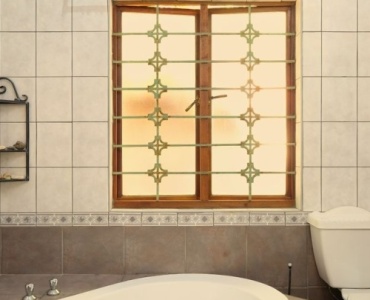
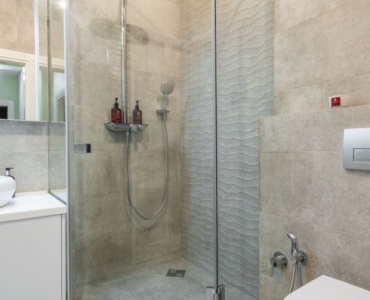
Historic references shine in small doses: a pedestal sink silhouette, cross handle taps, a reeded vanity front. Pair with large format tile or smooth plaster for modern simplicity.
Entryway
The threshold sets the tone. Combine a traditional runner, a simple console, a statement mirror, and a minimal pendant. Provide concealed storage to avoid clutter.
Outdoor Spaces
Blend local stone or brick with simple steel or timber furniture. Add hand thrown planters, striped cushions, and lanterns for heritage atmosphere with modern comfort.
Designing In Small Spaces And Rentals
Even compact homes can unite legacy and modern life gracefully. Focus on portable elements and light, layered palettes.
- Portable heritage: Rugs, textiles, lamps, and art are easy to move and instantly enrich a space.
- Temporary upgrades: Peel and stick paper in classic motifs, plug in sconces, and freestanding shelves.
- Dual purpose pieces: A vintage trunk as coffee table and storage; stackable stools; nesting tables.
Commercial And Hospitality Applications
Restaurants, boutique hotels, and studios thrive on narrative. Salvaged counters, local artwork, and traditional craft amplify identity, while contemporary lighting and flexible furniture meet code and performance demands.
- Use durable finishes with visible grain or texture that age well under heavy use.
- Incorporate custom signage in timeless materials like enamel, glass, or carved wood.
- Sequence the guest journey with lighting and tactile moments that reveal the brand story.
Sustainability And Ethics As Design Drivers
Truly timeless spaces are also responsible. Heritage and contemporary design intersect powerfully in circular, community minded choices.
- Architectural salvage: Reuse doors, mantels, tiles, and hardware, adapting pieces to current needs.
- Local craft: Commission regional makers; celebrate the provenance of materials and techniques.
- Low VOC finishes: Natural oils, waxes, and mineral paints keep indoor air healthier.
- Lifecycle thinking: Choose designs and materials you can repair, refinish, and reuse.
Technology Integration Without Visual Noise
Modern life demands connectivity. Integrate technology discreetly to preserve calm and character.
- Conceal cables and routers; use built in channels and smart power hubs.
- Choose frames or housings that echo surrounding materials for speakers and screens.
- Use dimmable, warm lighting controls to nudge ambience from day to night.
A Step By Step Method To Blend Old And New
Here is a clear process you can apply to any room or whole home. It shows how to combine tradition with modern design in a way that is deliberate and replicable.
- Discovery: List what you love from your culture, family, travels, and local context. Identify one or two anchor references.
- Audit: Walk the space and note architectural strengths to preserve, pain points to fix, and natural light patterns.
- Mood board: Build two boards: heritage textures and motifs; modern lines and forms. Merge them into one restrained palette.
- Palette and materials: Choose a neutral base, one hero material, and one supporting metal. Add two accent colors.
- Layout: Sketch circulation, seating, and functional zones. Reserve negative space.
- Source and sample: Collect physical samples for wood, stone, paint, fabric, and metal. Test them in natural and night light.
- Prototype: Tape out furniture footprints; mock up gallery walls with paper cutouts before drilling.
- Install in sequence: Floors and walls first, then large furniture, then lighting, then art and textiles.
- Style and edit: Remove two items for every ten you place. Let standout pieces lead.
- Live and adjust: Observe how the space works; refine lighting levels and soft goods seasonally.
Budgeting And Sourcing Smart
Strategic spending ensures longevity and impact. Save where items are easy to swap; invest where durability and everyday use matter most.
- Invest in: Sofa, dining table, mattress, key lighting, and floor coverings.
- Save on: Occasional tables, decorative pillows, small accessories, and trend leaning accents.
- Sources: Local antique markets, estate sales, architectural salvage yards, artisan fairs, independent galleries, and reputable online vendors.
- Custom work: Commission a local craftsperson for a single statement piece; it anchors the room and supports community skill.
Common Mistakes And How To Avoid Them
- Overcrowding: Too many vintage pieces make rooms feel like a set. Edit and let things breathe.
- Surface only trends: Faux patina or mass produced replicas lack depth. Choose the real, even in small doses.
- Ignoring context: Ultra modern inserts in an ornate shell can feel jarring without bridges like shared tone or repeated materials.
- Monotony: All modern or all traditional reads flat. Alternate silhouettes, textures, and finishes.
- Harsh lighting: Blue or overly bright lamps wash out patina and texture. Use warm, dimmable light.
Mini Case Studies
Historic Row House, Streamlined Life
Challenge: Preserve original fireplaces and crown moldings while creating a family friendly plan. Solution: Limewash walls, restored pine floors, and a mix of custom flat panel cabinetry with antique brass knobs. A modern sectional anchors the living room; a vintage Persian rug ties heritage to present. Rewired vintage sconces flank a contemporary mirror, balancing eras elegantly.
Warehouse Loft With Ancestral Touches
Challenge: Avoid sterility in an open plan loft. Solution: Keep concrete floors and exposed steel; add reclaimed oak shelving, hand thrown ceramics, and a bold, old world kilim. Wall to wall drapery softens acoustics. Minimalist pendants combine with a salvaged factory lamp over the island, creating a humble yet sophisticated glow.
Coastal Cottage, Quiet Modernity
Challenge: Refresh without erasing local charm. Solution: Whitewashed beadboard, a contemporary slipcovered sofa, and seagrass textures. A carved vintage console becomes a vanity with a stone top. Marine inspired sconces and unobtrusive cabinet pulls keep the update light and respectful.
A Practical Checklist
- Define the design hierarchy: shell classic or shell modern
- Select three repeatable elements: one wood, one metal, one textile story
- Choose a neutral ground and two accent notes
- Plan lighting in three layers; confirm lamp temperatures
- Map traffic and negative space before buying furniture
- Source at least one artisan made piece per room
- Restore or reuse where possible; document provenance
- Install in sequence; edit twice
Frequently Asked Questions
How do I start if I own nothing vintage yet
Begin with textiles and art. A vintage rug or handcrafted throw instantly warms a modern sofa. Add a single antique side table or mirror. Build slowly, prioritizing quality and story.
Can I mix more than one heritage influence
Yes, but keep the palette tight and repeat materials. For example, combine a Scandinavian chair with a Moroccan rug if they share tonal harmony and are anchored by neutral walls and contemporary lighting.
What if my architecture is very modern
Introduce traditional surfaces like limewash, reclaimed wood accents, or a carved stone mantle. Use curated antiques, warm metals, and layered textiles to counter sharp lines.
What if my architecture is very traditional
Simplify. Paint trim and walls in close tones, streamline window treatments, and bring in modern furniture with low profiles and clean edges to reduce visual busyness.
How can I measure success
The room should feel calm yet personal, with a clear flow, tactile richness, and at least one focal vignette where old and new converse naturally.
Conclusion: Designing For The Long Now
Spaces that merge the wisdom of the past with the clarity of the present have uncommon staying power. They are generous, enduring, and alive with the marks of time. By following the principles and process here, you will know exactly how to combine tradition with modern design in a way that feels effortless and true to you. Start with a meaningful object, choose a restrained palette, layer in craft, edit with care, and let the light tell the story. The result is a home that is not just decorated but deeply designed: a place where heritage meets contemporary design, and where you can live beautifully for years to come.
Bonus: Quick Reference Guide
- Primary goal: Craft a calm, character rich interior anchored in authentic materials.
- Key moves: Restore before replacing; layer texture; keep lines clean; curate art; light in layers.
- On repeat: Wood, stone, warm metal, handmade textiles, neutral ground, patina proud mindset.
Final note: The most timeless rooms evolve. Give yourself permission to collect, to refine, and to let your space become a living archive of what you value most, told through the eloquent language of material, light, and form.