Rising electricity costs, extreme weather, and a growing ecosystem of smart devices have turned energy management from a nice-to-have into a household essential. If you’ve ever wondered how to control home energy usage in a way that’s practical, affordable, and actually sticks, this guide gives you a clear path: measure what matters, cut easy waste first, let automation handle the routine, and keep optimizing with data-driven tweaks. The result is a lower bill, a more comfortable home, and a smaller carbon footprint—without living by candlelight or micromanaging every switch.
Below you’ll find a complete framework supported by simple swaps, proven habits, and smart tech that scales from studio apartments to full-size family homes. Whether you want weekend wins or a year-long upgrade plan, you’ll have the tools to make confident, cost-effective choices.
Why Taking Control of Your Home’s Energy Use Matters
Energy touches nearly every moment of home life—from hot showers to cool bedrooms and warm meals. Getting intentional about consumption pays you back in multiple ways:
- Lower monthly bills: Small changes (LEDs, smart thermostats, sealing air leaks) often slash 10–30% off electricity usage before big-ticket upgrades are even considered.
- Comfort you can feel: Better insulation and thoughtful HVAC setpoints even out hot/cold spots, reduce humidity swings, and tame that drafty hallway or overheated attic room.
- Resilience and predictability: Reducing the home’s “baseload” makes outages easier to handle and stabilizes costs in regions with volatile rates or time-of-use pricing.
- Environmental impact: Efficiency is the fastest, cheapest climate solution. Every kilowatt-hour avoided reduces demand on the grid and lowers emissions.
- Home value and safety: Energy-efficient upgrades (e.g., heat pumps, efficient windows, electrification) can boost resale value and modernize aging electrical systems.
How to Control Home Energy Usage: The Framework
Forget guesswork. Use this repeatable loop to turn insights into lasting savings:
- Measure: Establish a baseline and find the biggest energy hogs.
- Prioritize: Tackle the highest impact, lowest cost actions first.
- Upgrade: Make durable efficiency improvements with clear ROI.
- Automate: Use smart controls to maintain savings automatically.
- Sustain: Track results, adjust seasonally, and iterate.
Think of it as a home energy flywheel. Once it’s spinning, your bills trend down with little day-to-day effort.
Step 1: Measure What Matters
Start with a Mini Energy Audit
Before you buy gadgets, build a quick picture of how your home uses power. Spend an hour walking room-to-room with a notepad (or notes app) and document:
- Big loads: HVAC, water heater, oven/range, clothes dryer, space heaters, dehumidifiers, well pump.
- Always-on devices: Routers, cable boxes, DVRs, smart speakers, aquariums, network-attached storage.
- Lighting: Where incandescents or halogens still linger; reliance on recessed can lights; opportunities for task lighting.
- Behavior patterns: When laundry runs, cooking peaks, or work-from-home days cluster.
- Comfort complaints: Drafty doors, hot second floors, cold basements—these point to thermal leaks and HVAC inefficiencies.
Take photos of labels on major appliances to capture model numbers and estimated power draw. Note the age of devices; older units often lack modern efficiency features.
Smart Monitors and Meters: From Guesswork to Clarity
Choose the level of measurement that fits your budget and curiosity:
- Utility portal: Many utilities show daily or hourly kWh. This reveals patterns (e.g., weekend spikes) and seasonal trends—free and instant value.
- Plug-in meters (Kill A Watt-style): Measure specific devices like fridges, TVs, dehumidifiers, or gaming consoles. Great for spotting “silent” guzzlers.
- Smart plugs with energy monitoring: Track usage by outlet, set schedules, and build automations to cut idle waste.
- Whole-home monitors: Devices (e.g., clamp-on sensors at the panel) estimate usage by circuit or appliance using machine learning. Excellent for prioritizing big wins.
- Submetering: If you have an EV charger, pool pump, or detached workspace, a dedicated circuit meter clarifies true operating costs.
Privacy and safety note: Choose reputable brands with clear data policies. If you install panel-level sensors, follow manufacturer instructions or hire a licensed electrician.
Build Your Baseline and Find the Baseload
Three numbers matter most:
- kWh/day: Average over the last 30 days. This is your headline metric.
- Baseload: Overnight consumption when family activity is minimal—often 200–600W in typical homes. High baseloads signal standby waste.
- Peaks: Short bursts during HVAC cycles, oven use, or dryer runs. If you’re on time-of-use (TOU) rates, shifting these off-peak pays.
Write down your baseline. You’ll use it to set realistic targets and celebrate real progress.
Step 2: Cut Waste with Simple Swaps
Before buying new gear, eliminate the obvious leaks. Many of these actions are no-cost or low-cost and deliver big, fast wins.
Lighting: Fast ROI, Better Ambience
- Go LED everywhere: Replace incandescents and halogens. LEDs use ~75–85% less energy and last 10–20x longer.
- Choose lumens, not watts: Match brightness with 800–1100 lumens for most rooms. Use warm (2700–3000K) or daylight (5000K) to suit tasks.
- Smart controls: Occupancy sensors in closets/hallways; dimmers for living spaces; schedules aligned with sunset/sunrise.
- Task lighting > ceiling floods: A focused desk or under-cabinet light is more efficient than blasting an entire room.
Stop Phantom Loads (Standby Power)
Many electronics sip power 24/7 for quick start-up or network readiness. Target these:
- Entertainment centers: Game consoles, receivers, streaming boxes—group on a smart power strip to auto-cut power when the TV turns off.
- Office gear: Printers, external drives, chargers—put on a smart plug with a work-hours schedule.
- Kitchen helpers: Coffee machines and microwaves draw clock power; unplug or schedule if practical.
Reducing standby waste can trim 5–10% off total electricity in some homes.
Water Heating: Lower Temperature, Lower Bills
- Set tank temp to ~120°F (49°C): High enough for hygiene, low enough to curb heat loss and scald risk.
- Insulate: Wrap accessible hot water lines (first 3–6 feet) and consider a heater blanket on older tanks.
- Low-flow fixtures: Efficient showerheads (1.5–2.0 GPM) and aerators cut both water and energy.
- Smart recirculation pumps: Use occupancy or schedule-based control to avoid 24/7 heat losses.
Kitchen and Laundry Habits with Outsized Impact
- Cook strategically: Use lids, pressure cookers, air fryers, or toaster ovens instead of the full-size oven when possible.
- Dishwashers: Run full loads; enable eco cycles; use air-dry. Many modern units clean well without pre-rinsing.
- Wash cold: Cold water laundry saves energy and preserves fabrics. Clean the dryer lint filter every load.
- Air-dry: Drying racks or a short tumble + hang approach saves major kWh.
Seal, Shade, and Insulate
- Weatherstrip doors and windows: A weekend project that reduces drafts and HVAC runtime.
- Attic insulation upgrade: In many climates, boosting to R-38 or higher yields strong ROI.
- Thermal curtains and exterior shading: Block summer sun; retain winter heat.
- Air sealing: Caulk gaps around penetrations (plumbing, wiring) to stop hidden leaks.
Thermostat Setpoints and Zoning
- Cooling: Start around 76–78°F (24–26°C); nudge up when away. Use ceiling fans to feel 3–4°F cooler at the same setpoint.
- Heating: Try 68–70°F (20–21°C) when home; lower 7–10°F at night or away for 8+ hours to save ~10% annually.
- Room-by-room balance: Use dampers or smart vents to avoid over-conditioning unused spaces.
Step 3: Make Smart Tech Work for You
Automation locks in savings you’d otherwise forget. Start simple, scale as needed.
Smart Thermostats: Quietly Powerful
- Learning and scheduling: Adapt to routines; auto-setback when you leave via geofencing.
- Sensors: Room sensors fix hot/cold spots by targeting comfort where you are, not just at the hallway thermostat.
- Demand response and TOU: Many models can pre-cool or pre-heat before peak rates kick in.
- Rebates: Utilities often subsidize purchase and offer bill credits for enrolling in peak programs.
Smart Plugs and Power Strips
- Schedules: Turn off office gear nightly; disable TV accessories overnight; cut aquarium lights when you’re not home (where safe for livestock).
- Energy monitoring: Identify true device costs and catch unusual spikes (e.g., a failing fridge that runs nonstop).
- Scenes: “Away” mode powers down non-essentials with a single voice command or geo-trigger.
Energy-Aware Appliances
- Look for ENERGY STAR ratings and inverter/variable-speed tech in fridges, heat pump dryers, mini-splits, and pool pumps.
- Load-shifting features: Some washers/dryers and EV chargers can auto-run during off-peak windows.
- Right-sizing: An oversized HVAC cycles inefficiently; a right-sized or multi-stage unit runs more efficiently and improves comfort.
Home Automation Routines that Save
- Sunrise/sunset logic: Exterior and hallway lights follow the sun, not a fixed clock.
- Occupancy-based control: Motion sensors cut lights and fans in unoccupied rooms.
- Rate-aware scenes: If your utility offers TOU pricing, a “Peak Protect” scene pre-conditions the home and defers discretionary loads (dishwasher, EV charging).
- Leak and humidity sensors: Trigger bath fans or dehumidifiers only when needed to avoid constant running.
Whole-Home Energy Management Systems (HEMS)
For tech-forward households, a HEMS provides dashboards, alerts, and automation across circuits and devices. Benefits include:
- Granular visibility: See which circuits drive peaks and baseload.
- Automated load control: Stagger major appliances to avoid demand spikes.
- Integration with solar, batteries, and EVs: Prioritize self-consumption and resilience during outages.
Step 4: Shift, Shape, and Store
Once waste is trimmed, shape when you use energy—and where it comes from—to multiply savings.
Master Time-of-Use (TOU) Rates
- Identify peak windows: Often late afternoon/early evening on weekdays.
- Pre-condition: Cool or warm the home before peak hours; use the home’s thermal mass to coast through expensive periods.
- Defer flexible loads: Run dishwashers, laundry, and EV charging off-peak via schedules or utility “rush hour” programs.
Demand Response Pays You Back
Utilities may pay credits for allowing minor thermostat adjustments or temporarily pausing a water heater. Enroll, set comfort bounds, and let automation earn bill reductions with little effort.
Store Smart: Batteries and EVs
- Home batteries: Shift solar energy to evening peaks; provide backup power. Pair with a smart inverter for optimal dispatch.
- EV charging: Schedule charging for super-off-peak hours; consider managed charging programs for additional incentives.
- Vehicle-to-home (V2H): Emerging tech can power essential loads during outages and arbitrage TOU rates.
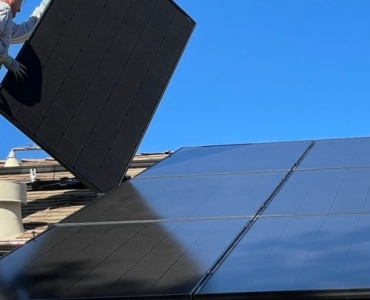
Solar + Smart Inverters
- Self-consumption mode: Prioritize on-site use of solar to reduce imports when rates are highest.
- Net metering awareness: Understand credit rates and any export caps to fine-tune operation.
- Load orchestration: Align pool pumps, water heating, or flexible appliances with peak solar production.
Room-by-Room Playbook
Living Room and Family Spaces
- Entertainment hub: Group devices on a master-controlled smart strip. Create an “All Off” scene.
- Lighting layers: Combine dimmable LEDs with task lamps; use motion for hallways.
- Ceiling fans: Summer: run counterclockwise to create a breeze; winter: clockwise on low to gently push warm air down.
Kitchen
- Efficient appliances: Modern induction cooktops heat faster and waste less energy than resistance electric ranges.
- Fridge hygiene: Clean condenser coils; keep door gaskets intact; avoid overpacking to maintain airflow.
- Ventilation: Use range hoods strategically; too much exhaust can pull in unconditioned air and tax HVAC.
Bedrooms
- Setback while you sleep: Program cooling/heating reductions; pair with breathable bedding and fans.
- Blackout curtains: Improve comfort and reduce HVAC cycling.
- Charge smarter: Overnight schedules for chargers via smart plugs.
Bathrooms
- Occupancy-timed exhaust: Run fans just long enough to manage humidity; add humidity sensors where possible.
- Low-flow fixtures: Immediate hot water savings; consider thermostatic valves for comfort and safety.
Home Office
- Auto-off policy: Monitors, speakers, and printers on a single smart plug schedule.
- Right-size monitors: Larger or multiple displays use more power; balance needs with efficiency settings.
- Network gear: Optimize router placement for coverage; avoid unnecessary extenders running 24/7.
Garage, Basement, and Outdoors
- Dehumidifiers: Use models with humidistats; drain to a floor sink; schedule for off-peak.
- Freezers: Chest freezers are typically more efficient; defrost periodically for best performance.
- Exterior lighting: Motion-activated LEDs with dawn/dusk sensors prevent all-night burn.
Seasonal Strategies That Compound Savings
Summer
- Pre-cool before peak: Drop setpoint a few degrees ahead of TOU peaks, then let temperature float.
- Shade the west: Awnings, exterior blinds, and strategic planting cut afternoon heat gain dramatically.
- Service HVAC: Clean filters every 1–3 months; clear debris around condensers; consider a tune-up.
Winter
- Seal first, then heat: Air sealing and insulation upgrades provide persistent savings and comfort.
- Smart setbacks: Lower temperatures when sleeping or away; avoid extreme swings that cause condensation issues.
- Window strategies: Open blinds for passive solar gain by day; close them at night to retain heat.
Shoulder Seasons
- Ventilate naturally: Leverage cool mornings and evenings before resorting to AC.
- Dehumidify strategically: In humid climates, a dedicated dehumidifier may cost less than overcooling with AC.
From Data to Decisions: KPIs and Dashboards
Track a few simple indicators to stay focused and motivated:
- kWh/day: Aim for a 10–20% reduction over your baseline.
- Baseload (W): Target sub-300–400W in typical homes by taming standby loads.
- Peak demand (kW): Lower spikes to save on demand charges or mitigate TOU peaks.
- Comfort metrics: Room temperatures, humidity (ideal 40–60%), and noise levels.
- Cost per day: Convert kWh to dollars to show tangible progress.
Build a simple monthly ritual: review usage, note anomalies (e.g., a fridge motor failing), and pick one new action to try. That cadence sustains savings and curiosity.
Budget Tiers: Save Now, Save Later
No-Cost Habits
- Calibrate thermostat schedules and use fans for perceived cooling.
- Run laundry and dishwashers off-peak; wash cold; air-dry when possible.
- Turn off power strips for entertainment and office zones when not in use.
Low-Cost Upgrades ($–$$)
- LED bulbs, weatherstripping, door sweeps, caulk.
- Smart plugs with energy monitoring for office and media gear.
- Low-flow showerheads, faucet aerators, and pipe insulation.
Mid-Budget Improvements ($$–$$$)
- Smart thermostat with room sensors; occupancy sensors for key areas.
- Attic insulation top-up; air sealing by a pro with a blower door test.
- Heat pump water heater (HPWH) in appropriate spaces; variable-speed pool pump.
Investment-Level Projects ($$$–$$$$)
- High-efficiency heat pump HVAC or hybrid systems; mini-splits for zoned comfort.
- High-performance windows or exterior shading systems.
- Solar PV with smart inverter; home battery; EV charger integration.
Prioritize projects with the best payback in your climate and rate structure. Rebates and tax credits can tilt the math in your favor—always check local incentives.
Common Myths and Mistakes
- Myth: Leaving the AC at one temperature is cheaper than setbacks. Reality: Thoughtful setbacks save energy; just avoid extreme swings.
- Myth: Space heaters are always cheaper. Reality: They can be efficient for a single room, but using many at once often costs more than central heat.
- Mistake: Closing too many vents. Can harm duct pressure and reduce system efficiency. Use proper zoning or smart vents if needed.
- Mistake: Ignoring maintenance. Dirty filters, clogged coils, and leaky ducts quietly inflate bills.
- Myth: Phone chargers are the problem. Standby chargers draw little compared with TVs, set-top boxes, and gaming consoles—target the big fish first.
Safety, Privacy, and Reliability
- Electrical safety: Don’t overload outlets or daisy-chain power strips. For panel work, hire a licensed electrician.
- Surge protection: Protect sensitive electronics and smart devices with whole-home or point-of-use surge protectors.
- Data privacy: Choose vendors with transparent policies, local processing options, and strong account security (MFA).
- Plan B controls: Keep manual overrides and scenes that work offline in case of internet outages.
Putting It All Together: A 30-Day Plan
Week 1: Baseline and Easy Wins
- Pull 12 months of utility data; note seasonal highs and lows.
- Walk-through audit; list big loads and always-on devices.
- Swap top-10 bulbs to LEDs; set dishwasher and laundry to eco/cold cycles.
Week 2: Smart Controls and Schedules
- Install a smart thermostat; set home/away/sleep schedules and geofencing.
- Add smart plugs to office and entertainment zones; create off-hours schedules.
- Weatherstrip exterior doors; caulk obvious gaps.
Week 3: Shape Demand
- Identify TOU peaks; create a "Peak Protect" routine to pre-condition and defer loads.
- Set water heater to ~120°F; insulate first few feet of hot water lines.
- Clean HVAC filters; vacuum fridge coils; service any noisy or overheating appliances.
Week 4: Review and Optimize
- Measure kWh/day and baseload; compare to Week 1.
- Pick one mid-budget upgrade (attic insulation, smart room sensors, heat pump dryer) based on your findings.
- Enroll in a utility demand response program if available.
Frequently Asked Questions
What’s the simplest way to start lowering my bill this month?
Swap your most-used bulbs for LEDs, dial in thermostat schedules, and put media/office gear on smart plugs with nightly shutoff. Those three steps often deliver immediate, noticeable savings.
How to control home energy usage without buying lots of gadgets?
Begin with no-cost habits: seal obvious drafts, wash laundry cold, air-dry when possible, and adjust thermostat setpoints modestly. Use your utility’s energy dashboard to guide efforts and focus on the biggest loads first.
Which smart device saves the most?
A smart thermostat typically provides the best blend of savings and comfort, especially with room sensors and TOU-aware scheduling. Smart plugs help curb standby waste in media and office zones.
Do I need a whole-home energy monitor?
No, but it accelerates learning and prioritization. If budget is tight, combine your utility portal with a couple of plug-in meters for targeted insights.
Is solar always worth it?
It depends on your utility rates, incentives, roof orientation, and future plans (like EV charging). Always reduce consumption first; then size solar to your optimized load for a stronger return.
What’s the best long-term strategy for families?
Standardize routines (off-peak chores, right-sized setpoints), automate them, and schedule seasonal tune-ups. Add high-ROI upgrades over time—insulation, efficient HVAC, and eventually solar + battery if it fits your goals.
Conclusion: Turn Insight into Ongoing Savings
Learning how to control home energy usage isn’t about memorizing tips—it’s about installing a system that makes good choices automatic. Measure your baseline, fix the easy leaks, apply smart controls, and keep refining with real data. That flywheel ensures your home stays comfortable, your bills trend lower, and your footprint shrinks—all with fewer daily decisions and more peace of mind.
Start this weekend with a one-hour audit and two or three simple changes. In a month, you’ll see the difference on your bill; in a year, you’ll wonder why you didn’t do it sooner.