Weave In Warmth: A Practical Guide to Choosing Textiles for a Cozy, Stylish Home
Warmth you can see and feel rarely comes from walls or furniture alone. It is the gentle weight of a wool throw, the hush of thick curtains, the spring underfoot from a dense rug, and the quiet visual rhythm of layered textures that turn rooms into refuges. If you have ever wondered how to choose textiles for a cozy interior while keeping your space elegant and practical, you are in the right place. This guide blends design theory with hands-on checklists to help you select fabrics that soothe the senses, stand up to daily life, and complement your unique style.
Why Textiles Define Coziness
Textiles are the tactile soul of interiors. Fabrics absorb sound, soften edges, regulate temperature, and introduce pattern and color at a human scale. Beyond visual design, they influence how your body experiences a room: bare feet on a rug, fingers trailing a velvet bolster, a curtain that glows warmly in late light. When chosen thoughtfully, textiles create visual depth and sensory comfort without crowding a space.
- Thermal comfort: Heavier weaves, wool blends, and layered window treatments trap warmth in cooler months; breathable linens and cottons keep air moving in summer.
- Acoustic softening: Upholstery, rugs, and drapery reduce echo, sharpening conversation and lowering stress.
- Visual warmth: Low-sheen fibers, nubby weaves, and earthy palettes read calm and intimate, even in bright daylight.
- Tactile richness: Combining smooth, plush, and slubby textures stimulates touch while preventing monotony.
How to Choose Textiles for a Cozy Interior: Core Principles
Before diving into products, ground yourself in these fundamentals. They will help you navigate options with confidence, ensuring your rooms feel welcoming and polished.
- Layer for depth: Use at least three fabric types per room: a foundational base (rug or upholstery), a medium layer (curtains or bedding), and accents (throws, pillows, runners). Layering is the most reliable answer to how to choose textiles for a cozy interior across styles from Scandinavian to farmhouse to modern.
- Balance texture: If a sofa is tight-weave linen, offset it with a plush throw and a textured bouclé pillow. If the rug is high-pile and visually busy, keep curtains simple.
- Mind scale and proportion: Large-scale patterns suit expansive surfaces like drapes or duvet covers, while small motifs belong on pillows or chair seats. Oversized textures belong on anchor pieces; fine textures play supporting roles.
- Curate a cohesive palette: Choose a dominant base color, a supporting neutral, and one to two accent tones. Repeat the palette through textiles to unify rooms without matching everything.
- Prioritize performance: In high-traffic zones or homes with kids and pets, seek durable weaves, higher abrasion ratings, stain resistance, and washable covers.
- Honor seasonality: Swap lightweight sheers and cotton throws in summer for wool, velvet, and thermal linings in winter. Rotations keep spaces fresh and cozy year-round.
- Choose sustainable when possible: Prefer natural fibers, recycled content, and certified materials (OEKO-TEX, GOTS) to reduce toxins and environmental impact.
Fabric Foundations: Materials and Weaves that Feel Like Home
Understanding how fibers and structures behave will dramatically improve your choices. The more you know about composition and weave, the easier it becomes to decide how to choose textiles for a cozy interior that will last.
Natural Fibers
- Wool: Naturally warm, resilient, and soil resistant. Ideal for rugs, blankets, and winter drapery. Look for felted or bouclé wool for plushness; merino and cashmere blends add softness.
- Cotton: Breathable, versatile, and easy-care. Great for sheets, casual slipcovers, and lightweight curtains. Sateen weaves feel silkier; percale is crisp and cool.
- Linen: Airy, strong, and beautifully textured with visible slubs. Perfect for summer bedding, table linens, and relaxed drapery. Expect natural wrinkling that adds character.
- Silk: Luxurious sheen and excellent drape. Use for accents, pillow covers, or lined drapery in low-traffic areas. Protect from direct sun to prevent fading.
- Jute and Sisal: Rug staples that add organic texture and grounding warmth. Pair with cushy pillows and throws to offset their firmness underfoot.
- Hemp: Durable, antimicrobial, and softens with use. A smart eco-forward choice for upholstery and heavy-duty linens.
Synthetics and Blends
- Polyester and Acrylic: Colorfast, wrinkle-resistant, and budget-friendly. Useful for performance upholstery, outdoor fabrics, and easy-care curtains.
- Nylon: Adds strength and abrasion resistance; often blended into rugs and upholstery for durability.
- Rayon/Viscose: Drapes beautifully with a silk-like hand but can crush and water-stain; best for pillows or drapery lined and dry-cleaned.
- Microfiber: Soft, tightly woven, and stain-resistant, making it a practical choice for family sofas.
- Recycled fibers: PET made from recycled bottles can mimic wool in rugs and felts; look for post-consumer content and verified certifications.
Weaves and Constructions
- Plain weave: Simple and durable; think cotton canvas and basic linen.
- Twill: Diagonal rib that resists wrinkles and drapes well; common in upholstery and denim-like textiles.
- Satin/Sateen: Smooth, lustrous face that reflects light; excellent for bedding and elegant curtains.
- Jacquard: Intricate patterns woven into fabric; adds depth to drapes and pillows without relying on print.
- Bouclé and Chenille: Loop or tufted yarns produce a plush hand and visual warmth; superb for cozy upholstery and throws.
- Knit and Pile: Stretchy knits hug forms; pile fabrics like velvet and corduroy provide luxurious softness.
Color, Pattern, and Texture: A Designer’s Toolkit
Color sets mood; pattern creates movement; texture delivers warmth. Use these levers in tandem to refine how to choose textiles for a cozy interior without visual clutter.
Color Strategy
- Anchor with neutrals: Cream, caramel, mushroom, taupe, and greige produce a soft, forgiving base that layers well.
- Warm undertones: Choose warms (red, yellow, brown undertones) for intimacy; muted greens and terracottas feel grounded and timeless.
- Controlled contrast: If walls and sofa are light, add a mid-tone or deep rug; repeat that depth in pillows or throws to connect the room.
- Lighting check: View swatches in morning, midday, and evening; fabric absorbs and reflects light differently than paint.
Pattern Play
- Vary the scale: Pair one large-scale motif (curtains) with a medium geometric (rug) and a small organic print (pillow). This trio feels intentional, not busy.
- Limit your palette: Keep patterns within two to three hues to maintain calm; too many colors erode coziness.
- Use stripes and checks as bridges: These classics link florals, abstracts, and solids effortlessly.
Texture Layering
- Mix hand-feel: Combine slubby linen, plush velvet, knit wool, and smooth leather for tactile richness.
- Matte over gloss: Low-luster surfaces read intimate; reserve sheen for sparing highlights like a satin pillow edge.
- Depth progression: Move from smooth surfaces at the walls to more tactile ones closer to the body: drapes (soft), sofa (supple), throw (plush), pillow (nubby).
Room-by-Room Guidance
Applying the principles contextually is the essence of how to choose textiles for a cozy interior that actually works in daily life. Each room asks for its own balance of durability, light control, and softness.
Living Room
- Sofa and chairs: Choose durable weaves with 20,000+ double rubs (Wyzenbeek) or 20,000+ on Martindale for moderate use; 40,000+ for families and pets. Performance linen-look blends and tightly woven chenilles wear well.
- Rug: Size generously so front legs of seating rest on it. Wool or wool blends add bounce and resist stains; flatweaves are easier to clean but feel less plush.
- Curtains: Floor-grazing panels create height and softness. Use lined linen for a relaxed look; add blackout or thermal lining for light and heat control.
- Pillows and throws: Layer two to three textures and mix sizes. A velvet lumbar, a bouclé square, and a chunky knit throw make a simple, cozy trio.
Bedroom
- Bedding: Alternate between percale (crisp, cool) and sateen (silky, warm). In winter, add a wool or down-filled duvet; in summer, switch to a breathable quilt.
- Rug: Runners or a large area rug around the bed ensure soft landings. Aim for 8x10 under a queen or 9x12 under a king where possible.
- Window treatments: Blackout-lined drapes or layered shades and drapery enhance sleep quality and insulation.
- Accent textiles: A linen bed skirt, bouclé bench cushion, and embroidered shams add depth without clutter.
Dining Room and Kitchen
- Upholstery: Stain-resistant performance fabrics or wipeable faux leather on dining seats keep meals stress-free.
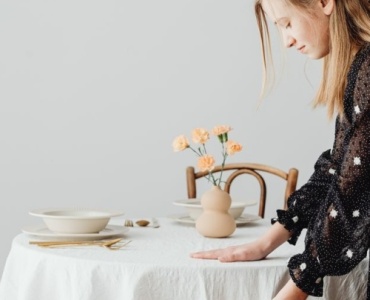
- Table linens: Stonewashed linen napkins and tablecloths deliver everyday luxury. Prewash for drape; accept soft creases as patina.
- Rugs: Flatweaves or indoor-outdoor rugs handle spills and chairs better than high pile.
- Window coverings: Roman shades or cafe curtains add charm without blocking task light.
Bathroom
- Towels: Choose 500–700 GSM cotton or cotton-bamboo blends for absorbency with reasonable drying time. Turkish towels (peshtemals) are lighter and quick-drying.
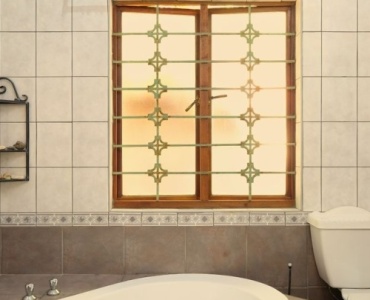
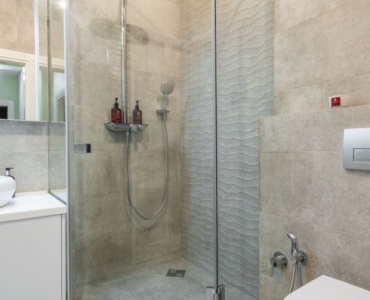
- Mats and shower curtains: Fast-drying, mildew-resistant fibers for mats; a fabric shower curtain with a washable liner for softness.
Entry and Hallways
- Runners: Low-pile, durable weaves (wool, nylon-blends, or indoor-outdoor fibers) handle traffic while buffering sound.
- Bench cushions and baskets: Sturdy canvas, leather, or heavy linen soften hard surfaces and corral clutter attractively.
Sizing, Scale, and Proportion
Right-size textiles are foundational to comfort and cohesion. Good fit often matters more than expensive fabric.
- Rugs: Living rooms feel disjointed with a rug that floats under the coffee table. Choose sizes that at least catch the front furniture legs; in dining rooms, allow 24–30 inches beyond the table on all sides.
- Curtains: Mount rods 6–12 inches above the window frame and extend 8–12 inches past each side to make windows feel grand and to prevent light leaks. Panels should just kiss the floor or break slightly.
- Pillows: Mix 20–22 inch squares with 12x20 lumbars on sofas; scale up for deep-sectionals.
- Bedding: Duvet should drape 8–12 inches beyond mattress edges for a tailored, cozy look. Layer a folded throw at the foot for texture and balance.
Performance and Practicality: What to Check Before You Buy
Cozy does not mean delicate. Knowing performance specs is a crucial part of how to choose textiles for a cozy interior that lasts.
- Abrasion ratings: Wyzenbeek (double rubs) and Martindale (cycles) indicate durability; higher numbers mean tougher fabric.
- Lightfastness: For sunny rooms, look for higher UV resistance; line drapes to protect delicate fibers.
- Cleaning codes (upholstery):
- W: Water-based cleaners are safe.
- S: Solvent-only cleaners; use caution.
- WS: Water or solvent; flexible but test first.
- X: Vacuum only; professional service recommended.
- Stain resistance: Consider solution-dyed fibers, Crypton-style performance finishes, or washable slipcovers in high-use spaces.
- Allergies and sensitivities: Natural, low-VOC, and OEKO-TEX certified fabrics reduce irritants.
Seasonal Layering Strategies
Rotating textiles is a subtle yet powerful tactic in how to choose textiles for a cozy interior year-round. Tune the sensory experience to the seasons.
- Spring/Summer: Swap to percale sheets, linen duvet covers, gauzy sheers, flatweave rugs, and cotton throws in beachy textures. Use lighter, sun-washed colors.
- Fall/Winter: Introduce velvet pillows, wool or faux fur throws, heavier drapes with thermal lining, and higher-pile rugs. Deepen the palette with forest greens, rusts, and chocolate.
- Transitional storage: Use breathable cotton bags, cedar inserts, and clean items before storing to prevent odor and moth damage.
Budget-Savvy Choices
You do not need to overspend to add warmth. Invest where touch and wear are constant, economize where refreshes are frequent.
- Spend more on: Sofa upholstery, primary rugs, and lined drapery for main rooms.
- Save on: Pillow covers, throws, kitchen runners, and seasonal accents. These rotate often and can be trend-forward.
- Swap not stack: Edit regularly. A few well-chosen pieces beat a clutter of competing textures.
- Outlet and sample sales: Look for remnant yardage to upholster stools, benches, and small cushions.
Ethical and Sustainable Textile Choices
Cozy should also be clean—safe for your home and gentler on the planet. As you decide how to choose textiles for a cozy interior, weigh environmental and ethical factors.
- Certifications: OEKO-TEX for harmful substance testing; GOTS for organic textiles; Fair Trade for supply-chain ethics.
- Material impact: Prefer linen, hemp, organic cotton, Tencel/lyocell, and recycled fibers where suitable.
- Longevity over fast fashion: Durable, timeless fabrics reduce waste; re-cover quality frames instead of replacing furniture.
- Care-friendly: Choose washable covers and hardy rugs you can maintain well; proper care prolongs life and reduces replacement.
Care and Longevity: Keep Coziness Looking New
Maintenance is the unsung half of comfort. The softest textile won’t feel inviting if it pills, sags, or smells. Here’s how to extend life while retaining that just-right softness.
- Rugs: Vacuum routinely with the beater bar off for wool; rotate quarterly to even wear; blot spills immediately; schedule professional cleaning as needed.
- Upholstery: Vacuum seams, flip and rotate cushions, and use throws on high-wear arms. Attend to stains promptly according to fabric code.
- Bedding and towels: Wash in cool to warm water with gentle detergent; avoid heavy fabric softeners that reduce absorbency; line dry when possible for longevity.
- Drapery: Dust with a soft brush; steam in place to smooth wrinkles; dry-clean lined and delicate fabrics.
- Pilling and snags: Use a fabric shaver sparingly; mend loose threads from the reverse side.
Common Mistakes and How to Avoid Them
- Too many tiny patterns: The eye tires quickly. Balance with solids and larger-scale motifs.
- Undersized rugs: Makes rooms feel cold and disjointed. Size up for unity and comfort.
- Overmatching sets: Perfectly matched drapes, pillows, and throws read flat. Vary texture and tone within the same palette.
- Ignoring sunlight: Fading and fabric breakdown are real. Line drapes and choose UV-resistant fibers for bright rooms.
- Forgetting function: Beautiful, high-maintenance textiles in play zones breed stress. Use performance fabrics where life happens.
Swatch-First Method: A Simple Workflow
When you are unsure how to choose textiles for a cozy interior, start small and tactile. A 10-step swatch process reduces guesswork.
- Define mood: Three words, like warm, grounded, calm.
- Palette pick: One base neutral, one support neutral, two accents.
- Gather swatches: At least 8–12 across rugs, upholstery, curtains, pillows.
- Mix textures: Include plush, smooth, and slubby options.
- Check light: View morning, noon, night; near windows and lamps.
- Rub test: Handle and wrinkle; evaluate hand-feel and resilience.
- Spill test: On samples you can clean, test water and mild soap.
- Edit: Remove anything that glares, glistens too much, or fights the palette.
- Mockup: Place swatches where each will live (sofa arm, floor, window).
- Commit: Order the anchor piece first (rug or sofa), then build layers to harmonize.
Mini Buyer’s Guides
Rugs
- Best for coziness: Hand-tufted wool, dense hand-knots, or thick-cut pile. Layer a small sheepskin over a flatweave for plush zones.
- Kid- and pet-friendly: Low-pile wool blends, indoor-outdoor PET, or patterned flatweaves that disguise spills.
- Care tip: Rug pads add cushioning, protect floors, and reduce slippage, instantly increasing comfort.
Curtains and Shades
- Fabric picks: Linen or linen-blend for relaxed elegance; velvet for winter warmth; cotton twill for tailored looks.
- Lining matters: Blackout for bedrooms, dim-out for living rooms, interlining for luxurious drape and insulation.
- Header style: Pinch pleat reads formal; grommet or rod pocket casual; ripple fold modern and streamlined.
Bedding
- Weave choice: Percale is crisp and cooling; sateen is silky and warm. Flannel adds winter coziness.
- Fill and weight: For duvets, match tog rating or fill power to climate; layer quilts and throws for flexibility.
- Finishing touch: Two pillow sizes plus a folded throw or coverlet at the foot create hotel-level polish.
Pillows and Throws
- Insert quality: A feather-down or down-alternative insert 2 inches larger than the cover looks fuller and more inviting.
- Texture mix: Pair velvet, bouclé, and embroidered linen for instant depth.
- Practical tip: Keep washable covers for everyday; reserve delicate handwoven or silk for calmer corners.
Frequently Asked Questions
What is the quickest way to make a living room feel cozier with textiles?
Layer a larger, softer rug, swap in lined curtains, and add two textures in pillows plus a weighty throw. These three moves deliver the biggest change fast.
How do I pick fabrics if I have pets?
Choose tight weaves, low pile, and patterned or mid-tone colors. Performance fabrics resist stains; leather develops a forgiving patina. Keep a washable throw on the pet’s chosen spot.
Which textiles help with noise?
Thick rugs with pads, fully lined drapes, and upholstered panels or headboards reduce echo and absorb mid- to high-frequency sound.
Can I mix warm and cool colors and still feel cozy?
Yes. Use a dominant warm neutral (e.g., camel or mushroom) and sprinkle cool accents (e.g., dusty blue). The warm base maintains coziness while the cool notes add freshness.
How many pillow patterns are too many?
On a standard sofa, use three to five pillows: one large-scale pattern, one medium geometric or stripe, and one to two solids or textures. Keep within a tight palette.
A Quick Checklist for Confident Choices
- Purpose set: What function do the textiles serve: warmth, darkness, durability, softness?
- Palette locked: One base neutral, one support, up to two accents.
- Texture trio: Smooth, plush, and slubby represented.
- Right size: Rug, curtain, and bedding dimensions verified.
- Performance fit: Abrasion rating, lightfastness, and cleaning code match the room.
- Sustainability: Prefer OEKO-TEX, GOTS, Fair Trade, or recycled content when possible.
- Swatch tested: Viewed in your light and touched in hand.
- Seasonal plan: Lightweight summer set and cozy winter set identified.
Bringing It All Together
Cozy style happens at the intersection of sensory comfort and visual harmony. Whether you are updating a single room or crafting a whole-home refresh, the clearest path is to layer intentionally, balance texture and color, and choose fabrics that support your real life. Once you understand how to choose textiles for a cozy interior—from fiber and weave to scale and care—you can edit confidently, shop smarter, and enjoy a home that embraces you back, season after season.
Next Steps
- Write three mood words for your home and build a palette from them.
- Order 8–12 swatches that cover rug, upholstery, drapery, and pillows.
- Decide on one anchor piece to buy first, then layer complementary textures.
- Plan a seasonal swap: identify which pieces rotate in spring and fall.
Warmth is a woven thing. Start with one layer, then another, and another; soon you will see and feel the difference in every quiet, comfortable moment at home.