There is a quiet magic to rooms that feel perennially new. They do not scream for attention or chase every passing fad. Instead, they evolve with grace, reflect the people who live in them, and invite curiosity day after day. If you have ever wondered how to design an interior that never gets boring, you are in the right place. This comprehensive guide distills the mindset, methods, and micro-habits that keep spaces feeling fresh—without relentless redecorating or wasteful spending.
The Ever-Fresh Mindset: Longevity Over Whiplash
Rooms that stay intriguing share a core philosophy: adaptability over trend-chasing. Think in terms of an enduring backbone with flexible layers on top. That starts with timeless interior design principles and ends with nimble styling choices that are easy to refresh. Below are the anchors of a space that matures beautifully:
- Proportion and balance: Scaled furniture, breathable spacing, and thoughtful sightlines outlast any pattern or paint color.
- Material truth: Real wood, stone, wool, leather, and metals that patina gracefully tend to age better than short-lived finishes.
- Style synthesis: Blending classic bones with a modern rhythm avoids the timestamped look of any single era.
- Intentional restraint: Fewer, better pieces reduce visual noise and amplify character.
- Refresh rituals: Small seasonal swaps sustain novelty without major overhauls.
Start With a Resilient Base
Begin by shaping the elements that change least: architecture, layout, and foundational finishes. A resilient base allows you to pivot your look over time without costly reinvention.
Plan Sightlines and Flow
Walk the space from multiple entry points and identify natural focal areas. Aim for clear paths, intentional pauses, and visual anchors. Layer pieces in a way that the eye moves—so the room reveals itself progressively.
- Anchor points: A fireplace, large window, built-in bookcase, or a commanding artwork.
- Logical circulation: Keep pathways at least 90 cm wide; use rugs to denote lanes and micro-zones.
- Balanced silhouettes: Combine substantial pieces with leggy, airy ones to prevent heaviness.
The 60–30–10 Palette Framework
A well-loved approach to lasting harmony is the 60–30–10 color ratio: 60 percent base neutrals, 30 percent secondary hues, and 10 percent accents. This ensures coherence while leaving room for change.
- 60% – Walls, large rugs, curtains, and big upholstery in nuanced neutrals (greige, stone, soft taupe, warm white).
- 30% – Mid-tones on additional seating, cabinets, or a large artwork that sets a mood.
- 10% – Swap-friendly accents: pillows, throws, lampshades, vases, books, and seasonal botanicals.
Palette Strategies That Age Gracefully
Color can be your greatest ally or your quickest timestamp. Choosing tones with depth, correct undertones, and versatility keeps rooms fresh without constant repainting.
Neutrals With Nuance
Not all neutrals are created equal. Seek paints with layered undertones—warm grays, mushroom, putty, oat, or linen—that pair easily with woods and metals. Test large swatches at different times of day to catch shifts in daylight.
- Finish matters: Matte hides imperfections but scuffs easily; eggshell balances durability and softness; satin suits trim and doors.
- Temperature calibration: Use warm neutrals to counter north light, cooler ones to tame strong western sun.
- Contrast control: High-contrast schemes feel punchy but can date fast; mid-contrast palettes breathe longer.
Accent Colors That Breathe
Introduce saturated hues through easily swappable elements. Try earthy rusts, forest green, deep teal, or inky blue for timeless richness; keep a few accent families and rotate them seasonally to maintain novelty without chaos.
- Spring–summer: Sage, sky, straw, coral.
- Autumn–winter: Olive, cinnabar, oxblood, midnight.
- Neighborhood cues: Echo nearby landscapes for context-sensitive color stories.
Materiality and Texture: Depth Without Date-Stamping
Texture is the quiet engine of interest. A layered tactile mix pulls you back into a room because it rewards touch and close looking. Lean on materials that acquire a graceful patina.
The Textural Triad
Combine at least three distinct tactile families for depth and longevity:
- Organic fibers: Wool, linen, jute, sisal for warmth and breathability.
- Hard naturals: Oak, ash, walnut, travertine, marble, slate for grounding presence.
- Soft lustres: Brushed brass, burnished bronze, antiqued mirror, velvet in small doses.
Favor finishes that welcome wear: solid woods over veneers, tumbled stone over polished mirrors of perfection, performance textiles with removable covers. Embrace wabi-sabi—imperfections as character.
Furniture That Adapts With You
Pieces that move, transform, or serve multiple functions keep layouts from stagnating. They also let you experiment without buyer's remorse.
Modular and Multi-Use Heroes
- Modular sofas: Reconfigure for movie nights, guests, or conversation pits.
- Nesting and stacking tables: Expand surfaces for gatherings, tuck away for minimal days.
- Ottomans with storage: Seat, footrest, coffee table, and hideaway in one.
- Gateleg or drop-leaf tables: Scale for daily life, then extend for dinner parties.
- Slim benches: Float against walls, at beds, or as impromptu console tables.
Iconic Silhouettes, Quiet Upholstery
Choose classic frames—club chairs, Parsons tables, wishbone or Spindle-back dining chairs—then dress them in calm, durable fabrics. Let form sing while color and pattern remain easy to evolve.
Storage as a Style Strategy
Clutter is the fastest way to make a room feel tired. Build in hidden and display storage to cycle objects in and out.
- Closed storage: Conceals seasonal or visual-noise items to preserve calm.
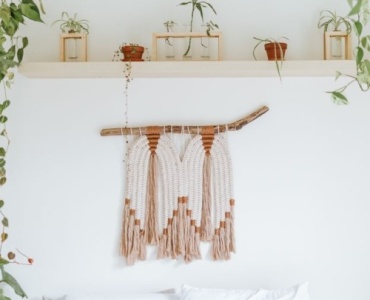
- Open shelves: Curate rotating vignettes; leave negative space for the eye to rest.
- Flexible inserts: Baskets, bins, and drawer dividers keep systems adaptable.
Art and Accessories: Rotating Identity
Accessories are your nimblest tools for micro-refreshes. Treat them as a living collection that evolves with your interests.
Curate With Story and Scale
- Story-first: Display objects that carry memory—travel finds, heirlooms, handmade ceramics.
- Scale play: Pair a large artwork with a petite sculpture to create tension and depth.
- Odd numbers: Trios and fives often feel more dynamic than even sets.
- Triangulation: Arrange items to form subtle visual triangles for compositional stability.
Design is not about filling every inch; it is about creating rhythms of presence and pause.
Layouts That Keep Moving
A flexible layout invites experimentation. Aim for pieces that shift without major effort so you can re-energize your space with a single afternoon reset.
Define Micro-Zones
Carve out purposeful corners—reading nooks, conversation clusters, a music area—with rugs, lighting, and a single accent chair or table. Zones help the same room support multiple moods and activities.
- Rug mapping: Use varying sizes to outline areas, but keep a unified color temperature to maintain flow.
- Floating furniture: Pull pieces off the walls to create intimacy and movement.
- On wheels: A bar cart, mobile side table, or rolling plant stand makes weekend refreshes frictionless.
Lighting: The Fastest Refresh Button
Light changes everything—color fidelity, texture, mood. Thoughtful lighting plans are foundational to spaces that never feel stale.
Layered Lighting Plan
- Ambient: Ceiling fixtures and floor lamps that wash the room evenly.
- Task: Reading lamps, under-cabinet strips, desk lights for focused activity.
- Accent: Picture lights, wall washers, and spotlights to sculpt focal points.
- Dimmers and scenes: Program morning, work, and evening moods to refresh the room at the tap of a button.
- Color temperature: Use warm 2700–3000K in lounges, 3000–3500K for kitchens and work areas; aim for high CRI for true color.
- Plug-in versatility: In rentals, plug-in sconces and pendants deliver drama without hardwiring.
Biophilic Design: Living Freshness
Humans are wired for nature. Bringing organic elements indoors yields vitality that trends cannot rival and keeps rooms lively across seasons.
Plants, Light, and Air
- Plant tiers: Mix floor specimens (fiddle-leaf fig), mid-height shrubs (rubber tree), and trailing vines (pothos) for layered greenery.
- Daylight choreography: Sheer curtains, reflective surfaces, and light shelves bounce sun deeper into rooms.
- Air movement: A quiet ceiling fan or operable windows animate curtains and foliage for subtle, perpetual motion.
- Natural scent: Fresh herbs, beeswax candles, or cedar blocks add seasonal nuance.
Pattern and Print: Lively, Not Loud
Patterns can energize or overwhelm. The key is calibrating scale, contrast, and repetition for enduring verve.
Scale and Family Mixing
- Scale ladder: Combine one large-scale pattern, one mid, and one small to avoid visual monotony.
- Motif families: Pair geometrics with organics; stripes with florals; abstract with solids.
- Placement rules: Keep bold prints on easily swappable items—throws, cushions, lampshades—so you can refresh without reupholstery.
Rituals of Renewal: Seasonality Without Waste
Spaces feel evergreen when they change a little, often. Build refresh routines into your calendar the way you might rotate a wardrobe.
Quarterly Refresh Checklist
- Swap textiles: Light linen covers in warm months; woolly throws in cooler seasons.
- Rotate art and books: Keep a flat file and storage bin for prints; cycle pieces to reshape focal points.
- Restyle surfaces: Edit down coffee table objects; add a new tray or a low bowl with seasonal branches.
- Deep clean: Windows, lampshades, and rugs; nothing makes a room feel newer than light and clarity.
- Greenery tune-up: Replace tired stems; repot plants; add cut herbs in the kitchen.
Maintenance Blueprint for Timeless Looks
Longevity is practical as much as aesthetic. A light-touch maintenance plan protects finishes and preserves the feeling of newness.
- Wood: Dust weekly with a soft cloth; quarterly condition with appropriate oil or wax; use felt pads to prevent scratches.
- Stone: Seal porous stones annually; blot spills immediately; avoid acidic cleaners on marble and travertine.
- Textiles: Vacuum upholstery with a brush attachment; rotate cushions monthly; choose removable covers for washability.
- Metals: Embrace patina on unlacquered brass; use gentle polishes sparingly on chrome or nickel.
Small Space and Rental Smarts
Even when you cannot renovate, you can orchestrate freshness through flexible pieces and clever illusions.
- Scale strategies: One or two larger, streamlined pieces often feel calmer than many small ones.
- Vertical emphasis: Tall shelves, high-hung curtains, and slim floor lamps pull the eye upward.
- Peel-and-stick solutions: Temporary wallpaper, tiles, and hooks allow bold experiments without commitment.
- Plug-in lighting: Sconces and pendants on cords elevate mood and free surfaces.
- Rug unifiers: A single generous rug can visually expand a room and tether a layout.
Case Studies: Three Rooms, Always Interesting
1) The Studio That Plays Many Roles
Goal: Sleep, work, lounge in 35 m² without monotony.
- Base: Warm white walls, oak-look floors, linen drapes.
- Furniture: Modular 2-piece sofa, wall-mounted drop desk, Murphy bed with integrated shelves.
- Layout: Rug-defined lounge; folding screen creates an occasional dressing zone.
- Refresh ritual: Swap cushion covers quarterly; rotate art above the desk; wheel in a plant cart near the window.
Result: A calm shell transforms with minimal swaps, staying visually fresh and functionally nimble.
2) The Family Living Room That Grows Up Gracefully
Goal: Durable, comfortable, and not dated in five years.
- Base: Mid-tone greige walls; large, washable rug; slipcovered sofa.
- Materials: Oak coffee table, wool throws, leather ottoman with storage, linen shades.
- Lighting: Dimmable ceiling fixture, sconces on plugs, table lamps for reading.
- Refresh ritual: Seasonal mantle styling; kids' art rotation in uniform frames; potted herbs in winter, branches in summer.
Result: The architecture remains calm while accessories and art inject ongoing personality.
3) The Office–Guest Hybrid That Avoids Fatigue
Goal: Productive by day, welcoming by night, never stale.
- Base: Soft mushroom wall color; blackout plus sheers; wall-to-wall sisal-look rug.
- Furniture: Daybed with drawers; folding desk; compact task chair; tall bookcase with baskets.
- Lighting: Task sconce, warm floor lamp, adjustable under-shelf LEDs.
- Refresh ritual: Rotate pillow covers and art; set lighting scenes for work and guest mode.
Result: A single room adopts dual identities gracefully, avoiding decor burnout.
Shopping Framework for Durable Freshness
Whether you are outfitting a first home or refining an established one, a deliberate process prevents regrets.
- Define purpose: What job should this piece do today and in five years?
- 80–15–5 rule: 80% timeless staples, 15% expressive mid-tones, 5% bold accents.
- Quality markers: Kiln-dried hardwood frames, 8-way hand-tied or high-quality webbing, performance fabrics with maintainable cleaning codes.
- Scale and clearance: Masking-tape footprints before buying; ensure door and elevator access.
- Samples and swatches: Live with them for a week to test light and touch.
- Serviceability: Replaceable parts, slipcovers, modular components, and solid warranties.
Budget-Smart Tactics That Stretch Style
Freshness does not require lavish budgets. It favors intention, patience, and select splurges.
- Splurge: Sofa frames, mattresses, dining chairs you use daily, primary rug.
- Save: Side tables, secondary lamps, decorative pillows, planters.
- Secondhand first: Vintage wood pieces often outlast new flat-packs and bring soul.
- DIY light touch: Refinish wood, swap hardware, re-shade lamps, or reupholster a single chair to shift the room's mood.
Room-by-Room Playbook
Living Room
- Base: Generous neutral rug; well-scaled sofa; layered lighting.
- Refreshables: Pillows, throws, coffee table books, mantle styling, plants.
- Layout shift: Pivot sofa orientation twice a year to shake up sightlines.
Bedroom
- Base: Calm wall color; upholstered or wood headboard; blackout plus sheers.
- Refreshables: Bedding sets, shams, a rotating art piece over the bed.
- Texture ladder: Linen sheets for summer; flannel or percale in winter; wool blanket at foot.
Kitchen and Dining
- Base: Simple cabinet fronts; hard-wearing counters; classic hardware shapes.
- Refreshables: Pendant shades, bar stool cushions, art prints, table linens, centerpieces.
- Open-shelf discipline: Curate neutral dinnerware; add seasonal glassware or colored tumblers.
Bath
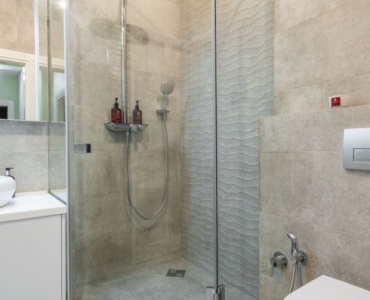
- Base: White or stone tile; timeless fixtures.
- Refreshables: Towels, shower curtain, bathmat, wall hooks.
- Spa cues: Eucalyptus in the shower, wood stool, dimmable sconce for evening soaks.
Common Pitfalls to Avoid
- Over-theming: A room built around a single motif risks fast fatigue; aim for layered influences.
- Impulse trends: Reserve bold trends for textiles or art, not tile or large upholstery.
- Under-lighting: A single overhead fixture flattens tone and texture; layer three to four light sources.
- Clutter creep: Schedule monthly edits; if everything is special, nothing stands out.
FAQs
How do I start if my room already feels dated?
Strip back to your essentials. Neutralize the largest surfaces (paint, rug, curtains), then rebuild with a restrained palette and a few textural upgrades. Add layered lighting and rotate art to reset the mood.
How to design an interior that never gets boring?
Establish a timeless base—smart proportions, nuanced neutrals, and durable materials—then layer flexible elements you can swap seasonally. Incorporate modular furniture, biophilic touches, and a refresh routine to keep energy circulating without constant redecoration.
Which colors last the longest?
Complex neutrals with warm–cool balance—stone, putty, mushroom, oat—age gracefully and pair with countless accents. Anchor with these, then rotate accent colors through textiles and decor.
Can small spaces stay interesting without chaos?
Yes. Use fewer, larger pieces; define micro-zones with rugs and lighting; rely on vertical storage and plug-in sconces; and schedule quarterly mini-refreshes for textiles and art.
What are the best materials for longevity?
Solid woods, wool, leather, linen, and natural stone patina well. Choose performance textiles for high-traffic upholstery and unlacquered metals if you appreciate living finishes.
How often should I refresh accessories?
Quarterly is a sweet spot. It aligns with seasonal changes and keeps novelty alive without generating clutter or waste.
Pulling It All Together
Designing a home that always feels fresh is less about perpetual change and more about intentional flexibility. Build an enduring backbone—calibrated proportions, nuanced palette, and honest materials—then keep your space alive with lighting, texture, nature, and rotating accents. When you align function with poetry, the room remains a companion that grows with you, not a project you are forever chasing.
Your Next Steps
- Audit your base: walls, floors, large upholstery—do they support evolution?
- Set a quarterly refresh date and box for seasonal swaps.
- Add one modular or multi-use piece that unlocks new layouts.
- Layer at least three textures and three light sources in your main room.
- Bring in a plant tier—floor, mid, trailing—and watch the room exhale.
In the end, the secret is simple: design for change. Do that, and your interior will never grow stale.