Want a home that instantly feels calmer? The secret isn’t a trendy new sofa or a complicated renovation. It’s learning how to design a minimalist home interior that reduces visual noise, removes friction from daily routines, and lets your rooms breathe. In this in-depth guide, you’ll learn principles, practical steps, and room-by-room strategies to create a space that’s serene, functional, and uniquely yours.
Why Minimalism Works at Home
Minimalism at home is not about cold spaces or owning almost nothing. At its best, it’s a thoughtful edit that aligns your environment with your values and lifestyle. The outcome is a clutter-free home that feels grounded and easy to maintain. Whether you live in a studio or a large house, simplifying your interiors can deliver surprising benefits.
- Mental clarity: Fewer visual distractions reduce stress and decision fatigue.
- Time savings: Less to tidy and fewer items to manage equals more free time for what matters.
- Financial focus: Buying fewer, better things cuts impulse purchases and upgrades quality.
- Design coherence: A limited palette and streamlined furniture create harmony and flow.
- Sustainability: Mindful consumption and durable materials support a lower-waste lifestyle.
If you’ve ever wondered how to design a minimalist home interior without it feeling stark, you’re in the right place. The key is restraint—with warmth, texture, and intention.
Core Principles of Minimal Interior Design
Minimalist design is a method, not a mandate. Use these principles as flexible tools to shape a home that’s clean, comfortable, and personal.
1) Purpose-First Planning
Begin by asking what each room must do well. A living room might host movie nights and quiet reading; a kitchen should support a smooth cooking workflow. Identify primary functions and reserve space for them first. This prevents overfurnishing and clarifies every purchase decision.
2) Edit Before You Add
Minimal interiors are built by subtraction. Declutter in focused sprints: remove duplicates, broken items, and pieces that no longer serve your life. Try a category method (books, textiles, gadgets) or a space-by-space sweep. Keep only what’s useful, beautiful, or deeply meaningful. Editing is the single most effective step in learning how to design a minimalist home interior.
3) Embrace Negative Space
Empty space is a design ingredient, not wasted area. Create breathing room around seating, tables, and art. Maintain clear sightlines across rooms. This visual quiet is the hallmark of a calm, clutter-free home and supports a gentle daily rhythm.
4) Curate a Tight Color and Material Palette
Choose a neutral foundation (soft white, warm gray, light taupe) and layer a few natural materials—oak, walnut, rattan, linen, wool, stone. Limit accent hues to one or two tones found in nature (sage, clay, sand, slate). A restrained palette is your shortcut to cohesion.
5) Light in Layers
Minimal homes rely on light to add depth and warmth. Combine ambient lighting (soft overhead), task lighting (reading lamps, under-cabinet strips), and accent lighting (sconces, picture lights). Dimmer switches and warm bulbs (2700–3000K) are simple upgrades that transform mood.
6) Texture Over Ornament
When you remove visual clutter, texture becomes the star. Balance smooth walls and clean lines with tactile pieces: a wool rug, linen drapes, a raw-edge wood bowl, matte ceramics. Texture adds richness without breaking minimalist rules.
7) Hidden Storage, Visible Calm
Corral necessities in well-planned cabinets, drawers, and baskets. Choose furniture with storage—benches, media consoles, nightstands. A minimalist interior isn’t devoid of things; it’s a place where things have a home.
8) Personal but Edited
Curate a few meaningful objects—a vintage lamp, a framed drawing, travel ceramics. Display them with intention and leave negative space around them. Personality shines brighter when it doesn’t compete with clutter.
Room-by-Room Guide to a Calm, Clutter-Free Home
This is the heart of the process: turning principles into practical layouts and habits for each space. Use these sections as a checklist for minimalist interior design that’s warm, livable, and enduring.
Entryway and Hall
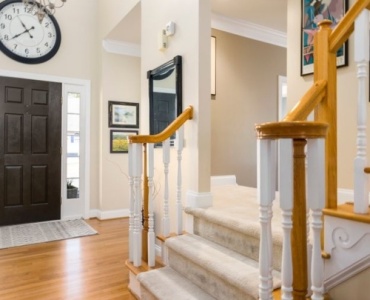
The entry shapes your first impression and sets the tone for the whole home. Keep it clear, bright, and intuitive.
- Furniture: A slim console or wall-mounted shelf; a storage bench for shoes; minimal wall hooks.
- Storage: Closed baskets for hats/gloves; a small tray for keys; umbrella stand if needed.
- Lighting: Warm overhead with a dimmer; add a sconce if mirrors or art need highlighting.
- Design tip: Use a durable, low-profile rug; place a simple mirror to bounce light and for last looks.
Resist overdecorating. One piece of art, a plant, and a clean surface create instant calm and help you practice how to design a minimalist home interior right from the door.
Living Room
Think of the living room as a place for comfort, conversation, and recovery. Choose fewer, better pieces and arrange them for flow.
- Layout: Leave generous walking paths. Float the sofa if needed to establish zones.
- Seating: A streamlined sofa, one or two accent chairs, and a simple coffee table (rounds soften lines).
- Storage: Closed media console, built-in shelves with doors, or a low cabinet for remotes and chargers.
- Textiles: Coherent palette: one rug, two throw pillows, one throw blanket—quality over quantity.
- Decor: A single large artwork or a limited gallery with consistent frames; a sculptural lamp.
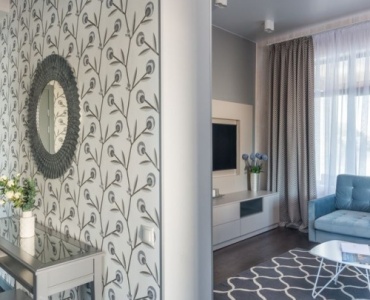
When considering minimalist home design for living rooms, remember that sightlines matter. Keep surfaces mostly clear, and let one focal point (a window, fireplace, or art) lead.
Dining Area
Dining rooms thrive on simplicity. A well-proportioned table, comfortable chairs, and warm lighting encourage long, unrushed meals.
- Table + chairs: Wood or matte surface; chairs in matching tone or a tight color family.
- Lighting: Centered pendant at 28–34 inches above table; warm bulbs; dimmable.
- Storage: Sideboard with closed doors for linens, serveware, and candles.
- Decor: One centerpiece (branch in a ceramic vase or a shallow bowl). Keep it low for clear sightlines.
Kitchen
The kitchen is mission control. To keep it minimalist and efficient, design for workflow and ease of cleaning.
- Zones: Prep, cook, clean, and store—plan countertops and cabinets around these tasks.
- Surfaces: Durable, low-maintenance materials: quartz, stainless, sealed stone, wood with proper care.
- Cabinetry: Flat-panel doors; integrated handles or slim pulls; maximize drawers and vertical storage.
- Appliances: Panel-ready when possible; store small appliances to keep counters clear.
- Pantry: Decant regularly used dry goods; label sparingly; batch restocks to reduce visual noise.
Keep only daily-use items on display: a cutting board, salt mill, olive oil, and perhaps a single plant. Everything else earns a spot behind doors. This is a vital part of mastering how to design a minimalist home interior for real-world cooking.
Bedroom
Your bedroom should restore energy and promote deep rest. Build a sanctuary with quiet colors, soft texture, and near-zero clutter.
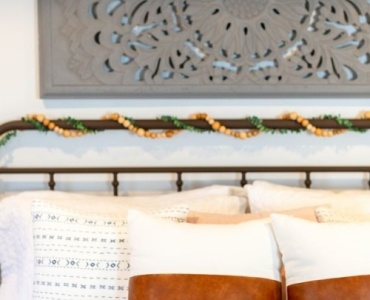
- Bed: Low-profile frame, quality mattress, natural-fiber bedding (cotton, linen, wool).
- Nightstands: With drawers; keep tops nearly empty—lamp, book, carafe.
- Closet: Capsule wardrobe; matching slim hangers; seasonal rotation; baskets for accessories.
- Lighting: Lamps with warm bulbs; blackout curtains or layered window treatments.
- Decor: One calm artwork; a small rug underfoot; a plant if light allows.
Eliminate secondary screens and chargers from sight. Corral tech in a bedside drawer or a single charging station elsewhere. Serenity thrives on fewer signals.
Bathroom
Treat the bathroom like a small spa: clean lines, concealed storage, and tactile materials.
- Vanity: Floating cabinet with drawers; organizer trays inside; minimal hardware.
- Surfaces: Light tile or microcement; matte finishes hide water spots; keep grout lines simple.
- Storage: Refillables for soap/shampoo; one caddy max; hide backups in a cabinet or linen closet.
- Textiles: Two sets of high-quality towels; neutral colors for visual calm.
- Lighting: Diffuse vanity light; overhead dimmer; good ventilation to reduce upkeep.
Home Office
Focus is a function of environment. A minimalist office reduces friction and brings clarity to work.
- Desk: Clean surface with cable management; drawer or pedestal for essentials.
- Chair: Ergonomic but visually quiet; consider fabric in a neutral tone.
- Storage: One closed cabinet for files and peripherals; wall-mounted shelves if needed.
- Tech: Limit screens; use a single charging dock; hide routers in ventilated cabinets.
- Focus aids: Task lamp; acoustic panel or rug; a plant for biophilic calm.
Adopt a daily reset habit: clear your desk, close your browser tabs, and drop notes into a single system. Your office will stay minimal because your mind is organized.
Kids’ Room and Family Spaces
Yes, minimalism works with kids. The secret is smart categorization and easy clean-up routines.
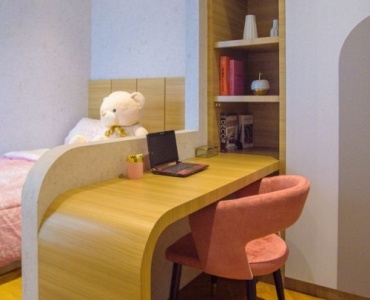
- Zoning: Define a play zone, sleep zone, and study zone; keep each one simple.
- Storage: Low bins with pictures/labels; limit open shelves to a few display books or art.
- Toys: Rotate in batches; donate what’s outgrown; choose fewer, better-made items.
- Decor: Neutral base with a single cheerful accent color; soft rugs and washable covers.
In shared family areas, use baskets and closed cabinets. A five-minute nightly reset keeps the home clutter-free without constant policing.
Laundry and Utility
Utility zones stay minimal through process, not perfection.
- Workflow: Hampers by room; scheduled wash days; a folding zone that’s always open.
- Supplies: Decant detergents into labeled bottles; hang a drying rack; stash extras out of sight.
- Surfaces: Easy-clean countertops; wall hooks for brooms and mops; good task lighting.
Small Apartments and Studios
Minimalism excels in compact homes. Use multifunctional furniture and visual boundaries to keep the space airy.
- Zoning: Rugs define areas; low shelving doubles as a divider; curtains or screens for sleeping zones.
- Multifunction: Sofa beds, fold-down tables, nesting tables; ottomans with storage.
- Vertical space: Wall-mounted desks, shelves above doors, ceiling-hung rails for plants.
- Palette: Light walls, a few warm woods, and a controlled accent to maintain continuity.
Editing and concealed storage do the heavy lifting. This is where you truly master how to design a minimalist home interior that never feels cramped.
Outdoor Space or Balcony
Even a small balcony can be a minimalist retreat.
- Furniture: Two chairs and a compact table; foldable when not in use.
- Materials: Teak, powder-coated metal, or rattan; one outdoor rug for texture.
- Greenery: A tall plant for privacy; a single planter box with herbs.
- Lighting: Warm string lights or a solar lantern; avoid cluttered decor.
Style Variations Within Minimalism
Minimalism isn’t one-size-fits-all. Choose a flavor that supports your lifestyle and climate.
- Scandinavian Minimal: Pale woods, white walls, soft textiles; cozy and bright.
- Japandi: Japanese serenity meets Nordic warmth; low silhouettes, tactile materials, earthy tones.
- Wabi-Sabi: Imperfection and patina; raw ceramics, handwoven textiles, timeworn woods.
- Modern Minimal: Crisp lines, strong contrast, metal and glass accents.
- Warm Minimal: Neutral palette with creamy undertones, plush textures, and organic curves.
- Mediterranean Minimal: Limewash walls, terracotta, olive green accents, and breezy linens.
Shopping Smart: Fewer, Better, Longer
When you buy less, you can buy better. Approach every purchase with intention.
- Quality over quantity: Solid wood, strong joinery, durable fabrics, repairable electronics.
- Capsule decor: A small rotation of textiles and accent objects to refresh seasonally without excess.
- Scale and proportion: Measure before buying; negative space is part of the footprint.
- Timelessness: Favor silhouettes and finishes that outlast trends.
- Sourcing: Mix new, vintage, and second-hand to add character without clutter.
Sustainable Minimalism
A thoughtful home respects the planet as much as it respects your routine. Integrate sustainability from the start.
- Materials: FSC-certified wood, OEKO-TEX or GOTS-certified textiles, low-VOC paints, recycled metals.
- Reuse + repair: Refinish a table, reupholster a chair, repair lamps—honor what you have.
- Energy: LED bulbs, smart thermostats, draft sealing, and sunscreens reduce resource use.
- Mindful disposal: Donate or resell; avoid landfill where possible; choose modular pieces for longevity.
Maintenance: Keeping It Minimal
Minimalism sticks when habits are simple and repeatable. Build light-touch routines to protect your calm.
- Daily five-minute reset: Clear counters, fluff sofa, return stray items to homes.
- One-in, one-out: When something new arrives, let a similar item go.
- Weekly tidy: Wipe surfaces, vacuum rugs, launder textiles; check a small declutter spot.
- Monthly review: Evaluate hotspots (entry, kitchen counter, desk); adjust storage as needed.
- Seasonal edit: Rotate wardrobe and decor; repair or donate what’s unused.
A 30-Day Roadmap to a Minimalist Home
Here’s a pragmatic, room-by-room plan to put everything into action without overwhelm.
- Week 1 – Foundations: Define your palette and style direction; choose three materials; set lighting goals. Declutter the entry and living room surfaces.
- Week 2 – Daily Workhorses: Edit kitchen tools and pantry; reorganize under-sink storage; streamline the dining area. Add dimmers where useful.
- Week 3 – Rest + Restore: Create the bedroom sanctuary; pare down the closet to a capsule; refresh linens. Simplify the bathroom: reduce products, set refills.
- Week 4 – Systems + Sustain: Tame the home office; create kids’ toy rotation; optimize laundry workflow. Do a whole-home five-minute reset each evening.
By the end of 30 days, you’ll understand how to design a minimalist home interior that’s not just beautiful but effortless to maintain.
Common Mistakes—and How to Fix Them
- Mistake: Sterile, cold spaces. Fix: Add texture (wool, linen), warm woods, soft lighting, and a few organic shapes.
- Mistake: Overmatching everything. Fix: Keep the palette tight but vary textures and tones for depth.
- Mistake: No dedicated storage. Fix: Add concealed cabinets and baskets; furniture with drawers is your ally.
- Mistake: Ignoring scale. Fix: Measure; allow for negative space; choose one focal statement and simplify the rest.
- Mistake: Poor lighting. Fix: Use layers; install dimmers; choose warmer bulbs.
- Mistake: Keeping everything "just in case." Fix: Apply the one-year rule; digitize papers; donate responsibly.
Frequently Asked Questions
How is minimalism different from modern design?
Modern design is a historical style with specific forms and materials; minimalism is a philosophy of reduction and clarity that can borrow from many styles (Scandinavian, Japandi, wabi-sabi). You can blend them, but minimalism centers the edit.
Do I have to get rid of most of my things?
No. You’re choosing what deserves a place. Keep useful, beautiful, and meaningful items; let go of the rest. The result isn’t emptiness—it’s intention.
Can families with kids live minimally?
Absolutely. Prioritize storage at a child’s height, create clear zones, and set short clean-up rituals. Minimalism is about smoother routines, not perfection.
What if I rent and can’t renovate?
Focus on movable upgrades: lamps with warm bulbs, rugs for zoning, peel-and-stick solutions, curtains, and furniture with storage. Minimal design thrives on what you remove and how you organize, not just what you build.
How many colors should I use?
Start with one base neutral, one supporting neutral, and one accent. Expand slowly with materials and textures rather than more colors.
Mini Checklists by Space
Living Room
- Edit surfaces; keep one tray or bowl for essentials.
- Unify textiles; one hero rug, two coordinated pillows.
- Hide cables and remotes; use a closed media console.
Kitchen
- Store small appliances; keep counters almost empty.
- Designate prep, cook, clean zones; use drawer organizers.
- Adopt refillable containers for daily staples.
Bedroom
- Nightstand drawers for tech; clear tops.
- Capsule wardrobe: mix-and-match basics, seasonal edit.
- Layer soft lighting; consider blackout curtains.
Bathroom
- Float the vanity or use slim legs to open the floor.
- Limit products in the shower; conceal backups.
- Use matching, neutral towels for visual serenity.
Bringing It All Together
Learning how to design a minimalist home interior is less about rules and more about rhythm: edit, plan, simplify, and then live with your choices long enough to refine them. Start with the rooms you use most. Choose a tight palette. Design for light, comfort, and function. Layer texture and storage. Display a few personal items with pride and give them room to shine.
Minimalism is the art of less—but it reveals more of what matters: ease, warmth, and everyday joy. When your home supports your life instead of competing with it, calm becomes your new normal.