From House to Haven: Design Secrets for a Calm, Soul-Nourishing Home
There is a quiet revolution happening behind our front doors. We are not just decorating; we are healing, restoring, and creating foundations for the lives we want to live. A home that steadies the nervous system, supports healthy routines, and welcomes connection is not an accident. It is the result of clear intention, gentle editing, and a few timeless design secrets. If you have ever wondered how to design a home that feels like a sanctuary, this comprehensive guide walks you through choices that transform four walls into a haven of ease, clarity, and joy.
Sanctuary is not a style. It is a feeling. It looks different in a coastal cottage than it does in a city loft, but the principles are universal. You will learn how to work with light and color, curate textures, reduce visual noise, connect with nature, shape graceful flow, and layer sensory details that bring you back to yourself. Consider this your roadmap from house to haven.
The Shift From House to Haven
Home becomes a sanctuary when design serves wellbeing first. It is the space where you exhale, process the day, and replenish your energy. The right details can lower stress, support better sleep, sharpen focus, and encourage rituals that keep life grounded. Think of this as wellness interior design in practice: fewer sharp contrasts, more natural rhythms; fewer distractions, more intention. You are designing not only for the eye but for the nervous system and the soul.
When rooms honor your values and routines, daily life feels lighter. Your entry sets the tone, your living room invites connection, your bedroom deepens rest, and your kitchen becomes a mindful place to nourish. This guide offers practical, evidence-informed strategies to create calm home design with warmth and personality, not sterile minimalism.
Foundations of a Sanctuary Home
Lead With Intention and Values
Before choosing paint or pillows, clarify what the home must do for you. Do you need quiet for focus or spaces for gathering. Are mornings frantic or slow. Do you crave sunlight or cocooning. Write a short sanctuary statement that guides every decision. For example, calm mornings, light-filled spaces, natural materials, and easy maintenance. When in doubt, return to this compass. It helps you filter trends and say yes only to items that support the feeling you want.
- Name your top three feelings you want your home to evoke: grounded, airy, cozy, clear.
- List daily rituals to support: morning tea, yoga, journaling, family dinners, evening read.
- Set nonnegotiables: clear surfaces, soft lighting, breathable fabrics, indoor greenery.
Edit First, Then Add
Visual clutter taxes the brain. A haven begins with subtraction. Edit objects until what remains is functional, beautiful, or meaningful. Keep sightlines open and surfaces clear to create a sense of mental spaciousness. Organize by category, hide excess behind doors, and give everything a home. Your goal is ease of use and easy resets, not perfection. Minimalist decor is not about lack but about clarity.
- Start with high traffic zones: entry console, kitchen counters, coffee table, nightstands.
- Use closed storage for bulk and backup, open storage for daily favorites only.
- Adopt a one in, one out habit to prevent clutter from creeping back.
Flow and Zoning
Good energy is often good circulation. A room breathes when movement paths are clear, furniture is scaled appropriately, and zones support specific functions. Define gentle micro zones for rest, creativity, and connection. A chair by a window becomes a reading nook. A tray on a console becomes a landing spot for keys. Flow supports focus and serenity by reducing tiny daily frictions.
- Respect door swings and window lines; avoid blocking natural light or walkways.
- Float furniture off walls to create intimate conversation clusters.
- Use rugs to anchor zones and create visual calm through coherence.
Color, Light, and Materiality
Color Psychology for Calm
Color influences perception and mood. Soft, desaturated tones often soothe, while highly saturated primaries energize. Choose a calm base palette and layer nuanced accents. Earth tones convey stability; cool greens and blues suggest renewal; warm neutrals feel cozy and approachable. Whites with warm undertones feel inviting, while crisp, cool whites skew gallery-like. Select a handful of hues and repeat them throughout to unify rooms and lower visual noise.
- Base: warm greige, bone, oat, clay, driftwood taupe, chalky white.
- Calming accents: sage, eucalyptus, misty blue, sea glass, dusty rose, olive.
- Depth notes: charcoal, walnut, indigo, espresso, smoked bronze.
Test paint on multiple walls and observe at different times of day. Sanctuary color is as much about light as pigment. Let nature guide you. If your home is shaded, add warmth. If it gets harsh sun, cool the palette slightly.
Natural Light and Layered Lighting
Light sets circadian rhythm and shapes the soul of a room. Maximize daylight with simple, sheer window treatments, reflective surfaces, and light-hued ceilings. At night, create layered lighting to mimic the arc of the sun: bright, indirect light for tasks; warm, dimmable pools for evening wind-down; focal glow to honor art or a reading corner. Position lamps at multiple heights to avoid glare and harsh overheads.
- Use warm temperature bulbs in living areas for a soft, evening-friendly glow.
- Place task lights where you actually read, cook, and work.
- Add candlelight or rechargeable lanterns for ritual and romance.
When you learn how to design a home that feels like a sanctuary, lighting becomes a signature move. It cues mood, marks transitions, and tells your body it is safe to rest.
Materials and Texture
Nature calms because it is rich in sensory variation without overwhelm. Channel this through materiality. Favor matte over high gloss to reduce glare. Mix honest textures that invite touch: linen, wool, cotton, jute, rattan, wood, clay, and stone. Layer smooth with nubby, cool with warm, soft with structured. These contrasts create coziness and depth. Sustainable materials support both planet and peace of mind.
- Choose breathable covers for sofas and bedding to keep temperatures comfortable.
- Invest in one or two heirloom pieces in real wood to anchor a room.
- Ground spaces with natural fiber rugs for tactile calm and acoustic softness.
Sensory Design for Calm
Sound and Acoustics
Noise stress is real. Control echoes and sharp sounds with textiles, upholstery, curtains, and books. Add soft close hardware, door seals, and felt pads under furniture. Create a gentle soundscape with a water feature, soft playlists, or simply rustle from indoor plants. In apartments, strategic rugs and wall hangings make a noticeable difference to serenity.
Scent and Air Quality
Scent is a fast path to memory and mood. Keep indoor air fresh with good ventilation, regular filter changes, and low VOC finishes. Use subtle aromatics to cue rituals. Citrus for morning clarity, rosemary for focus, lavender for evening calm. Plants like peace lily, rubber plant, and pothos are beautiful compliments to biophilic design and help you breathe easier.
Thermal Comfort and Touch
Cozy is a sensory equation. Think layers you can add or remove with the seasons. Swap heavyweight throws in winter for breathable cotton in summer. Keep a basket of slippers or house socks by the entry, a small luxury that signals welcome and grounded presence. Use a mix of smooth wood arms and plush cushions to satisfy different tactile preferences across the day.
Biophilic Design and Nature Connection
Nature reduces stress and restores attention. Bring it in through views, plants, organic materials, and biomorphic patterns. Even a small fern on a shelf shifts the emotional register of a room. Place plants where you spend time, not just where they look pretty. Care becomes a ritual that tethers you to living rhythms.
- Group plants for visual lushness and easier care routines.
- Echo natural patterns in textiles and art: leaf veining, ripples, grain, constellations.
- Use a bowl of stones, a branch in a vase, or a found shell to honor place.
Water elements are deeply soothing. If a fountain is not practical, reference water in art, glass, or color palette. Sunlight on a textured wall can replicate the shimmer of nature and create moving, meditative shadows.
Room by Room Sanctuary Guide
Entryway: Set the Tone
Your entry announces the home mood. Keep it clear, kind, and welcoming. Provide hooks and a bench for graceful arrivals, a tray for keys, and warm light. Add one beautiful object that speaks to your values, like a handmade bowl or a small plant. A calm entry prevents clutter ripples through the rest of the house.
- Closed shoe storage keeps dust and visual chaos down.
- A small mirror near the door is both practical and uplifting.
- Drop zone baskets make resets fast and painless.
Living Room: Conversation and Rest
Balance connection with true relaxation. Use a mix of seating heights and depths so each person finds ease. Arrange sofas and chairs around a focal point that is not always the screen. A window, a fireplace, a book wall, or a large plant can anchor the room. Layer lamp light for evenings and soften acoustics with textiles. Keep surfaces mostly clear and style meaningful vignettes on one or two spots only.
- Choose a coffee table with storage or a wide ottoman to keep remotes and chargers out of sight.
- Use a warm rug large enough that front legs of seating touch it for cohesion.
- Keep a throw within reach for each seat to promote real lounging.
Kitchen and Dining: Mindful Nourishment
A calm kitchen supports better cooking and better choices. Clear the counters to three essentials: a kettle or coffee maker, a fruit bowl, and a work zone tool like a knife block. Decant staples into simple jars for clarity and speed. In dining areas, use natural centerpieces like branches or seasonal produce, and adjust lighting so meals feel intimate, not interrogated.
- Zone by activity: prep, cook, clean, store. Keep each zone stocked with its own tools.
- Choose wipeable, tactile placemats and linen napkins for sensory pleasure.
- Create a breakfast tray ritual to prevent morning chaos spreading across the kitchen.
Bedroom: Your Nightly Retreat
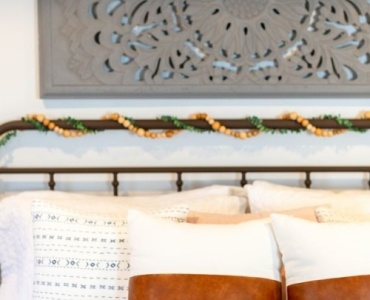
Rest is the crown jewel of sanctuary. Treat the bed like an altar to sleep. Choose breathable sheets, a supportive mattress, and a headboard that makes you feel safe. Limit visual distractions. Keep colors soft and lighting dimmable. Place a carafe of water, a small plant, and a single book on the nightstand. Use blackout shades or lined curtains to protect circadian rhythm. A small rug beside the bed turns first steps warm and intentional.
- Hide chargers and route cords to preserve visual calm.
- Keep art gentle and inspiring; reserve high-energy pieces for elsewhere.
- Adopt a ten minute nightly reset to return the room to rest-ready.
Bathroom: Everyday Spa
Your bathroom can offer micro retreats each day. Clear counters, decant products, and store extras out of sight. Use soft towels, a bath mat with texture, and warm lighting near mirrors. Add eucalyptus or a sprig of rosemary in a small vase. A ritual tray with salts, a candle, and a favorite face oil transforms a quick shower into a mindful pause.
- Replace harsh bulbs with warm, color-accurate lamps.
- Use vertical organizers to free counter space.
- Keep scents gentle and layered rather than overpowering.
Workspace: Focus Without Friction
Focus is a sanctuary state. Dedicate a desk zone free of domestic clutter. Store work tools within arm reach and keep a single in-tray for capture. Use a supportive chair and position screens to reduce glare. If you live small, a folding desk or a dedicated shelf can still tell your brain it is time for deep work, then time to close the loop and return home energy to rest.
- Face a calming view or a pinboard with textured neutrals and simple goals.
- Use task light with a warm secondary lamp for overall mood.
- Close the workday with a reset ritual to protect evening sanctuary.
Outdoor Nooks: Balconies, Terraces, and Yards
Even a tiny balcony can be a restorative oasis. Add two chairs, a small table, and a planter box of herbs. String gentle lights to extend evenings. Use weatherproof textiles in natural hues so your outdoor view becomes part of your sanctuary narrative.
Styling Secrets: Minimal, Meaningful, and Personal
Curate, Do Not Crowd
Less is loving. Display a handful of objects with personal resonance rather than filling every surface. Negative space is a design element that allows prized pieces to breathe and your eyes to rest. When in doubt, remove one item and notice if the room exhales.
- Group decor in odd numbers and vary heights for rhythm.
- Mix textures within a tight color palette for harmony.
- Rotate objects seasonally to keep spaces fresh without buying more.
Textiles and Layering
Cozy lives in layers. Combine a structured sofa with linen cushions, a wool throw, and a jute rug. In bedrooms, stack a light coverlet under a duvet for flexibility. Layer curtains with sheers to modulate light and privacy. Textiles are where hygge meets practicality, where comfort is both seen and felt.
Smart Storage That Disappears
Peace requires a place for everything. Choose furniture with built-in storage, from ottomans to benches and credenzas. Use baskets and boxes in natural materials to hide the unsightly and simplify resets. Label discreetly. Make it easier to put things away than to leave them out. This is one of the quietest and most effective answers to how to design a home that feels like a sanctuary day after day.
Rituals, Routines, and Mindful Living
Design Supports Behavior
Spaces that nurture the soul do not rely on willpower. They set you up for the win. Place a yoga mat in a basket by the window to make morning movement likely. Keep a teapot and two mugs ready to spark connection. Put a hamper near the closet to stop clothes from becoming floor clutter. Tiny, thoughtful placements ripple out into major calm.
- Morning anchor: open blinds, light a candle, two minutes of breath.
- Afternoon reset: clear the sink, tidy horizontal surfaces, water plants.
- Evening wind-down: warm lamp on, screens away, reading nook engaged.
Technology Boundaries
Digital life can fracture sanctuary. Contain it with intention. Create screen-free zones like the dining table and bedroom. Corral chargers into a single hub, and skip visible cables where possible. Set your lighting to dim at sunset and cue your evening routine. Technology should serve rest and connection, not erode it.
Budget Friendly and Sustainable Strategies
Prioritize High Impact Changes
You do not need a full renovation to change how a home feels. Start with paint, lighting, textiles, and decluttering. These four moves deliver the largest sanctuary returns per dollar. Invest where your senses engage daily: a great pillow, a supportive chair, soft towels, and the right bulbs.
Thrift, Upcycle, and Personalize
Character and calm do not come from a single shopping spree. Hunt for timeless pieces at thrift stores and marketplaces. Refinish wood, swap knobs, reupholster quality frames in natural fabrics. Upcycling adds soul and a sense of story that brand new cannot match.
Eco Wise Choices
Choose low VOC paints, natural fibers, and durable goods that age well. Bring in used items with care and a simple clean. Sustainable choices tend to be tactile and timeless, perfectly aligned with sanctuary design principles.
Common Pitfalls and How to Fix Them
Many homes miss sanctuary by inches, not miles. Here are common missteps and gentle corrections.
- Overfurnishing: Remove one large piece and watch flow and light improve.
- Harsh overhead lighting: Add floor and table lamps, choose warm, dimmable bulbs.
- Too many colors: Edit to a restrained palette and repeat it across rooms.
- Trend stacking: Keep a timeless base and layer trends sparingly as accents.
- Clutter hotspots: Add closed storage, trays, and a daily two minute reset rule.
- Ignoring acoustics: Use rugs, curtains, textiles, and bookshelves to soften sound.
A Gentle 14 Day Sanctuary Reset
Transform the feel of home in two unhurried weeks. Each step is small, but together they add up to real calm.
- Day 1: Write your sanctuary statement and top three feelings to guide choices.
- Day 2: Clear the entry. Add hooks, a tray, a plant, and warm light.
- Day 3: Edit living room surfaces. Keep only what you love and use.
- Day 4: Swap bulbs for warm, dimmable options. Add one lamp to each key room.
- Day 5: Choose a unified color palette. Gather swatches and test in natural light.
- Day 6: Style a reading nook with a chair, lamp, throw, and a small side table.
- Day 7: Kitchen reset. Clear counters to three essentials and zone cabinets.
- Day 8: Bring in plants. Start with low maintenance varieties and group them.
- Day 9: Bedroom focus. Refresh sheets, hide cords, and dim the lighting plan.
- Day 10: Bathroom spa. Decant, corral products, add a ritual tray and soft towels.
- Day 11: Sound soften. Add a rug, hang curtains, and place felt pads under chairs.
- Day 12: Art and meaning. Hang one piece you love and edit the rest.
- Day 13: Storage sweep. Assign homes to stubborn clutter categories.
- Day 14: Ritualize. Set three daily habits that keep serenity alive.
When Space Is Small or Shared
Sanctuary is scalable. In a studio, use curtains or shelving to mark zones. Opt for foldable or nesting furniture. In shared homes, co-create norms and give each person a small, sacrosanct corner. Use headphones, baskets, and gentle schedules to preserve respect and calm.
Personal Symbols and Story
Objects become anchors when they carry meaning. A family photo in a simple frame, a rock from a beloved hike, a ceramic mug from a local artist. Place them where your eyes will find them during daily transitions. Sanctuary is built from memory and hope, not only from materials and light.
Bringing It All Together
A home that nourishes your soul is not an endpoint but a practice. The design choices you make should make life easier, slower where it matters, and more alive to the senses. Choose colors that calm, lights that soothe, textures that embrace, and layouts that support how you really live. Curate objects that tell your story. Care for plants that reflect your care for yourself. Guard the edges of your days with rituals that reset the space and your nervous system.
If you have been asking how to design a home that feels like a sanctuary, remember this sequence: clarify intention, edit generously, shape flow, tune the senses, and build nature connection. Then, ritualize the small acts that keep everything humming. Over time, your house will do what a true haven does: welcome you as you are, restore what the world takes, and make room for the life you are choosing.
Quick Checklist to Start Today
- Write your sanctuary statement and pick a calm palette.
- Clear three surfaces and add warm, layered light.
- Bring in one plant and one meaningful object.
- Create a reading nook and a nightly ten minute reset.
From house to haven is a journey of a thousand gentle choices. Begin with one, and let your home show you the next.
Frequently Asked Questions
What is the fastest way to make a room feel calmer
Clear horizontal surfaces, add a warm lamp at eye level, and place a natural element like a plant or branch. These three moves change the room mood within minutes.
How many colors should I use for a cohesive sanctuary
Choose one base neutral, two to three supporting hues, and one or two depth notes. Repeat them across rooms to create flow without monotony.
How can I maintain the vibe over time
Build tiny resets into your day, keep storage realistic for how you live, and review your sanctuary statement each season. Add and subtract with intention rather than impulse.
A Final Word
Design is a language, and sanctuary is its poetry. You now have the grammar: light, color, texture, flow, nature, and ritual. Use these elements with kindness toward yourself and your household. The result will not just look beautiful. It will feel like home in the deepest sense, a refuge that steadies your days and enriches your spirit.