Want a home that works hard, looks beautiful, and evolves with your kids? You can have it all. In this practical, design-forward guide, you’ll learn how to create a family‑friendly interior that gracefully grows from the toddler years to the teen stage—without endless remodels or style compromises.
The Family‑First Mindset: What “Stylish and Practical” Really Means
Before you order a single sofa or paint swatch, get clear on your guiding principles. A family‑centric home is not about plastic everything; it’s about intentional choices that prioritize safety, comfort, and longevity—while still reflecting your taste. If you’re asking yourself how to create a family‑friendly interior that feels elevated, start with these cornerstones:
- Durability: Choose finishes and fabrics engineered to withstand spills, scratches, and high traffic.
- Flexibility: Opt for furniture and layouts that morph as needs change—think modular seating, extendable tables, and rooms with dual purposes.
- Safety: Bake childproofing into the design so it’s invisible but effective—rounded corners, secure anchoring, and smart storage.
- Personality: Layer in art, color, pattern, and mementos that tell your story. Practical can still be personal.
When you align these factors, you’ll naturally land on smart, stylish answers to the question of how to create a family‑friendly interior that lasts more than one season of life.
Space Planning: Zoning for Every Age and Stage
Great design begins with a plan. Zoning lets you assign activities to areas, contain messes, and keep the home flowing. It’s the blueprint for how to create a family‑friendly interior that supports daily routines.
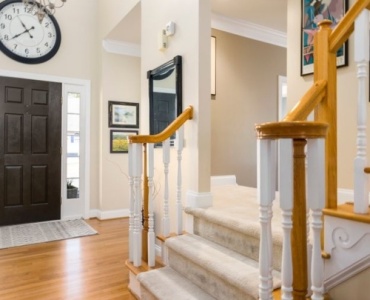
Entry and Mudroom: Where Order Begins
The front door can make or break your day. If you want to know how to create a family‑friendly interior that curbs chaos, start here.
- Hooks and Lockers: Install low, sturdy hooks for kids and taller options for adults. Individual cubbies prevent pileups.
- Bench with Storage: A bench with pull‑out drawers corrals shoes. Choose durable, easy‑clean materials like powder‑coated metal or sealed wood.
- Family Command Center: Mount a calendar, mail sorter, and charging station to centralize logistics.
- Flooring: Use porcelain tile, sealed concrete, or luxury vinyl tile (LVT) with a washable indoor/outdoor rug.
Open‑Plan Living: Create Clear Zones
In open spaces, define activity areas with rugs, lighting, and furniture placement. This approach is central to how to create a family‑friendly interior that keeps sightlines open while preventing visual noise.
- Conversation Zone: Float a sectional and two chairs on a durable rug to anchor seating.
- Play/Teen Hang Zone: Dedicate a corner with a soft rug, storage wall, and media console; later, swap toy bins for board games and consoles.
- Quiet Nook: Tuck in a small desk or lounge chair with a lamp for reading and homework.
Kitchen and Dining: The Real Living Room
Design the heart of the home for multi‑tasking and togetherness.
- Island Seating: Use wipeable stools and deep drawers for snackware. Keep kid‑safe plates in low drawers.
- Family Table: An extendable, solid‑wood table with a forgiving finish supports dinner, crafts, and homework.
- Durable Surfaces: Quartz or ultra‑compact sintered stone resists stains; matte finishes hide fingerprints.
- Message Center: A chalkboard or magnetic wall controls paper clutter without sacrificing style.
Play Spaces that Grow into Teen Lounges
If you’re mapping out how to create a family‑friendly interior that lasts, give kids their own zone—then future‑proof it.
- Modular Storage: Cube systems with bins evolve from toys to books and tech.
- Soft Flooring: Large washable rugs protect knees now and floors later.
- Convertible Seating: A sleeper sofa or oversized floor cushions pivot from story time to sleepovers.
Homework Stations and Focus Nooks
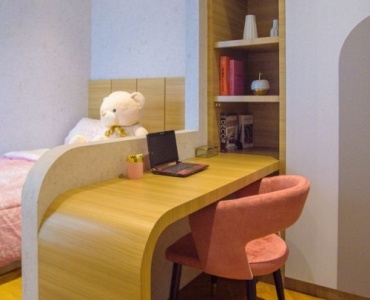
Build quiet into the plan. Even a small wall‑mounted desk and sconce can boost focus and free the dining table. This zoning is a hallmark of how to create a family‑friendly interior that supports both play and productivity.
Materials and Finishes that Survive Childhood—and Still Shine
You don’t need to plastic‑wrap your life. Choose finishes that are as good‑looking as they are hardworking.
Upholstery That Laughs at Spills
- Performance Fabrics: Crypton, stain‑guarded polyester, and solution‑dyed acrylics clean with water and resist odors.
- Slipcovers: Tailored, washable slipcovers give you design flexibility and easy upkeep.
- Pattern and Texture: Nubby weaves and heathered tones disguise wear and stains.
Floors and Rugs: Tough, Quiet, and Comfortable
- Engineered Wood or LVP: Warmth plus durability; opt for matte finishes and medium tones.
- Washable Area Rugs: Layer on flatweaves or machine‑washable rugs; use a cushioned pad.
- Tile in Wet Zones: Slip‑resistant porcelain for baths, laundry, and entries.
Kitchen and Bath Surfaces
- Countertops: Quartz, porcelain slabs, or Dekton for stain and scratch resistance.
- Cabinet Finishes: Satin or matte lacquer hides smudges better than high gloss.
- Hardware: Rounded pulls and soft‑close hinges are safer and quieter.
Paints and Wall Treatments
- Washable Paint: Scrubbable, low‑VOC formulas in eggshell or satin finish.
- Wall Panels: Beadboard, wainscoting, or washable wallcoverings in high‑traffic halls.
- Chalk/Magnetic Paint: Turn a panel into a creativity zone without visual clutter.
Pet‑ and Allergy‑Friendly Choices
- Low‑Pile Rugs: Easier to vacuum; wool blends resist stains naturally.
- Hypoallergenic Bedding: Washable duvets and dust‑mite‑resistant covers.
- Hard Floors with Area Rugs: Best combo for air quality and easy cleaning.
Storage That Actually Works
Clutter is inevitable; chaos is optional. Smart storage is the engine of a calm, family‑first home and a key tactic in how to create a family‑friendly interior.
Mix Open and Closed Storage
- Open Shelves: Display books, plants, and art. Use baskets to corral small items.
- Closed Cabinets: Hide visual noise—board games, craft supplies, consoles.
- Under‑Seat Storage: Ottomans and window benches store blankets and toys.
Toy Rotation and Labeling
- Rotation Bins: Keep 70% stored; 30% out for play. Swap weekly to maintain novelty.
- Picture Labels: For pre‑readers, use icons and colors so clean‑up is independent.
Vertical and Hidden Spots
- Backs of Doors: Over‑door racks for shoes, art supplies, or sports gear.
- Stair Risers and Under‑Stair Nooks: Pull‑out drawers or a reading cubby.
- Built‑Ins Around Doors/Windows: Create floor‑to‑ceiling storage without shrinking walkways.
Safety by Design—Without Compromising Style
Invisible safety is the secret sauce of any home designed to grow with your family. It’s foundational to how to create a family‑friendly interior you can relax in.
- Anchor Everything: Secure bookcases, dressers, and TVs to studs.
- Round It Off: Choose rounded edges on coffee tables and countertops or add discreet corner guards.
- Soft‑Close Hardware: Prevent pinched fingers and cut noise.
- Smart Outlets and Cord Management: Tamper‑resistant outlets; hide cords in channels; mount charging hubs up high.
- Non‑Slip Pads: Under rugs and on stair treads.
- Clear Sightlines: Avoid tall partitions that block supervision in play areas.
Color, Pattern, and Personality Across the Years
Family‑friendly doesn’t mean colorless. Plan your palette to flex with changing tastes.
Build a Timeless Base
- Neutral Envelope: Soft whites, warm beiges, or gentle greiges on walls and big pieces.
- Layered Color: Add saturated color in art, pillows, drapery, and rugs that are easy to swap.
- The 60/30/10 Rule: 60% neutral, 30% secondary, 10% accent to keep balance.
Kids’ Rooms That Grow
- Big‑Kid Bed Early: Choose a twin‑over‑full bunk or daybed with trundle for sleepovers.
- Statement Wall: One playful wallpaper or mural—easy to update later.
- Personalization: Cork strips, gallery rails, or pegboards to display evolving interests.
Teen‑Approved Updates Without Renovation
- Upgrade Lighting: Add a dimmable pendant and LED strip lights for mood.
- Zone the Room: A compact desk, lounge chair, and bed canopy define function and style.
- Textile Refresh: Swap bedding and curtains for an instant grown‑up vibe.
Furniture Strategy: Buy Once, Use Often
Invest where it matters and choose pieces that adapt. This is a practical answer to how to create a family‑friendly interior without non‑stop spending.
Modular and Multifunctional Pieces
- Sectionals with Chaise: Rearrange for movie night, play forts, or guests.
- Lift‑Top Coffee Tables: Double as homework desks and game tables.
- Nesting Tables: Pull out as needed; tuck away to clear floors.
Dining That Works Overtime
- Extension Tables: Seat a crowd on holidays but fit daily life.
- Bench Seating: Squeezes in extra kids and is easy to slide under the table.
- Performance Upholstery: Wipeable faux leather or coated fabrics on dining chairs.
Sleep Solutions with Flex
- Trundles and Daybeds: Host cousins and friends without a guest room.
- Loft Beds: Create a micro‑study beneath for small rooms.
Outdoor Living, Family Edition
- Indoor‑Outdoor Fabrics: Solution‑dyed acrylic cushions shrug off sun and spills.
- Deck Zones: Dining, lounge, and play areas keep everyone happy outside.
Lighting, Acoustics, and Air Quality
Comfort goes beyond looks. Your family’s well‑being depends on the invisible systems that make spaces feel great.
Layer Your Lighting
- Ambient: Overhead fixtures or cove lighting for general glow.
- Task: Lamps and under‑cabinet lights for reading and prep.
- Accent: Picture lights and sconces add depth and mood.
- Dimmers Everywhere: One of the simplest upgrades for family flexibility.
Manage Sound
- Textiles: Rugs, curtains, and upholstered panels dampen echoes.
- Soft‑Close: Doors, cabinets, and toilet seats reduce noise.
- Zoning: Put loud zones away from bedrooms and study areas.
Healthy Air
- Low‑VOC Materials: Paints, adhesives, and finishes that off‑gas less.
- Ventilation: Range hoods vented outside; bathroom fans with timers.
- Plants: Add biophilic elements for well‑being and connection to nature.
Smart Home, Smarter Routines
Technology, when thoughtfully chosen, supports safety and sanity.
- Smart Locks: Track entries and give teens temporary codes.
- Thermostats: Schedules keep temps comfy and energy use in check.
- Lighting Scenes: One tap for “Homework,” “Dinner,” and “Wind‑Down.”
- Parental Controls: Manage screen time at the router level.
- Leak and Smoke Sensors: App alerts for peace of mind.
Budgeting and Phasing Your Family Home
If you’re puzzling out how to create a family‑friendly interior on a real‑world budget, phase the project so your home evolves in lockstep with your family.
Where to Splurge vs. Save
- Splurge: Sofas, mattresses, flooring, window treatments, and lighting.
- Save: Side tables, accent decor, kids’ art frames, and playroom rugs.
Phase Plan by Age
- Toddler (0–4): Safety gates, washable rugs, anchored storage, rounded furniture.
- Grades (5–10): Homework nooks, sports storage, duty‑specific lighting.
- Pre‑Teen to Teen (11–18): Study stations, lounge seating, privacy solutions, tech management.
Rental‑Friendly and Small‑Space Solutions
Not owning or not sprawling? You can still master how to create a family‑friendly interior.
- Temporary Tricks: Peel‑and‑stick tile, wallpaper, and backsplash panels.
- Freestanding Storage: Bookcases as room dividers; rolling carts for crafts.
- Fold‑Down Furniture: Drop‑leaf tables and wall‑mounted desks.
- Vertical Thinking: High shelves and over‑door organizers free floor space.
Cleaning, Maintenance, and Family Systems That Stick
Design can lighten your cleaning load. Build habits and systems into the home itself.
- Daily Reset Bins: One per room; five‑minute family tidy before bed.
- Laundry Flow: Hampers by person; label shelves; dedicate a folding surface.
- Chore Charts by Age: Picture charts for young kids; app reminders for teens.
- Wash Zones: Utility sink or mudroom wash station for sports gear and art supplies.
- Maintenance Calendar: Seasonal reminders for filter changes, grout sealing, and upholstery cleaning.
Mini Case Studies: From Toddler‑Proof to Teen‑Approved
The Living Room Flip
Before: Bulky sofa, glass coffee table, toy overflow. After: A performance‑fabric sectional faces a low, rounded wood table with storage baskets beneath. A washable 9×12 rug anchors zones; toys migrate to a wall of mixed open/closed cabinets. When teens arrive, the same setup gains a projector, gaming storage inserts, and dimmable sconces—no major purchases required.
Homework Nook in a Hallway
Before: Dead hallway space. After: A 14‑inch‑deep wall desk with two stools, pegboard, and an LED strip becomes a quiet study lane. Headphones hang on hooks; a charging drawer hides cords. This simple move exemplifies how to create a family‑friendly interior in tight quarters.
Playroom to Teen Studio
Before: Foam tiles, toy mountain. After: Cube storage with labeled bins, a fold‑out craft table, and gallery rails for art. In high school, the craft table becomes a music production desk; bins now store cables and gear. Same bones, new function.
How to Create a Family‑Friendly Interior: A Room‑by‑Room Game Plan
Here’s a concise, actionable blueprint for how to create a family‑friendly interior you can implement this month.
Entry
- Install double‑height hooks and a bench with drawers.
- Add a washable rug and a wall‑mounted charging shelf.
Living Room
- Choose a performance‑fabric sectional and round‑edge tables.
- Zone with a large washable rug and a floor lamp.
- Mix open shelves with concealed cabinets for clutter control.
Kitchen/Dining
- Use durable countertops and soft‑close cabinets.
- Designate a snack drawer at kid height and a family calendar wall.
- Pick an extendable table and wipeable seating.
Kids’ Bedrooms
- Invest in beds with storage and a desk with proper task lighting.
- Limit theme decor to removable elements.
Bathrooms
- Non‑slip mats, soft‑close toilet seats, and labeled baskets.
- Install hooks over bars for easier towel hang‑ups.
Outdoors
- Define play, lounge, and dining zones with washable cushions.
- Store gear in deck boxes; hang garden tools on wall racks.
Frequently Asked Questions
What’s the fastest way to make my home more kid‑friendly without a full redesign?
Focus on the entry, living room, and dining table. Add hooks and a bench, swap to a washable rug, and introduce concealed storage. These three moves deliver an instant win and demonstrate how to create a family‑friendly interior with minimal disruption.
Can I keep a light sofa with children?
Yes—choose a performance fabric in a heathered or slightly textured weave, add a stain warranty, and keep an upholstery spot cleaner on hand. Pair with a dark or patterned rug for balance.
How do I balance toys with adult style?
Use a 70/30 rule: 70% closed storage to hide clutter, 30% open for curated display. Limit the number of toys out at once via rotation.
What paint finish is best for families?
Scrubbable eggshell or satin on walls; semi‑gloss on trim and doors. Choose low‑VOC for better indoor air quality.
How do I future‑proof a nursery?
Pick a dresser that converts to a changing station, a neutral wall color, blackout shades, and a rug large enough to work with a future twin or full bed layout.
Your 10‑Step Starter Checklist
Use this quick checklist as your on‑ramp to how to create a family‑friendly interior that feels calm, cohesive, and ready for real life.
- Assess: List pain points by room (clutter, traffic, cleaning, safety).
- Zone: Define activity zones and mark them with rugs and lighting.
- Anchor: Secure tall furniture and mount TVs.
- Upgrade Fabrics: Choose performance upholstery and washable rugs.
- Mix Storage: Combine open shelves and closed cabinets; label bins.
- Light in Layers: Add task lamps and dimmers.
- Surface Smarts: Durable counters, satin paint, soft‑close hardware.
- Tech Tidy: Centralize charging; hide cords.
- Routine Ready: Create a command center and establish daily resets.
- Plan Phases: Map upgrades by life stage and budget.
Conclusion: A Home That Grows With You
Designing for kids is not a style sacrifice; it’s a design superpower. When you choose durable materials, build in smart storage, layer lighting, and plan flexible zones, you’ve mastered how to create a family‑friendly interior that’s as good for toddlers as it is for teens—and still gorgeous for you. Start with one room, implement a few of the strategies above, and watch your home become calmer, more capable, and unmistakably yours.