In an era of constant pings and endless feeds, carving out a place where your mind can settle and produce meaningful work is both a luxury and a necessity. This guide shows how to create interiors that support concentration at home—spaces built for deep work, flow, and mental clarity. We blend cognitive science with practical interior decisions: acoustic layers, lighting design, ergonomics, color psychology, material choices, and rituals that turn any spare corner into a high-performance focus zone.
Why Deep Work Needs Its Own Design Language
Deep work is the practice of engaging in cognitively demanding tasks without distraction. Unlike casual browsing or email triage, deep work requires your environment to reduce cognitive load and filter sensory noise. When your surroundings are thoughtfully tuned, you access more focus, maintain energy, and produce higher-quality outcomes. Thoughtful choices turn ordinary rooms into interiors that support concentration by minimizing friction and maximizing attention.
Cognitive Load and Sensory Gating
Your brain works best when it can gate irrelevant stimuli. Every visual mess, subtle hum, or uncomfortable chair taxes your working memory. By reducing sensory clutter—simplifying sightlines, absorbing noise, smoothing lighting—you expand cognitive bandwidth. This is the foundational logic behind interiors that support concentration: design becomes a silent partner to your thinking.
The Hidden Architecture of Attention
Attention thrives on clarity and predictability. That means dedicated zones, consistent cues, and repeatable routines. Think of your space as an attentional interface. When designed with intention, your desk, lighting, materials, and storage all signal: this is where focus lives. Over time, these signals form habits, making deep work easier to start and sustain.
Principles of a Focus-First Home Environment
Before choosing furniture or paint, set the rules your space will follow. The following principles underpin interiors that support concentration:
- Visual quiet: Clean sightlines, limited patterns, hidden cords, restrained color palette.
- Acoustic softness: Layered sound control through textiles, seals, and intentional sound masking.
- Lighting hierarchy: Daylight management, low-glare task lighting, dimmable ambient sources.
- Ergonomic neutrality: Comfortable posture, easy reach, tactile stability to reduce fidgeting fatigue.
- Boundaries and cues: Clear entrance, distinct work surface, ritualized start/stop signals.
- Frictionless order: Close-by storage, easy resets, cable hygiene, purposeful minimalism.
Choosing the Right Spot at Home
The best location is the quietest one you’ll actually use consistently. A spare room is ideal, but a niche, alcove, or even a corner can become interiors that support concentration when planned with intent.
Assess Light, Noise, and Foot Traffic
- Light: South- or east-facing windows bring stable daylight; if glare is intense, select adjustable shades.
- Noise: Map daily sound patterns. Avoid shared walls with kitchens, living rooms, or laundry machines if possible.
- Flow: Choose low-traffic zones where movement won’t pull your attention.
Once you’ve shortlisted a spot, sit there for 15 minutes at different times of day. Notice what distracts you: glare, hum, visual clutter. These observations will guide the design of interiors that support concentration tailored to your home.
Acoustic Calm: Quiet by Design
Sound is one of the biggest productivity killers. Hard surfaces bounce noise, while soft, porous materials absorb it. To create interiors that support concentration, build a layered acoustic strategy:
Layered Sound Strategy
- Seal leaks: Weatherstripping around doors, door sweeps, and thick curtains reduce transmission.
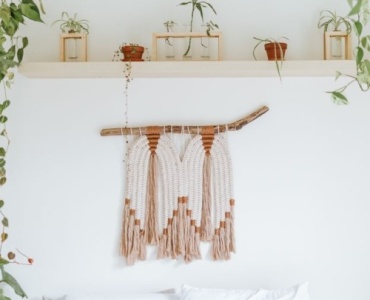
- Soften surfaces: Rugs with dense underlays, upholstered chairs, fabric wall hangings, and filled bookcases minimize echo.
- Strategic panels: Acoustic panels at first reflection points (behind/adjacent to your desk) reduce flutter echo.
- Sound masking: Low-level pink noise or nature sounds can gently mask intermittent disruptions.
If you share space, communicate quiet hours and use visual indicators (a closed door, a desk light) that your deep work session is on. Acoustic intent is central to interiors that support concentration and often the highest-ROI upgrade after lighting.
Light That Sharpens the Mind
Light directs circadian rhythms and visual comfort. Your lighting plan should combine daylight management with task-focused illumination and adjustable ambient light to create interiors that support concentration across the day.
Daylight Management
- Diffuse glare: Use translucent roller shades or light-filtering curtains to soften direct sun without darkening the room.
- Positioning: Place your desk perpendicular to windows to avoid screen glare and squinting.
- Consistent brightness: If daylight fluctuates, supplement with dimmable lamps to maintain steady luminosity.
Task and Ambient Lighting
- Task light: A focused, low-glare desk lamp with a high CRI (90+) keeps colors true and text crisp.
- Ambient glow: Indirect floor or wall lights reduce contrast and prevent eye strain.
- Tunable options: Cooler light in the morning for alertness, warmer in late afternoon for calm wrap-up.
Thoughtful lighting reduces fatigue and increases reading comfort, a hallmark of interiors that support concentration that perform well over long sessions.
Ergonomics and Spatial Layout
Physical discomfort is a silent saboteur. Ergonomic neutrality lets your mind lead. Well-planned layouts are non-negotiable for interiors that support concentration.
Seat, Desk, and Posture
- Chair: Adjustable seat height, lumbar support, and breathable upholstery. Hips slightly above knees.
- Desk height: Elbows at 90 degrees, wrists neutral. Consider a sit-stand option if you switch tasks often.
- Screen placement: Top of the monitor at eye level, about an arm’s length away. Use a stand if needed.
- Foot support: A footrest can reduce lower-back strain and improve circulation.
Power, Cables, and Peripheral Placement
- Cable hygiene: Route cords behind furniture, use cable sleeves and adhesive clips. Visual calm equals mental calm.
- Within reach: Keep essential tools (notebook, pen, headphones) in the primary reach zone to reduce micro-friction.
- Dedicated docking: A charging station and a laptop stand make transitions seamless.
When everything has its place and your body is supported, your space becomes one of those rare interiors that support concentration you look forward to using daily.
Color, Material, and Texture
Colors influence arousal levels. Materials and texture shape how a room feels. Selecting them deliberately yields interiors that support concentration that are calm yet alive.
Low-Stimulus Palettes
- Base tones: Soft neutrals—warm grays, muted taupes, gentle greiges—promote visual quiet.
- Accent discipline: One restrained accent (deep green, inky blue) is enough to anchor the room.
- Matte finishes: Reduce glare and reflections that compete for your eye.
Tactile Grounding
- Natural materials: Wood grain, cork, linen, and wool subtly stimulate without overwhelming.
- Temperature and touch: A warm desk surface (wood or linoleum) feels more inviting than glass.
- Anti-micro-distraction: Avoid fussy textures that collect dust or reflect harshly.
The right palette and textures invite attention to settle, a quiet superpower of interiors that support concentration.
Biophilic Design for Attention
Biophilic elements—plants, natural light, water patterns—reduce stress and improve cognition. A living element can turn ordinary rooms into interiors that support concentration with minimal effort.
- Greenery: Low-maintenance species like snake plants or pothos purify air and add soft visual interest.
- Natural references: Wood desks, stone coasters, or botanical art connect your senses to nature.
- Sightlines to outdoors: Even a glimpse of sky enhances restoration during micro-breaks.
Technology Hygiene and Digital Boundaries
Even a perfectly designed room fails if your devices overwhelm you. To preserve interiors that support concentration, practice tech hygiene:
- Single-task setup: Full-screen windows, focus modes, and notifications off by default.
- Physical dock: A tray or drawer for your phone; out of sight during deep work blocks.
- App gating: Use website blockers and scheduled do-not-disturb to protect your best hours.
Storage, Minimalism, and Visual Quiet
Disorder is persistent background noise. Smart storage transforms chaos into interiors that support concentration that reset in seconds.
- Closed storage: Cabinets or boxes hide nonessential items and tame visual clutter.
- Open storage with purpose: Reserve for active projects or reference books that inspire.
- End-of-day reset: A five-minute tidy ritual clears surfaces and signals closure.
Zoning and Micro-Rituals
Zoning is how you map functions to space. Rituals are how you map time to intention. Together, they lock in interiors that support concentration.
- Clear entry: A small rug, a lamp, or a shelf that marks your focus zone boundary.
- Start ritual: Light your task lamp, set a timer, place your notebook open to a prepared page.
- End ritual: Close tabs, stack materials, dim lights, and note tomorrow’s first task.
Designing for Households and Small Spaces
Not everyone has a spare room. You can still craft interiors that support concentration in compact homes.
Shared Apartments
- Foldaway desks: Wall-mounted drop-leaf tables create instant work zones.
- Screen separators: Lightweight folding screens or bookshelves divide visual fields.
- Signal system: A small desk light or wearable indicator tells others you’re in focus mode.
Parents and Caregivers
- Layered backups: Noise-canceling headphones plus gentle white noise for interruptions.
- Time-boxed sprints: 25–50-minute work blocks aligned with nap or play schedules.
- Kid-aware organization: Lockable drawers keep fragile tools safe and out of sight.
Constraints often spark the most creative interiors that support concentration—stackable solutions, mobile caddies, and convertible furniture make focus portable.
Neurodiversity-Informed Focus Spaces
Attention needs vary. Neurodivergent individuals may be more sensitive to sound, light, or texture. Inclusive interiors that support concentration offer adjustable controls:
- Lighting choice: Dimmer switches, color-tunable bulbs, and task lights with adjustable arms.
- Sound flexibility: High-quality headphones, dense rugs, and readily deployable acoustic panels.
- Texture sensitivity: Low-pile rugs, matte surfaces, and predictable patterns reduce overwhelm.
- Predictable organization: Labeling and clear containers support executive function.
Budget vs. Premium: What to Prioritize
You don’t need a massive budget to build interiors that support concentration. Invest where returns are highest:
- High ROI essentials: A supportive chair, a good desk lamp, and a large rug for acoustic control.
- Mid-tier upgrades: Monitor stand, cable management kits, and blackout/filtered shades.
- Premium layers: Custom acoustic panels, sit-stand desk with memory presets, designer task lighting.
A 7-Step Plan to Build Your Focus Room This Weekend
- Audit your space: Sit in your chosen spot for 15 minutes. Note noise, glare, clutter, and comfort.
- Clear the canvas: Remove everything you don’t need. Wipe down surfaces. Coil and label cables.
- Lay the rug: Add a dense rug or rug pad. It anchors the zone and softens sound.
- Place the desk and chair: Position perpendicular to windows; adjust chair and monitor height.
- Install lighting: Add a CRI 90+ task lamp and one ambient light on a dimmer.
- Organize essentials: Use a desk caddy, a document tray, and a closed drawer for overflow.
- Define rituals: Set a start cue (turn on lamp, timer) and an end cue (tidy, write tomorrow’s top task).
In a single weekend, you can transform a corner into interiors that support concentration that feel purposeful and calm.
Common Mistakes and How to Avoid Them
- Overdecorating: Too many prints, colors, or knick-knacks create visual noise. Choose a few meaningful pieces.
- Ignoring acoustics: No rug, bare walls, and hollow-core doors amplify distractions. Add soft layers first.
- Harsh lighting: Cold overheads with glare fatigue your eyes. Use diffused ambient light plus targeted task light.
- Cable clutter: Visual chaos saps focus. Hide, bundle, and label.
- No reset routine: Without an end ritual, clutter creeps back. Five minutes saves hours later.
Maintenance: Keep the Space Quiet
Great interiors that support concentration are sustained by tiny habits:
- Weekly sweep: Dust, vacuum the rug, wipe screens, and purge stray papers.
- Quarterly tune-up: Reassess chair comfort, bulb brightness, and desk layout.
- Tech refresh: Archive old files, update blockers, and refine your focus-mode presets.
Case Studies: Focus-Forward Transformations
The Spare Bedroom Studio
Problem: Echoey box room with blinding afternoon sun. Solution: A dense rug, two acoustic panels behind the chair, and light-filtering roller shades. A warm-wood desk perpendicular to the window with a CRI 95 desk lamp. A closed cabinet hid tech gear. Result: A serene, reliable space—a textbook example of interiors that support concentration.
Alcove in a Living Room
Problem: Visual and auditory distractions. Solution: A folding screen created a visual boundary; a bookshelf behind the screen added absorption. A drop-leaf wall desk and a task lamp carved out a micro-office. A start ritual—lamp on, timer set—trained the brain. Outcome: A compact, cost-effective zone that delivered consistent focus.
Studio Apartment Corner
Problem: No separation between rest and work. Solution: A platform rug defined the work area, a slimline credenza provided closed storage, and a phone dock kept the device out of reach. The person used headphones and soft rain sounds for masking. Over time the corner became their mental switch, proof that small moves can yield interiors that support concentration.
Advanced Tips for Power Users
- Secondary micro-zone: A standing counter for brainstorms to refresh posture without leaving the room.
- Analog dashboard: A single corkboard with a weekly view reduces tab-hopping and keeps priorities visible.
- Color temperature schedule: Automate lights to cooler mornings and warmer late afternoons.
- Quiet ventilation: Choose fans and air purifiers rated for low decibels to maintain acoustic calm.
- Paperless capture: A high-quality scanner app or small scanner eliminates paper piles.
Psychology of Entry and Exit
Spaces teach behavior. Entry cues prime your brain to focus; exit cues allow decompression. In well-designed interiors that support concentration:
- Entry: Turn on a specific lamp, put on headphones, open a single document full screen.
- Exit: Close tabs, jot next steps, dim the lights, and physically leave the zone.
This predictability reduces decision fatigue and makes deep work repeatable.
Sustainability and Health Considerations
Healthy, planet-friendly choices elevate the feel of interiors that support concentration:
- Low-VOC finishes: Paints and sealants that won’t off-gas and distract with odor or cause headaches.
- Natural fibers: Wool, cotton, linen for rugs and curtains improve tactile comfort and air quality.
- Durability: Buy fewer, better items—sturdy chairs, timeless lamps, modular storage.
Measuring What Works
Design is iterative. Track how your interiors that support concentration perform:
- Focus logs: Rate each session (1–5) and note any friction (noise, glare, clutter).
- Task velocity: Compare time-to-completion before and after changes.
- Energy check: Note physical comfort and eye strain at 30, 60, and 90 minutes.
Use these insights to tweak lights, seating, and storage until your space consistently supports deep work.
Quick Checklist: Build Your Focus Sanctuary
- Dedicated location with low traffic
- Rug or acoustic softening layer
- Perpendicular desk-to-window layout
- High-CRI task light + dimmable ambient
- Ergonomic chair and correct monitor height
- Cable management and closed storage
- Biophilic touch (plant, wood, sky view)
- Phone dock out of sight
- Start and end rituals
- Weekly reset practice
Conclusion
Designing a calm, distraction-free home workspace is about orchestrating light, sound, posture, and order so your mind can thrive. Whether you have a spare room or a tiny alcove, the principles here can transform any area into interiors that support concentration. Start with acoustics and lighting, anchor with ergonomics and storage, then reinforce with rituals. When your environment quietly says focus, your best work becomes inevitable.