Your toddler’s bedroom works hard. It’s a sleep sanctuary, a mini classroom, an art studio, and a playground—all in a footprint that often has to store clothes, books, toys, and big feelings. If you’re looking for Functional and safe toddler room ideas that won’t feel outdated in a year, you’re in the right place. This comprehensive guide shows you how to plan a room that’s practical, secure, and stylish today, and adaptable for tomorrow.
Why a Toddler Room That Grows Matters
Toddlers change fast—developmentally, physically, and emotionally. Designing a space that anticipates those shifts makes life smoother and saves money. A room that supports independent play, easy cleanup, and soothing routines can foster confidence, reduce daily friction, and help everyone sleep better.
- Consistency: Predictable zones and routines help toddlers feel secure.
- Autonomy: Low storage, visual labels, and accessible play areas encourage independence.
- Longevity: Convertible furniture and removable decor keep your investment relevant.
- Calm: A thoughtful palette, soft textures, and dimmable lighting support naps and nights.
- Safety: Childproofing protects curious explorers without stifling curiosity.
Start with Safety: The Non‑Negotiables
Any list of functional and safe toddler room ideas must begin with rock‑solid safety. A secure environment lets your child explore freely while giving you peace of mind.
Anchor and Secure Furniture
- Anti-tip straps: Secure dressers, bookcases, wardrobes, and changing units to studs with anti‑tip kits.
- Stable bases: Choose wide, low furniture over tall, narrow pieces that can wobble.
- Soft-close hardware: Reduce pinched fingers with soft‑close drawers and hinges.
- Corner guards: Soften sharp corners on tables and shelves at toddler height.
Windows, Cords, and Electricity
- Window safety: Add window guards or stops; avoid placing beds or climbable furniture beneath windows.
- Blind cords: Install cordless shades or use cord cleats and wind-ups to eliminate dangling loops.
- Outlet covers: Use tamper‑resistant outlets or sliding outlet covers on all unused plugs.
- Cable management: Bundle and mount cords (lamps, monitors, sound machines) out of reach.
Materials and Air Quality
- Low‑VOC finishes: Choose VOC‑free or low‑VOC paints and sealants; let the room air out before use.
- Certified materials: Look for GREENGUARD Gold, OEKO‑TEX, or FSC certifications to reduce off‑gassing and ensure responsible sourcing.
- Air filtration: Consider a HEPA air purifier and regular dusting with a damp cloth to reduce allergens.
- Washable textiles: Opt for machine‑washable curtains, pillow covers, and rugs to simplify cleanups.
Quick Safety Checklist:
- Anchor all furniture; use compliant anti‑tip restraints.
- Install window guards and secure blind cords.
- Cover outlets and manage cables; keep chargers out of reach.
- Choose non‑toxic paint and certified furnishings.
- Use door pinch guards to protect little fingers.
- Keep small objects and button batteries out of the room.
Layout That Supports Independence
Functional toddler spaces work because they’re simple to navigate. Map the room into activity zones—sleep, dress, read, and play—so your child intuitively knows what happens where.
Define Clear Zones
- Sleep zone: Bed, soft rug, blackout curtains, and a dimmable lamp or nightlight.
- Dressing zone: Dresser, hamper, and a low hook for tomorrow’s outfit.
- Reading nook: Floor cushions or a small chair, front‑facing bookshelf, and warm task light.
- Play and learn: Open shelves, toy bins, and a table for art or building.
- Calm corner: A cozy spot with sensory tools for big feelings.
Montessori‑Inspired Floor Bed
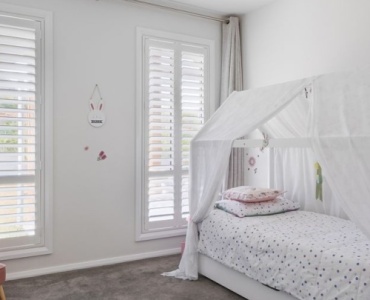
A floor bed or low toddler bed promotes independence by letting your child get in and out safely. Pair it with a firm mattress, a breathable area rug for soft landings, and a minimalist setup to avoid overstimulation. This gentle approach fits seamlessly into many functional and safe toddler room ideas because it prioritizes autonomy and safety together.
Open Storage and Toy Rotation
- Low shelves: Display a few toys at a time in shallow bins; store extras out of sight to rotate weekly.
- Visual labels: Use pictures and words on bins so toddlers can put toys away independently.
- Book display: Forward‑facing shelves encourage reading and make titles easy to choose.
Circulation and Clear Pathways
Leave a 24–36 inch walkway from door to bed and from bed to bathroom. Avoid trip hazards with a single, non‑slip rug or rug tape. Keep the center of the room open for gross motor play.
Smart, Convertible Furniture
Investing in pieces that adapt as your child grows is the cornerstone of genuinely functional and safe toddler room ideas. Choose furniture that transforms without sacrificing stability.
- Convertible bed: Crib‑to‑toddler conversions can later transition to a twin; alternatively, start with a low twin and guardrail.
- Loft or trundle (for later years): Around age 6+, a low loft can add play or desk space; trundles offer sleepover flexibility.
- Dresser changing topper: Use a removable topper now; you’ll have a classic dresser later.
- Adjustable wardrobe: Install a second low rod; remove it later to hang longer clothes.
- Grow‑with‑me desk and chair: Height‑adjustable pieces extend usability from toddler crafts to homework.
- Stackable stools and soft cubes: Serve as seats, steps (with adult supervision), and play props.
- Modular shelving: Add or remove cubes to fit changing needs and layouts.
Storage Solutions That Tame Clutter
Clutter is the enemy of calm. Thoughtful storage makes daily cleanup a five‑minute task and keeps the focus on play and rest.
Labels and Visual Cues
- Picture labels: Photos or icons plus words support pre‑readers and early literacy.
- Color coding: Assign colors to categories—green for animals, blue for blocks—to speed up tidying.
- Clear bins: Transparent containers remove guesswork and prevent dumping.
High vs. Low Storage
- Low: Daily toys, books, and stuffed animals within easy reach.
- High: Art supplies, small‑part puzzles, and seasonal items stored up high and out of reach.
Hidden Storage Ideas
- Under‑bed drawers: Store spare bedding, out‑of‑season clothes, or bulky toys.
- Storage ottoman or bench: Doubles as seating and a place for blocks or dress‑up clothes.
- Wall‑mounted baskets: Keep stuffed animals corralled and off the floor.
Small Room Strategies
- Vertical space: Pegboards, wall ledges, and tall cabinets (anchored) free floor area.
- Mirrors: A shatter‑resistant mirror mounted low expands the sense of space and supports self‑care routines.
- Door backs: Over‑door hooks and pocket organizers add storage for light items.
Color, Texture, and Theme
Style evolves, especially for toddlers. Create a flexible foundation and layer in personality with items you can swap easily.
Calming Base, Playful Layers
- Neutral base: Soft whites, warm beiges, or muted pastels keep the room calm.
- Color pops: Add vibrancy through art, bedding, and toys—simple to refresh later.
- Texture mix: Cotton, wool blends, and woven baskets add visual interest without busy patterns.
Gender‑Neutral Themes That Grow
- Nature & discovery: Leaves, constellations, and animals that move from toddler to school‑age.
- Shapes & color theory: Geometric decals and color wheels build early learning into decor.
- Travel & maps: Globes, simple maps, and postcards invite questions and storytelling.
Removable Decor
- Wall decals: Repositionable decals are renter‑friendly and mess‑free.
- Gallery rails: Swap kid art and photos without new holes.
- Rugs and throws: Seasonal textiles can change the vibe on a budget.
Rugs and Textiles
- Low‑pile, washable rugs: Easy to clean and safer for little feet.
- Hypoallergenic fills: Choose OEKO‑TEX certified covers and inserts.
- Window treatments: Blackout curtains for sleep; cordless shades for safety.
Lighting That Works 24/7
Layered lighting supports play, reading, and rest. Aim for warm bulbs (2700–3000K) to create a cozy, sleep‑friendly atmosphere.
- Ambient: Ceiling fixture with a dimmer sets the mood for bedtime.
- Task: A clip‑on or sconce near the reading nook (with hidden cords).
- Accent: String lights or a soft nightlight for comfort and nighttime check‑ins.
- Blackout solutions: Layer shades and curtains for naps and early sunrises.
Sleep‑Friendly Details
Good sleep starts with environment. Build routines into the design so the room cues your toddler that it’s time to wind down.
- White noise: A steady hum can buffer household sounds; place the machine away from the bed.
- Temperature: Maintain 65–70°F (18–21°C); a simple thermometer helps you monitor.
- Dimmer and warm light: Lower brightness 30 minutes before bedtime to encourage melatonin.
- Minimal distractions: Keep flashy toys and screens out of sight in the sleep zone.
Play and Learning Corners
Balanced functional and safe toddler room ideas include spaces for curiosity and creativity that are easy to clean and built for little hands.
Reading Nook
- Front‑facing bookshelf: Displays covers to entice reading.
- Cozy seating: Floor pillows, a small chair, or a pouf with a washable cover.
- Warm task lamp: Dimmable, with cords managed and out of reach.
Art Station
- Sturdy child‑height table: Easy‑wipe surface with rounded corners.
- Supply caddies: Clear bins for crayons, stickers, and paper; store messy paints up high.
- Display area: Cork board or magnetic strip to celebrate finished masterpieces.
Pretend Play and Sensory Bins
- Mini kitchen or tool bench: Choose nontoxic finishes and stable construction; anchor if heavy.
- Sensory bin rules: Use a lidded bin on a mat for easy cleanup; supervise with small parts.
- Rotation: Swap themes weekly—farm animals, vehicles, or nature finds—to keep engagement high.
Calm‑Down Corner
- Soft textures: Weighted lap pad (age‑appropriate), plush throw, and a small tent or canopy.
- Feelings tools: Picture cards, a simple timer, and a stuffed animal buddy.
- Gentle lighting: Warm nightlight or salt lamp creates a soothing glow.
Designing for Growth (1–6 Years and Beyond)
Plan your upgrades in phases to match milestones and budget. This is where functional and safe toddler room ideas really pay off—each change builds on the last.
- Toddler (1–3): Floor bed or low bed with guardrail; minimal toys on open shelves; soft play rug; blackout curtains.
- Preschool (3–5): Add a grow‑with‑me desk; expand dress‑up storage; introduce simple board games and puzzles (stored up high).
- Early school (5–7): Transition to a twin, consider a low loft; add a bulletin board for schedules and art; refine storage labels with words.
Sustainability and Health
Eco‑friendly choices align naturally with a safe, long‑lasting room.
- Secondhand smartly: Solid wood dressers or bookshelves can be great thrift finds—just check for stability and refinish with low‑VOC products.
- Quality over quantity: Fewer, better‑made toys and furnishings reduce clutter and waste.
- Washable everything: Slipcovers, duvet covers, and machine‑washable rugs simplify maintenance.
Routine Safety and Maintenance
Safety isn’t one‑and‑done. Create a simple schedule to keep the room in top shape.
- Monthly: Retighten furniture screws, check anti‑tip straps, and inspect window guards.
- Quarterly: Deep clean rugs and curtains; declutter and refresh toy rotation.
- Seasonally: Update clothing sizes and swap bedding weight; review cord management after any changes.
Budget and Planning Timeline
Turn inspiration into action with a phased approach that prioritizes safety and function first.
- Week 1: Plan and prep
- Measure the room; sketch zones.
- Choose a color palette and lighting plan.
- Order childproofing supplies and paint.
- Week 2: Safety and paint
- Paint with low‑VOC products; air out thoroughly.
- Install outlet covers, window guards, and anti‑tip brackets.
- Week 3: Core furniture
- Set up bed, dresser, and shelves; anchor every tall piece.
- Add blackout curtains and a dimmer switch.
- Week 4: Storage and decor
- Implement labels, bins, and toy rotation.
- Install decals, gallery rails, and reading nook lighting.
Real‑World Room Recipes
Small Space, Big Function
- Start with a low twin plus guardrail to avoid a future bed upgrade.
- Use under‑bed drawers for clothes; free the dresser for toys and books.
- Mount a narrow ledge for bedtime books; add a clip lamp with hidden cord.
- Pick a 5' x 7' washable rug to define play and protect floors.
Neutral Nature Nook
- Walls in warm white; leaf decals over the reading nook.
- Wooden low shelves with woven baskets; picture labels for toys.
- Modular table that adjusts height from toddler crafts to early homework.
- Blackout linen curtains with cordless operation.
Montessori‑Lean Minimalist
- Floor bed, one shelf, and a handful of curated toys.
- Wall mirror at child height with a low hook rail for self‑care.
- Neutral rug, soft lamp, and a calm‑down corner with a simple canopy.
Frequently Asked Questions
How can I make a toddler room both safe and stylish?
Prioritize childproofing first—anchored furniture, covered outlets, cordless shades—then layer style with washable textiles, art, and removable decals. Choose a timeless base (neutral paint, classic furniture) and add personality through accessories you can switch out easily.
What’s the best bed for a toddler?
A low toddler bed or floor bed supports independence and reduces fall risk. If you want longevity, a low twin with a guardrail offers years of use and can be dressed up with playful bedding.
How do I reduce clutter in a small toddler room?
Limit what’s out, rotate toys, and use labeled bins on low shelves. Store extras high or under the bed. Choose furniture with built‑in storage and use vertical solutions like pegboards and wall baskets.
Are nightlights okay for sleep?
Yes—pick a warm, very dim nightlight and avoid blue light. Place it away from the bed and pair with blackout curtains to control early morning light.
Which paint and materials are safest?
Look for VOC‑free or low‑VOC paint and certified materials such as GREENGUARD Gold and OEKO‑TEX. Allow 48–72 hours for curing and ventilate well before your child sleeps in the room.
How often should I update the room?
Let milestones guide changes—height adjustments for desks and hooks annually; expand storage or transition beds around ages 3–5; refine decor as interests evolve without altering the core layout.
The Ultimate Toddler Room Checklist
- Safety: Anti‑tip straps, window guards/stops, cordless shades, outlet covers, cable management, door pinch guards, non‑toxic paint.
- Sleep: Low bed with guardrail if needed, firm mattress, blackout curtains, dimmer, soft nightlight, white noise.
- Layout: Clear zones for sleep, dress, read, and play; open floor space; non‑slip rug.
- Storage: Low shelves, labeled bins, under‑bed drawers, high shelves for off‑limits items.
- Play/Learn: Reading nook, art station with washable surfaces, pretend play corner, calm‑down spot.
- Growth: Convertible bed, adjustable wardrobe rods, modular shelves, grow‑with‑me desk and chair.
- Maintenance: Monthly safety checks, quarterly deep cleaning, seasonal clutter audits.
Final Thoughts
Designing a room that feels beautiful, practical, and secure is absolutely doable. Focus on strong foundations—anchored furniture, smart storage, and a soothing palette—then layer in moments of joy: a beloved reading nook, art your child made, a cozy calm‑down corner. With these functional and safe toddler room ideas, you’ll build a space that supports independence today and adapts gracefully as your child grows—no costly redo required.