Design from the inside out is less about copying a look and more about listening — to your body, your daily rhythms, your memories, and your values. When you can name what truly supports and delights you, every choice becomes simpler. This article is a practical field guide to trusting your instincts, quieting external noise, and shaping a home that feels personal and alive. You will find clear exercises, room-by-room tips, and step-by-step processes for how to listen to yourself when designing a home and translate that inner voice into enduring design decisions.
What Inside-Out Design Really Means
Inside-out design starts with self-knowledge before paint swatches and product links. Instead of asking What is trending?, ask What do I need, what do I love, and how do I want to feel? Your answers become a north star for color, layout, materials, and decor. This intuitive approach is not anti-expertise — it uses expert tools to express your unique story.
- Personal over performative: Your home serves your life, not an audience.
- Feelings first, features second: Begin with mood, energy, and function; then source items that deliver them.
- Evidence from everyday life: Observe your habits; design to support them.
- Longevity by alignment: When choices match your values and routines, they last.
Why Listening to Yourself Matters
When you tune into your preferences and needs, you reduce indecision and post-purchase regret. The space becomes cohesive because it is organized around you — not fragmented trends. Learning how to listen to yourself when designing a home guards your budget, improves daily wellbeing, and makes your aesthetic naturally consistent over time.
- Less overwhelm: Clear criteria help you ignore 90% of the market.
- Better wellbeing: Rooms aligned with your sensory needs (light, sound, texture) regulate stress.
- Authentic style: Cohesion emerges from repeating what you truly love.
- Resilience to trends: You adopt only what fits your story.
Clarify Who You Are: Values, Lifestyle, and Non-Negotiables
Before you choose a sofa, define the life the sofa must serve. These exercises sharpen your criteria so decisions become simpler.
1) Values Inventory
List 3–5 core values that you want your home to express. Examples: calm, creativity, hospitality, sustainability, playfulness, craftsmanship, efficiency.
- Translate values into design: Calm might mean soft neutrals, dimmable lighting, and hidden storage. Hospitality could be durable fabrics, generous seating, and a clear drinks zone.
- Set non-negotiables: If sustainability is a value, commit to secondhand wood pieces or low-VOC paints.
2) Lifestyle Mapping
Sketch a typical weekday and weekend. Notice energy spikes and low points. Note where clutter piles up and what tasks feel clumsy.
- Support rituals: If you stretch every morning, design a mat-friendly spot near warm light.
- Fix friction: If mail explodes on the counter, add a wall pocket and tray by the door.
3) Aesthetic North Star
Instead of chasing a label like modern farmhouse, write a 2–3 sentence style statement using sensory words.
- Example: I want a sunlit, plant-rich space with matte textures, warm woods, and quiet color. Shapes are simple; accents are handmade and slightly imperfect.
- Guardrail test: When shopping, ask Does this strengthen or dilute my North Star?
4) Personal Symbols
Identify objects, materials, and colors that hold meaning — heirlooms, travel finds, books, instruments, crafts. Give them pride of place, then let the room evolve around them. Meaningful anchors create a home that feels unmistakably yours.
How To Hear Your Own Taste: Practical Tuning Methods
If you feel drowned out by inspiration platforms, these methods simplify how to listen to yourself when designing a home in a grounded, body-led way.
Body Barometer
Open 10–15 varied interiors. Spend 10 seconds on each and note your bodily cues:
- Breath loosens or tightens?
- Shoulders drop or rise?
- Eyes linger or dart?
- Words that surface: cozy, sterile, bright, heavy?
Keep only images where your body softened. Label the why: light, wood tone, plant life, symmetry, negative space. This creates a living lexicon of your taste.
Anti-Pinboard Overload
- Limit yourself to 30 pins for a room.
- Print the top 12; lay them out on a table.
- Circle repeating elements: arched lines, linen textures, rusty reds, cane, checkerboard, chrome.
- Build a sentence from the repeats; discard extras that don’t fit.
The Five-Room Glimpse
Walk into five favorite real spaces (homes, hotels, cafes, galleries). For each, list three loves and one dislike. You’ll see patterns faster in three dimensions than online. Take photos of details: baseboards, grout, lamp scale, plant size.
Wardrobe-to-Home Bridge
Translate your personal style into interiors:
- Color: If you wear earthy greens and rust, expect to love them on walls or textiles.
- Structure: Tailored closet? You might gravitate to clean lines and symmetry. Flowing, layered clothing? Expect softness and curves.
- Contrast: Monochrome outfits often map to restrained palettes; bold dressers enjoy high-contrast rooms.
House Walk Meditation
Set a 20-minute timer. Walk the home slowly with no phone. In each room, whisper what you notice and feel. Record it briefly after: Too bright at dinner. Feet cold on tile. Love how the ficus frames the window. These notes are a direct feed from intuition to design.
Micro-Journaling Prompts
- When I imagine coming home after a long day, the first three things I crave are...
- The colors that always make me breathe easier are...
- One memory I want my home to echo is...
- Three textures I can’t stop touching are...
- If my living room played a soundtrack, it would sound like...
Translating Feelings Into Design: From Vibes to Decisions
Feelings are the compass; design tools are the map. Here’s how to convert intuition into clear, testable choices.
Color That Serves You
- Pick by mood, not by trend: Calm often lives in low-saturation hues (moss, clay, mist, oatmeal). Energy thrives in clear, bright colors (cobalt, marigold, coral).
- Test in real light: Brush samples on two walls; observe morning, noon, evening.
- Anchor with undertones: Warm whites flatter natural wood; cool whites sync with stone and metal.
Materials and Texture
- Grounding textures: Wool, linen, raw wood, rattan, clay.
- Refined textures: Polished stone, lacquer, glass, metal.
- Balance: Mix matte and sheen, rough and smooth, to add depth without clutter.
Light and Circadian Rhythm
- Layered lighting: Ambient (overhead), task (reading lamp), accent (sconces, candles).
- Color temperature: Cooler light for focus zones, warmer for relaxation.
- Dimmer controls: They stretch each room’s usefulness across the day.
Space Planning That Feels Natural
- Flow first: Clear paths of travel; avoid furniture islands that force detours.
- Zones by activity: Conversation, reading, play, dining, work. Define with rugs and lighting.
- Scale and proportion: Measure before buying. Seat heights, table clearances, and rug sizes shape comfort.
Sound, Scent, and Air
- Acoustics: Add drapery, rugs, upholstery, and books to soften echo.
- Scent rituals: Diffusers or candles aligned with the room’s purpose (citrus in the kitchen, lavender in the bedroom).
- Air quality: Plants, adequate ventilation, and low-tox finishes support wellbeing.
Build Your Personal Palette and Materials Library
Collect physical samples and swatches so choices become tactile and certain. This is a core practice in listening inward while avoiding guesswork.
From Inspiration to Palette
- Select 5–7 colors that echo your style statement: 2 neutrals, 2 supporting hues, 1–2 accents, and a wild card.
- Gather samples: paint chips, fabric cuts, wood offcuts, tile pieces, metal finish rings.
- Test combinations on a board; photograph in different lights to confirm harmony.
Adapt the 60-30-10 Rule
- 60% base: Wall color and large surfaces.
- 30% secondary: Furniture upholstery, rugs, drapery.
- 10% accents: Art, pillows, lamps, flowers.
- Bend the rule intentionally if your instinct wants bolder balance.
Sample, Sample, Sample
- Paint at least two coats on test patches; live with them a week.
- Order returnable fabric swatches; place near existing pieces.
- Carry your sample kit when shopping to verify matches on the spot.
Room-by-Room: Expressing Your Voice
Use these prompts to shape each space with intention and individuality.
Entryway
- Purpose: Transition. What do you want to feel crossing the threshold?
- Essentials: Rug that grabs debris, hooks at correct height, tray for keys, a bench for shoes.
- Personality: A favorite artwork, a warm lamp, or a small plant to signal your style immediately.
Living Room
- Seating map: Arrange for conversation first, TV second. Aim for face-to-face angles.
- Layered light: Floor lamp for reading, table lamps for glow, dim ceiling lights for flexibility.
- Texture mix: One plush piece (sofa or rug), one natural (wood or rattan), one reflective (glass or metal).
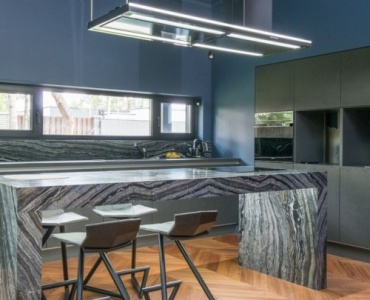
Kitchen
- Work triangle: Clear paths between sink, stove, and fridge.
- Zones: Prep, cook, clean, coffee/tea, snacks. Label drawers and use inserts to keep flow.
- Style notes: Hardware finish, open shelf curation, and counter clutter policy define the look.
Dining Area
- Scale: Table size fits traffic and chair push-back. Round tables soften tight rooms.
- Lighting: Pendant centered with a dimmer. Warm bulbs for flattering skin tones and food.
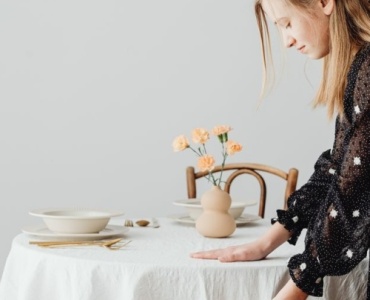
- Atmosphere: Linens and candles add intimacy; a plant or bowl of fruit adds life.
Bedroom
- Rest first: Blackout curtains or eye mask, quiet zone for devices, grounding rug underfoot.
- Palette: Choose colors that lower your heart rate; avoid over-stimulating patterns near the bed.
- Storage: Closed storage equals visual calm; a small tray corrals bedside items.
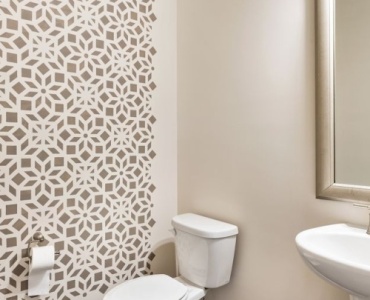
Bathroom
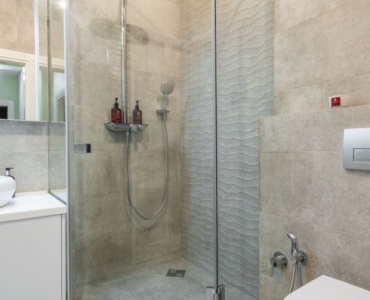
- Spa signals: Warm bulbs, soft towels, wood or stone accessories.
- Function: Hooks over bars for quick hangs; baskets for extra TP and towels.
- Upgrades: New showerhead, sealed grout, and a large mirror improve daily life without full reno.
Workspace
- Ergonomics: Chair fit, monitor height, task light on the opposite side of your writing hand.
- Distraction control: Acoustic panel, rug, or drapery to soften sound; a visual boundary from leisure zones.
- Inspiration: One curated shelf or pinboard with 5–7 items — not a collage of clutter.
Outdoor
- Micro-zones: Morning coffee chair, afternoon reading nook, evening dining corner.
- Low-maintenance greenery: Native plants and drip irrigation to support your energy level.
- Materials: Weatherproof textiles, teak or powder-coated metal, solar lanterns for glow.
Edit, Layer, Evolve
Personal design is a practice, not a single project. Keep refining by returning to your inner cues.
- Buy slowly: Live with a need for a few weeks; if it persists, purchase with confidence.
- Rule of three: Style vignettes in odd numbers with varied heights and textures.
- Leave breath: Negative space helps your special pieces sing.
- Rotate seasonally: Swap pillows, throws, and art to refresh without constant buying.
Navigate Noise Without Losing Yourself
External input can be helpful — but set filters so you stay grounded.
- Trend filter: Adopt a trend only if it supports your values, solves a problem, and harmonizes with your palette.
- Expertise as translation: A designer’s role can be to translate your instincts into buildable plans, not to override them.
- Partner harmony: Write a shared style statement and choose three joint non-negotiables; then alternate on lesser preferences.
- Budget reality: Decide your splurge and save categories. Often: splurge on sofa, mattress, and lighting; save on side tables and decor.
Common Pitfalls (and How to Fix Them)
- Pitfall: Copying a look that fights your lifestyle.
Fix: Start with daily routines; test decisions with a week-long trial setup. - Pitfall: Color chosen on a phone screen.
Fix: Always sample paint and fabrics in your light. - Pitfall: Scale mismatch (tiny rug, giant coffee table).
Fix: Tape layouts on the floor; measure twice, buy once. - Pitfall: Trend purchases that age fast.
Fix: Keep big pieces classic; play with accents for trend hits. - Pitfall: Too many focal points.
Fix: One hero per view; support it with quieter layers.
Simple Process Templates
Use these repeatable flows to bring intuition into action.
Room Design Sprint
- Write your 2-sentence mood and function brief.
- Collect 12 images max; circle repeats.
- Draft palette and materials board with real samples.
- Tape the floor plan and test furniture scale with boxes or placeholders.
- Source 3 options per item, rank by values (quality, sustainability, price).
- Install in phases; pause a week between major steps to listen and adjust.
Shopping Checklist
- Does this serve a daily ritual or solve a friction?
- Does it strengthen my style statement and palette?
- Is the scale right for my space? Measured?
- Is the material comfortable to touch and maintain?
- What will I let go of to make room for it?
Partner Alignment Mini-Workshop
- Each writes a solo 10-item must-have list.
- Share and star the overlaps; negotiate the rest using room priorities.
- Assign decision leads by category (one leads color, the other layout).
Sustainable, Ethical, and Sensory-Safe Choices
- Materials: Solid wood, natural fibers, recycled metals, low-VOC finishes.
- Longevity: Repairable items over disposable ones; classic forms over novelty.
- Local and secondhand: Vintage and community makers add soul and reduce footprint.
- Sensory health: Fragrance-free or naturally scented products if sensitive; look for certifications where relevant.
Micro Case Studies
The Restless Renter
Value: calm and flexibility. Actions: dimmable lamps, linen curtains with clip rings, large neutral rug to hide loud floors, peel-and-stick art ledges. Outcome: a cohesive vibe that moves with them.
The Creative Couple
Values: hospitality and craft. Actions: extendable dining table, durable slipcovered sofa, gallery wall of their own art, open shelf with handmade ceramics. Outcome: lively gatherings in a space that tells their story.
The Focused Freelancer
Values: clarity and comfort. Actions: warm-white task lighting, acoustic rug and curtains, compact standing desk, single-color scheme with a nature print. Outcome: fewer distractions and better deep work.
Measuring Success: How Home Should Feel
- You recover faster from stress in your spaces.
- Daily tasks are smoother with fewer friction points.
- Guests say the home feels like you.
- You buy less because you’re satisfied longer.
- You can name what you love in the room and why.
7-Day Jumpstart: Practice Listening and Doing
- Day 1: Write your two-sentence style statement.
- Day 2: Body barometer with 12 images; keep 6.
- Day 3: House walk; list frictions and delights.
- Day 4: Build a mini palette with 5 swatches from what you already own.
- Day 5: Edit one surface (coffee table, dresser) using the rule of three.
- Day 6: Light audit; add one lamp or change bulb temperatures.
- Day 7: Rearrange one room for better flow; sit with it for a week, then tweak.
Frequently Asked Questions
How do I balance intuition with function?
Start with function gates — flow, storage, maintenance. Once those are addressed, let intuition steer color, texture, and expression. Practical constraints don’t mute your voice; they frame it.
What if I love multiple styles?
Find the common denominators: shared colors, textures, or shapes. Use one as the base and another as an accent. Repetition creates cohesion even across blended styles.
How can I apply how to listen to yourself when designing a home on a tight budget?
Spend where you feel the most (sofa, mattress, lighting). Use paint, textiles, and secondhand finds for character. Intuition protects your wallet because you buy intentionally and slowly.
Is a designer useful if I’m designing from the inside out?
Yes — choose someone who extracts and amplifies your taste. Share your style statement, values list, and palette board so they can translate your instincts into plans and sourcing.
How often should I revisit my palette?
Seasonally for accents; every few years for larger shifts. Keep the core steady so the home remains cohesive while evolving with you.
Closing Thoughts: Trust Your Instincts, Build Your Haven
The most reliable style is the one you can live with for years. When you practice how to listen to yourself when designing a home — paying attention to your body, your rituals, and your values — you create rooms that actively support your life. Use the tools here to translate feelings into form, be patient with the process, and let your home grow as you do. That’s design from the inside out: a space that looks like you because it was built by listening to you.
Key Takeaways
- Begin with values, routines, and sensory needs; let them guide every choice.
- Use simple tests — body barometer, real-light samples, floor tape layouts — to turn intuition into clarity.
- Adopt trends only when they reinforce your story and solve real needs.
- Invest in comfort and quality where you feel it most; edit often; evolve slowly.
- Your home should help you breathe easier, move smoother, and feel more like yourself every day.