Smarter Home, Smaller Bills: What Actually Works
Smart thermostats, connected lights, plugs, and meters promise to shave dollars off your monthly bills. But promises are not proof. Home energy use is stubbornly shaped by weather, equipment, and habits. So the practical question is simple: does smart home really lower bills, and if yes, which devices and tactics deliver measurable, repeatable savings without adding headaches?
This guide separates wishful thinking from what works in the real world. You will learn how energy is truly used at home, which smart technologies reliably cut waste, how to estimate payback, and how to track results so you can keep what works and ditch the rest. The goal is not a tech showcase; it is a comfortable home with smaller bills and fewer surprises.
How Homes Really Spend Energy
Before buying devices, you need a quick mental model of where your money goes. The biggest line items vary by climate, fuel type, and home size, but they follow a consistent pattern:
- Heating and cooling: For many homes, HVAC consumes the largest share of energy. In cold climates, space heating dominates; in hot climates, air conditioning spikes in summer. Heat pumps, furnaces, boilers, and ductwork efficiency all matter.
- Water heating: Gas or electric water heaters quietly rack up costs for showers, laundry, and dishwashing. Tank temperature and timing affect losses.
- Large appliances: Refrigerators, freezers, washing machines, dryers, and dishwashers. Dryers in particular can be energy hungry.
- Lighting: LED has improved the baseline, but hours of use and fixture count still matter.
- Electronics and standby loads: TVs, set top boxes, gaming consoles, networking gear, office equipment. Phantom loads can add up, especially in homes with many always on devices.
- Water use: Outdoor irrigation and leaks can inflate water bills and indirectly energy bills when hot water is wasted.
Smart devices are most effective when they manage these big buckets: HVAC, water heating, lighting, and standby loads. They can also shift when you use electricity to cheaper times on time of use rates. The magic is not in novelty; it is in aligning automation with the physics of your home and the pricing of your utility.
What The Smart Home Can Do For Your Bills
Smart technology pays when it cuts waste, shifts load to cheaper periods, or reveals hidden problems. Here is how that plays out device by device.
Smart Thermostats and HVAC Optimization
For homes with central heating and cooling, a smart thermostat is the single most proven device. It saves by doing three things better than manual control:
- Consistent scheduling: Automatic setbacks when you sleep or are away reduce runtime without sacrificing comfort.
- Occupancy awareness: Motion sensors and geofencing prevent conditioning an empty home.
- Adaptive control: Learning algorithms and weather responsiveness avoid overshooting and unnecessary cycling.
Typical results: many households see 8 to 15 percent lower heating and cooling energy when schedules and occupancy features are used consistently. In homes with poorly tuned thermostats or erratic routines, savings can be higher. In already optimized homes, savings may be modest. The key is to actually enable features like auto away, early start, and seasonal tune ups.
To maximize value:
- Define setpoints for home, sleep, and away that feel comfortable yet firm. Small setbacks repeated daily beat heroic changes you will override.
- Use geofencing so the system knows when everyone has left and when someone is on the way home.
- Balance room comfort with zoned control if possible. Smart vents or multiple thermostats can help in multi story homes, but start with fixing airflow and sealing ducts.
- Combine with maintenance: Replace filters, check refrigerant charges, and seal ducts. Automation cannot fix mechanical inefficiency by itself.
Smart Room Sensors and Zoned Comfort
Many thermostats accept wireless temperature sensors. Placing sensors in bedrooms and living areas lets the system average across spaces or prioritize a room at certain times. That reduces over conditioning rooms you are not using. In homes with temperature imbalances, the comfort improvement can be dramatic, and runtime often drops because the thermostat no longer chases the wrong room.
Smart Lighting With Motion and Schedules
LED bulbs slashed lighting costs, but automation still helps by eliminating hours of unnecessary runtime and tailoring brightness to need. Winning moves:
- Occupancy and vacancy sensors in closets, garages, bathrooms, and hallways.
- Sunrise and sunset schedules so outdoor and porch lights follow daylight automatically.
- Scene based dimming that drops output to 60 or 70 percent for casual use; the human eye barely notices while savings accumulate.
Lighting automation rarely makes headlines, but it delivers dependable savings with minimal fuss, especially in households with kids or frequent guests.
Smart Plugs and Power Strips To Tame Standby Loads
Standby or phantom power comes from devices that sip energy even when you are not actively using them. Examples: streaming boxes, printers, game consoles, powered speakers, and certain kitchen appliances. Individually small, together they matter. Smart plugs pay off when you attach them to clusters of electronics and enable schedules or auto off rules.
- Create zones like media center, office desk, or hobby bench, and schedule them to turn fully off overnight and during work hours.
- Use power strips with a master controlled outlet for TVs or PCs that shut down peripherals automatically.
- Measure with energy monitoring plugs. Seeing kWh for a week exposes which devices are worth controlling and which can be left alone.
Expect modest absolute savings per device but steady wins across a dozen plugs. You also reduce fire risk and extend equipment life by avoiding 24 by 7 heat trickle.
Water Heating: Temperature, Timing, and Smarts
Water heaters lose heat through their tanks and pipes. Smart controls address this by dialing in temperature and timing:
- Set temperature to a safe but efficient level. Many households are comfortable around 120 F. Avoid scald risk and waste.
- Scheduling for electric water heaters aligns heating with off peak hours. Thermal mass in the tank bridges peak times if sized properly.
- Grid signals on some models let utilities briefly reduce heating during peaks for bill credits without noticeable comfort impact.
- Leak detectors near the tank and under sinks prevent catastrophic costs by alerting you early.
Heat pump water heaters add a major efficiency jump by moving heat rather than making it, and with smart control they can preheat when power is cheap. If you are replacing a unit anyway, consider this upgrade as the biggest water heating lever.
Smart Irrigation and Water Bills
Landscapes can drain wallets. Smart irrigation controllers save water by combining weather data, soil moisture, and plant type to determine when and how long to water. Typical wins:
- Skip cycles after rain using local conditions rather than fixed schedules.
- Seasonal adjustment that scales runtime automatically as temperatures change.
- Zone tuning so turf, shrubs, and drip lines receive different amounts.
Pair the controller with a simple audit of sprinkler heads to fix leaks or misaligned spray. Every avoided gallon often saves energy too if you pump water or pay for sewer based on water usage.
Smart Appliances and Load Shifting
Modern washers, dryers, dishwashers, and EV chargers can run on schedules or respond to price signals. That does two things for your bill:
- Run when power is cheap under time of use rates or when your solar array is producing.
- Avoid peak demand charges in some utilities by staggering heavy loads.
Key practices:
- Dishwashers: Run overnight on eco mode with heated dry off. It uses less energy and you wake to clean dishes.
- Washers and dryers: Use cold cycles and sensor dry. Schedule after work or midday with solar.
- EV charging: Set a departure time so the car charges just in time, mostly in off peak hours.
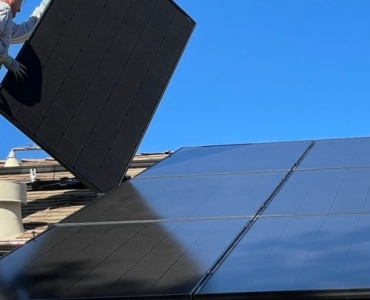
Solar, Batteries, and Smart Load Orchestration
Smart controls integrate with rooftop solar and home batteries to maximize self consumption and arbitrage rate differences:
- Pre cool or pre heat the home during sunny or off peak periods so HVAC coasts later.
- Charge batteries with solar midday and discharge in the evening peak to cut grid imports.
- Run high loads like water heating and pool pumps while solar is abundant.
This orchestration shines where export credits are low or evening rates are high. Even without solar, shifting load away from peak times can reduce costs and emissions.
What Actually Works vs. Hype
Some devices are almost always worth it. Others are situational. A few impress demo guests but rarely move your bill.
- High confidence winners:
- Smart thermostat with occupancy, weather responsiveness, and a firm schedule.
- LED lighting plus motion sensors in low traffic rooms and outdoor sunset schedules.
- Smart plugs or advanced power strips on entertainment centers and home offices.
- Smart irrigation with weather based control in yards of any size.
- Electric water heater scheduling under time of use rates.
- Situational winners:
- Smart vents for minor zoning improvements where ductwork cannot be changed.
- Battery storage where evening rates are high or outages are frequent.
- Whole home energy monitors to pinpoint abnormal loads if you are willing to investigate and act.
- Demand response devices if your utility offers meaningful bill credits.
- Nice but rarely bill changing:
- Color changing bulbs purely for ambience.
- Smart fridges beyond basic Energy Star efficiency; convenience improves, not bills.
- Voice assistants that do not control schedules or sensors.
In other words, focus on automation that controls big loads at the right times. Comfort and convenience are great bonuses, but the meter only notices runtime, power level, and timing.
Does a Smart Home Really Lower Bills?
Here is the short answer. If you apply smart controls to HVAC, lighting, water heating, and standby loads, then yes, monthly costs can drop meaningfully and consistently. The exact phrase many people search is does smart home really lower bills. The truth behind that phrase is that savings come from good schedules, occupancy awareness, and simple rules that run every single day, not from owning more devices.
You can expect bigger percent savings if your current habits are inefficient, your home sits empty for long stretches, or your rate plan is time based. You can expect smaller gains if you already run a tight schedule, live in a mild climate, or your utility charges flat rates.
Real World Scenarios and Expected Savings
Cold Climate, Gas Heat, Family of Four
Profile: Two story house, central furnace, kids in school, parents at work, evenings at home. Weak weekday schedule, manual thermostat adjustments.
- Smart thermostat enforces weekday setbacks of several degrees during work and school hours, plus overnight. Occupancy detection cuts runtime when after school activities keep the home empty.
- Motion controlled lighting in hallways and basement, sunset porch lights.
- Smart plugs tame entertainment center and home office gear overnight.
Results after a season: heating fuel down roughly 10 percent, electricity down 5 percent from lighting and standby cuts. Comfort up due to consistent temperatures.
Hot Climate, Electric Heat Pump, Remote Worker
Profile: Single story home, heat pump with variable speed compressor, one adult works from home, time of use electric rates with a pricey evening peak.
- Pre cool home aggressively in early afternoon before peak, then coast through the evening.
- Dishwasher, laundry scheduled for off peak or solar windows.
- Smart water heater heats primarily off peak.
Results: 8 to 12 percent lower monthly electricity costs due to load shifting and efficient HVAC staging, even if total kWh is similar.
Apartment, Electric Baseboard, Renters
Profile: Small apartment, no access to central HVAC, electric baseboard heaters, flat rates.
- Smart thermostats for each baseboard zone with occupancy timers reduce forgotten heating in the bedroom and living room.
- LED and motion sensors in closets and bathroom.
- Smart plugs on media center and space heater safety shutoff rules.
Results: Noticeable savings and improved safety without permanent changes. Landlord stays happy; renters take devices when they move.
Family With Pool and Landscaped Yard
Profile: Suburban home, pool pump, irrigation system, utility offers demand response events.
- Pool pump scheduling avoids peaks and runs during solar production, optimizing filtration hours per season.
- Smart irrigation slashes over watering with weather skips.
- Opt in demand response for modest credits during summer peaks.
Results: A chunk of seasonal electricity costs drops and water bills shrink without any sacrifice in pool quality or lawn health.
Costs, Payback, and Incentives
Let us make this concrete. Here is a rough look at costs and payback for common devices. Actual numbers vary by brand, rebates, and your current bill.
- Smart thermostat: Device often ranges from modest to mid price. If your HVAC is central and you have a flexible schedule, payback can be within one to two heating or cooling seasons. Some utilities provide instant rebates or free installation.
- Smart plugs: Low cost each. If each saves a few dollars per year, clusters across a home pay back quickly and improve safety.
- Motion sensors and switches: Low to moderate cost. In high traffic or forgetful households, payback is fast.
- Smart irrigation controller: Low to mid cost. Water savings can be significant in dry regions, often paying back within one or two summers.
- Energy monitoring at the circuit level: Moderate to high cost. Best for homeowners willing to hunt down anomalies and take action; payoff depends on follow through.
- Heat pump water heater: Higher upfront cost but major energy cuts. Replaces an appliance at end of life, often aided by rebates and tax credits.
Do a simple ROI test: estimate annual savings conservatively, divide the purchase and setup cost by that number to find payback in years. If the result is acceptable, proceed. If not, revisit either your cost assumptions or the device choice.
Setups That Save From Day One
Here is a straightforward starter plan that trims waste without turning your life upside down.
- Step 1: Baseline. Gather 12 months of bills for electricity, gas, and water. Note daily or hourly data if your utility offers a smart meter portal. Mark seasonal highs.
- Step 2: Lighting and plugs. Replace old bulbs with LED where needed. Add motion switches to closets and bathrooms. Install smart plugs on media center and office gear with schedules for sleep hours.
- Step 3: Thermostat. Install a well reviewed smart thermostat compatible with your HVAC. Create weekday and weekend schedules, enable geofencing and occupancy features. Add one or two room sensors.
- Step 4: Water heater. If electric, add a timer or smart controller to heat off peak. If gas, set a safe lower temperature and insulate the tank and the first few feet of hot water pipe if appropriate for your model.
- Step 5: Irrigation. Install a smart controller and tune zones. Repair misaligned heads.
- Step 6: Measure. After 30 to 90 days, compare bills normalized for weather. Adjust schedules. Keep what works, simplify what does not.
Choosing Tech That Plays Nice
Reliability matters. Savings vanish if your routines break every other week. Focus on these compatibility and resilience tips:
- Standards: Devices that support Matter, Zigbee, or Z Wave often integrate well and can be controlled locally by popular hubs. Wi Fi devices are common but can be chatty; choose brands with a solid track record.
- Local control: Favor products that keep core schedules and automations working even if the internet goes down. Local fallback preserves savings.
- Platforms: Home assistants like Alexa, Google Home, and HomeKit can tie devices together. Use routines for geofencing, scenes, and cross device triggers like motion controlling lights.
- Privacy: Review data policies. Energy data is sensitive; choose vendors that allow local storage or transparent cloud practices.
Common Mistakes That Kill Savings
- Buying first, planning later. Start with your biggest loads, not the shiniest device.
- Over automating. Too many rules create conflicts and frustration. Start simple and add only what adds comfort or savings.
- Ignoring insulation and maintenance. No thermostat can overcome leaky ducts, clogged filters, or missing attic insulation.
- Disabling features after the first cold snap. Build comfortable schedules you will stick with.
- Not verifying results. Check usage monthly. If savings are missing, adjust or remove what does not pull its weight.
Measuring Success Without Guesswork
To know what is working, track a few simple metrics:
- Energy use in kWh for electricity and therms or cubic feet for gas. Most utilities expose daily or hourly usage via a smart meter portal. Export data if possible.
- Weather normalization using heating and cooling degree days. Compare similar weather periods to avoid false conclusions from milder months.
- Appliance level data with energy monitoring plugs or a whole home monitor if you want granular insights.
- Event tracking for any major change like a new schedule or device installation. Tag your data so you can see the effect.
Run a 30 day before and after comparison for each change. Modest gains add up and help justify your setup. If a device does not pay back, repurpose it or resell it; sunk costs do not reduce next month’s bill.
When Smart Alone Is Not Enough
Automation optimizes operation, but some efficiency gains require better equipment or building upgrades:
- Insulation and air sealing to reduce heating and cooling load at the source.
- Duct sealing to stop conditioned air from leaking into attics or crawl spaces.
- Heat pump upgrades replacing inefficient furnaces, air conditioners, or resistance heat with high efficiency variable speed equipment.
- Window improvements or at least shading strategies in sunny climates.
Combine envelope upgrades with smart controls for a one two punch: lower loads and smarter operation.
Safety, Privacy, and Reliability
Smart savings should not come at the cost of safety or peace of mind. Keep these principles in mind:
- Fail safe defaults. HVAC and water heater schedules should revert to safe operation if a hub fails.
- Minimal permissions. Only grant apps the access they need. Turn off unnecessary cloud access if local control suffices.
- Updates and backups. Keep firmware current and export or document your key routines so you can restore them quickly.
Quick Answers to Common Questions
Does smart home really lower bills?
Yes, when you focus on HVAC, lighting, water heating, and standby loads using schedules, occupancy detection, and price aware automation. The biggest savings usually come from a smart thermostat and consistent routines.
How much can I save?
Many households see 5 to 15 percent lower energy costs with a handful of well chosen devices and habits. Load shifting on time of use rates can further reduce bills without changing total energy use.
Will this work for renters?
Absolutely. Choose plug in devices: smart plugs, motion sensor switches, room thermostats for baseboards if allowed, and portable window AC smart controllers. Take them with you when you move.
Is an energy monitor worth it?
It is worthwhile if you will act on the data. Monitors are best for curious owners who will hunt down a misbehaving fridge or an always on pump. Otherwise, start with a thermostat, lights, and plugs.
What about compatibility?
Pick a primary ecosystem and stick with it. Favor devices that support Matter, Zigbee, or Z Wave for flexibility and local control. Test one device before buying five.
The Bottom Line
You do not need a drawer full of hubs to slash waste. Start with a smart thermostat, a few motion controlled lights, strategic smart plugs, and sensible water heating control. Set reliable schedules, let occupancy rules do their work, and shift high loads to cheaper hours if your rates allow. Measure, adjust, and keep the pieces that earn their keep. In practice, this thoughtful approach answers the question does smart home really lower bills with a confident yes, as long as you focus on the big loads and let simple automation run every day.
Action Checklist
- Review last 12 months of utility bills.
- Install a smart thermostat, enable geofencing and schedules.
- Replace remaining bulbs with LED, add motion where lights are often left on.
- Use smart plugs on entertainment and office clusters with auto off windows.
- Optimize water heating temperature and timing; add leak sensors.
- Shift flexible loads like laundry and dishwashing to off peak or sunny periods.
- Track progress and normalize for weather. Iterate quarterly.
Smart does not have to mean complicated. It should mean consistent, boringly effective, and quietly cheaper.