Sun-Kissed Balconies: Flowering Plants for Nonstop Color All Summer
When your balcony basks in full sun, you hold the recipe for electrifying color, perfume, and pollinator traffic that can last for months. The secret is choosing flowering balcony plants for all‑summer blooms and combining them with soil, containers, and routines that amplify their best performance. Whether you’re working with a small rail planter or a sprawling terrace, this deep-dive guide covers the plants, design moves, and care strategies that turn heat and light into a season-long spectacle.
Below, you’ll find sun-proof stars like petunias, lantana, zinnias, verbena, mandevilla, and more—plus practical tips for watering, feeding, pruning, and surviving heat waves. We’ll layer in color recipes, container formulas, and easy troubleshooting so your display stays lush and lively from late spring through early fall.
Understand Your Balcony Microclimate
Before you plant, decode your microclimate. A south- or west-facing balcony can push temperatures far beyond the local forecast thanks to reflective walls, metal railings, and heat-retaining floors.
Sun exposure and aspect
- Full sun: 6+ hours of direct light. Perfect for sun-loving annuals like petunia, lantana, verbena, and zinnias.
- Part sun: 4–6 hours; ideal for plants that appreciate morning sun and afternoon shade (angelonia, calibrachoa, some geraniums).
- Hot zones: Corners, metal railings, and window reflections can feel 5–15°F hotter than ambient.
Heat, wind, and reflected light
- Wind: Tall plants topple or desiccate fast. Choose compact varieties or add discreet windbreaks.
- Glare: Light bouncing off glass or pale walls can scorch tender petals. Use taller plants or trellises to cast protective shade.
- Night warmth: Brick and concrete release heat after sunset, extending bloom metabolism for true all-summer color.
Containers and water retention
- Material matters: Terracotta breathes (cool roots but dries fast). Plastic and fiberglass retain moisture. Glazed ceramic holds moisture and adds weight for windy sites.
- Size up: Larger pots buffer heat and drought, supporting steadier blossoms.
- Self-watering inserts: Reservoirs provide a wick-fed supply—excellent for vacations and heat spikes.
The Right Containers and Potting Mix
Great blooms start with great homes. Pair breathable, well-draining containers with a premium potting medium and consistent nutrition to unlock nonstop flowering.
Container picks for sunny balconies
- Railing planters: Maximize linear color; ensure secure brackets and overflow holes to protect neighbors below.
- Self-watering pots: Ideal for busy schedules; choose models with accessible fill ports and visible water gauges.
- Lightweight composites: Fiberstone or resin reduces structural load on upper floors.
- Deep troughs: Offer root depth for heat-loving vines, shrubs, and tall “thrillers.”
Potting mix that powers flowers
- Use a peat-free or peat-reduced, high-quality container mix with components like coco coir, composted bark, and perlite for aeration.
- Blend in slow-release, balanced fertilizer at planting time to feed for 2–3 months.
- Skip garden soil: It compacts, drains poorly, and brings pests.
- Moisture managers: Add a small portion of water-retentive crystals or biochar for hot climates, but never at the expense of drainage.
The Planting Formula: Thriller, Filler, Spiller
This classic container strategy ensures dimension, coverage, and long-range impact.
- Thriller: A vertical star (e.g., mandevilla on a trellis, dwarf hibiscus, or an upright salvia).
- Filler: Mounding mid-height bloomers (petunias, zinnias, angelonia, pentas).
- Spiller: Trailing accents to cascade over edges (calibrachoa, scaevola, verbena, sweet potato vine, dichondra).
Arrange thrillers toward the back (or center in round pots), then tuck fillers around, and finally weave spillers along edges for a lush, layered look.
Top Plants for Continuous Summer Color
Meet the balcony legends that shrug off heat and keep pumping out petals for months. Mix several for resilience, texture, and color depth.
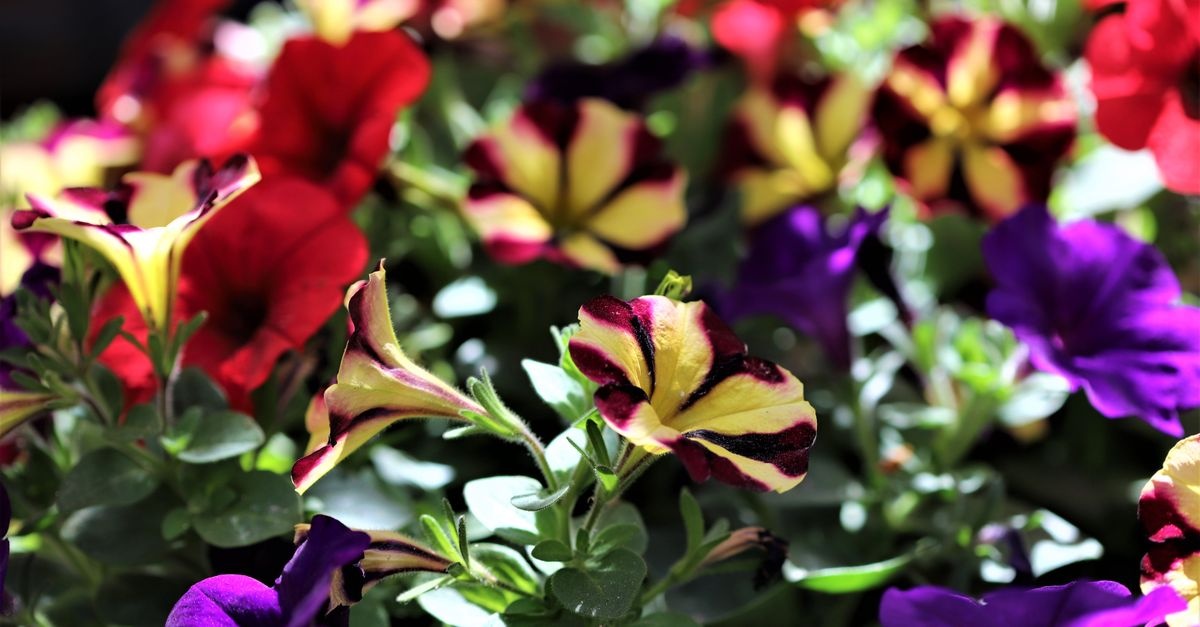
Petunia (Supertunia, Wave, Tidal Wave series)
Why it shines: Massive color carpets, fast growth, and new hybrids that don’t need constant deadheading. Loves full sun and regular feeding.
- Light: 6–8 hours
- Water: Consistent; let the top inch dry slightly
- Care: Shear midseason by one-third for a fresh flush
- Pair with: Calibrachoa, verbena, euphorbia ‘Diamond Frost’
Calibrachoa (Million Bells)
Why it shines: Mini-petunia lookalike that trails beautifully and blooms profusely in heat with balanced nutrition.
- Light: Full sun to part sun
- Feeding: Regular liquid feed prevents yellowing
- Note: Avoid soggy roots; excellent in self-watering pots with airy mix
Geranium (Pelargonium)
Why it shines: Classic clusters in bold hues; ivy geraniums trail, zonal types mound, and interspecific hybrids excel in heat.
- Light: Full sun
- Water: Let top inch dry; hates waterlogged soil
- Tip: Deadhead spent umbels to keep clusters coming
Lantana
Why it shines: Unfazed by heat, drought, and wind; nectar magnet for butterflies; flower clusters constantly change colors.
- Light: Full, blazing sun
- Water: Moderately drought-tolerant once established
- Note: Can be toxic to pets—use caution
Verbena
Why it shines: Trailing and mounding types offer pastel to neon shades; great filler and spiller for nonstop displays.
- Light: 6+ hours
- Care: Light shearing triggers more blooms; avoid chronic wetness
Angelonia (Summer Snapdragon)
Why it shines: Vertical spires that love heat, humidity, and sun; fragrant foliage; thrives in containers.
- Light: Full sun
- Water: Moderate; excellent in hot urban microclimates
Portulaca grandiflora (Moss Rose) and Purslane
Why they shine: Succulent leaves store water; flowers open in sun and shrug off drought, perfect for spare water budgets.
- Light: Intense sun
- Water: Minimal once established
Gazania (Treasure Flower)
Why it shines: Dazzling daisy blooms with metallic stripes; tolerates heat, wind, and poor soils.
- Light: Full sun
- Care: Deadhead to extend bloom season
Zinnia (Profusion, Zahara series)
Why it shines: Mildew-resistant series bloom relentlessly in containers; attracts butterflies and resists heat.
- Light: 6–8 hours
- Tip: Avoid overhead watering to reduce disease
Pentas
Why it shines: Starry clusters beloved by hummingbirds and butterflies; thrives in high heat.
- Light: Full sun
- Water: Moderate; feed regularly
Scaevola (Fan Flower)
Why it shines: Trailing fans of blue, violet, or white that never flinch in wind or heat; perfect for balcony edges.
- Light: Full sun
- Care: Minimal deadheading; drought-tolerant
Bidens
Why it shines: Golden stars that thread through arrangements; sun worshipper with exceptional bloom stamina.
- Light: Full sun
- Use: Combine with purples (verbena) for contrast
Euphorbia ‘Diamond Frost’
Why it shines: Cloudlike white bracts soften bold colors; incredibly heat-tolerant and flowerful.
- Light: Sun to part sun
- Water: Moderate; excellent filler
Verbena bonariensis (Dwarf/compact varieties)
Why it shines: Airy lavender orbs add movement and height without bulk; pollinator magnet.
- Light: Full sun
- Note: Choose compact types for pots
Salvia (Mystic Spires, Rockin’ series)
Why it shines: Long, nectar-rich spires; heat-hardy; beloved by hummingbirds and bees.
- Light: Full sun
- Care: Shear lightly after first flush
Mandevilla and Dipladenia
Why they shine: Glossy leaves and tropical trumpets in pinks, reds, and white; thrives on trellises under blazing sun.
- Light: 6–8 hours
- Water: Even moisture; feed for constant blooms
Bougainvillea (dwarf forms)
Why it shines: Paper-bright bracts in fuchsia, orange, or white; drought-loving and sun-hungry.
- Light: Full sun, heat-reflective spots welcome
- Potting: Slightly tight roots encourage bloom
Hibiscus (dwarf tropical)
Why it shines: Giant, dramatic blooms day after day when fed well and kept warm.
- Light: Full sun
- Feeding: Higher potassium supports flowering
Vinca (Catharanthus, Madagascar Periwinkle)
Why it shines: Thrives in heat and humidity; glossy foliage with continuous phlox-like flowers.
- Light: Full sun
- Water: Avoid overwatering; excellent for low-maintenance displays
Osteospermum (African Daisy, heat-set varieties)
Why it shines: Daisies in startling hues; choose heat-tolerant lines that keep blooming through midsummer.
- Light: Sun
- Note: Traditional types may pause in extreme heat—heat-set series perform better
Heliotrope
Why it shines: Vanilla-scented violet clusters; magical in evening containers near seating.
- Light: Sun to part sun
- Care: Even moisture; protect from harsh wind
Cosmos
Why it shines: Feather-light texture and perpetual daisy blooms; thrives in heat with leaner soils.
- Light: Full sun
- Tip: Don’t overfertilize; too much nitrogen yields foliage over flowers
Marigold (Tagetes, especially triploid and French types)
Why it shines: Sun-loving, long-blooming, and cheerful; many resist heat and rain.
- Light: Full sun
- Use: Edge planters with compact French marigolds
Gaura (Oenothera lindheimeri, compact)
Why it shines: Dancing wands of white or pink; drought-tolerant and airy—adds movement to static arrangements.
- Light: Full sun
- Potting: Choose dwarf cultivars for containers
Sweet Alyssum (heat-tolerant lines)
Why it shines: Honey-scented carpets; some modern varieties persist through heat with light shearing.
- Light: Sun to part sun
- Care: Trim when leggy to reboot bloom
Nasturtium
Why it shines: Edible flowers and leaves; easy, peppery taste; glows in oranges, reds, and creams.
- Light: Sun
- Soil: Lean is better—too rich reduces flowers
Lavender
Why it shines: Fragrant spikes, pollinator magnet, and drought-tolerant roots—Mediterranean charm for containers.
- Light: Full sun
- Drainage: Critical; mix in grit or perlite
Rosemary and Thyme (flowering herbs)
Why they shine: Edible, aromatic, and subtly floral; attract bees and save space in kitchen-adjacent planters.
- Light: Sun
- Water: Low to moderate; avoid soggy roots
Bacopa (Sutera, heat-selected forms)
Why it can shine: Cascading white or pink blooms; choose heat-tolerant varieties or give afternoon shade in very hot regions.
- Light: Sun to part sun
- Note: Traditional strains may stall in peak heat
Sweet Potato Vine (Ipomoea batatas, ornamental)
Why it shines: Not for flowers, but unmatched trailing foliage that frames bloomers and handles heat.
- Light: Sun
- Use: Contrast lime or black leaves with warm petals
Dichondra ‘Silver Falls’
Why it shines: Silvery waterfall that cools hot color schemes; drought-tolerant and sun-ready.
- Light: Full sun
- Care: Minimal; avoid overwatering
Design Ideas and Color Recipes
Approach your balcony like a living room in the sky: color, texture, height, and flow matter. Use these palettes to craft cohesive displays.
Sunset brights
- Palette: Fuchsia, coral, tangerine, gold
- Plants: Petunia (hot pink), calibrachoa (orange), lantana (sunset mix), bidens (gold), dicondra ‘Silver Falls’ for cooling contrast
Mediterranean cool
- Palette: Indigo, violet, white, silver
- Plants: Salvia ‘Mystic Spires’, scaevola (blue), euphorbia ‘Diamond Frost’, lavender, dusty miller or helichrysum
Pollinator paradise
- Palette: Purples, magentas, soft pinks
- Plants: Pentas, verbena, zinnia ‘Profusion Cherry’, compact verbena bonariensis, cosmos
Tropical glam
- Palette: Red, white, glossy green
- Plants: Mandevilla (red), hibiscus (white), geranium (scarlet), ivy geranium as spiller
Minimalist white + silver
- Palette: White petals, gray foliage
- Plants: White petunia, euphorbia ‘Diamond Frost’, osteospermum (white), dichondra ‘Silver Falls’
Watering and Feeding Strategy for Nonstop Blooms
Sun and heat accelerate growth—and thirst. Precision watering and steady nutrition keep flowers coming without stress.
Watering like a pro
- Finger test: Water when the top inch of mix is dry. In heat waves, this might be daily for shallow planters.
- Deep, thorough soaks: Water until you see excess drain; dump saucers to prevent root rot.
- Morning is best: Leaves dry quickly, reducing disease risk.
- Mulch smart: A thin layer of pebbles or coarse bark on top slows evaporation and stabilizes soil temperatures.
- Vacations: Self-watering pots, capillary mats, or ceramic stakes can bridge absences.
Fertilizer plan that fuels flowers
- Base feed: Mix in slow-release, balanced granules at planting (e.g., 3–4 month formulation).
- Weekly tonic: Apply a dilute, bloom-forward liquid feed (balanced or slightly higher potassium) during peak growth.
- Watch for yellowing: Interveinal chlorosis often signals iron deficiency—use chelated iron, especially for calibrachoa and petunia.
- Flush monthly: Water heavily once to wash out salts in self-watering or small pots.
Smart Maintenance: Deadheading, Pinching, Pruning
Simple, regular touch-ups ensure your flowering balcony plants for all‑summer blooms never lose steam.
Deadheading
- Remove spent flowers to redirect energy into new buds. Many modern petunias are self-cleaning, but a quick tidy still helps.
- Geraniums: Snip whole flower stalks (umbels) back to a leaf joint.
Pinching and shaping
- Pinch tips of mounding plants early to encourage branching and fuller baskets.
- Midseason shear: Cut back leggy petunias, verbena, and allyssum by one-third; follow with liquid feed.
Care Calendar for Constant Color
Early spring (setup)
- Clean and prep: Wash pots, refresh 30–50% of old media with fresh mix, check brackets and weight limits.
- Plant cool-tolerant stars: Osteospermum (heat-set), alyssum, early petunias if nights stay above 45–50°F (7–10°C).
Late spring (planting peak)
- Install heat lovers: Lantana, verbena, calibrachoa, zinnia, angelonia, pentas, mandevilla, vinca.
- Top-dress: Add slow-release fertilizer and water thoroughly.
Midsummer (maintenance)
- Water wisely: Check daily; use reservoirs or drip if possible.
- Groom: Shear back, deadhead, and feed weekly to reboot bloom cycles.
- Heat waves: Shift pots off blazing reflective surfaces, add temporary shade cloth in extreme conditions.
Late summer (refresh)
- Replace stragglers: Tuck in quick bloomers like marigolds or zinnias where gaps appear.
- Extend the show: Keep feeding; nights cooling will turbocharge color.
Early fall (wind-down)
- Prime for shoulder season: Osteospermum and alyssum often resurge; rotate heat-weary plants out.
- Save favorites: Take cuttings of coleus or overwinter small mandevilla indoors if desired.
Troubleshooting Common Issues
Leggy, floppy plants
- Cause: Insufficient light, high nitrogen, or overdue shearing.
- Fix: Move to brighter exposure, trim back by one-third, switch to balanced or bloom-leaning feed.
Pests (aphids, whiteflies, spider mites, thrips)
- Symptoms: Sticky honeydew, stippled leaves, fine webs, distorted buds.
- Control: Blast with water, then use insecticidal soap or horticultural oil. Apply at dusk to protect pollinators.
- Prevention: Avoid overfertilizing; increase airflow; inspect new plants before introducing.
Diseases (powdery mildew, botrytis)
- Prevention: Morning watering, good spacing, prune for airflow.
- Management: Remove infected parts; consider sulfur or potassium bicarbonate products as labeled.
Yellowing leaves (nutrient or pH issues)
- Calibrachoa/petunia: Often need chelated iron in alkaline water; apply foliar or soil drench.
- Salt buildup: Flush pots monthly with plain water.
Special Balcony Conditions and Plant Picks
Extra-windy balconies
- Choose toughies: Scaevola, gazania, lantana, verbena, angelonia, portulaca.
- Tips: Heavier pots, windbreak screens, and compact varieties reduce stress.
Coastal or salty air
- Salt-tolerant: Lantana, rosemary, thyme, gazania, scaevola, euphorbia.
- Rinse foliage: Occasional fresh water rinse after storms helps.
Partial sun (morning sun, afternoon shade)
- Balanced picks: Calibrachoa, geranium (zonal/interspecific), bacopa (heat-tolerant strains), impatiens hybrids (SunPatiens in bright light), heliotrope.
Pet-friendlier options
- Consider: Zinnia, rosemary, thyme, cosmos, marigold, catmint (Nepeta). Always verify specific varieties and supervise curious pets.
- Avoid or place out of reach: Lantana, some euphorbias, and other known toxic species.
Sustainable Balcony Gardening
- Peat-smart mixes: Choose coir- and bark-based blends to reduce peat use.
- Water-wise practices: Self-watering reservoirs, drip lines on timers, and pebble mulch curb evaporation.
- Pollinator support: Mix nectar-rich plants, avoid spraying open blooms, add a shallow bee water dish with pebbles.
- Reuse & refresh: Rejuvenate old potting mix by sifting out roots and amending with fresh composted material and perlite.
Shopping and Plant Labels Decoded
- Light tags: “Full sun” means 6+ hours; “part sun” is 4–6 hours. Balconies that reflect heat can turn “part sun” into “functionally full sun.”
- Series names: Lines like Supertunia, Superbells (calibrachoa), Profusion (zinnia), and SunPatiens signal traits like heat tolerance or self-cleaning blooms.
- Growth habit: Mounding vs. trailing matters—match habits to role (filler vs. spiller).
Quick Planting Plans for Common Balcony Setups
4–6 foot railing planter (sun)
- Spillers: 4–6 calibrachoa or verbena, evenly spaced
- Fillers: 3 petunias (contrasting color)
- Accents: 2 euphorbia ‘Diamond Frost’ to weave white through the mix
24–30 inch round container (statement pot)
- Thriller: 1 mandevilla on a small obelisk
- Fillers: 3 angelonia (triangular spacing)
- Spillers: 3 scaevola or dichondra around edges
Narrow trough (hot, windy edge)
- Plants: Lantana (compact), gazania, portulaca, rosemary for structure
- Media: Gritty, fast-draining mix; water deeply but less often
Advanced Tips for Elite Bloom Performance
- Rotate pots: Quarter-turn weekly for even growth and symmetric displays.
- Strategic shade: On heatwave days, shift containers a foot off reflective glass or place a temporary shade screen at midday.
- Layer pot sizes: Stagger tall, medium, and small containers to increase perceived lushness and create wind-sheltered nooks.
- Color echoing: Repeat a signature hue (e.g., magenta) in 3+ places to pull the entire balcony together.
Frequently Asked Questions
How many hours of sun do I need for continuous flowering?
Most sun annuals crave 6–8 hours. If you have 4–5 hours of intense midday light plus reflective heat, many will still bloom prolifically.
Can I achieve nonstop color with drought restrictions?
Yes—prioritize lantana, portulaca, gazania, scaevola, rosemary, thyme, and compact zinnias. Use large or self-watering containers, top with pebble mulch, and water deeply but infrequently.
What’s the simplest low-maintenance mix for beginners?
Try a self-watering trough with petunia, scaevola, and euphorbia ‘Diamond Frost.’ Feed weekly and shear once midseason.
Do I need to deadhead everything?
No. Newer petunia, calibrachoa, and some zinnia lines are self-cleaning. However, a monthly shear plus removing obvious spent clusters keeps things pristine.
How do I keep plants happy when I travel?
Use self-watering pots, capillary wicks from a water reservoir, or a simple battery timer and drip line. Shift pots out of reflected heat and add a thin stone mulch before leaving.
Putting It All Together
A radiant, sunny balcony is one of the easiest places to secure long-lasting color—if you match the right plants with the right care. Choose proven heat performers, plant them in quality mix with steady nutrition, and adopt quick weekly grooming. The payback is a living mosaic that never lets up. With this blueprint, your flowering balcony plants for all‑summer blooms will carry your space from spring’s first warmth until the final, honeyed evenings of fall—pollinators buzzing, colors blazing, and your open-air room as vibrant as any garden below.
Quick Reference: Top Picks at a Glance
- Heat beasts: Lantana, scaevola, portulaca, vinca, bidens
- Pollinator stars: Pentas, salvia, zinnia, verbena, cosmos
- Tropical drama: Mandevilla, hibiscus, bougainvillea (dwarf)
- Cascade kings: Calibrachoa, verbena, ivy geranium, dichondra
- Fragrant accents: Heliotrope, lavender, sweet alyssum (heat-tolerant)
Safety and Practicalities
- Weight limits: Large ceramic planters and saturated media are heavy—confirm capacity with building management.
- Water overflow: Use saucers or overflow spouts to protect neighbors and facades.
- Local rules: Some HOAs restrict railing planters—use interior stands or window boxes with secure fixtures.
Ready to craft your own sky garden? Pick a palette, select three or four anchor plants from the lists above, and start potting. In a few short weeks, you’ll have a balcony that glows sunrise to sundown—an effortless invitation to step outside and savor summer’s longest days.