From Soil to Serenity: Design a Healing Herb Garden at Home
Imagine stepping outside to a gentle symphony of scent and color where each breath steadies the mind and each leaf offers relief. A healing herb garden blends the simplicity of nature with the intention of self care. Whether you have a sunny balcony or a spacious backyard, this step by step guide shows you how to design a therapeutic herb garden that supports relaxation, resilience, and everyday wellbeing. You will learn to plan for the senses, match plants to your climate, create peaceful nooks, and cultivate mindful rituals that turn ordinary moments into restoration.
Below, you will find a complete blueprint for transforming soil into serenity including practical layouts, herb selections, maintenance routines, and creative ways to use your harvest. Along the way, you will also see how to integrate sustainable practices and evidence informed design principles that make your space both beautiful and beneficial.
Why a Healing Herb Garden Works
When we ask how to design a therapeutic herb garden, we are really asking how to design a space that helps the nervous system relax, invites gentle movement, and rewards our attention with tiny sensory delights. Research on nature contact, aromatherapy, and restorative environments points to several pathways of benefit.
- Sensory regulation Pleasant scents like lavender and lemon balm can support calm; tactile textures such as soft woolly thyme ground the mind in the present moment.
- Aromatherapy potential Many culinary and medicinal herbs contain volatile compounds associated with relaxation, alertness, or respiratory ease. Scent is a powerful bridge to memory and mood.
- Gentle movement Light gardening promotes functional strength, flexibility, and mindful breathing without the stress of high intensity exercise.
- Agency and ritual Planting, tending, and harvesting offer cycles of purpose that can reduce rumination and support positive routine.
- Biodiversity and beauty A living tapestry of flowers, foliage, and pollinators adds ecological value and visual interest that restores attention and curiosity.
Start with Intention: Define Your Therapeutic Goals
Before you sketch a bed or buy a plant, anchor your design to clear personal goals. Intention helps you choose species, colors, and layouts that truly serve you.
- Choose your theme Calm and sleep support, focus and mental clarity, digestive comfort, respiratory ease, or gentle immune support.
- Time of use Will you visit the garden at dawn, after work, or before bed The best plants and features depend on when you seek restoration.
- Social or solo A solitary tea nook invites quiet, while a family corner encourages group rituals like evening foot soaks or weekend harvests.
- Sensory emphasis Are scent and sound most soothing or do you crave texture and color Let these preferences steer your palette.
Journal for five minutes. Note three feelings you want more of in your garden and three daily tensions you want to ease. Keep this list visible as you plan.
Site Selection and Microclimate
Good design begins with observation. Spend a few days watching light, wind, and foot traffic. Even a small balcony has distinct microclimates that can make or break herb performance.
Sunlight and Shade Mapping
- Full sun lovers Rosemary, thyme, sage, oregano, lavender, and calendula prefer 6 to 8 hours of direct sun.
- Partial shade friends Lemon balm, mint, parsley, chives, cilantro, and chamomile appreciate 3 to 5 hours of sun or gentle morning light with afternoon shade.
- How to map Sketch your space and mark sun patches at 9 a.m., noon, and 3 p.m. Note shadows from walls or trees across seasons.
Wind, Noise, and Privacy
- Wind buffers Use living screens like rosemary hedges, bay laurel in containers, or trellised sweet peas near seating to soften gusts.
- Acoustic comfort A small water bowl or bubbling fountain can mask noise and draw birds without overwhelming your senses.
- Privacy Staggered planters with taller herbs like rosemary or lemongrass (in warm climates) create refuge without feeling boxed in.
Soil Health Basics
Most herbs prefer well draining soil. Avoid heavy, waterlogged ground.
- Drainage test Dig a hole about 20 cm deep, fill with water, let drain, then refill. If water remains after 4 hours, build raised beds or amend with coarse sand and compost.
- Soil blend A simple herb mix is roughly 40 percent compost, 40 percent topsoil, and 20 percent mineral grit like coarse sand or fine gravel.
- pH Many herbs thrive around 6.0 to 7.5. If unsure, aim for a neutral compost rich blend and avoid high peat mixes.
Therapeutic Garden Design Principles
If you are exploring how to design a therapeutic herb garden for genuine calm, let these principles guide your sketch.
- Sense led planning Place the most fragrant herbs where your nose naturally passes by gates, seating, and path edges. Cluster soft textures at hand height.
- Thresholds and transitions Create a small threshold zone at the entrance with a scent cue like lemon thyme that signals arrival and intention to slow down.
- Prospect and refuge Balance open views with cozy corners. A low bed near a bench offers prospect while a backed seat against a hedge creates refuge.
- Gentle flow Curving paths slow the pace and extend scent exposure. Keep main paths at least 90 cm wide for ease and safety.
- Focal points A ceramic bowl, a weathered wood post, or a small herb obelisk helps attention settle and invites present moment focus.
- Color and contrast Cool hues blues, soft purples, silvery foliage soothe, while sunny marigold and calendula uplift without agitation.
Create Zones
Divide your garden into small purpose driven areas so each visit becomes a ritual.
- Tea and sleep nook Lavender, chamomile, lemon balm, skullcap if regionally suitable, and catnip for gentle calm. Add a bench and a side table.
- Focus and clarity bed Rosemary, tulsi holy basil, peppermint, lemon verbena, and thyme grouped near a morning seat.
- Digestive comfort strip Spearmint in a container, fennel or dill, chamomile, calendula, and ginger in warm climates.
- Respiratory ease pocket Thyme, sage, oregano, hyssop, and bee balm bergamot to support steams and attract pollinators.
Layout Options In Ground, Raised Beds, and Containers
- In ground Best for larger spaces and drought tolerant Mediterranean herbs. Warm faster in spring with dark mulch or gravel.
- Raised beds Great drainage and ergonomic height. Ideal bed depth is 30 to 45 cm. Top edges at 60 to 75 cm support seated gardening.
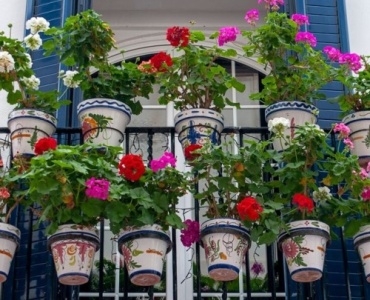
- Containers Perfect for balconies and renters. Choose breathable pots with drainage. Group containers in odd numbers for a lush feel.
- Vertical solutions Pocket planters and wall trellises save space for light herbs like oregano, thyme, and trailing rosemary.
Accessibility and Universal Design
- Path safety Non slip surfaces decomposed granite, brick on edge, or compacted gravel. Avoid loose river stones.
- Reach zones Keep frequent use herbs at hand height and within 60 cm reach from seating.
- Rest points Place seating every 3 to 5 meters in larger gardens. Include shade and back support.
- Fragrance at nose level Elevate key scents in raised planters near benches and doors.
Choosing Herbs for Healing and Ease
Below are approachable, widely loved herbs with calming, clarifying, or comforting qualities. Always verify identification and consult a qualified professional if you have medical conditions, are pregnant, nursing, or take medications. This guide is for education and home gardening only.
- Lavender Lavandula spp. A classic for calm and sleep support. Needs full sun and very good drainage. Pair with gravel mulch to keep crowns dry. Use in teas culinary lavender only, room sachets, and bath salts.
- Chamomile Matricaria chamomilla or Chamaemelum nobile Gentle relaxation and digestive ease. Prefers sun to part shade and moderate water. Harvest fresh flowers often to prolong bloom.
- Lemon balm Melissa officinalis Bright lemon scent that soothes and uplifts. Tolerates part shade and moist, well drained soil. Can spread use containers or frequent harvesting.
- Mint Mentha spp. Peppermint invigorating; spearmint gentler and kid friendly. Keep in containers to prevent invasion. Enjoy iced teas and digestive blends.
- Rosemary Rosmarinus officinalis Supports clarity and focus. Loves sun and sharp drainage. Avoid overwatering. Clip small sprigs to shape and encourage bushiness.
- Thyme Thymus vulgaris Aromatic groundcover for respiratory steams and culinary comfort. Thrives in sun and lean, rocky soil. Ideal along path edges for scent release underfoot.
- Sage Salvia officinalis Earthy leaves for hearty teas and cooking. Needs sun and good air flow. Prune after bloom to prevent woodiness.
- Calendula Calendula officinalis Cheerful orange and yellow flowers often used in soothing salves and teas. Cool season friendly in many regions and self sows lightly.
- Echinacea Echinacea purpurea Long blooming coneflower adored by pollinators. Full sun and average soil. Adds structure and resilience to borders.
- Tulsi Holy basil Ocimum tenuiflorum A beloved tea herb with a clove like aroma. Warm season annual in many regions. Pinch tips often for branching and abundant leaves.
- Lemon verbena Aloysia citriodora Intensely fragrant leaves for calming teas. Needs full sun, warmth, and winter protection in cooler zones.
- Hyssop Hyssopus officinalis Spicy mint family shrub with pollinator appeal and respiratory uses. Full sun and draining soil.
Climate Smart Swaps
- Hot, humid climates Choose lemon grass, tulsi, Mexican mint marigold instead of traditional tarragon, and Cuban oregano. Improve air flow to deter mildew.
- Cool, short summers Emphasize thyme, chives, parsley, calendula, and chamomile. Grow heat lovers like basil and lemon verbena in warm microclimates or containers.
- Arid regions Mediterranean palette rosemary, sage, thyme, lavender, oregano with mineral mulch and deep but infrequent watering.
- Native aromatics Where appropriate, integrate regionally native aromatic perennials to support local ecology and reduce inputs.
Planting Plan Companion Guilds for Wellness
Companion planting creates living communities that share water wisely, deter pests, and deepen therapeutic effect.
- Sleep and soothe bed Lavender at the sunny back, chamomile and lemon balm mid bed, and woolly thyme as a fragrant front border. Add a stepping stone to invite close contact.
- Digestive ease patch Spearmint in a sunk in container, calendula sprinkled through, and a frilly fennel as a vertical accent. Interplant with dill for swallowtail butterflies.
- Defense and breath guild Thyme and oregano as groundcover, sage as mid height anchor, and echinacea for height and pollinator magnetism.
- Focus corner A rosemary standard small tree form as focal point, ringed by tulsi and lemon verbena for uplifting afternoon teas.
Spacing basics Give lavender and rosemary 45 to 60 cm, thyme 20 to 30 cm, sage 45 cm, and calendula 25 to 30 cm. Overcrowding traps moisture and invites disease.
Succession and Continuity
- Stagger sowing Plant chamomile and basil in two or three waves two to three weeks apart for a longer harvest window.
- Layer bloom times Combine spring bloomers like chives with summer stars like bee balm and late season echinacea.
Build and Prepare Soil, Beds, and Irrigation
Healthy structure and reliable watering are the quiet engines of a restorative garden.
- Bed prep Loosen soil 20 to 30 cm deep. Blend in mature compost and mineral grit. Avoid over fertilizing which dulls flavor and scent.
- Mulch Use fine gravel around Mediterranean herbs for drier crowns and sharper aroma. Use chopped leaves or straw around moisture lovers like lemon balm.
- Irrigation Drip lines deliver steady moisture with minimal splash on leaves. Clay ollas are elegant, low tech reservoirs for raised beds. In containers, water deeply until a bit drains, then let the top few centimeters dry.
Maintenance Made Mindful
Care routines can become rituals that calm the mind and keep plants vigorous.
- Weekly rhythm Walk the garden slowly. Pinch basil and tulsi tips, deadhead calendula, harvest mint to prevent legginess, and brush thyme for a scent check in with yourself.
- Monthly tune ups Top up mulch, prune woody herbs lightly after bloom, and check irrigation emitters. Observe where your feet want to go and refine paths accordingly.
- Organic pest approach Start with prevention right spacing, morning watering at soil level, and strong biodiversity. Encourage lady beetles with yarrow and dill. Spot treat aphids with insecticidal soap. Remove diseased leaves promptly.
Simple Seasonal Calendar
- Spring Prepare beds, plant cool season herbs, sow calendula, and set drip lines. Begin gentle harvests as plants establish.
- Summer Harvest in mid morning for peak oils. Shade sensitive containers during heat spikes. Dry bundles in a shaded, airy space.
- Autumn Divide vigorous mints, sow fall chamomile in mild climates, collect seeds, and mulch perennials.
- Winter Protect tender plants with fleece or bring containers indoors near bright windows. Plan next year from notes and photos.
Harvesting, Preserving, and Using Your Herbs
Harvesting is where therapy meets utility. Approach with presence, sharp clean snips, and a grateful breath.
- Best timing Pick leaves just before flowering for maximum aroma. Harvest flowers like chamomile when fully open. Aim for mid morning after dew dries.
- Drying Bundle small stems and hang upside down in a warm, shaded, ventilated area. Or spread on screens. Store in airtight jars away from light.
- Freezing Chop soft herbs and freeze in olive oil in ice trays. Perfect for quick calming soups and stews.
- Infusions and teas Simple evening tea ideas lavender and chamomile; lemon balm and mint; tulsi with a slice of ginger. Steep covered to hold aromatics.
- Bath and body rituals Make a muslin bath sachet with lavender and calendula petals. For topical preparations like infused oils, learn safe methods and patch test first.
Five Minute Garden Rituals
- Scent pause Rub a leaf of lemon balm between fingers. Close eyes and take five slow breaths. Note three words that describe the scent.
- Grounding step Walk a short thyme edged path barefoot if safe or in soft shoes and match your pace to your breathing.
- Gratitude harvest Before snipping, silently thank the plant. That pause deepens connection and signals your nervous system to soften.
Safety, Ethics, and Sustainability
- Medical caution Herbs can interact with medications or conditions. For example, St Johns wort may affect drug metabolism. Always consult a qualified professional before therapeutic use.
- Allergies and pets Introduce new plants gradually and watch for reactions. Keep pet safe choices and avoid known toxic plants to animals.
- Harvest ethics Take no more than one third of a plant at a time. Favor hand tools to prevent tearing.
- Earth friendly choices Choose peat free compost, use captured rainwater where legal, avoid synthetic pesticides, and prioritize native or climate adapted plants.
Budget, Tools, and Step by Step Roadmap
You can build a restorative herb garden at nearly any budget. Start small, layer in features, and iterate.
- Core tools Hand pruners, trowel, weeder, watering can or hose, gloves, and a kneeler or low stool.
- Low budget Reuse containers, trade cuttings with neighbors, and start seeds of calendula, chamomile, and basil.
- Mid budget Add a simple bench, drip irrigation kit, and a few large terracotta pots for rosemary and lavender.
- Investment tier Build raised beds with durable wood or stone, install a small bubbler fountain, and add path lighting for evening serenity.
30 day roadmap
- Week 1 Set intentions, map sun and wind, choose themes and a simple layout sketch.
- Week 2 Source compost, soil, and containers or lumber. Build beds and install irrigation.
- Week 3 Plant foundational perennials lavender, rosemary, thyme, sage and sow easy annuals calendula, chamomile, basil, tulsi.
- Week 4 Mulch, add seating, and establish two daily five minute rituals. Begin gentle harvests and journaling.
Sample Designs
Balcony oasis about 1.5 by 3 meters
- Three large pots rosemary standard, lavender, lemon verbena near the railing for sun.
- Window boxes with thyme spillers and calendula accents.
- A compact chair and side table for tea.
- Tray for watering tools and a small ceramic bowl for birds if safe.
Small courtyard about 3 by 4 meters
- Two raised beds along edges for thyme, sage, and tulsi.
- Central gravel circle with a bench facing a rosemary hedge.
- Container corral of mints along the shadiest wall.
Backyard retreat about 6 by 8 meters
- Curved path of compacted gravel leading to a tea nook.
- Sleep and soothe bed near seating; focus bed near entry.
- Drip irrigation, bird bath, and a small trellis with sweet peas for spring scent.
Sample Plant Lists
- Calm first essentials Lavender 2, chamomile 6 to 10, lemon balm 2, thyme 3, calendula 6.
- Focus and clarity Rosemary 1 to 2, tulsi 4, peppermint 1 container, lemon verbena 1, sage 2.
- Digestive comfort Spearmint 1 container, fennel 1, dill 3, chamomile 4, calendula 4.
Common Mistakes and How to Avoid Them
- Overcrowding Herbs need air. Follow spacing and prune lightly after bloom.
- Overwatering Most Mediterranean herbs dislike wet feet. Use mineral mulch and check soil before watering.
- Mint running wild Always contain mints and lemon balm or harvest aggressively.
- No seat, no ritual Without a place to pause, a healing garden becomes a chore. Prioritize at least one comfortable seat.
- Scent too far from paths Put aromatic plants where hands and hips brush by.
- Ignoring winter Plan cold season interest with evergreen rosemary, sage foliage, and structural features.
Measure Your Garden's Impact on Wellbeing
Track how your garden helps by noticing patterns, not perfection.
- Before and after check in Rate stress or tension 1 to 10 before and after five minutes in the garden.
- Sensory journal Note one scent, one texture, and one sound each visit.
- Ritual streaks Aim for three short visits per week. Tiny, regular contacts compound benefits.
Frequently Asked Questions
How much time does a small therapeutic herb garden require per week Plan on 60 to 90 minutes across two or three short sessions for watering, pruning, and mindful walks.
Can I design this indoors Yes. Use bright windows or grow lights 12 to 14 hours daily. Focus on compact herbs basil, mint, thyme, and lemon balm and keep air moving.
What herbs are safest for families Spearmint, lemon balm, chamomile, and culinary sages and thymes are widely used. Always verify identification and introduce gradually.
Are there deer resistant options Strongly aromatic plants like rosemary, lavender, sage, and thyme are often less palatable to deer, though no plant is fully deer proof.
How do I repel mosquitoes naturally Encourage airflow, empty standing water, and plant lemon balm, catnip, and rosemary near seating. These help locally but are not complete control.
What is the biggest beginner win A raised trough of lavender, thyme, and rosemary by a bench. It delivers scent, structure, and very low maintenance.
A Gentle Conclusion
Your herb garden can be more than a collection of plants. It can be a breathing room, a green threshold between everyday stress and simple presence. Start with intention, observe your site, and let sensory design lead your choices. If you have wondered how to design a therapeutic herb garden without overwhelm, remember that a single pot of lavender beside a chair already begins the journey. Plant what you will use, place it where you can linger, and trust that each small step from soil to serenity will teach you the next.